

-61%
Safeheart Soft
Price range: $ 44,00 through $ 114,00
Stalevo
Price range: $ 78,00 through $ 191,00
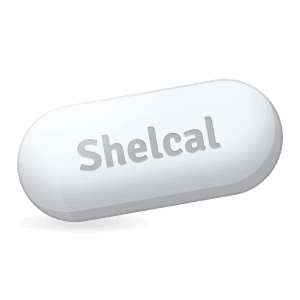
Shelcal
Price range: $ 209,00 through $ 328,00
Shelcal is a potent nutritional supplement formulated to support optimal bone health and prevent mineral deficiencies. This medication combines calcium carbonate with vitamin D3 to ensure maximum absorption and efficiency within the body. Regular use helps strengthen the skeletal system, making it an effective solution for managing osteoporosis and bone mass loss. It also plays a vital role in maintaining healthy teeth and supporting proper nerve and muscle function. Shelcal is an ideal choice for individuals looking to maintain strong bones and meet their daily nutritional requirements for essential minerals.
Delivery: 5–21 days (depending on the shipping method)
Extra 10% discount with coupon: IT4K6SVM
Each dosage option has its own packaging choices.
Description
Shelcal belongs to a class of combination nutritional preparations containing calcium carbonate and cholecalciferol (vitamin D3). This dual-component formulation is intended to support skeletal integrity, aid in bone mineralization, and treat or prevent calcium deficiencies.
In the United States, oral calcium and vitamin D preparations are dispensed in accordance with applicable federal and state regulations. Proper use requires an understanding of dietary intake balance, potential organ system effects, and drug-supplement interactions to minimize health risks.
| Attribute | Details |
|---|---|
| Drug name | Shelcal |
| Active ingredient (INN) | Calcium Carbonate, Cholecalciferol (Vitamin D3) |
| Therapeutic class | Mineral and Vitamin Combination |
| Dosage form | Oral tablet |
| Route of administration | Oral |
| Primary purpose | Bone mineral density support and calcium deficiency management |
Main uses
Shelcal is primarily utilized to maintain healthy bone structure and manage conditions characterized by inadequate calcium levels. On one hand, it serves as an adjunct therapy in clinical regimens aimed at preventing or slowing bone loss associated with osteoporosis and osteopenia. On the other hand, it acts as a corrective supplement for nutritional deficiencies resulting from inadequate dietary intake, malabsorption syndromes, or increased metabolic demand.
Additionally, clinicians may recommend calcium and vitamin D supplementation to manage hypocalcemia or to support bone health during prolonged corticosteroid administration. Any off-label applications, such as routine supplementation in individuals without established risk factors or documented deficiency, should be evaluated by a medical professional to avoid unnecessary mineral overload.
How the drug works
The therapeutic effect of Shelcal depends on the complementary mechanisms of calcium carbonate and vitamin D3. Calcium is an essential mineral required for structural integrity of bone tissue, neurochemical transmission, vascular constriction and vasodilation, and muscular contraction. Because the human body cannot synthesize calcium, adequate systemic availability relies entirely on external intake.
Cholecalciferol (vitamin D3) acts as a crucial regulator of calcium homeostasis. Once converted to its active metabolite, calcitriol, it stimulates the synthesis of calbindin–a transport protein in the intestinal mucosa. This protein significantly enhances the active transport of ingested calcium across the intestinal epithelial border into circulation. Furthermore, vitamin D3 facilitates renal calcium reabsorption and supports balanced bone remodeling by interacting with parathyroid hormone pathways.
Dosing schedule
Dosage regimens for Shelcal vary based on individual physiological requirements, dietary calcium consumption, age, and renal function. Standard daily recommendations generally target fulfilling total element needs without exceeding safe upper limits. Patients taking calcium carbonate preparations are usually advised to divide total daily amounts into smaller doses (e.g., 500 mg or less of elemental calcium per dose) because intestinal absorption saturates at higher single-dose thresholds.
Tablets should be ingested orally with food or immediately after meals to maximize dissolution. Because gastric acid secretion is stimulated by food intake, taking calcium carbonate with meals substantially improves its solubility and subsequent absorption. Patients should follow the exact dosage prescribed or recommended by their physician and avoid escalating doses independently.
How it’s absorbed and eliminated
Following oral administration, calcium carbonate dissociates in the acidic environment of the stomach to release free ionized calcium. Passive diffusion and active vitamin D-mediated transport absorb ionized calcium primarily in the duodenum and jejunum. Fractional absorption of elemental calcium normally ranges between 20% and 30%, though absorption efficiency declines as single oral doses increase.
Cholecalciferol is passively absorbed in the small intestine alongside dietary fats and relies on bile salts for micellar solubilization. Once absorbed, vitamin D3 undergoes initial hepatic hydroxylation to form 25-hydroxycholecalciferol (calcifediol), followed by renal hydroxylation to yield the active hormone 1,25-dihydroxycholecalciferol (calcitriol). Unabsorbed calcium is predominantly excreted through the feces, while absorbed calcium is excreted via urine and sweat under strict hormonal control. Metabolized vitamin D derivatives are primarily eliminated through biliary excretion into feces.
What not to combine
Shelcal can interact significantly with several prescription medications, potentially altering drug bioavailability or causing systemic adverse events. Co-administration of calcium carbonate with oral fluoroquinolones (such as ciprofloxacin) or tetracycline antibiotics leads to the formation of insoluble chelate complexes, markedly reducing antibiotic absorption. To prevent this, patients must separate administration of these agents by at least 2 to 4 hours.
Furthermore, calcium supplements can reduce the intestinal absorption of levothyroxine, oral bisphosphonates (like alendronate), and iron supplements. Simultaneous use of thiazide diuretics reduces renal calcium excretion, raising the potential risk of hypercalcemia. Conversely, loop diuretics may increase renal calcium clearance. Concomitant use with cardiac glycosides (such as digoxin) requires careful medical monitoring, as elevated serum calcium levels increase the toxicity risk of digoxin.
Adverse reactions
While Shelcal is generally well tolerated when taken within recommended dosage limits, adverse reactions can occur. Common gastrointestinal effects include constipation, flatulence, abdominal bloating, nausea, and mild stomach discomfort. These symptoms are often related to the carbonate salt component and can frequently be managed by dividing doses or taking the product with larger volumes of fluid.
Less common but more serious systemic effects occur when chronic over-supplementation leads to hypercalcemia (excessively high blood calcium levels) or hypercalciuria (elevated urinary calcium). Symptoms of hypercalcemia include persistent nausea, vomiting, unusual fatigue, muscle weakness, confusion, excessive thirst (polydipsia), and frequent urination (polyuria). Prolonged hypercalcemia can contribute to nephrolithiasis (kidney stones) or impaired renal function. Patients noticing severe or persistent symptoms should seek medical evaluation immediately.
What to avoid while taking it
Dietary factors significantly influence the absorption efficiency of Shelcal. Foods high in oxalic acid (such as spinach and rhubarb) and phytic acid (found in whole grains, seeds, and legumes) can bind calcium ions in the gastrointestinal tract, forming insoluble compounds that reduce systemic absorption. Excessive intake of caffeine, alcohol, or dietary sodium can also increase urinary calcium excretion.
Alcohol consumption should be kept moderate, as heavy alcohol use impairs hepatic hydroxylation of vitamin D and disrupts calcium regulation. Patients should avoid taking large amounts of other calcium-fortified foods or antacids containing calcium without professional guidance to prevent accidental over-supplementation.
If you skip a dose
If a dose of Shelcal is missed, it should be taken as soon as remembered on that day, preferably with a meal. However, if it is almost time for the next scheduled dose, the missed dose should be omitted completely, and the regular dosing schedule should be resumed.
Patients should never take two doses simultaneously or increase the next dose to compensate for a missed tablet. Compensating with extra doses increases the risk of acute gastrointestinal distress and transient hypercalcemia.
Pregnancy, breastfeeding, and other groups
During pregnancy and lactation, maternal calcium demand increases to support fetal skeletal development and breast milk production. Adequate calcium and vitamin D levels are essential; however, daily intake must remain strictly within established dietary reference intakes and safe upper limits. Pregnant or nursing individuals should consult their obstetric provider before initiating supplementation, as excessive intake of vitamin D may pose maternal and fetal risks.
Geriatric populations often exhibit decreased end-ogenous vitamin D synthesis in the skin and reduced intestinal calcium absorption, making balanced supplementation beneficial. However, elderly patients also face an increased prevalence of impaired renal function, necessitating baseline and periodic monitoring of serum calcium and creatinine levels. Use in pediatric populations must be specifically directed by a pediatrician to ensure age-appropriate dosing.
Storage and expiration
Shelcal should be stored at room temperature, ideally between 68°F and 77°F (20°C to 25°C), away from excessive heat, direct sunlight, and moisture. The product should not be stored in humid environments such as bathroom cabinets.
Keep the container tightly closed and out of reach of children and pets. Do not use the medication after the expiration date printed on the packaging, as chemical degradation of the active components–particularly vitamin D3–can reduce potency over time.
Important precautions
Before initiating therapy with Shelcal, individuals should undergo an assessment of baseline renal function, existing metabolic conditions, and serum calcium levels. Pre-existing hypercalcemia, hypervitaminosis D, severe renal impairment, nephrolithiasis (kidney stones), or conditions associated with hypercalcemia (such as sarcoidosis or certain malignancies) serve as significant contraindications or relative precautions.
Periodic monitoring of serum calcium, urinary calcium, and renal function parameters is advisable during long-term or high-dose therapy. If hypercalcemia or signs of renal impairment develop, therapy should be adjusted or discontinued under the supervision of a licensed healthcare provider.
Common questions
Can I take Shelcal at the same time as my daily multivitamin?
Taking Shelcal alongside a general multivitamin requires reviewing the total daily intake of both calcium and vitamin D3. Many multivitamins already contain these nutrients. Exceeding recommended daily upper limits increases the risk of adverse effects like constipation, hypercalcemia, or kidney stones. Bring all supplement labels to a doctor or pharmacist to confirm your combined daily intake is safe.
Is it normal to experience mild constipation after starting Shelcal?
Gastrointestinal side effects, particularly mild constipation and abdominal gas, are known responses to oral calcium carbonate formulations. Increasing daily fluid intake, consuming adequate dietary fiber, and taking the dose in smaller, divided amounts throughout the day with meals can often alleviate these symptoms. If constipation becomes severe or persistent, contact your healthcare provider.
Should Shelcal be taken on an empty stomach or with food?
Shelcal is best taken with meals or immediately after eating. Calcium carbonate requires gastric acid for optimal breakdown and ionization into absorbable calcium. Food stimulates gastric acid production, substantially enhancing calcium solubility. Additionally, the fat content in meals improves the intestinal absorption of fat-soluble vitamin D3.
How long does it take for calcium and vitamin D supplementation to improve bone density?
Changes in bone mineral density occur slowly over months to years because bone tissue undergoes a gradual remodeling cycle. While biochemical markers of calcium balance adjust relatively quickly after starting therapy, visible improvements or stabilization in bone density typically require consistent, long-term use evaluated via periodic dual-energy X-ray absorptiometry (DEXA) scans as recommended by a physician.
What should I do if I accidentally take more than the recommended dose?
Taking a single extra dose is unlikely to cause severe systemic harm, but it may cause temporary nausea, abdominal pain, or diarrhea. However, taking excessively high doses over multiple days can lead to acute hypercalcemia, characterized by severe thirst, frequent urination, confusion, and muscle weakness. In cases of significant accidental overdose, seek prompt medical attention or contact a poison control center immediately.
This text is for informational purposes only and does not constitute individual medical advice. In accordance with FDA requirements.
Additional information
| Dosage |
500 mg + 250 iu |
|---|---|
| Package |
90 tabs ,180 tabs ,270 tabs ,360 tabs |
| Active Ingredient |
Elemental Calcium, Cholecalciferol (Vitamin D3) |
Related products
2B12
Price range: $ 38,00 through $ 72,00
More Details
This product has multiple variants. The options may be chosen on the product page
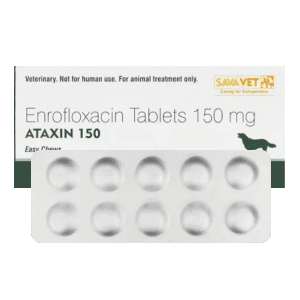
Ataxin
Price range: $ 250,00 through $ 387,00
More Details
This product has multiple variants. The options may be chosen on the product page
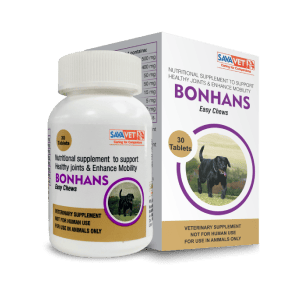
Bonhans
Price range: $ 87,00 through $ 161,00
More Details
This product has multiple variants. The options may be chosen on the product page
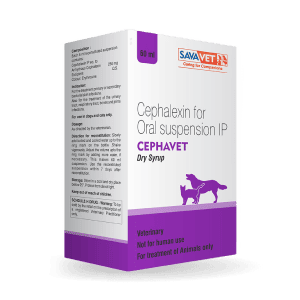
Cephavet Dry Syrup
Price range: $ 33,40 through $ 186,74
More Details
This product has multiple variants. The options may be chosen on the product page
Cipcal
Price range: $ 117,00 through $ 216,00
More Details
This product has multiple variants. The options may be chosen on the product page

Folitas
Price range: $ 60,00 through $ 147,00
More Details
This product has multiple variants. The options may be chosen on the product page
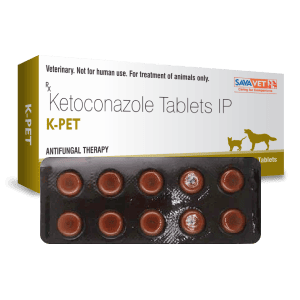
K-Pet
Price range: $ 32,00 through $ 176,00
More Details
This product has multiple variants. The options may be chosen on the product page
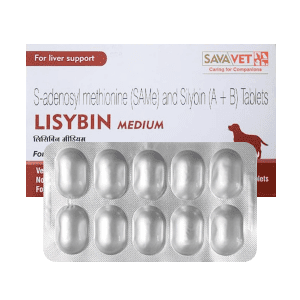
Lisybin Medium
Price range: $ 70,00 through $ 350,00
More Details
This product has multiple variants. The options may be chosen on the product page