

-28%
Doxypet
Price range: $ 15,00 through $ 77,00
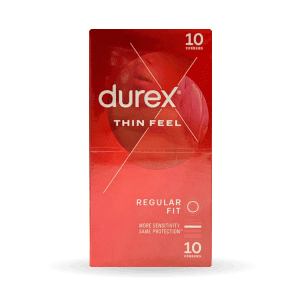
Durex Feel Thin Condoms
Price range: $ 25,00 through $ 54,00
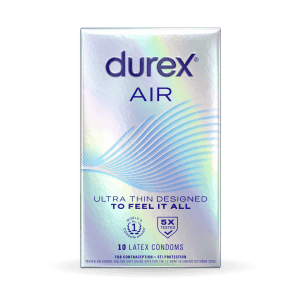
Durex Air Ultra Thin Condoms
Price range: $ 25,00 through $ 54,00
Durex Air Ultra Thin Condoms are designed to provide maximum sensitivity while maintaining a high level of protection. These extra-thin latex condoms offer a natural feel, allowing for a closer connection without compromising safety. Each condom serves as a reliable method of contraception to help prevent unintended pregnancy when used correctly. They also provide an effective barrier against the transmission of many common sexually transmitted infections (STIs). Rigorously tested for durability and strength, Durex Air ensures peace of mind and comfort during your most intimate moments.
Delivery: 5–21 days (depending on the shipping method)
Extra 10% discount with coupon: IT4K6SVM
Each dosage option has its own packaging choices.
Description
Durex Air Ultra Thin Condoms are designed for individuals seeking barrier protection against unintended pregnancy and sexually transmitted infections (STIs) while maintaining tactile sensitivity. Fabricated from natural rubber latex and pre-lubricated with a non-spermicidal silicone-based formula, these condoms are regulated in the United States as FDA Class II medical devices.
Understanding proper barrier selection, material compatibility, and correct application techniques is essential for achieving maximum protective efficacy during sexual activity. This guide provides evidence-based information regarding the safe and effective use of ultra-thin latex barrier products.
| Device Category | Barrier Contraceptive / Medical Device |
| Active Material | Natural Rubber Latex |
| Primary Purpose | Pregnancy prevention and STI risk reduction |
| Regulatory Status | Over-the-Counter (OTC) / FDA Cleared |
| Lubricant Type | Non-spermicidal silicone lubricant |
| Storage Conditions | Cool, dry place between 59°F and 86°F (15°C to 30°C) |
Clinical Profile & Performance Features
How the barrier works
Durex Air Ultra Thin Condoms function as a physical barrier that prevents direct anatomical contact between mucous membranes and blocks the exchange of reproductive fluids, sperm cells, and infectious pathogens. When intact and properly deployed, the thin natural rubber latex matrix provides a fluid-impermeable shield against viral particles–such as Human Immunodeficiency Virus (HIV), Herpes Simplex Virus (HSV), and Human Papillomavirus (HPV)–as well as bacterial organisms including Chlamydia trachomatis and Neisseria gonorrhoeae. Despite an ultra-thin wall thickness engineered to enhance heat transfer and tactile sensation, the latex material maintains elastic resilience and structural integrity under standard physiological stress parameters established by regulatory safety standards.
Main uses
This medical device is indicated for dual-purpose protection during intimate contact: reducing the probability of unintended pregnancy and lowering the transmission risk of sexually transmitted infections (STIs) during vaginal, anal, or oral intercourse. While consistent latex condom usage substantially decreases STI acquisition risk, it is important to note that condoms offer primary protection for mucosal surfaces covered by the latex sheath. Transmissions occurring via infected skin surfaces not covered by the condom (such as localized lesions from syphilis or active cutaneous HSV) remain possible despite correct condom application.
Proper application and use
Achieving optimal safety requires meticulous handling before and during use. Inspect the individual foil package for expiration dates and structural integrity; do not use if the wrapper is torn, brittle, or damaged. Carefully tear open the foil package without using scissors, teeth, or sharp tools that could puncture the latex. Determine the roll orientation, pinch the closed reservoir tip with your fingers to expel trapped air, and place the condom on the tip of the erect penis before any genital contact occurs. Unroll the sheath completely down to the base of the erect shaft. If additional lubrication is needed, apply only compatible water-based or silicone-based lubricants. Immediately following ejaculation and prior to the loss of erection, firmly hold the condom at the base of the shaft while withdrawing to prevent slippage, then tie off the open end and dispose of it in a waste receptacle (never flush down toilets). This product is strictly designed for single use only.
Material properties and performance
As a non-systemic physical barrier device, natural rubber latex does not undergo absorption, hepatic metabolism, or systemic renal elimination within the human body. The mechanical performance–including tensile strength, elongation at break, and burst volume/pressure thresholds–is evaluated according to standardized biomedical engineering protocols (such as ASTM D3492 standards). The pore-free micro-architecture of high-grade latex prevents fluid filtration down to sub-micron dimensions. However, latex polymer chains are vulnerable to chemical oxidation and structural degradation when exposed to lipophilic agents, UV light, or elevated temperatures, which can severely compromise barrier integrity.
Product compatibility and interactions
Physical compatibility with lubricants and topical medical preparations is critical for preventing condom failure. Latex condoms are fully compatible with water-soluble and silicone-based personal lubricants. Conversely, natural rubber latex is rapidly degraded by oil-based substances, including mineral oil, petroleum jelly, baby oil, vegetable oils, massage oils, body lotions, and cooking fats. Exposure to oil-based materials can cause structural breakdown and tearing within 60 seconds of contact. Furthermore, topical vaginal or penile medications containing lipophilic bases (such as certain antifungal creams, vaginal ovules, or steroid ointments) may weaken latex unless explicitly cleared as condom-safe by medical product labeling.
Safety Considerations & User Guidance
Possible adverse reactions
While generally well tolerated, natural rubber latex contains proteins that can elicit allergic responses in susceptible individuals. Reactions range from mild localized contact dermatitis–characterized by redness, itching, burning, or skin rash–to severe Type I immediate hypersensitivity reactions, including widespread urticaria, mucosal angioedema, and potentially life-threatening anaphylaxis. Friction during intercourse without adequate lubrication may also cause transient tissue irritation or superficial mucosal abrasions. If you or your partner experience signs of allergic sensitization, discontinue use immediately and transition to synthetic non-latex alternatives, such as polyisoprene or polyurethane condoms.
Important safety precautions
No contraceptive method provides 100% protection against pregnancy or sexually transmitted infections. Proper storage, careful handling, and consistent application during every sexual act are required to maintain protective efficiency. Individuals with diagnosed latex protein allergies should strictly avoid latex condoms and select synthetic non-latex barrier options. Durex Air Ultra Thin Condoms are safe for use by adult populations, including pregnant or postpartum individuals seeking STI prevention during sexual activity. Check package integrity prior to every use.
Practical tips for optimal protection
Store condoms in accessible locations where ambient temperatures remain stable. Avoid carrying individual foil packages loose in back pockets, wallets, or vehicle glove compartments, as constant friction, compression, and heat accelerate latex breakdown. Keep fingernails smoothed and avoid wearing sharp jewelry during application to prevent accidental micro-tears in the thin latex wall.
Storage and expiration guidelines
Store packages in a cool, dry environment away from direct sunlight, excess humidity, and electrical equipment that produces ozone. Recommended storage temperature ranges between 59°F and 86°F (15°C to 30°C). Always refer to the expiration date stamped on the outer carton and individual foil wrapper. Expired condoms lose elasticity, become brittle, and carry a significantly elevated risk of breakage during use.
Comparing protection options
Compared to systemic hormonal birth control methods (such as oral contraceptives or intrauterine devices), latex condoms offer non-hormonal contraception combined with critical protection against STIs. Compared to synthetic non-latex condoms like polyurethane, natural rubber latex provides superior elasticity and snug conformability, though non-latex condoms remain the primary recommendation for latex-allergic individuals.
When to seek medical attention
If a condom ruptures, leaks, or slips off during intercourse, evaluate the immediate risk of unintended pregnancy and STI transmission. For pregnancy prevention, emergency contraception (such as OTC levonorgestrel morning-after pills or prescription options) should be obtained within 72 hours (and up to 120 hours depending on the method). If potential HIV exposure occurs due to condom failure during high-risk contact, consult a healthcare provider or emergency room immediately to evaluate Post-Exposure Prophylaxis (PEP), which must be initiated within 72 hours. Seek immediate emergency medical care if signs of severe systemic latex allergy–such as facial swelling, wheezing, or difficulty breathing–develop.
Frequently Asked Questions
What should I do immediately if the condom breaks during intercourse?
Withdraw immediately, dispose of the damaged condom, and gently wash the genital area with water. To prevent unintended pregnancy, consider taking over-the-counter emergency contraception within 72 hours. If exposed to STI risks, contact a clinic or healthcare provider promptly to discuss testing and preventive therapy.
Can ultra-thin latex condoms break more easily than standard condoms?
No. FDA-cleared ultra-thin condoms must pass the same rigorous tensile strength, burst pressure, and air inflation testing standards as standard-thickness latex condoms. When used correctly with appropriate lubrication, ultra-thin models provide comparable barrier reliability.
Is it safe to use two condoms at the same time for double protection?
No. Using two condoms simultaneously creates friction between the latex layers, significantly increasing the likelihood that one or both condoms will tear or slip off during use. Always use only one condom at a time.
Can oil-based body oils or lubricants be used with these condoms?
No. Oil-based products (including lotion, Vaseline, coconut oil, and massage oils) rapidly break down natural rubber latex, causing it to weaken and tear. Only use water-based or silicone-based personal lubricants labeled safe for latex.
How can I tell if I have a latex allergy?
Symptoms of latex sensitivity include itching, localized redness, rash, swelling, or hives following contact with latex products. If you experience persistent irritation or discomfort after condom use, consult a medical professional for allergy evaluation and switch to polyisoprene or polyurethane condoms.
This text is for informational purposes only and does not constitute individual medical advice.
In accordance with FDA requirements for medical device labeling.
Additional information
| Dosage |
10 units/pack |
|---|---|
| Package |
1 pack ,2 pack ,3 pack |
| Active Ingredient |
Latex, Regular Silicone Lube |
Related products
Alesse
Price range: $ 65,00 through $ 208,00
Active substance: ethinyloestradiol, Levonorgestrel
More Details
This product has multiple variants. The options may be chosen on the product page
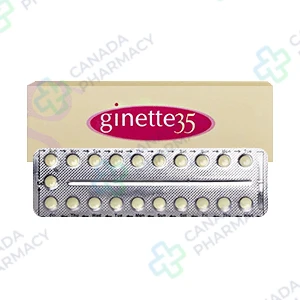
Ginette-35
Price range: $ 79,00 through $ 269,00
More Details
This product has multiple variants. The options may be chosen on the product page
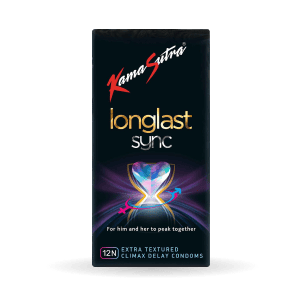
KamaSutra Longlast Condoms
Price range: $ 25,00 through $ 54,00
More Details
This product has multiple variants. The options may be chosen on the product page
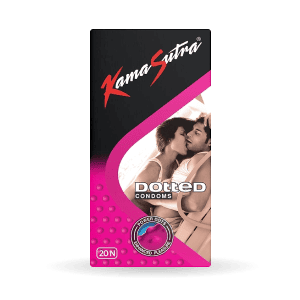
KamaSutra Pink Dotted Condoms
Price range: $ 11,00 through $ 28,00
More Details
This product has multiple variants. The options may be chosen on the product page

Levlen
Price range: $ 40,00 through $ 96,00
Active substance: ethinyloestradiol, Levonorgestrel
More Details
This product has multiple variants. The options may be chosen on the product page
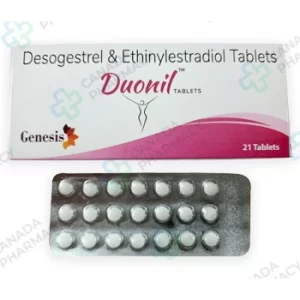
Mircette
Price range: $ 75,00 through $ 174,00
Active substance: desogestrel, ethinylestradiol
More Details
This product has multiple variants. The options may be chosen on the product page
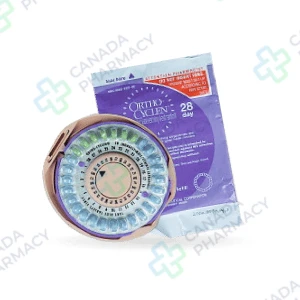
Ortho Tri-Cyclen
Price range: $ 28,00 through $ 56,00
Active substance: Ethinyl estradiol, Norgestimate
More Details
This product has multiple variants. The options may be chosen on the product page
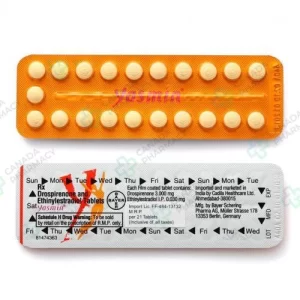
Yasmin
Price range: $ 63,00 through $ 223,00
Active substance: drospirenone, ethinylestradiol
More Details
This product has multiple variants. The options may be chosen on the product page