

-15%
Geriforte Syrup
Price range: $ 41,00 through $ 246,00
Glucophage
Price range: $ 28,00 through $ 97,00
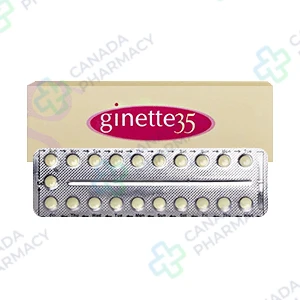
Ginette-35
Price range: $ 79,00 through $ 269,00
Ginette-35 is a combined hormonal medication specifically formulated with cyproterone acetate and ethinylestradiol. It is primarily indicated for the treatment of severe, androgen-dependent acne in women who have not responded to other topical or systemic therapies. This medication is also highly effective for managing moderate to severe hirsutism, which is characterized by excessive facial or body hair growth. By balancing hormonal activity, it helps reduce excess sebum production and significantly improves the overall clarity of the skin. Additionally, Ginette-35 functions as a reliable daily oral contraceptive for women seeking to address these specific hormonal and dermatological concerns.
Delivery: 5–21 days (depending on the shipping method)
Extra 10% discount with coupon: IT4K6SVM
Each dosage option has its own packaging choices.
Description
Ginette-35 belongs to a class of combination hormonal therapies containing an anti-androgen and an estrogen active ingredient. It is formulated with cyproterone acetate (2 mg) and ethinylestradiol (0.035 mg) to address androgen-sensitive dermatological conditions in females of reproductive age.
This medication is dispensed in accordance with applicable federal and state regulations following clinical assessment by a licensed prescribers. Understanding its underlying pharmacological mechanisms, proper dosing routines, and relevant safety precautions is essential for maintaining therapeutic efficacy and mitigating adverse risks.
| Parameter | Details |
|---|---|
| Drug name | Ginette-35 |
| Active ingredients (INN) | Cyproterone acetate (2 mg), Ethinylestradiol (0.035 mg) |
| Therapeutic class | Anti-androgen and estrogen combination |
| Dosage form | Oral tablet |
| Route of administration | Oral |
| Prescription status | Dispensed in accordance with applicable federal and state regulations |
Overview and Clinical Profile
Main uses
Ginette-35 is indicated primarily for the treatment of severe, androgen-dependent acne, with or without pronounced seborrhea, in women of childbearing age. It is also prescribed for the clinical management of mild to moderate hirsutism, characterized by excessive androgen-responsive hair growth on the face and body. Because the formulation combines cyproterone acetate with ethinylestradiol, it provides effective oral contraception during administration; however, it should not be prescribed solely for birth control due to its specialized risk profile. Prescribers generally reserve therapy for patients in whom topical treatments or systemic antibiotic regimens have yielded inadequate clinical outcomes. Periodic re-evaluation by a physician is recommended to determine the ongoing necessity of treatment.
How the drug works
The therapeutic activity of Ginette-35 depends on the synergistic pharmacodynamics of its dual constituents. Cyproterone acetate is a synthetic progestin with pronounced anti-androgenic activity that competitively blocks androgen receptors at target tissues. This inhibition suppresses sebaceous gland proliferation and decreases cutaneous sebum excretion, directly reducing inflammatory acne lesions and follicular hyperkeratosis. Ethinylestradiol, a synthetic estrogen, reinforces this effect by stimulating hepatic synthesis of sex hormone-binding globulin (SHBG). Increased SHBG levels reduce the circulating free fraction of active testosterones. Additionally, the combined steroid exposure suppresses pituitary gonadotropin secretion, preventing follicular maturation and inhibiting ovulation.
Dosing schedule
Administration of Ginette-35 follows a precise 28-day cyclic schedule to ensure steady systemic exposure and maintain predictable cycle control. Patients take one tablet daily by mouth at approximately the same time every day for 21 consecutive days, followed by a 7-day tablet-free gap. Withdrawal bleeding typically commences 2 to 4 days after the final active tablet of the cycle is consumed. Treatment initiates on the first day of natural menstrual bleeding, which establishes immediate therapeutic and contraceptive protection. If transitioning from an alternative hormonal contraceptive, dosing should commence immediately following the previous product’s active phase. Adherence to a consistent daily administration time reduces baseline spotting and maintains therapeutic steady-state levels.
What happens in the body
Following oral administration, both active components undergo rapid absorption from the gastrointestinal tract. Cyproterone acetate achieves peak plasma concentrations within 1.6 to 4 hours, exhibiting a biphasic elimination kinetic profile with a terminal half-life of approximately 38 to 44 hours. Ethinylestradiol reaches peak serum levels within 1 to 2 hours post-dose, with an elimination half-life ranging between 10 and 20 hours. Cyproterone acetate binds almost exclusively to serum albumin, whereas ethinylestradiol binds to both albumin and SHBG. Both compounds undergo extensive hepatic metabolism through cytochrome P450 pathways, particularly CYP3A4, before inactive metabolites are excreted via renal and biliary routes.
What you may notice early on
During the initial weeks of therapy, patients may experience minor physiological adjustments as circulating hormone concentrations normalize. Mild nausea, transient breast tenderness, and light intermenstrual spotting or breakthrough bleeding are relatively common throughout the first one to three treatment cycles. Visible improvement in dermatological conditions, such as reduced facial oiliness and fewer papulopustular acne lesions, generally becomes apparent after 2 to 4 months of continuous use. Reductions in hirsutism and excessive body hair growth require a extended timeframe, often requiring 6 to 9 months of therapy due to the natural hair follicle growth cycle. Any severe, persistent, or worsening symptoms warrant prompt clinical consultation.
Safety Guidelines and FAQs
Compatibility with other medicines
Coadministration of Ginette-35 with pharmacological agents that alter hepatic enzyme function can alter therapeutic efficacy or escalate side effect incidence. Potent hepatic enzyme inducers–including rifampin, carbamazepine, phenytoin, phenobarbital, topiramate, and St. John’s wort–accelerate the clearance of ethinylestradiol and cyproterone acetate. This metabolic enhancement can decrease therapeutic efficacy and cause irregular breakthrough bleeding. Conversely, strong CYP3A4 inhibitors like ketoconazole, itraconazole, and clarithromycin can increase systemic hormone exposure, potentially amplifying estrogenic adverse events. Patients must inform their prescribers of all concurrent prescription medications, OTC products, and herbal supplements.
Adverse reactions
Adverse events associated with Ginette-35 range from mild, self-limiting complaints to serious vascular events. Frequently reported mild effects include transient nausea, abdominal discomfort, headache, fluid retention, weight shifts, mood changes, and breast pain. Less common reactions comprise alterations in libido and localized chloasma (pigmentary changes of the facial skin). The most clinically significant risk involves venous thromboembolism (VTE), including deep vein thrombosis and pulmonary embolism, as well as arterial thromboembolism leading to stroke or myocardial infarction. The elevated risk of vascular occlusion requires careful patient screening prior to initiating therapy and immediate medical evaluation if focal neurological signs or unilateral limb swelling develop.
What to avoid while taking it
While standard food intake does not significantly interfere with the absorption of Ginette-35, specific dietary factors warrant consideration. Grapefruit juice contains compounds that inhibit intestinal CYP3A4 activity, potentially increasing ethinylestradiol bioavailability and increasing the frequency of estrogen-related side effects. Moderate alcohol consumption does not directly alter steroid pharmacokinetics, but heavy acute alcohol ingestion can increase metabolic strain on hepatic tissue and increase the probability of missed doses. Patients should maintain adequate hydration and avoid non-prescribed herbal preparations, particularly those containing Hypericum perforatum (St. John’s wort).
If you skip a dose
Maintaining a regular daily dosing interval is critical for sustained efficacy. If a tablet is delayed by less than 12 hours, the patient should take the missed dose immediately and resume the regular daily schedule without extra precautions. If the delay exceeds 12 hours, contraceptive and therapeutic protection may be compromised. In this scenario, the patient should take the missed tablet as soon as remembered–even if it means taking two tablets on the same day–and use a supplementary non-hormonal barrier method (such as condoms) for the next 7 consecutive days. Managing missed doses during the first or third week of a cycle may require skipping the 7-day tablet-free interval based on medical advice.
Storage and expiration
Proper environmental storage preserves the chemical stability of the active steroids in Ginette-35. Tablets should be stored at controlled room temperature, ideally between 68°F and 77°F (20°C to 25°C), shielded from direct sunlight, excessive heat, and ambient humidity. Maintain the medication within its original blister foil packaging until immediately prior to consumption. Avoid storing tablets in high-humidity areas such as bathroom cabinets. Store safely away from children and domestic animals. Expired products or blister packs exhibiting physical degradation should be discarded in accordance with local pharmaceutical waste disposal guidelines.
Important precautions
Ginette-35 possesses major clinical contraindications that must be ruled out prior to starting treatment. It is strictly contraindicated during pregnancy and lactation, as synthetic steroids can affect embryonic development and cross into breast milk. Patients with a personal history of venous or arterial thromboembolism, severe hypertension, structural heart disease, hepatic neoplasia, cerebrovascular disease, or estrogen-dependent malignancies must not take this medication. Cigarette smoking increases the risk of serious cardiovascular side effects, particularly in women over 35 years of age; smoking cessation is strongly advised. Patients scheduled for major elective surgical procedures or prolonged bed rest should discontinue therapy several weeks in advance under clinical guidance to diminish thromboembolic risk.
Common questions
How long does it take for Ginette-35 to show visible results for acne?
Initial reductions in skin oiliness and facial inflammatory lesions typically become noticeable after 2 to 3 months of continuous daily use. Maximal dermatological response generally requires 4 to 6 cycles of therapy, as cutaneous tissue response to decreased circulating androgen concentrations proceeds gradually.
What should I do if vomiting occurs shortly after taking a tablet?
If vomiting or severe diarrhea occurs within 3 to 4 hours of taking an active tablet, the active ingredients may not be fully absorbed by the digestive system. Treat the event as a missed dose and consume an additional tablet from a reserve pack within 12 hours to maintain adequate plasma hormone concentrations.
Is periodic blood pressure monitoring necessary while taking this drug?
Yes. Estrogen-containing medications can cause mild blood pressure elevations in susceptible individuals due to stimulation of the renin-angiotensin-aldosterone system. Blood pressure should be evaluated prior to initiating treatment and monitored at routine follow-up consultations.
Can I drive or operate machinery while using Ginette-35?
Ginette-35 does not exert direct sedative or psychomotor-impairing effects. However, if you experience transient side effects such as migraines, visual disturbances, or dizziness during the initial phase of treatment, avoid driving or operating machinery until these symptoms completely resolve.
Why is Ginette-35 not prescribed strictly as a routine oral contraceptive?
Although the formulation effectively inhibits ovulation, the cyproterone acetate component carries a higher relative risk of venous thromboembolism than standard low-dose progestin oral contraceptives. Consequently, clinical guidelines restrict its use to cases requiring treatment for androgen-sensitive conditions.
In accordance with federal regulations, choices regarding combined hormonal therapies should be guided by qualified healthcare professionals based on individual clinical evaluations.
This text is for informational purposes only and does not constitute individual medical advice.
Additional information
| Dosage |
0.035mg+2mg |
|---|---|
| Package |
42 pills ,63 pills ,84 pills ,126 pills ,168 pills |
| Ενεργός Ουσία | , , |
Related products
Alesse
Price range: $ 65,00 through $ 208,00
Active substance: ethinyloestradiol, Levonorgestrel
More Details
This product has multiple variants. The options may be chosen on the product page

Calcium Carbonate
Price range: $ 41,00 through $ 535,00
Active substance: Calcium Carbonate
More Details
This product has multiple variants. The options may be chosen on the product page
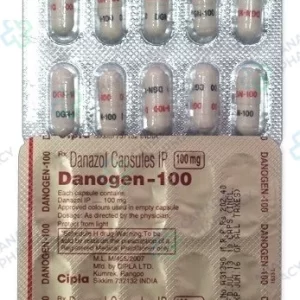
Danazol
Price range: $ 62,00 through $ 480,00
Active substance: Danazol
More Details
This product has multiple variants. The options may be chosen on the product page
Doxylamine
Price range: $ 10,00 through $ 33,00
Active substance: Doxylamine succinate
More Details
This product has multiple variants. The options may be chosen on the product page
Folic Acid
Price range: $ 6,00 through $ 18,00
Active substance: Folic Acid
More Details
This product has multiple variants. The options may be chosen on the product page
KamaSutra Longlast Condoms
Price range: $ 25,00 through $ 54,00
More Details
This product has multiple variants. The options may be chosen on the product page
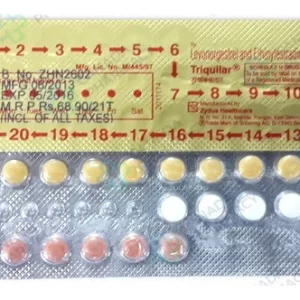
Levlen
Price range: $ 40,00 through $ 96,00
Active substance: ethinyloestradiol, Levonorgestrel
More Details
This product has multiple variants. The options may be chosen on the product page
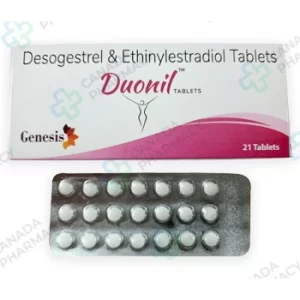
Mircette
Price range: $ 75,00 through $ 174,00
Active substance: desogestrel, ethinylestradiol
More Details
This product has multiple variants. The options may be chosen on the product page