

-25%
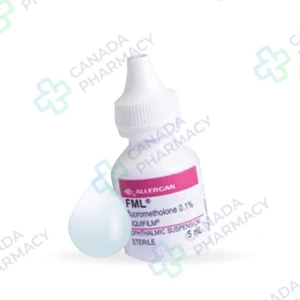
FML Forte
Price range: $ 43,00 through $ 166,00
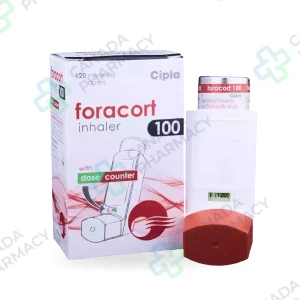
Foracort Inhaler
Price range: $ 47,00 through $ 345,00
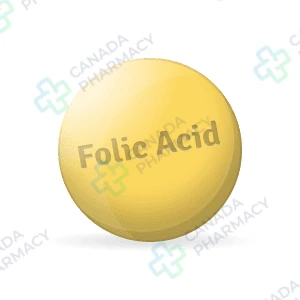
Folic Acid
Price range: $ 6,00 through $ 18,00
Folic Acid is an essential B-vitamin that plays a critical role in cellular growth and the synthesis of DNA. This supplement is widely recognized for supporting healthy fetal development, particularly in the formation of the neural tube during early pregnancy. It also supports the production of healthy red blood cells, helping to prevent certain types of anemia and maintaining overall energy levels. Daily intake contributes to cardiovascular health by helping to regulate homocysteine levels in the bloodstream. These high-quality tablets provide a convenient way to meet your daily nutritional requirements for optimal long-term wellness.
Active substance: Folic Acid
Delivery: 5–21 days (depending on the shipping method)
Extra 10% discount with coupon: IT4K6SVM
Each dosage option has its own packaging choices.
Description
Folic Acid – Information for Patients and Caregivers
Folic acid belongs to the class of water-soluble B-complex vitamins, specifically identified as vitamin B9. It plays a critical role in nucleoprotein synthesis and the maintenance of normal erythropoiesis. Depending on the dose and specific clinical indication, folic acid is available in over-the-counter formulations or as a prescription medication dispensed in accordance with applicable federal and state regulations.
Proper supplementation supports cellular division, amino acid metabolism, and tissue growth throughout various life stages. Understanding its physiological actions, dosing guidelines, and potential interaction profile ensures safe and optimal clinical usage.
Basic Information
| Parameter | Details |
|---|---|
| Active ingredient (INN) | Folic acid |
| Therapeutic class | Water-soluble B-complex vitamin (Vitamin B9) / Hematopoietic agent |
| Dosage forms | Oral tablets, oral capsules, injectable solution |
| Route of administration | Oral, intramuscular, intravenous, subcutaneous |
| Primary purpose | Prevention and treatment of folate deficiency anemias and fetal neural tube defects |
| Prescription status | OTC (lower daily doses) and Rx (higher therapeutic doses, e.g., 1 mg) |
How the Drug Works
Folic acid is metabolically inactive in its parent synthetic form and requires enzymatic conversion in the human body to become biologically active. Following uptake, it is reduced to tetrahydrofolate (THF) and its functional derivatives by the enzyme dihydrofolate reductase. These active coenzymes participate as vital carbon donors and acceptors in one-carbon transfer reactions necessary for the synthesis of purine and pyrimidine nucleotides, which constitute essential precursors for deoxyribonucleic acid (DNA) and ribonucleic acid (RNA) replication. Furthermore, tetrahydrofolate is required for the re-methylation of homocysteine to methionine. Interruption of these biosynthetic pathways impairs nuclear maturation and cellular division, primarily impacting rapidly proliferating cells such as bone marrow progenitor cells and intestinal epithelial tissues.
What It’s Used For
Folic acid is indicated for the treatment of megaloblastic and macrocytic anemias resulting from dietary deficiency, malabsorption syndromes, hepatic disorders, chronic alcoholism, or drug-induced folate antagonism. It is routinely recommended for women of childbearing potential to prevent neural tube defects, including spina bifida and anencephaly, when initiated prior to conception and continued through early gestation. Additionally, folic acid supplementation is used in managing hyperhomocysteinemia. Off-label therapeutic uses include serving as an adjunctive agent to reduce gastrointestinal and hepatic toxicities associated with low-dose methotrexate therapy in adult rheumatoid arthritis or severe plaque psoriasis, which must be managed strictly under medical oversight.
What Happens in the Body
Following oral administration, synthetic folic acid is rapidly absorbed in the proximal portion of the small intestine, specifically the duodenum and upper jejunum. Synthetic folic acid exhibits high bioavailability compared to naturally occurring dietary folates. Peak plasma concentrations are generally attained within 1 hour after oral ingestion. Once absorbed, folic acid is converted into 5-methyltetrahydrofolate (5-MTHF) in the liver and systemic circulation, where it binds extensively to plasma proteins. Folate metabolites are widely distributed throughout all body tissues and cross both the blood-brain barrier and placenta. Excretion occurs predominantly through the kidneys; when systemic tissue stores are saturated, excess folic acid and its metabolic products are eliminated unchanged in the urine.
Dosing Schedule
Dosing guidelines vary based on the specific clinical indication, age, and individual metabolic requirements. For general supplementation and prevention of neural tube defects in women of childbearing age, standard daily non-prescription intake ranges from 400 mcg to 800 mcg. Therapeutic dosing for documented folate deficiency megaloblastic anemia in adults typically starts at 1 mg daily taken orally, though higher doses up to 5 mg daily may be prescribed for patients with marked intestinal malabsorption. Pediatric dosages are calculated based on clinical assessment and body weight. Folic acid tablets should be swallowed with water and may be taken with or without food. The duration of therapy is established by a licensed healthcare provider based on monitoring of complete blood counts and serum folate levels.
Food and Alcohol Interactions
Dietary intake and alcohol consumption exert notable effects on folate status and systemic utilization. Chronic ethanol consumption directly impairs the intestinal transport mechanism of folic acid, decreases hepatic storage capacity, and increases renal excretion, significantly heightening the risk of deficiency. Standard dietary meals do not adversely impair the absorption of synthetic oral folic acid tablets. Patients receiving therapeutic folic acid regimens are advised to restrict alcohol consumption to ensure adequate biological activity and unhindered red blood cell maturation.
Compatibility With Other Medicines
Folic acid demonstrates clinically relevant interactions with several drug classes:
- Anticonvulsants: Co-administration of high-dose folic acid with antiepileptic medications such as phenytoin, carbamazepine, or phenobarbital may lower serum anticonvulsant concentrations, potentially decreasing seizure control.
- Folate Antagonists: Medications such as methotrexate, trimethoprim, and triamterene inhibit dihydrofolate reductase, blocking the enzymatic activation of folic acid.
- Absorption Inhibitors: Sulfasalazine, cholestyramine, and colestipol can impair intestinal absorption of folate; administration times should be separated by several hours.
- Pyrimethamine: Concurrent administration of high doses of folic acid may reduce the antimicrobial effectiveness of pyrimethamine in toxoplasmosis treatment.
Adverse Reactions
Folic acid is generally well-tolerated at recommended nutritional and therapeutic doses. Mild adverse events reported during clinical administration include:
- Gastrointestinal symptoms: Mild nausea, abdominal distension, flatulence, altered taste sensation (bitter or metallic taste).
- Central nervous system effects: Restlessness, sleep disturbances, irritability, or altered sleep patterns (observed primarily at elevated daily doses).
- Hypersensitivity reactions: Allergic manifestations such as skin erythema, rash, pruritus, or urticaria occur rarely. Severe allergic reactions require immediate cessation of therapy and medical evaluation.
Important Precautions
A critical diagnostic precaution regarding folic acid administration involves its potential to obscure the hematologic manifestations of vitamin B12 deficiency (pernicious anemia). High doses of folic acid can reverse macrocytic anemia while allowing underlying, irreversible neurological damage caused by vitamin B12 deficiency to progress undetected. Consequently, diagnostic evaluation to rule out vitamin B12 deficiency is required prior to initiating high-dose therapeutic folic acid regimens. Patients with undiagnosed anemias should not self-medicate with high-dose folic acid without prior diagnostic testing by a healthcare provider.
Special Populations
During pregnancy, maternal demand for folate increases significantly to support rapid cellular proliferation and fetal tissue development. Supplementation with 400 mcg to 800 mcg daily is standard practice, while high-risk individuals (such as those with a history of neural tube defects) may require up to 4 mg daily under specialized maternal-fetal medical care. Folic acid is excreted into human breast milk and is considered safe for use during lactation at recommended daily intake levels. Dosing in pediatric and elderly populations should be tailored to specific clinical needs and renal functionality under medical supervision.
If You Skip a Dose
If a dose of folic acid is missed, it should be taken as soon as remembered on that day. If it is nearly time for the next scheduled dose, skip the missed dose and resume the normal administration schedule. Patients should not double the dose or take extra tablets to compensate for a missed dose.
Storage and Expiration
Folic acid tablets should be stored at controlled room temperature between 68°F and 77°F (20°C to 25°C), with brief excursions allowed between 59°F and 86°F (15°C and 30°C). Keep the medication protected from excessive heat, light, and moisture by maintaining it in its original light-resistant container with the closure tightly secured. Avoid storage in humid environments such as bathrooms. Unused or expired medication must be disposed of safely according to federal and local waste management guidelines.
Common Questions
Why is folic acid often evaluated alongside vitamin B12?
Folic acid and vitamin B12 act in tandem during DNA synthesis and red blood cell formation. Because high intakes of folic acid can correct the anemia caused by vitamin B12 deficiency while allowing serious neurological damage to continue, clinicians evaluate both markers to ensure accurate diagnosis and appropriate therapy.
Can folic acid interfere with routine laboratory tests?
Therapeutic doses of folic acid do not directly alter routine automated blood counts, but they will raise measured serum and red blood cell folate concentrations. It is important to inform testing laboratories and ordering clinicians of all current dietary supplements and medications.
How long does it take for red blood cell counts to improve after starting folic acid?
Reticulocyte counts typically begin to rise within 2 to 5 days after starting therapeutic folic acid supplementation in folate-deficient individuals. Full restoration of hemoglobin levels and normalization of red blood cell morphology generally occur within 4 to 8 weeks of consistent therapy.
What should be done if an accidental overdose of folic acid occurs?
Folic acid exhibits a broad therapeutic window, and acute toxicity from single accidental over-ingestion is rare due to renal excretion of excess water-soluble folate. However, in cases of significant accidental ingestion, medical guidance or contact with a poison control center is recommended for appropriate monitoring.
Is it safe to stop taking folic acid abruptly?
Discontinuing folic acid supplementation does not cause acute withdrawal symptoms. However, if supplementation is stopped prematurely in individuals with chronic deficiency risk or during pregnancy, folate levels may gradually decline, re-establishing the risk of anemia or developmental complications.
This text is for informational purposes only and does not constitute individual medical advice. In accordance with FDA guidelines.
Additional information
| Dosage |
5 mg |
|---|---|
| Package |
45 pills ,90 pills ,180 pills |
| Ενεργός Ουσία |
Related products

Artvigil
Price range: $ 65,00 through $ 398,00
Active substance: Armodafinil
More Details
This product has multiple variants. The options may be chosen on the product page
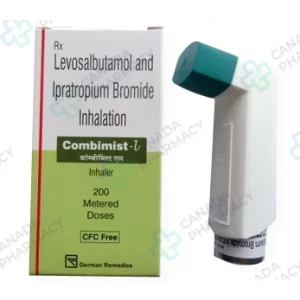
Combivent
Price range: $ 128,00 through $ 384,00
Active substance: albuterol, ipratropium
More Details
This product has multiple variants. The options may be chosen on the product page
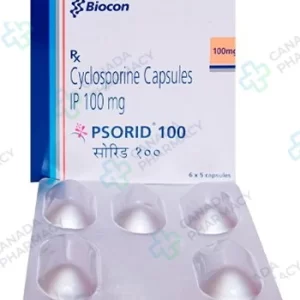
Cyclosporine
Price range: $ 43,00 through $ 216,00
Active substance: Cyclosporine
More Details
This product has multiple variants. The options may be chosen on the product page
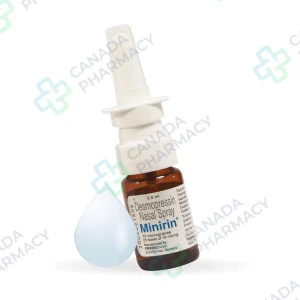
DDAVP spray
Price range: $ 64,00 through $ 412,00
Active substance: Desmopressin acetate
More Details
This product has multiple variants. The options may be chosen on the product page
Didronel
Price range: $ 57,00 through $ 136,00
Active substance: Etidronate
More Details
This product has multiple variants. The options may be chosen on the product page

Durex Feel Thin Condoms
Price range: $ 25,00 through $ 54,00
More Details
This product has multiple variants. The options may be chosen on the product page
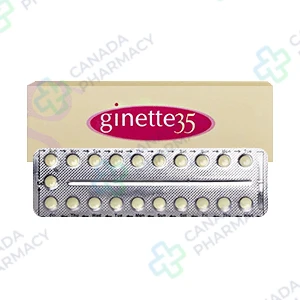
Ginette-35
Price range: $ 79,00 through $ 269,00
More Details
This product has multiple variants. The options may be chosen on the product page
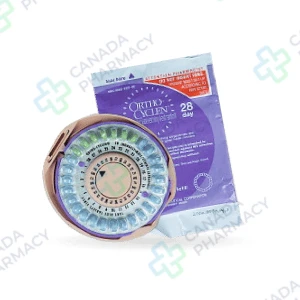
Ortho Tri-Cyclen
Price range: $ 28,00 through $ 56,00
Active substance: Ethinyl estradiol, Norgestimate
More Details
This product has multiple variants. The options may be chosen on the product page