-22%
Namenda
Price range: $ 42,00 through $ 174,00
Nutrolin-B Syrup
Price range: $ 19,00 through $ 45,00
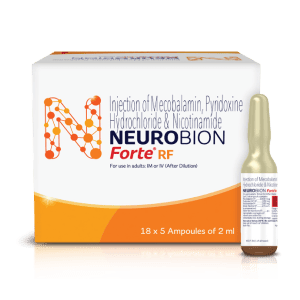
Neurobion Forte RF Injection
Price range: $ 19,00 through $ 21,00
Neurobion Forte RF Injection is a specialized vitamin B-complex formulation designed to support optimal nerve function and overall neurological health. This potent injectable solution combines essential vitamins B1, B6, and B12 to effectively target nutritional deficiencies that can impact the nervous system. It is primarily indicated for the treatment of conditions such as peripheral neuropathy, neuralgia, and neuritis, helping to alleviate symptoms like persistent numbness and tingling. By replenishing vital nutrients, the injection promotes the healthy regeneration of nerve fibers and improves overall nerve signal transmission. This fast-acting formula provides reliable support for individuals looking to manage nerve discomfort and maintain metabolic balance through concentrated vitamin therapy.
Delivery: 5–21 days (depending on the shipping method)
Extra 10% discount with coupon: IT4K6SVM
Each dosage option has its own packaging choices.
Description
Neurobion Forte RF Injection belongs to the class of parenteral vitamin B-complex formulations designed specifically for intramuscular administration. It is prescribed for the management and correction of severe B-vitamin deficiencies involving thiamine (vitamin B1), pyridoxine (vitamin B6), and cyanocobalamin (vitamin B12) when oral supplementation is insufficient or clinically unfeasible. In the United States, injectable neurotropic B-vitamin combinations are regulated as prescription medications dispensed in accordance with applicable federal and state regulations.
Parenteral delivery ensures high systemic bioavailability of essential neurotropic coenzymes, bypassing gastrointestinal absorption barriers to support cellular energy metabolism and peripheral nerve structural integrity. Patient therapy must be initiated, titrated, and monitored under the direct supervision of a licensed healthcare provider to ensure optimal therapeutic outcomes and minimize potential adverse events.
Clinical Profile and Administration
Key Information
| Parameter | Clinical Detail |
|---|---|
| Drug name | Neurobion Forte RF Injection |
| Active ingredients (INN) | Thiamine Hydrochloride, Pyridoxine Hydrochloride, Cyanocobalamin |
| Therapeutic class | Parenteral Vitamin B-Complex Combination |
| Dosage form | Solution for Injection |
| Route of administration | Deep Intramuscular (IM) Injection |
| Prescription status | Prescription required (Rx) |
Core Pharmacologic Characteristics
How the drug works
Neurobion Forte RF Injection acts by supplying three key neurotropic vitamins that function as vital coenzymes in cellular physiology. Thiamine hydrochloride is converted into thiamine pyrophosphate, an essential coenzyme required for carbohydrate metabolism, pyruvate decarboxylation, and neural energy generation. Pyridoxine hydrochloride is metabolized into pyridoxal phosphate, which serves as a coenzyme in amino acid metabolism, neurotransmitter synthesis (including gamma-aminobutyric acid and serotonin), and sphingolipid biosynthesis essential for myelin formation. Cyanocobalamin acts as a cofactor for methionine synthase and methylmalonyl-CoA mutase, supporting nucleic acid synthesis, red blood cell maturation, and structural preservation of the myelin sheath surrounding peripheral nerve fibers. Together, these active components synergistically promote metabolic nerve function and repair.
Main uses
This injectable formulation is primarily indicated for treating severe, clinically documented deficiencies of vitamins B1, B6, and B12 that cannot be effectively managed with oral therapy. Common clinical indications include peripheral neuropathy, alcoholic or diabetic neuritis, trigeminal neuralgia, sciatica, and cervical syndrome where rapid restoration of tissue vitamin concentrations is required. It is also utilized in patients with gastrointestinal malabsorption conditions, post-surgical states, or chronic debilitating illnesses where enteral nutrient uptake is severely impaired.
Dosing schedule
The dosing schedule for Neurobion Forte RF Injection is strictly determined by the prescribing physician based on the patient’s diagnostic profile, clinical severity, and laboratory parameters. In severe or acute cases, administration usually involves one injection daily or two to three times weekly during the initial phase of treatment. Once acute symptoms subside or parenteral saturation is achieved, dosing frequency is typically reduced or transitioned to oral maintenance therapy. The preparation must be administered exclusively via deep intramuscular injection into a large muscle mass by a trained medical professional using aseptic techniques.
What happens in the body
Following deep intramuscular administration, the active components are rapidly absorbed from the muscular vascular bed into systemic circulation. Thiamine is distributed across tissues, phosphorylated in erythrocytes and liver cells, and excreted renally as metabolic metabolites. Pyridoxine undergoes hepatic metabolism to form active pyridoxal phosphate, which binds heavily to plasma proteins, with excess amounts excreted via urine. Cyanocobalamin binds to specific plasma transport proteins (transcobalamins) and accumulates significantly in hepatic storage facilities before slow metabolic utilization and elimination via biliary and renal pathways. Metabolic clearance varies among individuals based on renal efficiency, metabolic state, and underlying liver function.
Safety, Interactions, and Patient Guidance
Safety Precautions and Adverse Effects
Before you take it
Prior to initiating treatment with Neurobion Forte RF Injection, healthcare providers must evaluate the patient for potential hypersensitivity to any component of the formulation. Parenteral thiamine administration carries a risk of severe hypersensitivity reactions, including anaphylaxis, particularly following repeated intravenous or intramuscular exposure. Caution is warranted in patients with severe renal impairment, hyperuricemia, or pre-existing cardiac conditions. Formulations containing benzyl alcohol as a preservative must not be administered to neonates or infants due to the risk of fatal toxicity known as gasping syndrome. Long-term administration of elevated doses of pyridoxine should be monitored carefully to prevent the onset of peripheral sensory neuropathy.
What side effects may occur
Adverse reactions associated with Neurobion Forte RF Injection can range from local tissue responses to systemic manifestations. Local side effects include transient injection site pain, erythema, induration, and burning sensation. Systemic reactions may involve mild gastrointestinal distress, transient nausea, dizziness, acneiform cutaneous eruptions, and diaphoresis. Hypersensitivity responses, though infrequent, include pruritus, urticaria, facial angioedema, respiratory distress, and anaphylactic shock. In rare clinical scenarios involving treatment of severe megaloblastic anemia with B12, rapid cellular uptake of potassium can trigger hypokalemia, requiring biochemical monitoring.
What not to combine
Neurobion Forte RF Injection exhibits clinically meaningful interactions with several pharmacologic agents. Pyridoxine can reverse or reduce the antiparkinsonian efficacy of levodopa when administered without a dopa-decarboxylase inhibitor like carbidopa. Concomitant use with altretamine may diminish antineoplastic therapeutic response. Loop diuretics, such as furosemide, increase renal excretion of thiamine, potentially reducing systemic tissue levels. Medications such as chloramphenicol, colchicine, and metformin can impair cyanocobalamin bioavailability or tissue utilization. Clinicians in tertiary settings, whether in Chicago or healthcare centers in Texas, carefully review drug profiles prior to co-administering these therapies.
Food and alcohol interactions
Excessive or chronic ethanol intake significantly impairs the intestinal absorption, hepatic conversion, and tissue storage of thiamine and pyridoxine, while accelerating metabolic degradation. Patients receiving parenteral B-complex therapy should eliminate or strictly limit alcohol consumption to optimize neurological recovery. While routine dietary intake does not interfere with intramuscular absorption, maintaining a balanced diet rich in essential nutrients supports overall metabolic and neurological rehabilitation.
When to get emergency care
Patients and caregivers must remain vigilant for red flag signs indicative of severe hypersensitivity or cardiovascular distress following administration. Immediate emergency medical assistance should be sought if any of the following signs appear:
- Swelling of the face, lips, tongue, or larynx
- Sudden difficulty breathing, wheezing, or severe throat tightness
- Chest tightness, fast, or irregular heartbeat
- Widespread severe skin rash, hives, or blistering
- Dizziness, lightheadedness, or sudden loss of consciousness
Special populations
The use of parenteral B-vitamin complexes during pregnancy and lactation must be guided by a strict clinical assessment where therapeutic benefit outweighs potential fetal or neonatal risks. High-dose pyridoxine supplementation during pregnancy should be carefully monitored. Geriatric patients frequently present with age-related decline in renal function, necessitating baseline biochemical evaluation and potential dose adjustment. Safety and effectiveness in pediatric populations depend heavily on formulation specificities, particularly regarding preservative content.
Storage and expiration
Neurobion Forte RF Injection must be stored under controlled refrigerated conditions, typically between 2°C and 8°C (36°F to 46°F), in its original outer carton to protect the light-sensitive active ingredients, specifically cyanocobalamin and thiamine. Do not freeze the product. Any ampoule or vial exhibiting discoloration, precipitation, or particulate matter must be discarded immediately. The drug must not be used beyond the expiration date clearly stamped on the secondary packaging.
Common Questions
Is an injectable B-complex formulation superior to oral tablets?
Injectable administration is not inherently “superior” for routine health maintenance, but it is clinically necessary when gastrointestinal absorption is severely compromised or when rapid, high-dose therapeutic saturation is required for acute neurological impairment. The parenteral route bypasses intestinal transport limits, ensuring immediate systemic bioavailability.
Can this injection be co-administered with Parkinson’s disease medications?
Patients taking levodopa monotherapy should avoid unmonitored administration of high-dose pyridoxine (vitamin B6), as it enhances peripheral decarboxylation of levodopa, reducing its central nervous system efficacy. However, if levodopa is combined with carbidopa, this interaction is significantly blunted, though prescriber review remains mandatory.
What actions should be taken if a scheduled injection dose is missed?
If a scheduled clinical appointment for an intramuscular injection is missed, the patient should contact their managing healthcare provider or clinic to reschedule as soon as practical. Patients should not attempt to double subsequent doses to compensate for a missed administration.
Is localized discomfort at the site of injection common?
Mild pain, transient tightness, or slight tenderness at the deep intramuscular injection site is a recognized local reaction. These symptoms typically resolve spontaneously within a few hours. If severe pain, localized warmth, swelling, or purulent discharge develops, medical evaluation for localized infection or hematoma is required.
How long does a course of parenteral treatment usually last?
The duration of injectable therapy is individualized according to the underlying diagnostic cause and symptom resolution. Initial acute treatment may span several days to a few weeks, after which the patient is commonly transitioned to an oral vitamin B maintenance regimen once serum levels stabilize and clinical response is verified.
This text is for informational purposes only and does not constitute individual medical advice. In accordance with FDA requirements.
Additional information
| Dosage |
1000 mcg + 100 mg + 100 mg 2 ml |
|---|---|
| Package |
5 ampoule ,7 ampoule |
| Active Ingredient |
Mecobalamin, Pyridoxine Hydrochloride, Nicotinamide |
Related products
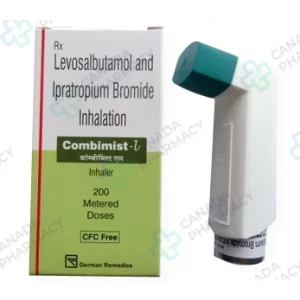
Combivent
Price range: $ 128,00 through $ 384,00
Active substance: albuterol, ipratropium
More Details
This product has multiple variants. The options may be chosen on the product page
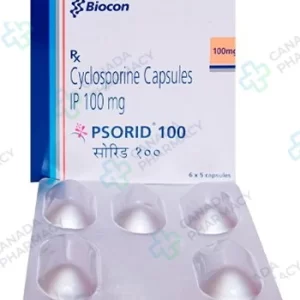
Cyclosporine
Price range: $ 43,00 through $ 216,00
Active substance: Cyclosporine
More Details
This product has multiple variants. The options may be chosen on the product page
Deflazacort
Price range: $ 18,00 through $ 170,00
Active substance: Deflazacort
More Details
This product has multiple variants. The options may be chosen on the product page
Ethionamide
Price range: $ 49,00 through $ 172,00
Active substance: Ethionamide
More Details
This product has multiple variants. The options may be chosen on the product page
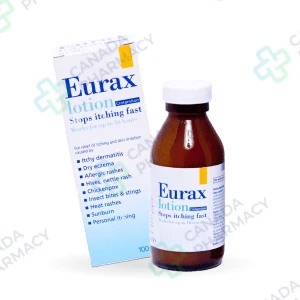
Eurax Lotion
Price range: $ 3,00 through $ 15,00
Active substance: Crotamiton
More Details
This product has multiple variants. The options may be chosen on the product page
Folic Acid
Price range: $ 6,00 through $ 18,00
Active substance: Folic Acid
More Details
This product has multiple variants. The options may be chosen on the product page

Limcee
Price range: $ 21,00 through $ 39,00
Active substance: Ascorbic Acid
More Details
This product has multiple variants. The options may be chosen on the product page