

-9%
Lida daidaihua
Price range: $ 52,00 through $ 171,00
Lincocin
Price range: $ 75,00 through $ 1 080,00
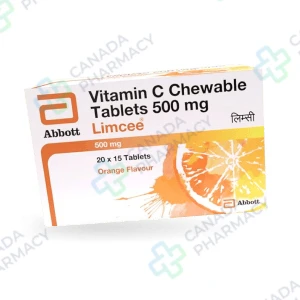
Limcee
Price range: $ 21,00 through $ 39,00
Limcee is a high-quality nutritional supplement containing 500 mg of Ascorbic Acid, commonly known as Vitamin C. These chewable tablets are specifically designed to effectively treat and prevent Vitamin C deficiency in the body. Regular intake helps bolster the immune system, providing an essential defense against seasonal ailments and oxidative stress. The active ingredient plays a vital role in collagen synthesis, promoting healthy skin, strong blood vessels, and efficient tissue repair. With its pleasant flavor, Limcee offers a convenient and reliable way to maintain optimal daily health and overall well-being.
Active substance: Ascorbic Acid
Delivery: 5–21 days (depending on the shipping method)
Extra 10% discount with coupon: IT4K6SVM
Each dosage option has its own packaging choices.
Description
Limcee belongs to the class of essential nutritional supplements and water-soluble vitamins containing ascorbic acid. It is utilized primarily for the prevention and treatment of vitamin C deficiency when dietary intake is insufficient to meet baseline physiological requirements.
As a dietary source of vitamin C, this formulation is available over-the-counter in accordance with standard regulations for oral nutritional supplements. Proper administration relies on recognizing recommended daily limits to optimize physiological bioavailability and avoid gastrointestinal irritation.
Key Medical Overview
| Property | Specification |
|---|---|
| Drug name | Limcee |
| Active ingredient | Ascorbic Acid (Vitamin C) |
| Primary purpose | Prevention and treatment of vitamin C deficiency (scurvy) |
| Route of administration | Oral (chewable tablet) |
| Prescription status | Over-the-counter (OTC) / Dietary Supplement |
| Storage requirements | Store below 25°C (77°F) away from moisture and light |
How the drug works
Ascorbic acid serves as an essential biological electron donor and water-soluble antioxidant in human metabolic pathways. The physiological mechanism of action involves functioning as a co-factor for crucial enzymatic reactions, including the hydroxylation of proline and lysine residues during collagen biosynthesis. Collagen synthesis is necessary for structural integrity within blood vessels, skin, tendons, cartilage, and bone tissues. Furthermore, ascorbic acid participates in the synthesis of carnitine, catecholamines, and peptide hormones, while facilitating the conversion of folic acid to folinic acid. As a potent free radical scavenger, it protects cellular structures, proteins, lipids, and nucleic acids from oxidative damage associated with normal metabolic processes and environmental stressors.
Main uses
This product is indicated primarily for the clinical management and prophylaxis of ascorbic acid deficiency syndromes, most notably scurvy. Scurvy manifests with symptoms such as perifollicular hemorrhages, swollen or bleeding gums, impaired wound healing, petechiae, fatigue, and joint pain resulting from defective collagen cross-linking. In addition, ascorbic acid supplementation is utilized in clinical settings to increase urine acidification, which can enhance the urinary clearance of certain basic drugs or complement treatment for specific urinary tract conditions. It is also indicated as an adjunctive therapeutic measure during states of elevated metabolic demand, such as severe burns, major trauma, extensive surgical recovery, or chronic systemic infections where endogenous tissue depletion occurs rapidly.
What happens in the body
Following oral administration, ascorbic acid is readily absorbed across the mucosal lining of the gastrointestinal tract, predominantly in the upper small intestine through sodium-dependent active transport mechanisms. The intestinal absorption efficiency is saturable and dose-dependent; bioavailability approaches 70% to 90% at standard dietary doses (30 mg to 180 mg daily), but decreases substantially at single doses exceeding 1000 mg (1 gram), as excess unabsorbed vitamin remains in the lumen. Ascorbic acid is widely distributed throughout body tissues, achieving particularly high cellular concentrations in the adrenal glands, pituitary gland, eye lenses, leukocytes, and brain tissue. Plasma protein binding is minimal (approximately 25%). Metabolic degradation occurs in the liver via conversion to dehydroascorbic acid, oxalic acid, and diketogulonic acid. Unmetabolized ascorbic acid and its metabolic byproducts are eliminated primarily by glomerular filtration in the kidneys, with tubular reabsorption occurring when plasma concentrations fall below the renal threshold of approximately 1.5 mg/dL.
Dosing schedule
Dosing mandates careful alignment with specific therapeutic objectives and age-related physiological criteria. For simple nutritional supplementation or maintenance, standard daily oral intake ranges from 50 mg to 100 mg per day. In cases of diagnosed clinical scurvy or pronounced deficiency states, therapeutic regimens typically require 300 mg to 1000 mg daily administered in divided doses over several weeks until tissue stores are replenished. Chewable formulations should be thoroughly chewed before swallowing rather than ingested whole, followed by a glass of water. Intake should not exceed the established Tolerable Upper Intake Level (UL) of 2000 mg (2 grams) per day for adults, as chronic high-dose administration increases the risk of adverse renal and metabolic complications. Dosing schedules for pediatric patients or individuals with renal impairment must be established directly by a healthcare professional.
What to avoid while taking it
Co-administration with heavy alcohol consumption should be avoided, as chronic alcohol intake impairs intestinal active transport mechanisms, thereby reducing oral bioavailability and increasing urinary excretion of ascorbic acid. While ascorbic acid can be ingested with or without food, taking chewable tablets alongside meals or full glasses of water can reduce localized gastric irritation. Individuals undergoing routine blood glucose testing should exercise caution, as elevated intestinal or systemic vitamin C concentrations can interfere with redox-based glucose reagent strips, leading to false elevation or suppression of readings.
Special populations
During pregnancy and lactation, vitamin C requirements increase slightly to support fetal tissue growth and maternal milk secretion; however, daily intake should remain within established recommended dietary allowances unless medically directed, as excessive fetal exposure may lead to rebound scurvy in newborns. Elderly patients generally tolerate standard oral dosages well, though age-related declines in renal function necessitate monitoring if high-dose therapy is undertaken. Pediatric administration requires dose adjustments calculated on body weight and pediatric nutritional standards.
Compatibility with other medicines
Ascorbic acid exhibits clinically relevant pharmacological interactions with several drug classes. Concomitant administration with oral iron preparations enhances non-heme iron absorption in the gastrointestinal tract by maintaining iron in its reduced ferrous (Fe2+) state, which is beneficial for anemia treatment but requires oversight in patients with iron overload conditions such as hemochromatosis. High doses of ascorbic acid can shorten the half-life of oral anticoagulants like warfarin by altering hepatic protein synthesis or clearance, requiring routine monitoring of International Normalized Ratio (INR) levels. Co-administration with aluminum-based antacids may increase systemic aluminum absorption, presenting toxicity risks in individuals with compromised renal excretion. Furthermore, concurrent intake of high-dose aspirin or nonsteroidal anti-inflammatory drugs (NSAIDs) can decrease cellular uptake and elevate urinary excretion of ascorbic acid.
Adverse reactions
Ascorbic acid is generally well tolerated when taken within recommended dosage guidelines. Gastrointestinal adverse effects are the most commonly reported reactions, particularly following oral doses exceeding 1000 mg to 2000 mg daily. These symptoms include abdominal cramps, nausea, diarrhea, heartburn, and osmotic gastric distress caused by unabsorbed ascorbic acid remaining in the bowel lumen. Central nervous system complaints such as mild headache, insomnia, or dizziness occur infrequently. Prolonged chewable tablet contact with teeth can cause erosion of dental enamel due to the acidic pH of ascorbic acid. Hyperoxaluria and the subsequent formation of calcium oxalate renal calculi constitute serious adverse outcomes associated with long-term, high-dose administration, especially in susceptible individuals.
Before you take it
Prior to initiating ascorbic acid supplementation, several medical conditions require careful evaluation. Individuals with glucose-6-phosphate dehydrogenase (G6PD) deficiency must exercise extreme caution, as high intravenous or high-dose oral supplementation can precipitate hemolytic anemia. Patients with a history of recurrent renal calculi or hyperoxaluria should avoid daily supplementation exceeding baseline dietary requirements, given that oxalate is a principal metabolic end-product of ascorbic acid degradation. Caution is also warranted in patients diagnosed with iron overload disorders, such as thalassaemia or hemochromatosis, because enhanced gastrointestinal iron absorption can exacerbate tissue iron deposition and toxicity. Routine dental care is recommended for individuals using chewable forms long-term to prevent localized acidic enamel erosion.
If you skip a dose
If a regular daily dose is omitted, take the missed dose as soon as it is remembered on that day. However, if it is nearly time for the subsequent scheduled dose, omit the missed tablet entirely and maintain the regular dosing schedule. Double doses or extra tablets should never be taken simultaneously to compensate for a missed dose, as acute excess oral intake can trigger localized gastrointestinal distress without providing added therapeutic absorption benefit.
Storage and expiration
Ascorbic acid preparations are sensitive to environmental oxidation, heat, light, and moisture. Store the product in its original tightly closed container at controlled room temperature between 15°C and 25°C (59°F to 77°F). Protect the tablets from direct sunlight, excessive heat, and high humidity environments such as bathroom cabinets. Do not use the medication beyond the expiration date stamped on the packaging, as degraded ascorbic acid undergoes chemical breakdown, losing potency and potentially causing discoloration.
Common questions
Can taking high doses of Limcee lead to kidney stones?
High doses of ascorbic acid, particularly amounts exceeding 1000 mg to 2000 mg daily over prolonged periods, significantly increase urinary oxalate excretion. Oxalate is a major metabolic breakdown product of ascorbic acid. In individuals predisposed to renal stone formation, elevated urinary oxalate levels favor the crystallization of calcium oxalate, increasing the risk of nephrolithiasis. Patients with a clinical history of hyperoxaluria or recurrent kidney stones should limit daily intake to recommended dietary allowances.
Does ascorbic acid interfere with glucose blood test readings?
Ascorbic acid is a powerful reducing agent that can interfere with specific chemical reactions used in laboratory and home diagnostic testing. High blood concentrations of vitamin C can cause false-positive or false-negative results in glucose reagent strips, blood glucose meters, and occult blood stool tests that rely on oxidation-reduction reactions. Patients using blood glucose monitors should verify manufacturer specifications or consult healthcare providers regarding timing between supplementation and testing.
What should be done if stomach discomfort occurs during administration?
Gastrointestinal symptoms such as mild stomach cramping, acidity, or diarrhea are usually dose-dependent and related to unabsorbed ascorbic acid in the intestine. If gastric discomfort occurs, reducing the single dose, taking the tablet immediately after a meal, or splitting the total daily dose into smaller portions throughout the day often alleviates symptoms. If severe abdominal pain or persistent diarrhea continues, administration should be stopped and a healthcare professional consulted.
How does ascorbic acid affect iron absorption from dietary sources?
Ascorbic acid significantly enhances the gastrointestinal absorption of non-heme iron (the form of iron found in plant-based foods and synthetic supplements). It achieves this by reducing ferric iron (Fe3+) to the more soluble ferrous iron (Fe2+) state and forming stable chelate complexes that remain soluble in the alkaline environment of the duodenum. While beneficial for individuals managing iron-deficiency anemia, patients with conditions involving tissue iron overload, such as hemochromatosis, must monitor intake closely.
Is daily continuous administration necessary for healthy individuals?
For healthy individuals consuming a balanced diet rich in fresh fruits and vegetables, daily high-dose supplementation is generally unnecessary because nutritional requirements are adequately met through food sources alone. The body maintains a regulated tissue pool of vitamin C, and amounts ingested beyond saturation limits are rapidly excreted in the urine. Daily supplemental therapy is primarily warranted during dietary insufficiency, diagnosed clinical deficiency, or specific medical conditions characterized by increased metabolic utilization.
In accordance with FDA requirements.
This text is for informational purposes only and does not constitute individual medical advice.
Additional information
| Dosage |
500 mg |
|---|---|
| Package |
150 tabs ,300 tabs |
| Ενεργός Ουσία |
Related products
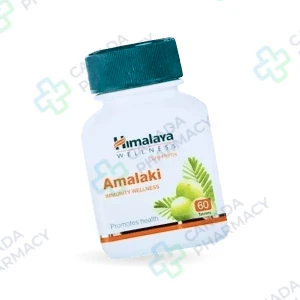
Amalaki
Price range: $ 42,00 through $ 72,00
Active substance: Amalaki (Emblica officinalis) Extract
More Details
This product has multiple variants. The options may be chosen on the product page
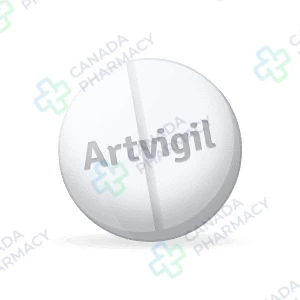
Artvigil
Price range: $ 65,00 through $ 398,00
Active substance: Armodafinil
More Details
This product has multiple variants. The options may be chosen on the product page
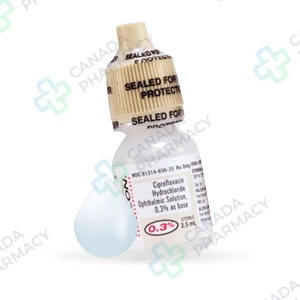
Ciprodex Ophthalmic Solution
Price range: $ 63,00 through $ 95,00
Active substance: Ciprofloxacin, Dexamethasone
More Details
This product has multiple variants. The options may be chosen on the product page
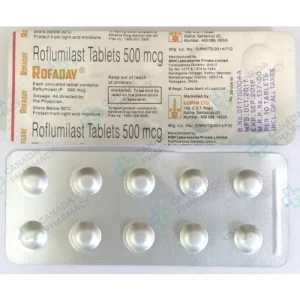
Daliresp
Price range: $ 68,00 through $ 220,00
Active substance: Roflumilast
More Details
This product has multiple variants. The options may be chosen on the product page
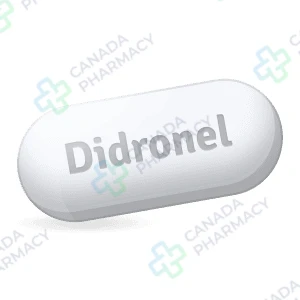
Didronel
Price range: $ 57,00 through $ 136,00
Active substance: Etidronate
More Details
This product has multiple variants. The options may be chosen on the product page
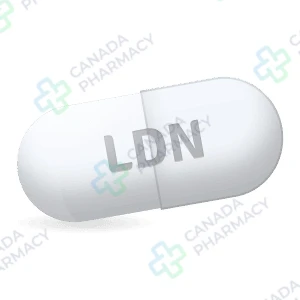
LDN
Price range: $ 81,00 through $ 266,00
Active substance: Naltrexone
More Details
This product has multiple variants. The options may be chosen on the product page
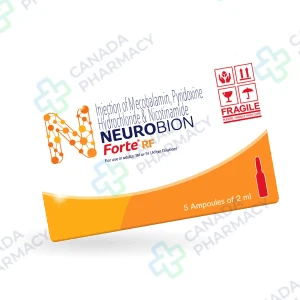
Neurobion Forte Injection
Price range: $ 24,00 through $ 43,00
More Details
This product has multiple variants. The options may be chosen on the product page