-46%
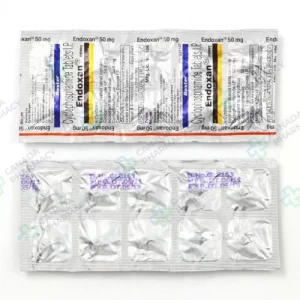
Cytoxan
Price range: $ 51,00 through $ 420,00
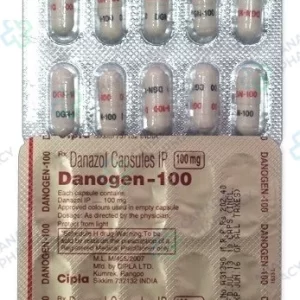
Danazol
Price range: $ 62,00 through $ 480,00
Daliresp
Price range: $ 68,00 through $ 220,00
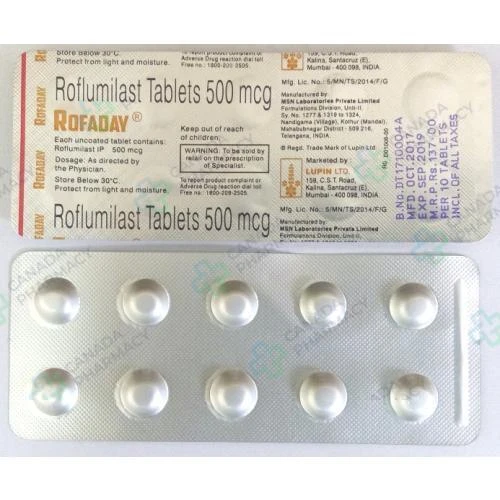
Daliresp is a specialized medication designed to reduce the risk of flare-ups in patients with severe chronic obstructive pulmonary disease (COPD). As a selective phosphodiesterase-4 (PDE4) inhibitor, it works by targeting and decreasing inflammation within the airways. This treatment is specifically indicated for individuals suffering from chronic bronchitis associated with a history of frequent exacerbations. By helping to keep the lungs clearer, it assists in maintaining more consistent respiratory function over time. Available in convenient oral tablet form, Daliresp serves as a long-term maintenance therapy to improve daily life for those managing chronic lung conditions.
Active substance: Roflumilast
Delivery: 5–21 days (depending on the shipping method)
Extra 10% discount with coupon: IT4K6SVM
Each dosage option has its own packaging choices.
Description
Daliresp belongs to a class of medications known as phosphodiesterase-4 (PDE4) inhibitors. It is prescribed under federal regulations as an add-on oral maintenance treatment to reduce the risk of chronic obstructive pulmonary disease (COPD) exacerbations in adult patients with severe COPD associated with chronic bronchitis and a history of exacerbations.
As a prescription-only therapy approved by the U.S. Food and Drug Administration (FDA), Daliresp is not indicated for the relief of acute bronchospasm or sudden breathing difficulties. Successful management requires daily administration as directed by a healthcare professional, alongside appropriate bronchodilator therapies.
| Parameter | Details |
|---|---|
| Active ingredient (INN) | Roflumilast |
| Therapeutic class | Phosphodiesterase-4 (PDE4) inhibitor |
| Dosage form | Oral tablet (250 mcg, 500 mcg) |
| Primary purpose | Reduction of COPD exacerbation risk |
| Route of administration | Oral |
| Prescription status | Prescription drug (Rx) |
General Clinical Description
Pharmacological Profile and Properties
How the drug works: Daliresp contains roflumilast, a non-steroid, selective inhibitor of the phosphodiesterase-4 (PDE4) enzyme. PDE4 is an enzyme predominant in inflammatory cells relevant to the pathogenesis of COPD, including neutrophils, macrophages, and CD8+ T-lymphocytes. By inhibiting PDE4, roflumilast prevents the breakdown of intracellular cyclic adenosine monophosphate (cAMP), leading to elevated cAMP levels within pulmonary inflammatory cells. This intracellular accumulation suppresses the synthesis and release of pro-inflammatory mediators, cytokines, and reactive oxygen species. Consequently, the drug reduces localized airway inflammation and decreases systemic inflammatory markers. Unlike short-acting or long-acting inhaled bronchodilators, roflumilast does not exert direct smooth muscle relaxation or immediate bronchodilation.
What happens in the body: Following oral administration, roflumilast is rapidly and almost completely absorbed, reaching peak plasma concentrations within approximately one hour under fasted conditions. Absolute bioavailability is estimated at 60%. Plasma protein binding of roflumilast and its primary active metabolite, roflumilast N-oxide, is high, reaching approximately 99% and 97%, respectively. Roflumilast undergoes extensive hepatic metabolism primarily mediated by cytochrome P450 isoenzymes, specifically CYP3A4 and CYP1A2. The major active metabolite, roflumilast N-oxide, is responsible for the majority of the overall in vivo PDE4 inhibitory activity. The plasma elimination half-life of parent roflumilast averages approximately 17 hours, whereas the half-life of the active N-oxide metabolite is approximately 30 hours. Steady-state concentrations are achieved within approximately 4 days for roflumilast and 6 days for roflumilast N-oxide.
Indications and Dosage Guidance
Main uses: Daliresp is specifically indicated as a maintenance treatment to reduce the frequency and severity of COPD exacerbations in adult patients with severe COPD associated with chronic bronchitis and a documented history of frequent exacerbations. Clinical trial evidence confirms that roflumilast provides incremental risk reduction when added to standard long-acting bronchodilator regimens, such as long-acting beta-agonists (LABA) or long-acting muscarinic antagonists (LAMA). Daliresp is not indicated for the treatment of asthma, nor is it approved for relieving acute episodes of bronchospasm. Usage is restricted to chronic maintenance therapy under appropriate medical supervision in accordance with federal prescription requirements.
How to take it: The standard maintenance dosage of Daliresp is one 500 microgram (mcg) tablet taken orally once daily, with or without food. To improve gastrointestinal tolerability during initiation, therapy may begin at a starting dose of 250 mcg once daily for the first 4 weeks, followed by an increase to the target maintenance dose of 500 mcg once daily. Tablets must be swallowed whole with water and should not be crushed, chewed, or split. Patients should establish a consistent daily routine, taking the tablet at approximately the same time each day. It is essential to maintain daily therapy continuously, even during periods when respiratory symptoms appear stable or improved.
If you skip a dose: If a scheduled dose of Daliresp is missed, the patient should take the next tablet at the regular scheduled time on the following day. Double doses should not be taken to make up for a missed dose. Patients should maintain their standard daily routine without doubling the quantity of medication in a single 24-hour period.
Safety Information and Interactions
Precautions and Adverse Effects
Adverse reactions: Clinical trials and post-marketing surveillance report that the most common adverse reactions associated with Daliresp include diarrhea, nausea, weight decrease, headache, back pain, flu-like symptoms, insomnia, and decreased appetite. Weight loss is a characteristic feature of PDE4 inhibitor therapy; patients should have their body weight monitored regularly throughout treatment. Significant or progressive weight loss may require discontinuation of the medication. Gastrointestinal side effects predominantly occur within the first few weeks of starting therapy and frequently diminish over time. Severe adverse reactions requiring clinical monitoring include new or worsening psychiatric symptoms, such as severe anxiety, depression, and suicidal thoughts or behavior.
Important precautions: Daliresp is contraindicated in patients with moderate to severe hepatic impairment classified as Child-Pugh Class B or C due to altered drug clearance and increased systemic exposure. Healthcare providers should carefully weigh the risks and benefits before prescribing roflumilast to patients with a history of depression, suicidal ideation, or underlying psychiatric conditions. Regular clinical assessment is recommended for monitoring psychiatric stability and body weight. Daliresp is classified as a prescription medication and must be evaluated for safety in individual patient populations, including nursing mothers and pregnant individuals, where clinical data remain limited.
Compatibility with other medicines: Co-administration of Daliresp with strong cytochrome P450 enzyme inducers–such as rifampin, carbamazepine, phenobarbital, and phenytoin–significantly reduces systemic exposure to roflumilast and its active metabolite, potentially compromising therapeutic efficacy. Consequently, co-administration with strong CYP450 inducers is not recommended. Conversely, concomitant administration with strong CYP3A4 or dual CYP3A4/CYP1A2 inhibitors (such as fluvoxamine, ketoconazole, erythromycin, or enoxacin) increases systemic drug exposure and may elevate the incidence and severity of adverse effects. Prescribers should carefully review all concurrent medications, including non-prescription products and botanical supplements, before initiating roflumilast.
What to avoid while taking it: Daliresp may be taken without regard to meals, as food intake does not significantly affect overall systemic exposure. However, high-fat meals may slightly delay the rate of absorption without altering total bioavailability. Patients should exercise caution with excessive alcohol consumption, as alcohol may potentiate central nervous system side effects such as headache, dizziness, or insomnia. Patients should also avoid initiating strong herbal CYP3A4 inducers, such as St. John’s Wort, without consulting their prescribing clinician, as these substances can reduce serum concentration of active drug entities.
Practical tips: Patients initiating Daliresp therapy are advised to maintain a routine log tracking body weight at baseline and at regular intervals, such as monthly. Establishing a set daily schedule–for instance, taking the tablet every morning with breakfast–promotes compliance and minimizes missed doses. If gastrointestinal side effects such as mild nausea or diarrhea occur during early weeks of treatment, taking the tablet with food may improve initial comfort, although symptoms typically resolve as the body adapts to therapy. Patients should communicate any persistent or bothersome symptoms to their treating physician.
Storage and expiration: Daliresp tablets should be stored at controlled room temperature between 20°C and 25°C (68°F to 77°F), with excursions permitted between 15°C and 30°C (59°F to 86°F) in accordance with USP controlled room temperature guidelines. Protect the tablets from excessive moisture and heat. Keep the medication in its original packaging until administration. Discard any unused or expired medication in accordance with local environmental regulations and state pharmacy guidelines, keeping all medicines safely out of reach of children and domestic pets.
Frequently Asked Questions
Is Daliresp considered a bronchodilator for acute asthma or COPD attacks? No. Daliresp is an oral phosphodiesterase-4 (PDE4) inhibitor with anti-inflammatory properties; it does not relax airway smooth muscle directly and has no immediate bronchodilatory action. It is prescribed strictly as a long-term maintenance drug to reduce the frequency of future COPD exacerbations and should never be used as a rescue medication for acute respiratory distress.
What should be done if progressive weight loss occurs while taking Daliresp? Patients taking Daliresp should have their body weight checked regularly by a healthcare provider. If progressive or clinically significant weight loss occurs, the clinician will evaluate the patient’s nutritional status and determine whether continuing Daliresp therapy is clinically appropriate or if discontinuation is warranted.
Can Daliresp be taken concurrently with strong CYP3A4 enzyme inducers? Co-administration with strong CYP3A4 inducers (such as rifampin, carbamazepine, or phenytoin) is generally not recommended. These agents accelerate the metabolic clearance of roflumilast and its active N-oxide metabolite, substantially lowering plasma concentrations and reducing therapeutic efficacy.
How does Daliresp affect mood or psychiatric status in patients? Daliresp has been associated with an increased risk of psychiatric adverse events, including insomnia, anxiety, new or worsening depression, and suicidal ideation. Healthcare providers perform baseline assessments and require prompt reporting of any emerging mood changes or unusual behavioral symptoms during treatment.
Is dose adjustment necessary for patients with hepatic impairment? Daliresp is contraindicated in patients with moderate to severe hepatic impairment (Child-Pugh Class B or C) because compromised liver function impairs drug metabolism, leading to elevated systemic drug levels and heightened risk of toxicity.
This text is for informational purposes only and does not constitute individual medical advice.
In accordance with FDA requirements.
Additional information
| Dosage |
500 mg |
|---|---|
| Package |
30 tabs ,60 tabs ,90 tabs ,120 tabs ,180 tabs |
| Ενεργός Ουσία |
Related products
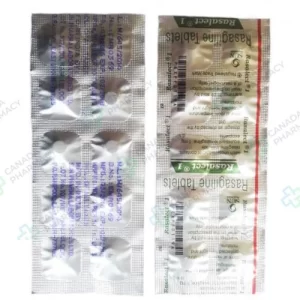
Azilect
Price range: $ 17,00 through $ 46,00
Active substance: Rasagiline
More Details
This product has multiple variants. The options may be chosen on the product page
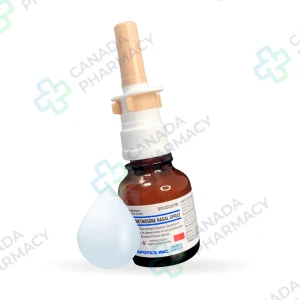
Beclamethasone
Price range: $ 60,00 through $ 205,00
Active substance: Beclomethasone Dipropionate
More Details
This product has multiple variants. The options may be chosen on the product page
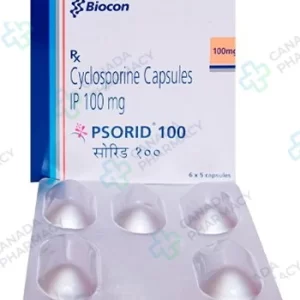
Cyclosporine
Price range: $ 43,00 through $ 216,00
Active substance: Cyclosporine
More Details
This product has multiple variants. The options may be chosen on the product page

Deflazacort
Price range: $ 18,00 through $ 170,00
Active substance: Deflazacort
More Details
This product has multiple variants. The options may be chosen on the product page
Didronel
Price range: $ 57,00 through $ 136,00
Active substance: Etidronate
More Details
This product has multiple variants. The options may be chosen on the product page
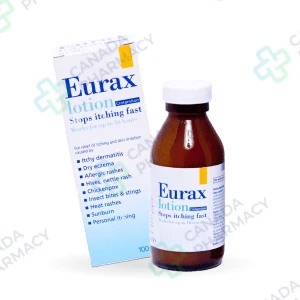
Eurax Lotion
Price range: $ 3,00 through $ 15,00
Active substance: Crotamiton
More Details
This product has multiple variants. The options may be chosen on the product page
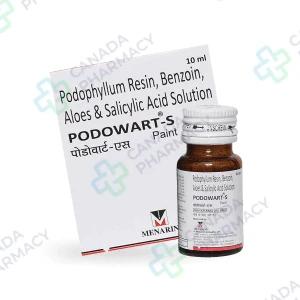
Imusporin
Price range: $ 117,00 through $ 535,00
Active substance: Cyclosporine
More Details
This product has multiple variants. The options may be chosen on the product page