

-20%
Aldactone
Price range: $ 33,00 through $ 345,00
Alesse
Price range: $ 65,00 through $ 208,00
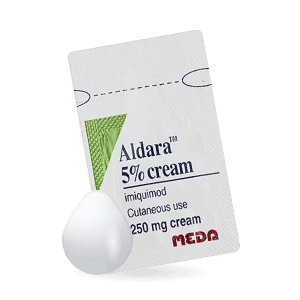
Aldara Cream
Price range: $ 224,00 through $ 1 440,00
Aldara Cream is a potent topical immune response modifier designed to treat specific skin conditions by stimulating the body’s natural defenses. It is widely utilized for the treatment of actinic keratosis, a condition involving rough, scaly patches on the skin caused by years of sun exposure. The cream is also effective in managing superficial basal cell carcinoma, a common form of skin cancer, when localized treatment is required. Additionally, Aldara is indicated for the external treatment of genital and perianal warts caused by the human papillomavirus. This targeted therapy works directly at the site of application to help clear lesions and promote a healthier skin appearance.
Delivery: 5–21 days (depending on the shipping method)
Extra 10% discount with coupon: IT4K6SVM
Each dosage option has its own packaging choices.
Description
Aldara belongs to a class of topical medications known as immune response modifiers, formulated with the active ingredient imiquimod at a 5% concentration. In the United States, this medication is dispensed by prescription only under FDA regulations for specific dermatological conditions, including actinic keratosis, superficial basal cell carcinoma, and external genital warts.
Proper utilization requires strict adherence to prescribed application schedules, as dosing frequency and treatment duration vary significantly depending on the underlying condition being treated. Patients must receive explicit clinical guidance regarding application protocols to ensure both safety and therapeutic efficacy.
| Parameter | Details |
|---|---|
| Drug name | Aldara |
| Active ingredient (INN) | Imiquimod (5%) |
| Therapeutic class | Immune response modifier |
| Dosage form | Topical cream (single-use packets) |
| Route of administration | Topical |
| Prescription status | Prescription (Rx only) |
Clinical Overview and Pharmacologic Profile
How the drug works
Aldara functions as an immune response modifier rather than a direct cytotoxic agent. Its primary mechanism involves acting as an agonist at Toll-like receptor 7 (TLR7) located on antigen-presenting immune cells. Binding to TLR7 activates signaling cascades within the innate immune system, stimulating the synthesis and release of potent endogenous cytokines, including interferon-alpha (IFN-α), tumor necrosis factor-alpha (TNF-α), and various interleukins (such as IL-1, IL-6, and IL-12). These cytokines recruit and activate cell-mediated immune responses, triggering T-helper 1 (Th1) pathways. This localized immune response enables the patient’s immune system to target and eliminate abnormal epithelial cells or viral structures associated with specific dermatological lesions.
Main uses
Aldara cream is indicated for three primary FDA-approved clinical conditions in immunocompetent patients. First, it is prescribed for the topical treatment of clinically typical, nonhyperkeratotic, nonhypertrophic actinic keratosis (AK) on the face or scalp. Second, it is indicated for the treatment of biopsy-confirmed superficial basal cell carcinoma (sBCC) when surgical resection is clinically deemed less appropriate, and lesions are situated on the trunk, neck, or extremities (excluding the face). Third, Aldara is approved for the treatment of external genital and perianal warts (condyloma acuminata) in patients aged 12 years and older. Any clinical application outside these specified parameters, such as treatment for molluscum contagiosum or intraepithelial lesions, is considered an off-label use and must be explicitly evaluated by a prescribing healthcare provider.
How it’s absorbed and eliminated: Percutaneous absorption of imiquimod following topical application of Aldara cream is minimal. Quantitative pharmacokinetic studies demonstrate that less than 0.9% of a topically applied dose is absorbed systemically in adult patients across approved indications. Peak serum concentration levels remain low, often near or below the lower limit of quantification. Because systemic bioavailability is exceedingly small, systemic accumulation is minimal during extended dosing schedules. The trace amounts of imiquimod that enter systemic circulation are eliminated primarily through renal and biliary clearance mechanisms.
Compatibility with other medicines: Formal drug interaction studies with systemically administered agents have not been extensively conducted due to the minimal percutaneous absorption of imiquimod. However, caution is advised when co-administering other topical skin treatments to the same anatomical site. Concomitant use of Aldara with other topical agents, such as fluorouracil, topical retinoids, or prescription corticosteroids, may exacerbate severe skin irritation or impair the therapeutic efficacy of imiquimod. Systemic immunosuppressive therapies may theoretically attenuate the immune-modifying mechanism of Aldara cream. Patients should refrain from combining multiple topical products on the treated skin area without explicit medical authorization.
Administration, Safety, and Common Questions
Dosing schedule
Application protocols for Aldara cream vary depending on the diagnosis. For actinic keratosis, the cream is applied 2 times per week (such as Monday and Thursday, or Tuesday and Friday) for a full 16-week course. For superficial basal cell carcinoma, application occurs 5 times per week (typically Monday through Friday) for 6 consecutive weeks. For external genital and perianal warts, the recommended schedule is 3 times per week (e.g., Monday, Wednesday, Friday) until total lesion clearance is achieved or for a maximum of 16 weeks. Patients should apply a thin layer to the target area prior to normal sleeping hours and leave the cream on the skin for approximately 8 hours for AK and sBCC, or 6 to 10 hours for genital warts, before washing off with mild soap and water. Single-use packets contain sufficient cream to cover a treatment area of up to 20 cm² and must be discarded immediately after a single application.
Adverse reactions
Local skin reactions represent the most frequent adverse events associated with Aldara cream and are directly related to its immune-stimulating mechanism. Common localized reactions include erythema, edema, scabbing, flaking, erosion, ulceration, weeping, and localized burning or itching. In clinical trials, the intensity of skin reactions often correlates with therapeutic response. Systemic adverse reactions may also occur, including flu-like symptoms such as fatigue, low-grade fever, headache, myalgia, and arthralgia. If local skin reactions become severe or cause marked patient discomfort, a temporary treatment interruption (“rest period”) of several days may be implemented under medical supervision before resuming the established dosing schedule.
Important precautions: Aldara cream should not be used on unhealed skin following previous surgical or medical procedures. Exposure to natural or artificial sunlight, including sunlamps and tanning beds, must be avoided or minimized during therapy due to heightened photosensitivity; patients should utilize protective clothing and broad-spectrum sunscreens when outdoors. Aldara must not be applied inside mucosal passages, including the vagina, urethra, or rectum, or near the eyes and lips. The safety and effectiveness of Aldara have not been established in immunocompromised patients, such as organ transplant recipients or individuals receiving systemic immunosuppressive agents. Pediatric safety has not been established for actinic keratosis or superficial basal cell carcinoma, and use for genital warts is restricted to patients 12 years of age and older.
First days of treatment: During the initial days to weeks of therapy, patients frequently observe localized inflammatory changes at the application site. Redness, mild swelling, and surface scaling typically appear as the local immune system recognizes and responds to cellular targets. These physiological reactions are expected components of treatment activation. Patients should not discontinue therapy prematurely upon noticing mild-to-moderate erythema, as maximum immune stimulation often develops between the second and fourth weeks of treatment.
What to avoid while taking it: While topical imiquimod exhibits negligible systemic interactions with dietary components, patients should avoid applying harsh chemical cleansers, alcohol-based astringents, or abrasive exfoliants to the treated skin. Alcohol consumption does not directly alter the pharmacological action of topical imiquimod, but excessive intake may impair general skin healing mechanisms. Additionally, patients treating genital warts should avoid using occlusive dressings over the application area unless directed by a physician.
Special populations: The use of Aldara cream during pregnancy should be considered only if the potential benefit justifies the potential risk to the fetus, as adequate clinical studies in pregnant women are limited. It is unknown whether topically applied imiquimod is excreted in human milk; caution should be exercised when administered to a nursing mother. Clinical studies of Aldara in geriatric patients demonstrated no overall differences in safety or effectiveness compared to younger adult subjects, though age-related skin fragility warrants careful monitoring during application.
Storage and expiration: Aldara cream must be stored at controlled room temperature between 59°F and 77°F (15°C to 25°C). Excursions are permitted between 50°F and 86°F (10°C to 30°C). The cream should be kept from freezing and protected from excessive heat. Each single-use packet is designed for single application only; open packets should never be saved for subsequent use, as preservative-free formulations can degrade or become contaminated once exposed to air. Keep out of reach of children.
Common questions:
Is it normal for the skin to look worse before it looks better during Aldara treatment?
Yes, localized skin irritation, including redness, flaking, and erosion, is a typical response indicating that the immune system is actively targeting lesion tissue. However, if severe blistering or ulceration occurs, contact your physician for guidance regarding a temporary rest period.
Can sexual activity continue while treating genital warts with Aldara?
Sexual contact should be avoided while the cream is present on the skin. Additionally, Aldara may weaken latex condoms and diaphragms, reducing their effectiveness; alternative barrier methods or temporary abstinence during treatment hours should be discussed with a healthcare provider.
What should be done if a scheduled dose of Aldara cream is missed?
If a dose is missed, apply the cream as soon as remembered on the scheduled application day, provided it fits the designated schedule. Do not double the amount applied or add extra application days to compensate for missed doses.
Can Aldara be applied to skin lesions on the face other than actinic keratosis?
FDA-approved facial use of Aldara is limited to actinic keratosis. Treatment of other facial lesions, including superficial basal cell carcinoma on the face, is not recommended due to limited clinical evaluation and potential for pronounced local skin reactions.
Does Aldara cream cure the human papillomavirus (HPV) underlying genital warts?
Aldara treats the physical lesions associated with external genital warts by stimulating a local immune response, but it is not a cure for underlying HPV infection. New lesions may develop during or after completion of the treatment course.
The information presented here is not a substitute for professional medical advice. In accordance with FDA requirements.
Additional information
| Dosage |
5% 250mg |
|---|---|
| Package |
12 sachets ,24 sachets ,36 sachets ,60 sachets ,96 sachets |
| Active Ingredient |
Imiquimod |
Related products
Betadine
Price range: $ 7,00 through $ 12,00
Active substance: Povidone Iodine
More Details
This product has multiple variants. The options may be chosen on the product page
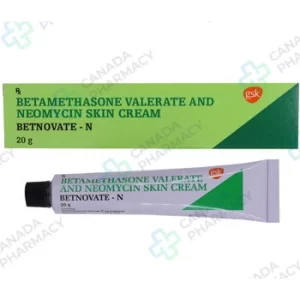
Betnovate
Price range: $ 40,00 through $ 55,00
Active substance: betamethasone
More Details
This product has multiple variants. The options may be chosen on the product page
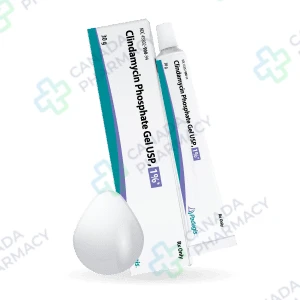
Clindamycin Gel
Price range: $ 6,00 through $ 36,00
Active substance: Clindamycin
More Details
This product has multiple variants. The options may be chosen on the product page
Deltasone
Price range: $ 47,00 through $ 296,00
Active substance: Prednisone
More Details
This product has multiple variants. The options may be chosen on the product page
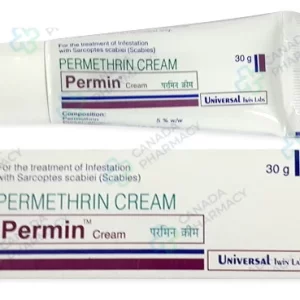
Elimite
Price range: $ 44,00 through $ 92,00
Active substance: Permethrin
More Details
This product has multiple variants. The options may be chosen on the product page
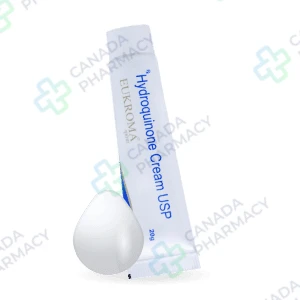
Eukroma Cream
Price range: $ 47,00 through $ 151,00
Active substance: Hydroquinone
More Details
This product has multiple variants. The options may be chosen on the product page
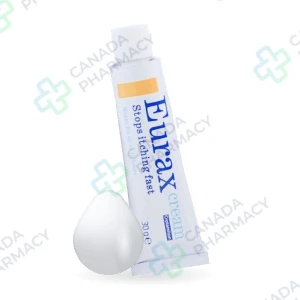
Eurax
Price range: $ 49,00 through $ 187,00
Active substance: Crotamiton
More Details
This product has multiple variants. The options may be chosen on the product page
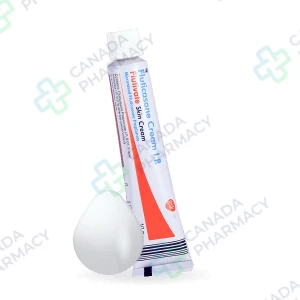
Flutivate Skin Cream
Price range: $ 24,00 through $ 91,00
Active substance: fluticasone
More Details
This product has multiple variants. The options may be chosen on the product page