

-25%
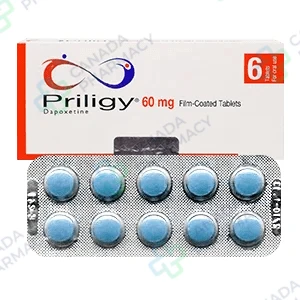
Dapoxetine
Price range: $ 40,00 through $ 600,00
Daxid
Price range: $ 42,00 through $ 229,00
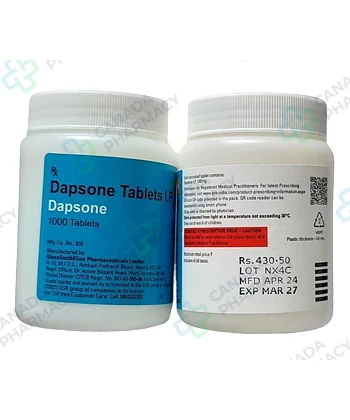
Dapsone
Price range: $ 80,00 through $ 180,00
Dapsone is a potent antibacterial and anti-inflammatory medication primarily used to treat chronic skin conditions and specific infections. It is highly effective in managing dermatitis herpetiformis, providing relief from the intense itching and blistering associated with this chronic skin disorder. This medication also serves as a cornerstone in the multi-drug therapy for Hansen’s disease, effectively targeting the bacteria responsible for the condition. By inhibiting the production of dihydrofolic acid, Dapsone prevents the growth of bacteria and reduces inflammation within the body. Its dual-action properties make it a reliable choice for the long-term management of these specialized dermatological and infectious health concerns.
Active substance: dapsone
Delivery: 5–21 days (depending on the shipping method)
Extra 10% discount with coupon: IT4K6SVM
Each dosage option has its own packaging choices.
Description
Dapsone belongs to a class of synthetic antimicrobial agents known as sulfones. In the United States, oral dapsone is a prescription-only medication regulated by the U.S. Food and Drug Administration (FDA) for specific dermatologic and infectious conditions.
This agent is primarily prescribed for dermatitis herpetiformis and all forms of Hansen’s disease (leprosy). Due to potential hematologic side effects, therapeutic administration requires rigorous medical supervision and periodic laboratory monitoring.
| Drug Name | Dapsone |
| Active Ingredient | Dapsone |
| Primary Purpose | Treatment of dermatitis herpetiformis and Hansen’s disease |
| Prescription Status | Prescription only (Rx) |
| Dosage Form | Oral tablet |
| Route of Administration | Oral |
Clinical and Therapeutic Considerations
How the drug works
Dapsone exerts both antimicrobial and anti-inflammatory activities. As an antibacterial agent, it competitively inhibits the enzyme dihydropteroate synthase, blocking the incorporation of para-aminobenzoic acid (PABA) into folic acid. This disruption hinders essential nucleic acid synthesis within susceptible micro-organisms. Beyond its antimicrobial mechanism, dapsone possesses significant anti-inflammatory effects. It inhibits neutrophil myeloperoxidase activity, suppresses lysosomal enzyme release, and reduces reactive oxygen species production at inflammatory sites. This dual mechanism renders it effective in managing chronic cutaneous conditions characterized by dermal neutrophil infiltration.
Main uses
Oral dapsone is FDA-approved for two main clinical indications: dermatitis herpetiformis and Hansen’s disease (leprosy). In dermatitis herpetiformis–an intensely itchy, autoimmune blistering skin condition associated with gluten sensitivity–dapsone rapidly controls cutaneous lesions and pruritus. In Hansen’s disease, dapsone is utilized as part of multidrug regimen protocols to prevent the development of bacterial resistance. Any application of dapsone outside these approved indications, such as for brown recluse spider bites, bullous pemphigoid, or prophylaxis of Pneumocystis jirovecii pneumonia in immunocompromised individuals, represents off-label use and must be evaluated on an individual risk-benefit basis by a licensed prescriber.
Important precautions
Significant safety warnings accompany the systemic use of dapsone. Patients with glucose-6-phosphate dehydrogenase (G6PD) deficiency are at elevated risk for dose-dependent hemolytic anemia and methemoglobinemia. Baseline screening for G6PD deficiency is strongly advised prior to initiating therapy. Complete blood counts must be monitored frequently–weekly during the first month, monthly for six months, and periodically thereafter–to detect severe bone marrow suppression, including agranulocytosis or aplastic anemia. Severe dermatologic reactions, such as toxic epidermal necrolysis, Stevens-Johnson syndrome, and dapsone hypersensitivity syndrome (characterized by fever, rash, and organ involvement), necessitate immediate discontinuation of the medication. Caution is required in patients with hepatic or renal impairment.
Dosing schedule: Dapsone dosage must be individualized by a healthcare provider based on the condition being treated, clinical response, and patient tolerance. For dermatitis herpetiformis, treatment typically begins at a lower dose in adults, titrated upward until symptoms are controlled, followed by reduction to the minimum effective maintenance level. For Hansen’s disease, dapsone is administered concurrently with other antileprosy agents according to established guidelines. Medication must be taken regularly as directed. Patients should not alter their dose or stop taking the drug without medical instruction.
What happens in the body: Following oral administration, dapsone is rapidly and nearly completely absorbed from the gastrointestinal tract. Peak plasma concentrations are generally achieved within 2 to 8 hours post-dose. Dapsone distributes widely into body tissues and fluids, readily crossing the blood-brain barrier and placenta, and is excreted into human breast milk. The drug undergoes hepatic metabolism primarily via N-acetylation by N-acetyltransferase and N-hydroxylation by cytochrome P450 enzymes. The hydroxylated metabolites are predominantly responsible for methemoglobin formation and hemolysis. Excretion occurs mainly through the kidneys as metabolic conjugates.
Compatibility with other medicines: Co-administration of dapsone with other pharmaceuticals requires careful clinical review. Rifampin significantly lowers serum concentrations of dapsone by inducing hepatic metabolic enzymes, potentially necessitating dosage adjustment. Conversely, co-administration with trimethoprim increases plasma levels of both trimethoprim and dapsone, raising the risk of adverse reactions such as methemoglobinemia. Drugs that alter gastric pH, such as H2-receptor antagonists or proton pump inhibitors, may decrease dapsone bio-availability. Concurrent use of folic acid antagonists or other bone-marrow-suppressive agents increases hematologic toxicity risks. PABA-containing compounds may antagonize dapsone antibacterial activity.
Adverse reactions: The adverse effect profile of dapsone includes dose-related hematologic and cutaneous reactions. Hemolysis and methemoglobinemia occur to varying degrees in almost all patients receiving therapeutic doses, manifesting as fatigue, pallor, or cyanosis. Common non-hematologic reactions include nausea, vomiting, anorexia, headache, insomnia, and peripheral neuropathy (primarily motor loss). Less common but severe reactions include toxic hepatitis, cholestatic jaundice, and peripheral sensory loss. Peripheral neuropathy typically reverses slowly upon cessation of the drug.
Red flags: Immediate emergency medical attention is required if patients experience signs of severe hypersensitivity or life-threatening systemic reactions. Seek urgent care if any of the following occur: sudden difficulty breathing or shortness of breath; bluish discoloration of the lips, skin, or nail beds (cyanosis); dark brown or tea-colored urine; severe skin rash accompanied by blistering, peeling, or mucosal involvement; unexplained fever, sore throat, or chills; severe weakness or jaundice (yellowing of the eyes or skin); or swelling of the face, tongue, or throat.
What to avoid while taking it: Dapsone may be taken with or without food; taking it with meals may reduce gastrointestinal discomfort such as mild nausea. Alcohol consumption should be minimized or avoided, as ethanol may compound hepatic strain and increase the risk of dizziness or central nervous system effects. Patients should avoid taking over-the-counter supplements containing PABA (para-aminobenzoic acid), which can interfere with dapsone therapeutic efficacy.
If you skip a dose: If a scheduled dose of dapsone is missed, it should be taken as soon as remembered on the same day. However, if it is almost time for the next scheduled dose, skip the missed dose and resume the standard dosing schedule. Patients must never double the dose or take extra medication to compensate for a missed administration, as this elevates the risk of toxic hematologic complications.
Storage and expiration: Dapsone tablets should be stored at controlled room temperature, ideally between 68°F and 77°F (20°C to 25°C), away from excess heat, light, and moisture. Store the medication in a tightly closed, light-resistant container. Keep out of reach of children and pets. Properly discard any medication that is expired or no longer needed according to local pharmacy disposal guidelines or federal drug take-back programs.
Common Questions
Common questions
How long does it take for dapsone to show results in skin conditions?
In dermatitis herpetiformis, relief from intense itching and burning often begins within 24 to 48 hours of starting effective therapy, with skin lesions clearing over several days. If treatment is discontinued, symptoms typically recur within 24 to 72 hours.
Is routine blood testing necessary while taking dapsone?
Yes. Regular blood monitoring is mandatory due to risks of anemia, methemoglobinemia, and agranulocytosis. Complete blood counts are typically checked weekly during the first month, monthly for six months, and periodically throughout long-term therapy.
Can dapsone cause skin discoloration or blue lips?
Dapsone can cause methemoglobinemia, a condition where hemoglobin cannot carry oxygen efficiently. This can manifest as cyanosis, which appears as a bluish tinge on the lips, skin, or fingernails, requiring prompt medical evaluation.
Can dapsone be taken during pregnancy?
Dapsone crosses the placenta. It should be used during pregnancy only if the potential benefit justifies the potential risk to the fetus, as advised by a healthcare provider. Folic acid supplementation is often recommended if dapsone is prescribed during pregnancy.
Does dapsone interact with sunlight?
Some patients taking dapsone may experience photosensitivity (increased sensitivity of the skin to sunlight). Protective clothing and broad-spectrum sunscreen are recommended during sun exposure while on therapy.
Information on this page is for reference and does not replace an assessment by a licensed healthcare professional. In accordance with FDA requirements, prescription medications must be used under authorized medical supervision.
Additional information
| Dosage |
100mg |
|---|---|
| Package |
1000 tabs ,2000 tabs ,3000 tabs |
| Ενεργός Ουσία |
Related products

Accufine
Price range: $ 69,00 through $ 323,00
Active substance: Isotretinoin
More Details
This product has multiple variants. The options may be chosen on the product page
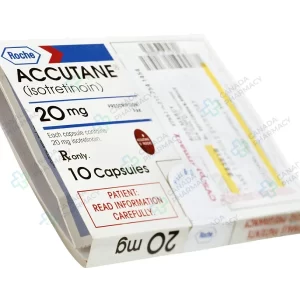
Accutane
Price range: $ 40,00 through $ 650,00
Active substance: Isotretinoin
More Details
This product has multiple variants. The options may be chosen on the product page
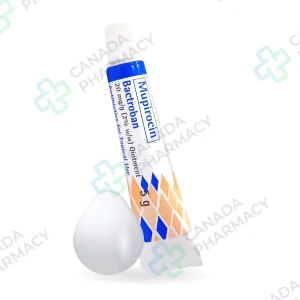
Bactroban Ointment 5g
Price range: $ 55,00 through $ 200,00
Active substance: Mupirocin
More Details
This product has multiple variants. The options may be chosen on the product page
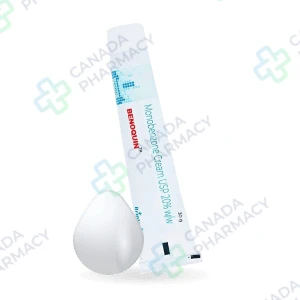
Benoquin Cream
Price range: $ 73,00 through $ 503,00
Active substance: Monobenzone
More Details
This product has multiple variants. The options may be chosen on the product page
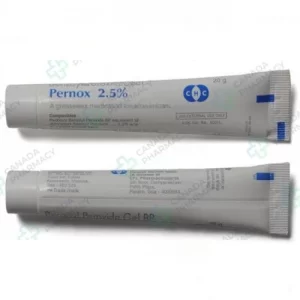
Benzac
Price range: $ 45,00 through $ 118,00
Active substance: benzoyl peroxide
More Details
This product has multiple variants. The options may be chosen on the product page
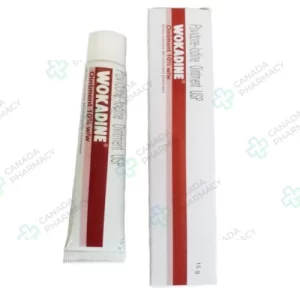
Betadine
Price range: $ 7,00 through $ 12,00
Active substance: Povidone Iodine
More Details
This product has multiple variants. The options may be chosen on the product page
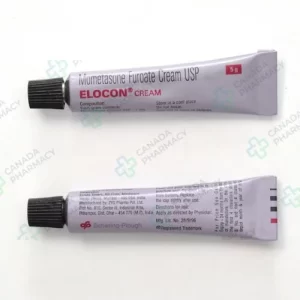
Elocon
Price range: $ 40,00 through $ 190,00
Active substance: Mometasone
More Details
This product has multiple variants. The options may be chosen on the product page
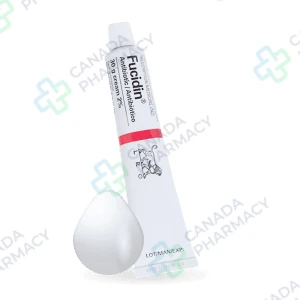
Fucidin cream
Price range: $ 14,00 through $ 73,00
Active substance: Fusidic Acid
More Details
This product has multiple variants. The options may be chosen on the product page