

-60%
Movfor
Price range: $ 293,00 through $ 1 097,00
Mycelex g
Price range: $ 17,00 through $ 39,00
Myambutol
Price range: $ 13,00 through $ 246,00
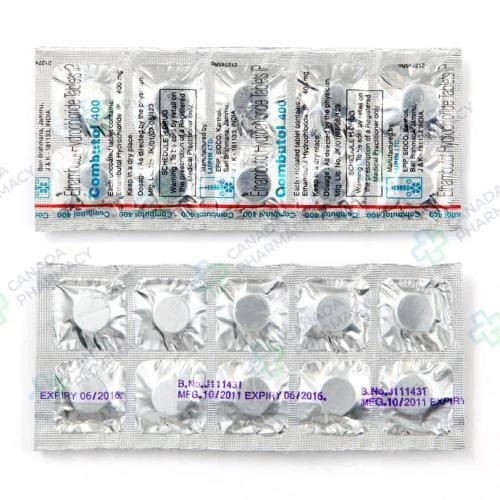
Myambutol is a specialized antibacterial medication primarily used to treat pulmonary tuberculosis. It works effectively by stopping the growth of the specific bacteria that cause this serious respiratory infection. To achieve the best results, this medication is usually administered as part of a multi-drug regimen alongside other antituberculosis agents. The tablets are formulated to provide reliable support for individuals managing bacterial lung conditions. By directly interfering with cellular metabolism in the bacteria, Myambutol helps patients move toward successful recovery and improved health.
Active substance: ethambutol
Delivery: 5–21 days (depending on the shipping method)
Extra 10% discount with coupon: IT4K6SVM
Each dosage option has its own packaging choices.
Description
Myambutol must be administered under close medical supervision as an integral component of a multi-drug antimicrobial regimen. It is prescribed for the treatment of pulmonary tuberculosis to prevent the emergence of drug-resistant mycobacterial strains and eradicate active infection.
This prescription-only drug contains ethambutol hydrochloride as its active pharmaceutical ingredient. Because accurate weight-based dosing and ocular toxicity monitoring are critical to patient safety, treatment requires regular evaluations by a licensed healthcare professional.
| Parameter | Details |
|---|---|
| Active ingredient (INN) | Ethambutol hydrochloride |
| Therapeutic class | Antimycobacterial agent (AHFS 8:16.04) |
| Dosage form | Oral tablet |
| Prescription status | Prescription (Rx) only |
| Primary purpose | Treatment of pulmonary tuberculosis |
| Route of administration | Oral |
Safety & Administration Guidelines
Important Precautions
Ethambutol carries a primary risk of ocular toxicity, specifically retrobulbar optic neuritis. Patients taking Myambutol must undergo baseline visual testing, including visual acuity testing using a Snellen chart and color discrimination tests for red-green vision, prior to initiating therapy and at monthly intervals during prolonged administration. Visually impaired individuals, young pediatric patients unable to report visual changes accurately, and patients with baseline renal impairment require heightened clinical surveillance. Renal clearance plays a major role in ethambutol elimination; reduced kidney function leads to drug accumulation and an increased risk of permanent vision loss. Always inform your clinician of any pre-existing eye conditions or kidney diseases before starting treatment.
Red Flags
Immediate medical attention is necessary if you experience symptoms indicating severe adverse reactions or drug toxicity. The primary medical emergency associated with ethambutol therapy is sudden or progressive visual impairment. Contact your healthcare provider immediately if you notice blurred vision, scotomas (blind spots), visual field defects, or difficulty distinguishing red and green colors. Prompt discontinuation of the medication upon the onset of visual disturbances usually results in reversal of optic toxicity, whereas delayed action can lead to irreversible optic atrophy. Furthermore, seek emergency care if you experience signs of a severe hypersensitivity reaction, such as facial swelling, severe skin rash, difficulty breathing, or acute joint pain accompanied by high fever.
| Adverse Event / Red Flag | Immediate Action Required |
|---|---|
| Decreased visual acuity or blurred vision | Stop medication immediately and contact your prescriber |
| Loss of red-green color discrimination | Seek urgent ophthalmologic evaluation |
| Swelling of the face, lips, tongue, or throat | Seek emergency medical care immediately |
| Severe joint pain with fever (gout flare) | Contact your physician for laboratory evaluation |
| Numbness, tingling, or burning in hands/feet | Report to your physician at your next visit |
What It’s Used For
Myambutol is indicated for the treatment of pulmonary tuberculosis in combination with at least one other antituberculosis drug, such as isoniazid, rifampin, or pyrazinamide. Combining antimycobacterial agents is mandatory to suppress the development of bacterial resistance in Mycobacterium tuberculosis. In clinical practice, ethambutol is utilized during both the initial intensive phase and the continuation phase of tuberculosis therapy, depending on drug susceptibility testing and specific treatment guidelines. Beyond initial therapy, clinicians may prescribe ethambutol for retreatment cases when patients have experienced therapy failure or disease relapse. Any off-label applications, such as treatment of non-tuberculous mycobacterial (NTM) infections like Mycobacterium avium complex (MAC), must be explicitly directed and managed by an infectious disease specialist.
How the Drug Works
Ethambutol hydrochloride acts as an oral antibacterial agent with specific bactericidal activity against actively dividing tubercle bacilli. Its primary mechanism of action involves the inhibition of arabinosyl transferase enzymes, which are encoded by the embCAB operon. These enzymes are essential for the biosynthesis of arabinogalactan and lipoarabinomannan, crucial structural components of the mycobacterial cell wall. By disrupting cell wall integrity, ethambutol increases the permeability of the bacterial cell envelope, impairing cellular function and facilitating the intracellular penetration of concurrent antituberculosis agents. It exhibits no activity against non-mycobacterial microorganisms or dormant bacilli.
How to Take It
Myambutol is supplied in tablet form for oral administration and should be taken exactly as prescribed. The recommended dosage is strictly calculated based on lean body weight, typically ranging from 15 mg/kg to 25 mg/kg once daily in adult patients, depending on whether the course is initial treatment or retreatment. Tablets are administered as a single daily oral dose and may be taken with or without food. If gastrointestinal irritation occurs, taking the dose with meals or milk can improve GI tolerance without significantly compromising bioavailability. It is essential to maintain absolute adherence to the daily schedule for the full prescribed duration, which often spans several months, to prevent treatment relapse or drug resistance.
Adverse Reactions
While visual impairment from optic neuritis is the most clinically critical side effect, other adverse reactions may occur during ethambutol therapy. Patients frequently experience gastrointestinal disturbances, including nausea, vomiting, abdominal pain, and anorexia. Ethambutol decreases the renal excretion of uric acid, which can cause hyperuricemia and occasionally precipitate acute gouty arthritis, manifesting as painful, swollen joints. Other documented side effects include peripheral neuropathy characterized by numbness or tingling in the extremities, dizziness, headache, mental confusion, malaise, and hypersensitivity reactions such as skin rash, pruritus, and drug fever. Hepatic dysfunction, marked by elevated serum transaminases, is rare but requires evaluation if jaundice or dark urine develops.
What Not to Combine
Co-administration of Myambutol with antacids containing aluminum hydroxide can significantly decrease the oral absorption and peak plasma concentration of ethambutol. If aluminum-containing antacids are necessary for acid indigestion, they should be administered at least two hours after or two hours before ethambutol ingestion. Additionally, combining ethambutol with other neurotoxic or ototoxic medications may compound the risk of peripheral or optic neuropathy. Healthcare providers evaluate all concurrent prescription and over-the-counter medications before initiating treatment. Ethambutol does not significantly alter cytochrome P450 enzyme systems, minimizing metabolic drug-drug interactions compared to concurrent agents like rifampin.
Pharmacokinetics and Special Considerations
What Happens in the Body
Following oral administration, approximately 75% to 80% of ethambutol is rapidly absorbed from the gastrointestinal tract into systemic circulation. Peak serum concentrations are attained within 2 to 4 hours post-ingestion. Ethambutol distributes widely throughout most body tissues and fluids, achieving high concentrations in the lungs, kidneys, and red blood cells, although penetration into cerebrospinal fluid is low unless meninges are acutely inflamed. The elimination half-life of ethambutol ranges from 3 to 4 hours in individuals with normal renal function, but can extend beyond 7 to 10 hours in patients with severe renal impairment. Approximately 50% of an ingested dose is excreted unchanged in urine, while 8% to 15% is metabolized in the liver to inactive dicarboxylic acid derivatives.
What to Avoid While Taking It
While Myambutol can be taken with food, high-fat meals do not alter its total extent of absorption. However, alcohol consumption should be strictly limited or avoided entirely during antituberculosis therapy. Alcohol increases the risk of hepatotoxicity when taken alongside multidrug regimens containing isoniazid or rifampin, and chronic heavy drinking can exacerbate hyperuricemia, gout, or peripheral nerve irritation. Avoid taking aluminum-based antacids concurrently with your daily ethambutol dose, as they bind to the drug in the digestive tract and reduce its therapeutic effectiveness.
Special Populations
Myambutol is classified as an FDA Pregnancy Category C drug. It should be used during pregnancy only if the potential therapeutic benefit justifies the potential risk to the fetus. Ethambutol is excreted into human breast milk; nursing mothers should consult their physician regarding whether to discontinue nursing or suspend the drug. Pediatric use requires caution: ethambutol is generally not recommended for children under 13 years of age whose visual acuity cannot be reliably assessed using standard objective vision charts, unless clinical benefit outweighs the risk. Elderly patients are more likely to exhibit age-related renal function decline, necessitating dosage adjustments based on creatinine clearance and frequent visual checks.
Signs of Improvement
Clinical improvement from tuberculosis treatment takes time and is verified through laboratory testing and physical examination. Within the first few weeks of therapy, patients typically experience a reduction in systemic symptoms, such as decreased cough severity, subsidence of night sweats, resolution of fever, improved appetite, and weight gain. Objective confirmation of therapeutic efficacy relies on microbiological testing, including negative sputum smear microscopy and negative mycobacterial cultures, as well as radiological clearing on chest X-rays. Completing the full course of treatment as prescribed in clinical centers, such as those in Chicago or other cities, is essential even if clinical symptoms resolve completely.
Common Questions
Q: What should I do if I miss a scheduled dose of Myambutol?
If you forget to take a dose, take it as soon as you remember on the same day. However, if it is almost time for your next scheduled dose, skip the missed tablet and resume your regular dosing schedule. Never double the dose to make up for a missed tablet, as taking an excessive amount increases the risk of visual toxicity.
Q: Is it normal to experience changes in how I perceive colors?
No, changes in color perception–particularly difficulty distinguishing between red and green–are early signs of ethambutol-induced optic neuritis. This is an adverse reaction that requires immediate clinical evaluation. If you notice any changes in visual sharpness or color discrimination, contact your doctor right away and suspend the medication until evaluated.
Q: Can I drive or operate heavy machinery while taking this medication?
Myambutol can cause visual disturbances, dizziness, and disorientation in some individuals. You should not drive, operate complex machinery, or engage in hazardous activities until you are certain how this medication affects your vision and mental alertness. Regular vision assessments help ensure it remains safe for you to drive.
Q: Why must Myambutol always be taken with other tuberculosis drugs?
Mycobacterium tuberculosis rapidly develops resistance when exposed to a single antimicrobial agent. Using Myambutol in combination with other active antituberculosis drugs ensures that bacterial mutants resistant to one agent are eradicated by the others, ensuring treatment efficacy and preventing multi-drug resistance.
Q: How long does a typical course of Myambutol therapy last?
The duration of treatment varies based on the specific clinical protocol, drug susceptibility results, and individual clinical response, but typically ranges from several months to over a year. Treatment duration is strictly determined by your prescribing physician based on follow-up sputum cultures and clinical progress.
In accordance with FDA requirements.
This material is educational. Only a licensed prescriber can determine whether a medication is appropriate for you.
Additional information
| Dosage |
200 mg ,400mg ,600mg ,800mg |
|---|---|
| Package |
30 pills ,60 pills ,90 pills ,120 pills ,180 pills ,270 pills ,360 pills |
| Ενεργός Ουσία |
Related products
Augmentin
Price range: $ 56,00 through $ 678,00
Active substance: amoxicillin, clavulanate
More Details
This product has multiple variants. The options may be chosen on the product page
Azee
Price range: $ 30,00 through $ 150,00
Active substance: Azithromycin
More Details
This product has multiple variants. The options may be chosen on the product page
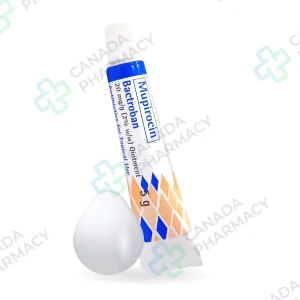
Bactroban Ointment 5g
Price range: $ 55,00 through $ 200,00
Active substance: Mupirocin
More Details
This product has multiple variants. The options may be chosen on the product page
Baycip
Price range: $ 42,00 through $ 113,00
Active substance: Ciprofloxacin
More Details
This product has multiple variants. The options may be chosen on the product page
Cefixime
Price range: $ 101,00 through $ 509,00
Active substance: cefixime
More Details
This product has multiple variants. The options may be chosen on the product page
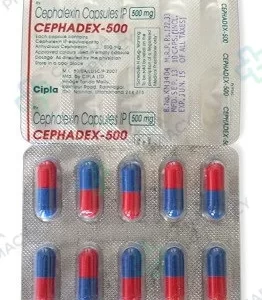
Cephalexin
Price range: $ 39,00 through $ 349,00
Active substance: cephalexin
More Details
This product has multiple variants. The options may be chosen on the product page
Chloramphenicol
Price range: $ 56,00 through $ 260,00
Active substance: chloramphenicol
More Details
This product has multiple variants. The options may be chosen on the product page
Ciprodex Ophthalmic Solution
Price range: $ 63,00 through $ 95,00
Active substance: Ciprofloxacin, Dexamethasone
More Details
This product has multiple variants. The options may be chosen on the product page