

-53%
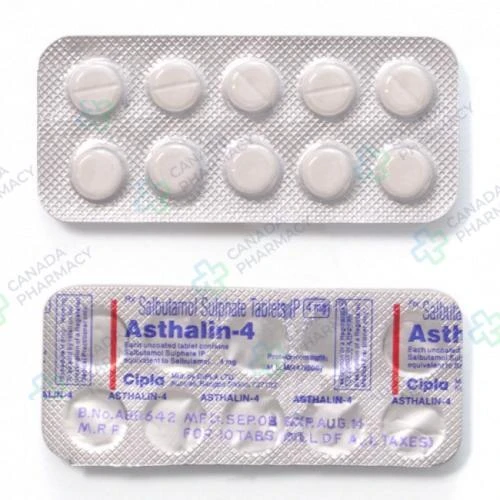
Ventodep ER
Price range: $ 53,00 through $ 561,00
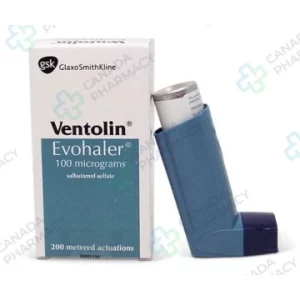
Ventolin Inhaler
Price range: $ 56,00 through $ 216,00
Ventolin
Price range: $ 47,00 through $ 264,00
Ventolin is a fast-acting bronchodilator designed to provide quick relief from acute asthma symptoms and sudden respiratory distress. It works by effectively relaxing the muscles in the airways, which helps to open up the lungs and restore normal breathing during a flare-up. This medication is primarily used to treat and prevent bronchospasms in individuals diagnosed with obstructive airway diseases like asthma or chronic obstructive pulmonary disease (COPD). Many users rely on Ventolin to manage sudden wheezing, coughing, and shortness of breath caused by various environmental triggers. Additionally, it is an effective solution for preventing breathing difficulties that may occur during strenuous physical activities or exercise.
Active substance: albuterol
Delivery: 5–21 days (depending on the shipping method)
Extra 10% discount with coupon: IT4K6SVM
Each dosage option has its own packaging choices.
Description
Ventolin belongs to a class of medications known as short-acting beta-2 adrenergic agonists (SABAs), commonly referred to as bronchodilators. It is a prescription inhalation therapy formulated to rapidly relax the smooth muscles surrounding the airways in the lungs.
By dilating bronchial passages, this medication helps restore normal airflow and alleviate respiratory symptoms such as wheezing, coughing, tightness in the chest, and shortness of breath associated with reversible obstructive airway conditions.
| Attribute | Details |
|---|---|
| Active ingredient | Albuterol sulfate |
| Therapeutic class | Short-acting beta-2 adrenergic agonist (SABA) |
| Dosage form | Inhalation aerosol |
| Route of administration | Oral inhalation |
| Primary purpose | Relief and prevention of bronchospasm |
| Prescription status | Prescription required (Rx) |
Clinical Overview
What it’s used for
Ventolin is indicated for the treatment and prevention of acute bronchospasm in adults and pediatric patients aged 4 years and older with reversible obstructive airway disease, such as asthma. It is also prescribed for the prevention of exercise-induced bronchospasm (EIB) in patients within the same age group. By acting quickly to open narrowed airways, the medication provides rapid symptomatic relief during sudden asthma attacks or before engaging in physical exertion. Healthcare providers may evaluate its use in specific clinical scenarios, though any application outside official FDA-approved indications should be explicitly guided and monitored by a qualified physician as an off-label use.
How the drug works
The therapeutic action of Ventolin relies on its active ingredient, albuterol sulfate, which acts as a selective beta-2 adrenergic agonist. When inhaled, the medication directly binds to beta-2 receptors present on the smooth muscle cells lining the bronchial tree. This binding triggers an intracellular cascade involving the stimulation of adenyl cyclase and an increase in cyclic adenosine monophosphate (cAMP). Elevated cAMP levels decrease intracellular calcium concentration, leading to relaxation of the bronchial smooth muscle tissue. Consequently, the narrowed airways expand, reducing resistance to airflow and easing the mechanics of respiration.
Dosing schedule
Administration of Ventolin is performed exclusively via oral inhalation. For the relief of acute episodes of bronchospasm or the prevention of symptoms, the typical dosage for adults and pediatric patients aged 4 years and older consists of two inhalations repeated every 4 to 6 hours as needed. In some individuals, a single inhalation may prove sufficient. To prevent exercise-induced bronchospasm, the recommended dose is usually two inhalations administered 15 to 30 minutes prior to physical activity. Patients must strictly adhere to the dosing schedule prescribed by their physician and avoid exceeding the recommended frequency, as excessive use indicates sub-optimal asthma control.
What happens in the body
Following oral inhalation, Ventolin acts locally on the respiratory tract tissues. A significant portion of the inhaled dose is deposited in the airways, while the remainder is swallowed and absorbed through the gastrointestinal tract. Onset of bronchodilation typically occurs within 5 minutes after inhalation, reaching peak therapeutic effectiveness within 0.5 to 2 hours. The duration of action generally ranges from 4 to 6 hours for most patients. Systemically absorbed albuterol is metabolized in the liver, primarily converting into an inactive sulfate conjugate, and is subsequently excreted predominantly through the kidneys in urine.
Safety and Practical Use
Compatibility with other medicines
Ventolin may interact with several drug classes, requiring careful evaluation before co-administration. Concomitant use with non-selective beta-blockers, such as propranolol, is generally avoided because they can antagonize the bronchodilating effect of albuterol and potentially precipitate severe bronchospasm in asthmatic patients. Non-potassium-sparing diuretics may potentiate hypokalemia when combined with high doses of short-acting beta-agonists. Additionally, extreme caution is warranted when co-administering with monoamine oxidase inhibitors (MAOIs) or tricyclic antidepressants, as these agents can potentiate the cardiovascular effects of albuterol. Always inform your healthcare provider of all current prescription and non-prescription medications.
Adverse reactions
While Ventolin is widely utilized, it can cause adverse reactions due to systemic beta-adrenergic stimulation. Frequently reported side effects include fine tremor (particularly in the hands), nervousness, headache, dizziness, and mild throat irritation or cough following inhalation. Tachycardia (rapid heartbeat) and palpitations may also occur, especially if doses higher than recommended are administered. Less common adverse reactions include hypokalemia, muscle cramps, and paradoxical bronchospasm, which involves a sudden contraction of the airways immediately after dosing. Patients experiencing severe or unexpected side effects should inform their healthcare prescribers promptly to re-evaluate treatment safety.
Important precautions
Careful clinical monitoring is required when prescribing Ventolin to individuals with pre-existing cardiovascular disorders, including coronary insufficiency, cardiac arrhythmias, and hypertension. Patients with convulsive disorders, hyperthyroidism, or diabetes mellitus should also use this medication with caution. Like other inhaled rescue medications, Ventolin can produce paradoxical bronchospasm, which can be life-threatening; if this occurs, treatment must be discontinued immediately. In pregnant or breastfeeding women, the drug should be used only if the potential benefit justifies the potential risk to the fetus or infant. Pediatric use is established for patients 4 years of age and older.
What to do if you miss a dose
Because Ventolin is frequently prescribed on an as-needed basis for acute symptom relief, a strict dosing schedule may not always apply. However, if prescribed for regular preventative dosing and a dose is missed, administer it as soon as remembered. If it is almost time for the next scheduled dose, skip the missed dose and resume the normal routine. Patients should never double the dose to make up for a missed inhalation.
Storage and expiration
Ventolin inhalation devices should be stored at controlled room temperature, ideally between 68°F and 77°F (20°C to 25°C), away from excessive heat, direct sunlight, and moisture. Store the canister with the mouthpiece pointing down. Contents are under pressure; therefore, do not puncture or incinerate the container. Discard the inhaler when the dose counter reaches zero or after the expiration date printed on the packaging, whichever comes first.
When to seek help immediately
Immediate emergency medical assistance is essential if asthma symptoms worsen rapidly or if the usual dose fails to provide expected relief. Red flags requiring immediate medical care include severe shortness of breath, inability to speak full sentences, chest pain, blue coloration of the lips or fingernails, or sudden acute swelling of the face, tongue, or throat indicating a severe allergic response.
Common questions
What should happen if Ventolin does not relieve sudden breathing difficulty?
If an inhalation of Ventolin fails to provide prompt relief during an acute asthma flare-up, or if symptoms return sooner than 4 hours, it may indicate worsening airway obstruction. Seek urgent medical evaluation or emergency care immediately, as your treatment plan may require intensification with systemic corticosteroids or daily maintenance controller medications.
Can Ventolin be used routinely before physical exercise?
Yes, Ventolin is FDA-approved for the prevention of exercise-induced bronchospasm. The standard medical recommendation is to take two inhalations approximately 15 to 30 minutes prior to engaging in physical activity. This helps prevent airway constriction during exertion.
Is it normal to feel a racing heart or hand tremors after using the inhaler?
Tremors and mild tachycardia are known pharmacological effects of short-acting beta-agonists. These symptoms occur because beta-2 receptors can stimulate systemic pathways in addition to pulmonary tissues. While common, persistent or severe palpitations should be reported to your healthcare provider for evaluation.
Can Ventolin be used alongside daily preventative steroid inhalers?
Yes, Ventolin is commonly prescribed alongside long-term controller medications such as inhaled corticosteroids. Ventolin acts as a quick-relief rescue inhaler for acute symptoms, whereas daily maintenance inhalers work over time to reduce chronic airway inflammation.
What steps should be taken if paradoxical bronchospasm occurs after inhalation?
Paradoxical bronchospasm is a rare reaction where breathing difficulty worsens immediately after inhaling the medication. If this occurs, discontinue the use of Ventolin immediately, use an alternative quick-relief bronchodilator if prescribed, and seek emergency medical assistance immediately.
In accordance with FDA requirements. The information presented here is not a substitute for professional medical advice.
Additional information
| Dosage |
2mg ,4mg |
|---|---|
| Package |
30 pills ,60 pills ,90 pills ,120 pills ,180 pills ,270 pills ,360 pills |
| Ενεργός Ουσία |
Related products
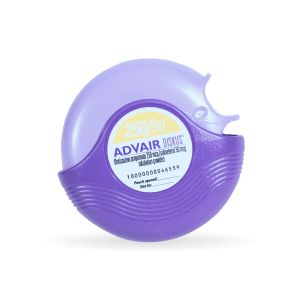
Advair Diskus
Price range: $ 72,00 through $ 527,00
More Details
This product has multiple variants. The options may be chosen on the product page
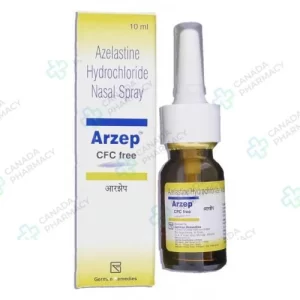
Astelin
Price range: $ 46,00 through $ 193,00
Active substance: Azelastine
More Details
This product has multiple variants. The options may be chosen on the product page
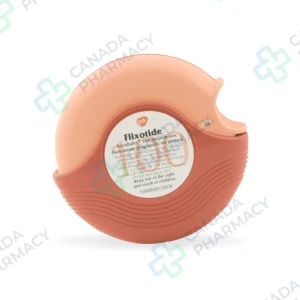
Flixotide Nasal Spray 100 doses
Price range: $ 54,00 through $ 220,00
Active substance: fluticasone
More Details
This product has multiple variants. The options may be chosen on the product page
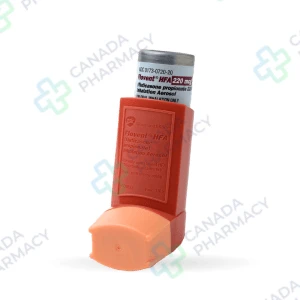
Flovent
Price range: $ 35,00 through $ 90,00
Active substance: fluticasone
More Details
This product has multiple variants. The options may be chosen on the product page

Ketasma
Price range: $ 10,00 through $ 23,00
Active substance: Ketotifen Fumarate
More Details
This product has multiple variants. The options may be chosen on the product page
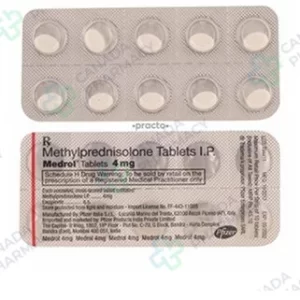
Medrol
Price range: $ 49,00 through $ 497,00
Active substance: Medrol
More Details
This product has multiple variants. The options may be chosen on the product page
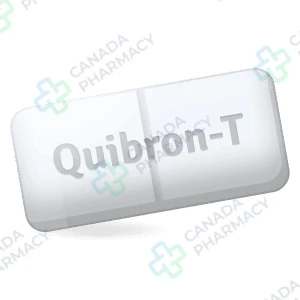
Quibron-T
Price range: $ 43,00 through $ 492,00
Active substance: Theophylline
More Details
This product has multiple variants. The options may be chosen on the product page
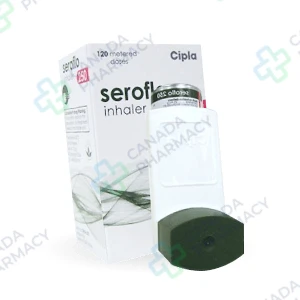
Seroflo
Price range: $ 110,00 through $ 659,00
Active substance: fluticasone, Salmeterol
More Details
This product has multiple variants. The options may be chosen on the product page