

-54%
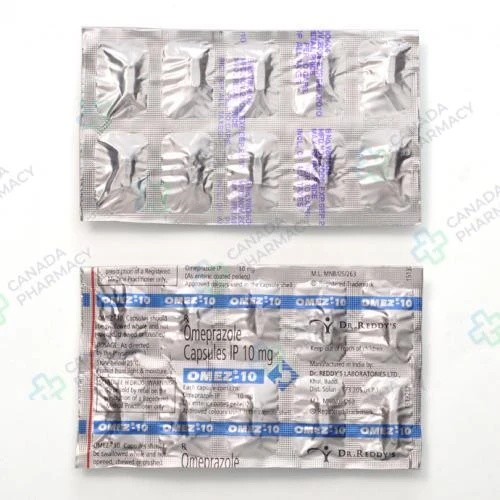
Prevacid
Price range: $ 11,00 through $ 225,00
Prilox Cream
Price range: $ 62,00 through $ 184,00
Prilosec
Price range: $ 46,00 through $ 304,00
Prilosec is a highly effective proton pump inhibitor designed to manage conditions caused by excess stomach acid. It is most commonly used for the treatment of frequent heartburn occurring two or more days per week. This medication also provides relief from symptoms of gastroesophageal reflux disease (GERD) and promotes the healing of erosive esophagitis. By blocking acid production at the source, it offers long-lasting protection for the stomach lining and esophagus. Each dose works throughout the day and night to ensure lasting comfort and improved digestive wellness.
Active substance: Omeprazole
Delivery: 5–21 days (depending on the shipping method)
Extra 10% discount with coupon: IT4K6SVM
Each dosage option has its own packaging choices.
Description
Prilosec belongs to a class of medications known as proton pump inhibitors (PPIs). It works by inhibiting the enzymatic system responsible for gastric acid secretion in the stomach lining, providing therapeutic relief for hyperacidic gastrointestinal conditions. The active substance in Prilosec is omeprazole, which is formulated in delayed-release oral delivery systems.
Depending on the specific formulation, strength, and clinical indication, this medication is dispensed in accordance with applicable federal and state regulations in the United States. It is utilized in both short-term management and long-term maintenance strategies for acid-mediated disorders under appropriate clinical guidance.
| Parameter | Clinical Details |
|---|---|
| Active ingredient | Omeprazole (or omeprazole magnesium) |
| Therapeutic class | Proton pump inhibitor (PPI) / Antisecretory agent |
| Dosage form | Delayed-release capsules, delayed-release oral suspension |
| Route of administration | Oral |
| Primary purpose | Gastric acid suppression |
| Storage | Store at 20°C to 25°C (68°F to 77°F); protect from light and moisture |
Main uses
Prilosec is indicated for the treatment and management of various acid-related gastrointestinal disorders. In adult populations, FDA-approved indications include the short-term treatment of active duodenal ulcer, active benign gastric ulcer, and gastroesophageal reflux disease (GERD). It is indicated for the short-term treatment of erosive esophagitis that has been diagnosed by endoscopy, as well as for the long-term maintenance of healing of erosive esophagitis. Furthermore, the drug is used in combination with specific antimicrobial regimens for the eradication of Helicobacter pylori to reduce the risk of duodenal ulcer recurrence. It is also indicated for long-term treatment of pathological hypersecretory conditions, such as Zollinger-Ellison syndrome, systemic mastocytosis, and multiple endocrine adenomas.
Pediatric indications vary by age and body weight, primarily encompassing the short-term treatment of GERD and erosive esophagitis in pediatric patients aged 1 month and older. When used for conditions not explicitly listed in the FDA-approved labeling, such as prevention of stress ulcers in non-critically ill hospitalized individuals or functional non-ulcer dyspepsia, such uses are classified as off-label and should occur under the direct supervision of a licensed physician.
How the drug works
Omeprazole belongs to the class of substituted benzimidazoles. It functions as a specific inhibitor of the hydrogen-potassium adenosine triphosphatase (H+/K+ ATPase) enzyme system, commonly referred to as the proton pump, located at the secretory surface of the gastric parietal cell. By binding covalently to cysteine residues on the H+/K+ ATPase enzyme, omeprazole blocks the final step of acid secretion into the gastric lumen.
This inhibitory action affects both basal and stimulated gastric acid production, regardless of the primary stimulus (histamine, acetylcholine, or gastrin). Because the inhibition of the enzyme is irreversible, recovery of acid secretion requires the synthesis of new enzyme molecules, resulting in an antisecretory effect that far outlasts the short elimination half-life of the drug in circulation.
What happens in the body
Omeprazole is acid-labile and is therefore formulated as enteric-coated delayed-release granules within capsules or suspension formulations to prevent rapid degradation by gastric acid. Absorption takes place in the small intestine and occurs rapidly, with peak plasma concentrations generally reached between 0.5 and 3.5 hours after oral administration. Absolute bioavailability is approximately 30% to 40% after a single dose and increases to approximately 60% upon repeated daily administration due to reduced gastric acidity affecting its own breakdown.
Plasma protein binding of omeprazole is approximately 95%. The drug is extensively metabolized in the liver, primarily via the cytochrome P450 CYP2C19 isoenzyme to form hydroxyomeprazole, and to a lesser extent via CYP3A4 to form omeprazole sulfone. These metabolites exhibit little to no antisecretory activity. The plasma elimination half-life in healthy individuals ranges from 0.5 to 1 hour. Elimination occurs primarily through urinary excretion (~77%), with the remainder eliminated in feces via biliary clearance.
Dosing schedule
Dosage regimens are individualized based on the specific condition being treated, patient age, renal function, and hepatic capacity. For active duodenal ulcer in adults, the standard dose is typically 20 mg once daily for 4 to 8 weeks. For active benign gastric ulcer, 40 mg once daily for 4 to 8 weeks is commonly prescribed. GERD without esophagitis is typically managed with 20 mg once daily for up to 4 weeks, whereas erosive esophagitis management generally utilizes 20 mg once daily for 4 to 8 weeks.
Doses should be swallowed whole prior to meals, ideally in the morning before breakfast, because the drug is most effective when the parietal cells are stimulated to secrete acid following a meal. Capsules must not be chewed, crushed, or split. For patients who experience difficulty swallowing capsules, the delayed-release capsule may be opened and the intact granules mixed with one tablespoon of cool, soft applesauce. The mixture must be swallowed immediately without chewing the granules and followed by a glass of cool water.
First days of treatment
Inhibition of gastric acid secretion begins within 1 hour after administration of an initial dose, with the maximum antisecretory effect achieved within 2 to 4 days of continuous daily dosing. Although early symptomatic relief may occur within the first few days, complete tissue healing of ulcers or inflamed esophageal mucosa usually requires several weeks of uninterrupted therapy. Patients should be aware that prompt symptomatic improvement does not exclude the presence of underlying gastric structural lesions or malignancy.
Adverse reactions
In adult clinical trials, omeprazole was generally well-tolerated, but adverse effects may occur. The most common adverse reactions reported in 1% or more of study subjects include headache, abdominal pain, nausea, diarrhea, vomiting, flatulence, and constipation. Dizziness, somnolence, and skin rashes are observed less frequently.
Extended therapy over prolonged periods carries potential clinical risks. Chronic acid suppression (typically exceeding 3 years) may impair the intestinal absorption of dietary vitamin B12 (cyanocobalamin), potentially leading to deficiency. Continuous PPI therapy lasting 1 year or longer has been associated with an increased risk of hypomagnesemia, which may manifest as tetany, cardiac arrhythmias, or seizures. Furthermore, long-term or high-dose PPI use is linked to an elevated risk of osteoporosis-related bone fractures of the hip, wrist, or spine.
Compatibility with other medicines
Omeprazole alters gastric pH and inhibits CYP2C19, presenting potential pharmacodynamic and pharmacokinetic interactions with several therapeutic classes. Co-administration with the antiplatelet drug clopidogrel is not recommended because omeprazole inhibits CYP2C19-mediated conversion of clopidogrel to its active metabolite, thereby decreasing antiplatelet efficacy. Co-administration with antiretroviral agents such as atazanavir, nelfinavir, or rilpivirine is contraindicated or not recommended due to significant reductions in antiretroviral plasma exposure.
Suppression of gastric acidity reduces the solubility and absorption of drugs dependent on an acidic gastric medium, including ketoconazole, itraconazole, and iron salts. Digoxin bioavailability may increase when taken concurrently with proton pump inhibitors due to elevated stomach pH. Concomitant administration of omeprazole and high-dose methotrexate may elevate and prolong serum levels of methotrexate and its metabolite, increasing the potential for methotrexate toxicity.
What to avoid while taking it
Administration with food delays the absorption rate of omeprazole; therefore, the medication should be taken approximately 30 to 60 minutes before a meal for optimal biological response. While alcohol does not directly alter the pharmacological integrity of the drug molecule, heavy ethanol consumption can irritate the gastric mucosa, directly promoting acid production and potentially counteracting the therapeutic benefits of treatment. Individuals taking sprinkled capsule contents should avoid mixing granules with warm or acidic liquids other than recommended vehicles.
If you skip a dose
If a dose is missed, it should be ingested as soon as remembered on the same day, provided the timing is not close to the next scheduled dose. If it is nearly time for the subsequent dose, the missed dose should be bypassed and the regular dosing schedule resumed. Patients must not double the dose to compensate for a missed administration, as taking excessive quantities does not enhance therapeutic efficacy and may increase the likelihood of adverse events.
Important precautions
Therapy with proton pump inhibitors like Prilosec may increase the risk of Clostridioides difficile-associated diarrhea, particularly in hospitalized patients or those receiving concurrent antibiotics; clinicians should consider this diagnosis in patients presenting with persistent watery stool. Severe hepatic impairment significantly decreases the clearance of omeprazole and increases its elimination half-life; dose adjustments are recommended for patients with advanced liver disease, particularly for maintenance regimens.
Acute tubulointerstitial nephritis has been observed in patients taking proton pump inhibitors at any point during therapy; if suspected, the drug should be discontinued immediately. Cutaneous lupus erythematosus (CLE) and systemic lupus erythematosus (SLE) have also been reported with PPI use. Patients on long-term treatment schedules should undergo periodic monitoring of serum magnesium, bone density, and vitamin B12 levels. Regarding special populations, omeprazole is excreted in human milk; decision-making regarding administration during pregnancy or lactation requires evaluation of maternal clinical need relative to potential infant exposure.
Storage and expiration
Prilosec should be stored at controlled room temperature between 20°C and 25°C (68°F to 77°F), with short excursions permitted between 15°C and 30°C (59°F to 86°F). Containers must be tightly closed and kept away from excessive heat, light, and ambient moisture. Storing medication in high-humidity areas, such as bathroom cabinets, should be avoided. Do not use the product past the expiration date printed on the packaging, and dispose of unused portions in accordance with local drug disposal guidelines or pharmacy take-back programs.
Common questions
Is it acceptable to crush Prilosec delayed-release capsules?
No. Crushing or chewing the capsules destroys the protective enteric coating surrounding the granules. This coating is necessary to prevent gastric acid from degrading the active ingredient before it can reach the small intestine for absorption. If swallowing capsules whole is difficult, the capsule may be opened and its intact granules sprinkled onto applesauce as described in the dosing instructions.
What should be done if gastric symptoms persist despite treatment?
If acid-related symptoms do not improve after the prescribed treatment duration or if they worsen, consult a healthcare professional. Persistent symptoms may indicate the need for diagnostic re-evaluation, such as endoscopy, or an adjustment in therapeutic strategy. Alarm symptoms like unexplained weight loss, difficulty swallowing, severe abdominal pain, or black stools require immediate medical evaluation.
Does omeprazole cause rebound acid hypersecretion upon stopping?
Abrupt cessation of prolonged proton pump inhibitor therapy can lead to rebound acid hypersecretion, characterized by a temporary increase in gastric acid production above baseline levels. To minimize this effect following long-term treatment, clinicians often advise a gradual tapering of the dose rather than sudden discontinuation.
Can omeprazole be taken concurrently with antacids?
Simultaneous administration with liquid antacids or antacid tablets is generally permissible if immediate symptom relief is required, as antacids operate via direct acid neutralization while omeprazole acts systemic-level to suppress ongoing acid production. However, spacing doses slightly apart allows optimal gastric transit for the delayed-release granules.
Does age affect how omeprazole works in the body?
In elderly patients, the clearance rate of omeprazole may be slightly reduced, and bioavailability may be marginally increased compared to younger subjects. However, no routine age-related dosage adjustment is strictly required solely based on advanced age unless significant hepatic impairment or concomitant drug interactions are present.
In accordance with FDA requirements for product labeling standards.
This text is for informational purposes only and does not constitute individual medical advice.
Additional information
| Dosage |
10mg ,20mg ,40mg |
|---|---|
| Package |
30 caps ,60 caps ,90 caps ,120 caps ,180 caps ,270 caps ,360 caps |
| Ενεργός Ουσία |
Related products
Actigall
Price range: $ 60,00 through $ 521,00
Active substance: Ursodiol
More Details
This product has multiple variants. The options may be chosen on the product page
Ascorbic Acid
Price range: $ 58,00 through $ 69,00
Active substance: Ascorbic Acid
More Details
This product has multiple variants. The options may be chosen on the product page
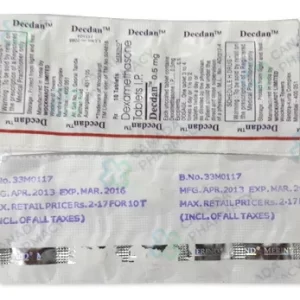
Decadron
Price range: $ 12,00 through $ 182,00
Active substance: Dexamethasone
More Details
This product has multiple variants. The options may be chosen on the product page
Deltasone
Price range: $ 47,00 through $ 296,00
Active substance: Prednisone
More Details
This product has multiple variants. The options may be chosen on the product page
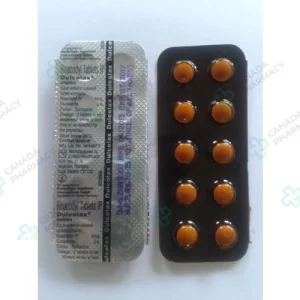
Dulcolax
Price range: $ 44,00 through $ 148,00
Active substance: Bisacodyl
More Details
This product has multiple variants. The options may be chosen on the product page
Florinef
Price range: $ 51,00 through $ 367,00
Active substance: Fludrocortisone
More Details
This product has multiple variants. The options may be chosen on the product page
Hytrin
Price range: $ 57,00 through $ 451,00
Active substance: Terazosin
More Details
This product has multiple variants. The options may be chosen on the product page
Meclizine
Price range: $ 47,00 through $ 143,00
Active substance: Meclizine
More Details
This product has multiple variants. The options may be chosen on the product page