

-41%
Prilosec
Price range: $ 46,00 through $ 304,00
Primaquine
Price range: $ 56,00 through $ 449,00
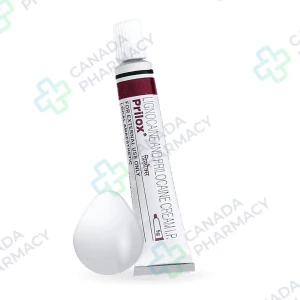
Prilox Cream
Price range: $ 62,00 through $ 184,00
Prilox Cream is a highly effective topical anesthetic formulated with a combination of lidocaine and prilocaine to provide reliable local numbing. By temporarily blocking pain signals at the skin’s surface, this cream ensures a much more comfortable experience during various minor medical procedures. It is frequently used to desensitize the area before needle insertions, such as vaccinations, blood draws, or intravenous starts. This fast-acting formula is also ideal for prepping the skin prior to minor surgical interventions, laser treatments, or cosmetic skin procedures. The smooth texture allows for easy application and targeted absorption, making it an essential solution for managing localized surface discomfort.
Active substance: Lidocaine, Prilocaine
Delivery: 5–21 days (depending on the shipping method)
Extra 10% discount with coupon: IT4K6SVM
Each dosage option has its own packaging choices.
Description
Prilox Cream belongs to the class of amide-type local anesthetics formulated as a topical eutectic emulsion containing lidocaine and prilocaine. The formulation is engineered to provide temporary dermal surface anesthesia prior to superficial dermatological, surgical, or venipuncture procedures.
In the United States, this medication is classified as a prescription product (Rx) and is dispensed in accordance with applicable federal and state regulations. Proper clinical supervision is required to determine appropriate application surface area, occlusive timing, and safety parameters during treatment.
| Property | Details |
|---|---|
| Drug Name | Prilox Cream |
| Active Ingredient (INN) | Lidocaine 2.5% / Prilocaine 2.5% |
| Therapeutic Class | Local Anesthetics, Amide-type |
| Dosage Form | Topical Cream (Eutectic Emulsion) |
| Route of Administration | Dermal (Topical) |
| Primary Purpose | Surface anesthesia of intact skin |
| Prescription Status | Prescription (Rx) only |
Clinical Profile and Indications
How the drug works
Prilox Cream functions by reversibly blocking nerve impulse conduction in dermal sensory receptors and peripheral nerve endings. Both active constituents, lidocaine and prilocaine, are amide-type local anesthetic agents that penetrate intact epidermal layers to reach dermal pain receptors. The mechanism of action involves binding to voltage-gated sodium channels along the internal membrane of neuronal axons. This binding inhibits the influx of sodium ions across the nerve membrane during depolarization, thereby preventing the generation and propagation of pain signals to the central nervous system. Because Prilox Cream is formulated as a eutectic mixture, the liquid state of the combined active ingredients at room temperature enhances skin penetration compared to individual single-agent formulations prepared at equivalent concentrations.
What it’s used for
Prilox Cream is indicated for topical application to intact skin to produce localized surface anesthesia. Clinical indications include pre-treatment skin preparation prior to minor needle insertions, such as intravenous cannulation, routine venipuncture, or arterial blood sampling. The formulation is also utilized ahead of minor dermatological interventions, including laser skin therapy, split-skin graft harvesting, needle skin biopsies, and superficial surgical excisions. In addition, the preparation is applied prior to superficial cosmetic procedures involving mechanical skin abrasion. In specialized practice settings, off-label application may occur for localized cutaneous procedures under direct medical oversight, although such uses fall outside the official labeling approved by regulatory authorities.
Dosing schedule
Application of Prilox Cream requires strict adherence to dosing parameters based on patient age, body weight, total application surface area, skin integrity, and procedure duration. For standard adult dermal procedures, a thick layer of cream (approximately 1.5 to 2 grams per 10 square centimeters) is applied to intact skin and covered with an airtight occlusive dressing. The minimal effective contact time for intact adult dermal anesthesia is 60 minutes, while peak anesthetic depth is generally achieved between 1 and 2 hours of continuous occlusion. Contact time should not exceed 4 to 5 hours in adult patients due to cumulative systemic absorption risks. In pediatric populations, dosage calculations and maximum application surface areas must strictly adhere to body-weight limits to prevent systemic toxicity. The cream must be completely wiped off prior to initiating any invasive procedure.
How it’s absorbed and eliminated
Systemic absorption of lidocaine and prilocaine from Prilox Cream depends directly on application duration, total dose, surface area, and skin barrier condition. When applied to intact adult skin under occlusive dressing for 60 to 180 minutes, systemic plasma concentrations remain substantially below therapeutic antiarrhythmic or toxic thresholds. Absorbed lidocaine binds to plasma proteins, primarily alpha-1-acid glycoprotein, and undergoes hepatic metabolism via cytochrome P450 enzymes (CYP1A2 and CYP3A4) into monoethylglycinexylidide and glycinexylidide. Prilocaine is biotransformed in both the liver and kidneys by amidases into ortho-toluidine and N-propylalanine. The elimination half-life of lidocaine following dermal absorption ranges from 1.5 to 2 hours, whereas prilocaine exhibits an elimination half-life of approximately 1.5 hours. Renal excretion serves as the primary route for elimination of inactive metabolites.
Safety Information and Administration Guidelines
What you may notice early on
Following topical application of Prilox Cream under occlusive dressing, transient cutaneous vascular changes frequently develop at the treatment site. Patients routinely display localized pallor or blanching of the skin within 30 to 60 minutes, resulting from direct vasoconstrictive action of the local anesthetic agents on superficial dermal capillaries. Conversely, mild local erythema or skin redness may develop in some individuals due to secondary vasodilatation. The onset of sensory numbness begins within 60 minutes of contact, reaching maximum anesthetic depth after approximately 2 hours. Normal tactile sensation and temperature perception gradually return within 1 to 2 hours following complete removal of the cream emulsion from the skin surface.
Adverse reactions
Local cutaneous reactions represent the most common adverse events associated with Prilox Cream application. Frequently observed local responses include temporary erythema, localized edema, skin blanching, altered temperature sensation, and mild itching or burning at the application site. These local reactions are typically mild, self-limiting, and resolve spontaneously within several hours after product removal. Less common but severe systemic adverse reactions can occur if excessive doses are applied over extensive body surface areas or compromised skin barriers. Systemic toxicity signs involve central nervous system stimulation or depression, manifested by dizziness, tinnitus, numbness of the tongue, drowsiness, muscle twitching, or generalized seizures. Severe cardiovascular toxicity may present as bradycardia, hypotension, or cardiac arrhythmias.
Important precautions
Prilox Cream requires careful clinical evaluation prior to administration in specific patient populations. A major precaution involves the risk of methemoglobinemia, a rare blood disorder characterized by impaired oxygen delivery due to the conversion of hemoglobin to methemoglobin by ortho-toluidine, a metabolite of prilocaine. Patients with congenital or idiopathic methemoglobinemia, glucose-6-phosphate dehydrogenase (G6PD) deficiency, or infants receiving concomitant oxidizing medications are at heightened risk. The preparation must never be applied to open wounds, broken skin, inflamed lesions, or mucous membranes unless explicitly directed by clinical protocols. Care must be taken to prevent ocular exposure, as local anesthetics induce severe corneal irritation and temporary loss of protective corneal reflexes.
Special populations
The administration of Prilox Cream in special demographic groups necessitates specific safety protocols. In neonates and infants under three months of age, maximum dose limits, application surface area, and occlusive duration must be strictly controlled due to immature hepatic enzyme systems. Elderly patients may exhibit altered dermal absorption rates and reduced renal or hepatic clearance, warranting conservative application parameters. During pregnancy, lidocaine and prilocaine cross the placental barrier; however, controlled clinical studies demonstrate no direct fetal risk when used in accordance with established guidelines. Both active agents are excreted in human milk in small quantities, but systemic exposure to nursing infants remains minimal under standard single-application regimens.
Compatibility with other medicines
Co-administration of Prilox Cream with other pharmacological agents can alter clinical response or elevate toxicity risks. Concomitant use with Class I antiarrhythmic drugs (such as mexiletine or tocainide) or Class III antiarrhythmics (such as amiodarone) may produce additive systemic toxicities, requiring close patient monitoring. The risk of developing methemoglobinemia increases significantly when Prilox Cream is applied concurrently with other drugs known to induce methemoglobin formation. Such agents include sulfonamides, nitroglycerin, nitroprusside, dapsone, phenobarbital, and antimalarial agents like chloroquine. Additionally, concurrent administration of other topical or systemic local anesthetics leads to cumulative anesthetic dosage effects, increasing overall systemic exposure.
Red flags
Immediate emergency medical evaluation is mandatory if a patient develops signs of severe systemic toxicity or acute hypersensitivity after Prilox Cream application. Red flag symptoms requiring urgent medical intervention include cyanosis (bluish discoloration of the lips, skin, or nail beds), shortness of breath, unexplained fatigue, or lightheadedness, which indicate potential methemoglobinemia. Symptoms suggestive of central nervous system involvement–such as sudden confusion, severe tremor, ringing in the ears, visual disturbances, or seizures–warrant immediate removal of the cream and emergency medical care. Furthermore, systemic allergic reactions involving facial swelling, chest tightness, or generalized hives require immediate emergency assistance.
Storage and expiration
Prilox Cream must be stored under controlled room temperature conditions, maintained between 20°C and 25°C (68°F to 77°F), with temporary excursions permitted between 15°C and 30°C (59°F to 86°F). The tube must remain tightly closed when not in use to protect the emulsion from environmental contamination and moisture loss. Freezing of the cream must be strictly avoided, as low temperatures cause phase separation of the eutectic emulsion, impairing uniform drug distribution. The preparation should not be used past the expiration date printed on the tube or outer packaging. Unused or expired medication should be disposed of according to local waste management policies.
Common questions
Is it safe to apply Prilox Cream to broken skin or eczema flares?
No. Prilox Cream is formulated specifically for application to intact skin. Applying the cream to open wounds, severe eczema, burned skin, or broken skin barriers rapidly increases systemic absorption of both lidocaine and prilocaine, significantly elevating the risk of systemic toxicity and adverse cardiovascular or central nervous system effects.
How long before a needle procedure should Prilox Cream be applied?
For standard dermal procedures such as venipuncture or needle insertion in adults, the cream should be applied under an occlusive dressing at least 60 minutes prior to the procedure. Maximum depth of anesthesia is typically attained between 1 and 2 hours of continuous contact time.
What should be done if Prilox Cream accidentally enters the eyes?
If accidental ocular contact occurs, the affected eye must be flushed immediately and thoroughly with water or sterile normal saline solution. Eye protection must be maintained until sensation fully returns, as temporary loss of protective corneal reflexes increases the risk of accidental corneal abrasion.
Can Prilox Cream be applied over a large body surface area for cosmetic procedures?
Application over extensive body surface areas is not recommended due to the risk of excessive systemic drug absorption. Prescribers calculate maximum allowable application area and dose based on patient weight and clinical status to prevent systemic local anesthetic toxicity.
Does applying Prilox Cream for longer than recommended increase its anesthetic effect?
Leaving Prilox Cream on the skin beyond the recommended duration does not significantly enhance sensory blockade once peak depth is reached. Extended application times (exceeding 4 to 5 hours in adults) increase systemic drug absorption and the likelihood of local skin irritation or systemic side effects.
In accordance with FDA requirements.
This text is for informational purposes only and does not constitute individual medical advice.
Additional information
| Dosage |
2.5%+2.5% 30g |
|---|---|
| Package |
2 tubes ,3 tubes ,4 tubes ,5 tubes ,6 tubes ,7 tubes ,8 tubes ,9 tubes ,10 tubes |
| Ενεργός Ουσία | , |
Related products
Anacin
More Details
This product has multiple variants. The options may be chosen on the product page
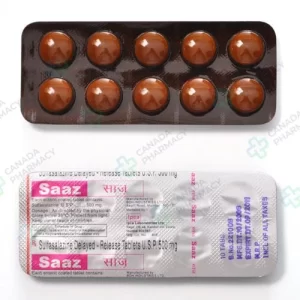
Azulfidine
Price range: $ 58,00 through $ 193,00
Active substance: sulfasalazine
More Details
This product has multiple variants. The options may be chosen on the product page
Diclofenac SR
Price range: $ 33,00 through $ 206,00
Active substance: diclofenac
More Details
This product has multiple variants. The options may be chosen on the product page
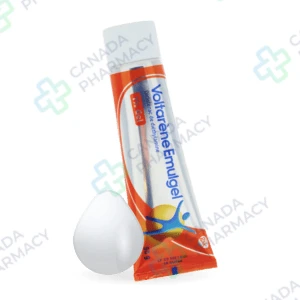
Emulgel
Price range: $ 51,00 through $ 323,00
Active substance: diclofenac
More Details
This product has multiple variants. The options may be chosen on the product page
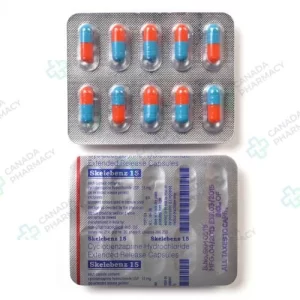
Flexeril
Price range: $ 57,00 through $ 648,00
Active substance: Cyclobenzaprine
More Details
This product has multiple variants. The options may be chosen on the product page
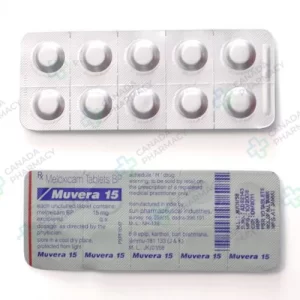
Mobic
Price range: $ 18,00 through $ 140,00
Active substance: meloxicam
More Details
This product has multiple variants. The options may be chosen on the product page
Nimotop
Price range: $ 40,00 through $ 338,00
Active substance: Nimodipine
More Details
This product has multiple variants. The options may be chosen on the product page
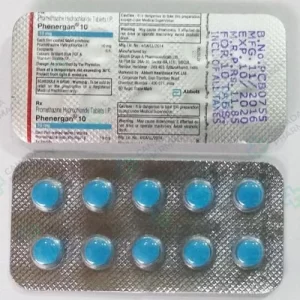
Phenergan
Price range: $ 42,00 through $ 136,00
Active substance: Promethazine
More Details
This product has multiple variants. The options may be chosen on the product page