

-43%
Nizoral
Price range: $ 60,00 through $ 410,00
Nootropil
Price range: $ 30,00 through $ 363,00
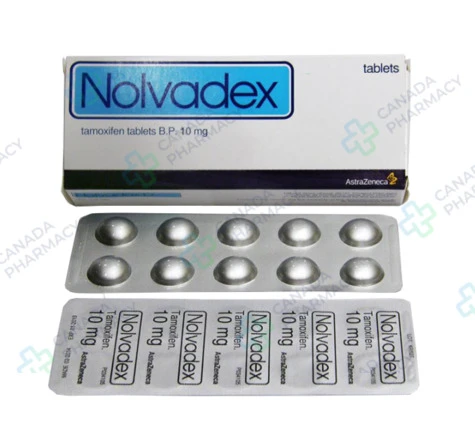
Nolvadex
Price range: $ 51,00 through $ 199,00
Nolvadex is a trusted medication primarily utilized for the treatment of metastatic breast cancer in both female and male patients. By effectively blocking estrogen receptors, this therapy helps to inhibit the growth of hormone-sensitive cancer cells within the body. It is also widely used as an adjuvant treatment to reduce the risk of cancer recurrence following surgery or radiation therapy. Additionally, Nolvadex is indicated for reducing the incidence of invasive breast cancer in individuals at high risk for the disease. This medication remains a cornerstone in the long-term management and prevention of hormone-responsive breast conditions.
Active substance: Tamoxifen
Delivery: 5–21 days (depending on the shipping method)
Extra 10% discount with coupon: IT4K6SVM
Each dosage option has its own packaging choices.
Description
Nolvadex – What You Need to Know
Nolvadex belongs to a group of medicines called selective estrogen receptor modulators (SERMs). It contains tamoxifen citrate as its active ingredient and is dispensed in accordance with applicable federal and state regulations as a prescription-only medication. This therapeutic agent displays complex tissue-specific pharmacology, acting primarily as an estrogen receptor antagonist in breast tissue.
In addition to its antagonistic properties in target tissue, the drug exhibits partial estrogen agonist effects in other organs, including the uterus and skeleton. Understanding its mechanism of action, pharmacokinetics, and clinical safety profile is essential for safe medical administration.
| Drug name | Nolvadex |
| Active ingredient | Tamoxifen citrate |
| Therapeutic class | Selective Estrogen Receptor Modulator (SERM) |
| Dosage form | Oral tablet |
| Route of administration | Oral |
| Prescription status | Prescription (Rx) only |
How the drug works
The mechanism of action of Nolvadex centers on its selective binding affinity for intracellular estrogen receptors. By competitively binding to these receptor sites within target tissue, the active compound inhibits the binding of endogenous estradiol. This blockade halts gene transcription pathways that drive cellular proliferation in estrogen receptor-positive (ER-positive) breast carcinomas. Beyond its primary receptor-blocking role, the drug demonstrates tissue-selective activity. While it functions as a strict antagonist in mammary tissue, it acts as a partial estrogen agonist in bone tissue and the endometrium, which contributes to both bone density preservation and potential endometrial proliferation during extended therapy.
Main uses
Nolvadex is indicated for the treatment of metastatic breast cancer in both female and male patients. It is also approved for adjuvant treatment of ER-positive node-positive or node-negative early-stage breast cancer following initial surgical intervention and radiation. Furthermore, the drug is used to reduce the incidence of breast cancer in high-risk women, as well as to reduce the risk of invasive breast carcinoma in women diagnosed with ductal carcinoma in situ (DCIS) following surgery and radiation. Any clinical application outside these FDA-approved parameters–such as off-label use for gynecomastia management or post-cycle endocrine support–must be determined strictly by a licensed prescriber.
Dosing schedule
The recommended standard daily dosage ranges from 20 mg to 40 mg, administered orally. For daily doses of 20 mg, the medication is taken once per day. When daily prescribed dosages exceed 20 mg, the total amount is typically divided into two equal doses taken in the morning and evening. Tablets should be swallowed whole with water and may be taken independently of meals. Treatment duration in adjuvant breast cancer settings commonly spans 5 to 10 years, depending on individual therapeutic response and clinical evaluation. Patients should strictly adhere to the exact regimen defined by their healthcare provider.
How it’s absorbed and eliminated
Following oral administration, tamoxifen is readily absorbed, reaching peak serum concentrations within 4 to 7 hours. Steady-state blood concentrations are generally achieved after 3 to 4 weeks of continuous daily administration. The drug undergoes extensive hepatic metabolism via cytochrome P450 pathways, predominantly involving CYP3A4 and CYP2D6 enzymes. This process generates major active metabolites, including N-desmethyltamoxifen and endoxifen (4-hydroxy-N-desmethyltamoxifen), the latter possessing significantly higher affinity for estrogen receptors than the parent drug. The terminal elimination half-life of tamoxifen is approximately 5 to 7 days, whereas the half-life of endoxifen is approximately 14 days. Excretion occurs primarily through feces via biliary clearance, with minimal renal elimination.
Compatibility with other medicines
Co-administration of Nolvadex with strong CYP2D6 inhibitors–such as paroxetine, fluoxetine, or quinidine–can markedly decrease the metabolic formation of endoxifen, potentially diminishing therapeutic efficacy. Concomitant administration of coumarin-type anticoagulants (e.g., warfarin) requires diligent clinical monitoring, as tamoxifen can significantly potentiate anticoagulant effects and elevate prothrombin time. Inducers of hepatic CYP3A4, such as rifampin, can accelerate clearance and reduce plasma concentrations of the active drug. Estrogen-containing medications, including oral contraceptives and hormone replacement therapies, should be avoided as they directly oppose the therapeutic pharmacological actions of the medication.
What to avoid while taking it
Food does not significantly alter the bioavailability of the drug, allowing doses to be taken with or without food. However, patients should avoid chronic excessive alcohol consumption, which may increase hepatic stress and aggravate vasomotor side effects such as hot flashes. Grapefruit juice and dietary supplements that modulate liver enzymes (such as St. John’s wort) should be avoided unless explicitly cleared by a physician, as they can alter serum drug levels through cytochrome P450 interaction pathways.
Adverse reactions
Adverse reactions observed during clinical use vary in severity and frequency. The most common side effects reported include vasomotor flushes (hot flashes), vaginal discharge, fluid retention, mild nausea, and menstrual irregularities in premenopausal women. Less frequent but clinically significant adverse events involve deep vein thrombosis, pulmonary embolism, superficial phlebitis, musculoskeletal pain, skin rashes, and liver enzyme elevations. Patients with bone metastases may experience transient hypercalcemia upon initiating therapy. Ocular changes, including cataracts and corneal opacities, have also been documented during prolonged administration.
Red flags
Patients taking Nolvadex must remain vigilant for signs of potentially serious medical complications. Immediate emergency medical attention is required if any of the following signs develop:
- Sudden shortness of breath, chest pain, or coughing up blood.
- Swelling, warmth, redness, or tenderness in one leg or calf.
- Sudden weakness, numbness, or paralysis on one side of the face or body.
- Abnormal vaginal bleeding, pelvic pain, or pressure.
- Visual changes, such as blurred vision or difficulty focusing.
Important precautions
Nolvadex carries serious clinical warnings regarding an increased risk of uterine malignancies, including endometrial adenocarcinoma and uterine sarcoma. It also increases the risk of serious thromboembolic events, such as deep vein thrombosis and pulmonary embolism. The drug is strictly contraindicated during pregnancy, as it can cause fetal harm; effective non-hormonal contraception must be utilized throughout treatment and for 9 months following the final dose. Breastfeeding should be discontinued during treatment. Patients with a history of deep vein thrombosis, pulmonary embolism, or known hypersensitivity to tamoxifen require careful risk assessment prior to initiating therapy.
If you skip a dose
If a dose is missed, it should be taken as soon as remembered on the same day. However, if it is almost time for the next scheduled dose, the missed dose should be skipped entirely, and the routine schedule resumed. Patients must never take two doses simultaneously or take extra medication to compensate for a missed tablet.
Storage and expiration
Store the medication at controlled room temperature between 20°C to 25°C (68°F to 77°F), with excursions permitted between 15°C to 30°C (59°F to 86°F). Protect the container from light and moisture. Keep the bottle tightly closed and out of reach of children and pets. Properly discard any drug that is expired or no longer needed according to federal and state guidelines.
Common Questions
How does CYP2D6 enzyme activity affect treatment outcomes?
The CYP2D6 enzyme is responsible for converting tamoxifen into its active metabolite, endoxifen. Patients who are poor CYP2D6 metabolizers, or those taking medications that inhibit CYP2D6, may form lower levels of endoxifen. This reduced conversion can potentially decrease the overall therapeutic efficacy of the medication, making enzyme status an important factor for prescribing physicians to evaluate.
Is routine gynecological monitoring necessary while on therapy?
Yes, regular gynecological examinations are essential for patients taking this drug due to the heightened risk of endometrial changes and uterine malignancies. Patients should promptly report any unusual vaginal bleeding, unexpected discharge, or persistent pelvic pain to their healthcare provider. Routine evaluations allow for early detection and management of potential uterine abnormalities.
Can hormonal birth control be used alongside this drug?
No, hormonal contraceptives (such as birth control pills, patches, or hormonal IUDs) should not be used while taking this drug. Because hormonal contraceptives release estrogens or progestins, they can interfere directly with the anti-estrogenic action of the treatment. Non-hormonal barrier methods of contraception are required for patients of childbearing potential.
What baseline lab tests are performed before starting treatment?
Before beginning therapy, healthcare providers routinely order baseline blood tests, including a complete blood count (CBC), liver function tests, and serum calcium assessments. Women of childbearing potential must also undergo a negative pregnancy test prior to initiation. Periodic laboratory monitoring is maintained throughout the treatment duration to track overall organ function and safety.
Information on this page is for reference and does not replace an assessment by a licensed healthcare professional.
In accordance with FDA requirements.
Additional information
| Dosage |
10mg ,20mg |
|---|---|
| Package |
60 pills ,90 pills ,120 pills ,180 pills ,270 pills ,360 pills |
| Ενεργός Ουσία |
Related products
Arimidex
Price range: $ 194,00 through $ 441,00
Active substance: Anastrozole
More Details
This product has multiple variants. The options may be chosen on the product page
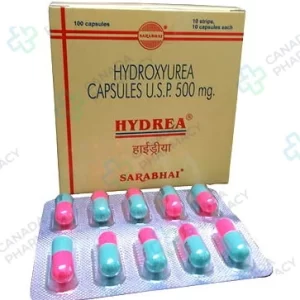
Hydrea
Price range: $ 64,00 through $ 541,00
Active substance: Hydroxyurea
More Details
This product has multiple variants. The options may be chosen on the product page

Melatonin
Anti-Inflammatories, AntiConvulsants, AntiParasitics, Cancer, Dementias, HIV, Migraine, Osteoporosis, Respiratory Tract
Price range: $ 46,00 through $ 201,00
Active substance: Melatonin
More Details
This product has multiple variants. The options may be chosen on the product page

Methotrexate
Price range: $ 36,00 through $ 694,00
Active substance: methotrexate
More Details
This product has multiple variants. The options may be chosen on the product page
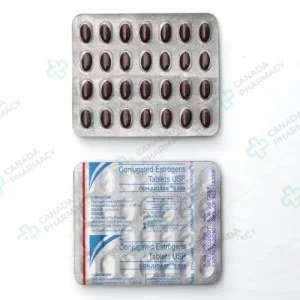
Premarin
Price range: $ 379,00 through $ 705,00
Active substance: Conjugated Estrogens
More Details
This product has multiple variants. The options may be chosen on the product page

Purinethol
Price range: $ 107,00 through $ 349,00
Active substance: Mercaptopurine
More Details
This product has multiple variants. The options may be chosen on the product page
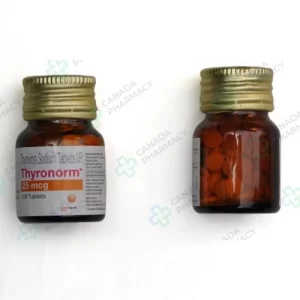
Synthroid
Price range: $ 43,00 through $ 170,00
Active substance: Levothyroxine
More Details
This product has multiple variants. The options may be chosen on the product page
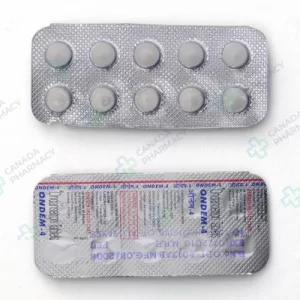
Zofran
Price range: $ 44,00 through $ 258,00
Active substance: Ondansetron
More Details
This product has multiple variants. The options may be chosen on the product page