

-18%
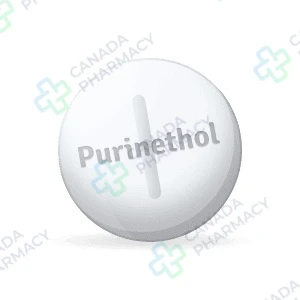
Pulmicort Inhaler
Price range: $ 65,00 through $ 302,00
Rebetol
Price range: $ 78,00 through $ 446,00
Purinethol
Price range: $ 107,00 through $ 349,00
Purinethol is a potent antineoplastic medication containing mercaptopurine, which belongs to the class of drugs known as antimetabolites. It is specifically indicated for the maintenance therapy of acute lymphoblastic leukemia (ALL) to help achieve and sustain clinical remission. By interfering with the synthesis of nucleic acids, the medication effectively inhibits the growth and proliferation of malignant cells. This treatment is a vital component of combination chemotherapy regimens used to manage various forms of lymphatic leukemia. Purinethol is available in oral tablet form, ensuring precise dosing for patients undergoing long-term oncological care.
Active substance: Mercaptopurine
Delivery: 5–21 days (depending on the shipping method)
Extra 10% discount with coupon: IT4K6SVM
Each dosage option has its own packaging choices.
Description
Purinethol – Information for Patients and Caregivers
Purinethol belongs to a class of medications known as antimetabolites, specifically purine analogs used in cancer chemotherapy. This prescription medication functions by disrupting cellular nucleic acid synthesis, thereby inhibiting the rapid proliferation of neoplastic cells.
It is primarily prescribed as a component of combination maintenance therapy in acute lymphoblastic leukemia under strict oncologic supervision. Prescriptions must be dispensed and monitored strictly in accordance with applicable federal and state regulations.
| Drug name | Purinethol |
| Active ingredient (INN) | Mercaptopurine |
| Therapeutic class | Antineoplastic Agent (Purine Analog) |
| Dosage form | 50 mg Oral Tablet |
| Route of administration | Oral |
| Prescription status | Prescription (Rx) only |
How the drug works
Purinethol (mercaptopurine) is an antimetabolite cytotoxic agent. Chemically, it acts as an analog to purine bases–specifically adenine and hypoxanthine–which are essential building blocks for cellular DNA and RNA synthesis. Once absorbed into target cells, mercaptopurine undergoes intracellular enzymatic conversion by hypoxanthine-guanine phosphoribosyltransferase (HGPRT) into its active nucleotide metabolites, including thio-inosine monophosphate (T-IMP) and thioguanine nucleotides (TGNs).
These active thiopurine metabolites incorporate into cellular nucleic acid chains, resulting in DNA strand breaks and inhibition of de novo purine synthesis. By disrupting key enzymatic pathways required for nucleotide assembly, Purinethol halts DNA replication during the S-phase of the cell cycle. Consequently, rapidly dividing cell populations, particularly malignant lymphoblasts, are unable to proliferate and undergo cell death.
Main uses
Purinethol is FDA-approved for the treatment of acute lymphoblastic leukemia (ALL) as part of a combination regimen for maintenance therapy. Its therapeutic primary purpose in this setting is to maintain clinical remission and prevent hematologic disease relapse in both pediatric and adult patient populations suffering from ALL.
Beyond its primary oncologic indication, healthcare providers may utilize Purinethol for unapproved (off-label) clinical indications. Off-label uses include the management of moderate-to-severe inflammatory bowel disease, such as Crohn’s disease and ulcerative colitis, when conventional inflammatory therapies provide inadequate disease control. When prescribed off-label for autoimmune gastrointestinal conditions, the drug functions as an immunosuppressive agent to diminish chronic mucosal inflammation.
Dosing schedule
The dosage of Purinethol must be highly individualized based on body surface area, renal and hepatic clearance capacity, individual patient tolerance, and concomitant chemotherapeutic agents. For acute lymphoblastic leukemia, standard adult and pediatric starting doses typically range from 1.5 to 2.5 mg/kg administered orally as a single daily dose. Clinical dosing is continuously evaluated and adjusted by the treating physician based on serial complete blood counts (CBC) and hepatic function panels.
Tablets should be swallowed whole with water. Because Purinethol is a cytotoxic hazardous drug, caregivers handling the medication should avoid touching crushed or broken tablets. Dosage reductions are mandatory in patients with inherited genetic deficiencies of thiopurine S-methyltransferase (TPMT) or NUDT15 enzymes, as well as patients concomitantly receiving xanthine oxidase inhibitors.
What happens in the body
Following oral administration, absorption of Purinethol through the gastrointestinal tract is variable, with systemic bioavailability averaging approximately 16% to 50% due to significant first-pass hepatic metabolism. Peak plasma concentrations are typically reached within 1 to 2 hours after oral ingestion. Plasma protein binding is relatively low, measured at approximately 19%.
The elimination half-life of parent mercaptopurine in human plasma is short, ranging between 47 minutes and 1.5 hours. However, the intracellular active metabolites (thioguanine nucleotides) exhibit extended retention within tissues. Metabolism occurs primarily through three competing enzymatic pathways: xanthine oxidase in the liver and gut, thiopurine S-methyltransferase (TPMT), and intracellular activation via HGPRT. Metabolites and unchanged drug are excreted primarily by the kidneys in urine.
Important precautions
Purinethol carries substantial risks of severe bone marrow suppression (myelosuppression), leading to leukopenia, thrombocytopenia, and anemia. Hematologic parameters must be evaluated frequently during treatment. Patients with homozygous deficiency in TPMT or NUDT15 enzymes face extreme risk of early-onset, life-threatening bone marrow toxicity and require significantly reduced starting dosages.
Hepatotoxicity is another critical adverse potential, manifesting as cholestatic jaundice, hepatic necrosis, or biliary stasis; periodic liver function testing is required. Thiopurines are classified as human carcinogens, associated with increased long-term risks of secondary malignancies, including lymphoma and non-melanoma skin cancers. Regarding special populations, Purinethol can cause fetal harm when administered during pregnancy; effective contraception is mandatory for female and male patients of reproductive potential. Breastfeeding is not recommended during therapy.
Adverse reactions
Adverse reactions to Purinethol predominantly stem from its cytotoxic and immunosuppressive properties. The most frequent clinical side effect is myelosuppression, presenting as reduced white blood cell counts, decreased blood platelets, and lower hemoglobin levels. Patients frequently experience gastrointestinal reactions, including nausea, vomiting, anorexia, diarrhea, and oral mucositis.
Hepatic dysfunction can occur, marked by elevated serum bilirubin, transaminases, or alkaline phosphatase. Additional potential adverse effects include hyperuricemia resulting from rapid cell lysis during leukemia therapy, skin rash, alopecia, and hyperpigmentation. Long-term administration carries an elevated risk of opportunistic viral, bacterial, or fungal infections due to immune suppression.
Red flags
Patients taking Purinethol must seek immediate emergency medical evaluation if any severe or life-threatening symptoms arise. Signs of acute systemic toxicity require urgent intervention to prevent severe organ damage or septic complications.
Critical warning signs demanding immediate emergency medical attention include:
- High fever, chills, sore throat, or other signs of acute infection
- Severe or unexplained bruising, purple spots on the skin, or bleeding from gums or nose
- Jaundice (yellowing of the skin or eyes), dark urine, or severe right upper quadrant abdominal pain
- Severe persistent nausea, inability to retain fluids, or intractable vomiting
- Shortness of breath, chest discomfort, or sudden severe physical exhaustion
- Severe rash, skin peeling, or swelling of the face, lips, tongue, or throat
Compatibility with other medicines
Co-administration of Purinethol with xanthine oxidase inhibitors (such as allopurinol or febuxostat) significantly impairs mercaptopurine metabolism, leading to severe toxicity; concurrent allopurinol therapy requires reducing the Purinethol dose to 25% to 33% of the standard regimen. Co-administration with aminosalicylate derivatives (e.g., mesalamine, sulfasalazine) can inhibit the TPMT enzyme, increasing bone marrow suppression risks.
Combining Purinethol with other myelosuppressive agents or cytotoxic drugs compounds hematologic toxicity. In addition, concomitant administration with warfarin may attenuate the anticoagulant activity of warfarin, necessitating closer international normalized ratio (INR) monitoring. Live attenuated vaccines must be strictly avoided during Purinethol therapy due to the risk of severe vaccine-derived infection in immunosuppressed individuals.
What to avoid while taking it
Purinethol may be taken with food or on an empty stomach, but consistency in timing relative to meals is essential to maintain uniform systemic exposure. Concomitant intake of cow’s milk should be managed cautiously; milk contains xanthine oxidase, an enzyme capable of degrading mercaptopurine in the gastrointestinal tract, potentially reducing oral drug absorption.
Alcohol consumption should be strictly limited or avoided during treatment due to additive hepatotoxic risks. Because Purinethol sensitizes the skin to ultraviolet radiation, patients must avoid excessive sun exposure, tanning lamps, and should apply broad-spectrum sunscreen along with protective clothing when outdoors.
If you skip a dose
If a dose of Purinethol is missed, the patient should contact their oncology care team or follow specific pre-established clinical guidance. Typically, if remembered within a short window, the missed dose may be taken; however, if it is close to the time for the next scheduled dose, the missed dose should be skipped entirely.
Patients should never double the dose or take extra tablets to make up for a missed administration. Taking excess dosage significantly elevates the risk of acute hematologic or hepatic toxicity. Keeping a written administration log is recommended to avoid accidental omissions or double dosing.
Storage and expiration
Purinethol tablets should be stored at controlled room temperature between 20°C and 25°C (68°F to 77°F), with excursions permitted between 15°C and 30°C (59°F and 86°F). Keep the bottle tightly closed in a dry place away from direct light, heat, and moisture.
Because mercaptopurine is a hazardous antineoplastic medication, it must be kept strictly out of the reach of children and pet animals. Unused or expired tablets should not be disposed of via household trash or wastewater; instead, utilize authorized hazardous drug take-back programs or consult a pharmacy in accordance with federal and state environmental safety guidelines.
Common questions
Why is TPMT enzyme testing performed before starting Purinethol?
Testing for thiopurine S-methyltransferase (TPMT) activity or genetic variants identifies patients who metabolize mercaptopurine at significantly lower rates. Individuals with low or absent TPMT activity accumulate higher concentrations of toxic active metabolites, placing them at severe risk of life-threatening bone marrow failure unless their Purinethol dosage is substantially reduced.
Can live vaccines be administered while taking Purinethol?
No, live attenuated vaccines (such as MMR, varicella, or live zoster vaccines) should not be administered to patients receiving Purinethol. Because the drug suppresses the immune system, live viral or bacterial vaccine strains can multiply and cause serious, potentially fatal systemic infection rather than conferring immunity.
How often are blood tests required during Purinethol therapy?
Complete blood counts (CBC) and hepatic function tests are typically performed weekly during the initial phase of treatment and when adjusting doses. Once stable therapeutic levels and blood counts are established, monitoring intervals may be adjusted to biweekly or monthly based on the clinical judgment of the supervising physician.
What safety precautions are necessary when handling Purinethol tablets?
Caregivers handling Purinethol should wash their hands thoroughly before and after handling the bottle. Tablets should be swallowed whole and never crushed, split, or chewed, as inhaling or touching active drug powder presents chemical exposure hazards. Pregnant caregivers should avoid handling cytotoxicity-classified medications whenever possible.
Is sun protection necessary while receiving Purinethol?
Yes, treatment with thiopurines increases cutaneous sensitivity to ultraviolet light and elevates the long-term risk of non-melanoma skin malignancies. Patients taking Purinethol are advised to wear protective clothing, use broad-spectrum SPF sunscreen, and minimize direct sunlight exposure.
In accordance with FDA requirements.
Information on this page is for reference and does not replace an assessment by a licensed healthcare professional.
Additional information
| Dosage |
50 mg |
|---|---|
| Package |
100 tabs ,200 tabs ,300 tabs ,400 tabs |
| Ενεργός Ουσία |
Related products
Arimidex
Price range: $ 194,00 through $ 441,00
Active substance: Anastrozole
More Details
This product has multiple variants. The options may be chosen on the product page
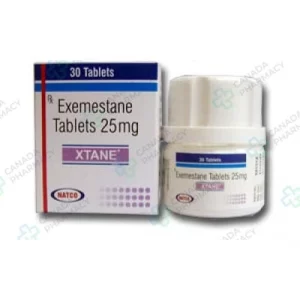
Aromasin
Price range: $ 123,00 through $ 1 152,00
Active substance: Exemestane
More Details
This product has multiple variants. The options may be chosen on the product page
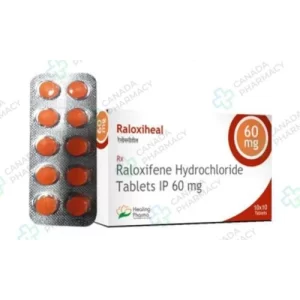
Evista
Price range: $ 50,00 through $ 361,00
Active substance: Raloxifene
More Details
This product has multiple variants. The options may be chosen on the product page
Levothroid
Price range: $ 42,00 through $ 144,00
Active substance: Levothyroxine sodium
More Details
This product has multiple variants. The options may be chosen on the product page
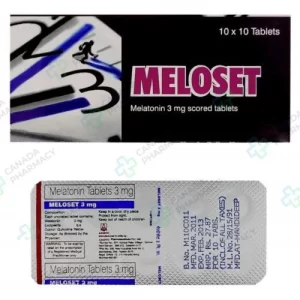
Melatonin
Anti-Inflammatories, AntiConvulsants, AntiParasitics, Cancer, Dementias, HIV, Migraine, Osteoporosis, Respiratory Tract
Price range: $ 46,00 through $ 201,00
Active substance: Melatonin
More Details
This product has multiple variants. The options may be chosen on the product page
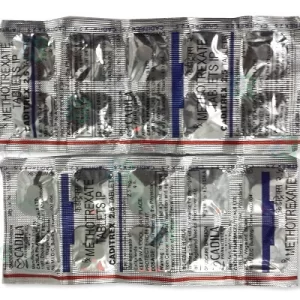
Methotrexate
Price range: $ 36,00 through $ 694,00
Active substance: methotrexate
More Details
This product has multiple variants. The options may be chosen on the product page
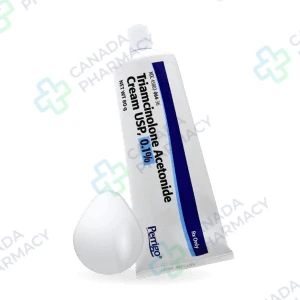
Triamcinolone
Price range: $ 45,00 through $ 289,00
Active substance: Triamcinolone
More Details
This product has multiple variants. The options may be chosen on the product page
Zyloprim
Price range: $ 43,00 through $ 144,00
Active substance: allopurinol
More Details
This product has multiple variants. The options may be chosen on the product page