

-23%
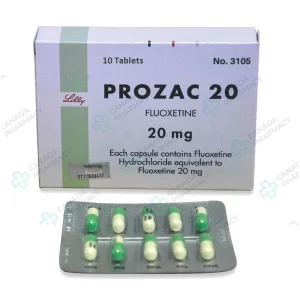
Prozac
Price range: $ 19,00 through $ 281,00
Purinethol
Price range: $ 107,00 through $ 349,00
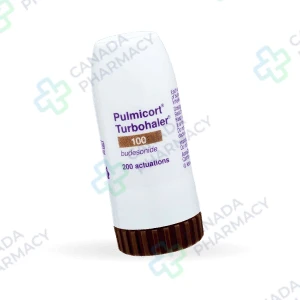
Pulmicort Inhaler
Price range: $ 65,00 through $ 302,00
Pulmicort Inhaler is a maintenance medication designed to provide long-term control and prevention of asthma symptoms. It contains budesonide, a potent corticosteroid that works by reducing inflammation and swelling within the airways. Consistent use of this inhaler helps decrease the frequency and severity of asthma attacks, making breathing easier over time. This medication is specifically formulated to manage chronic respiratory conditions in both adults and pediatric patients. By maintaining clear air passages, Pulmicort supports improved lung function and helps individuals maintain a more active lifestyle.
Active substance: Budesonide
Delivery: 5–21 days (depending on the shipping method)
Extra 10% discount with coupon: IT4K6SVM
Each dosage option has its own packaging choices.
Description
Pulmicort belongs to a group of medicines called inhaled corticosteroids, which act directly within the respiratory tract to reduce airway inflammation and hyperresponsiveness. It is prescribed as a long-term maintenance treatment to prevent and control bronchial asthma symptoms in adult and pediatric patients. In the United States, this medication is dispensed strictly as a prescription-only (Rx) agent under applicable federal regulations.
Effective asthma management relies on proper inhalation technique and consistent daily administration as prescribed by a licensed healthcare practitioner. Unlike short-acting bronchodilators, this controller medication does not provide immediate reversal of sudden, acute bronchospasm.
Clinical Profile and Usage Overview
| Parameter | Details |
|---|---|
| Active ingredient | Budesonide |
| Therapeutic class | Inhaled Corticosteroid (AHFS Respiratory Tract Agent) |
| Dosage form | Inhalation powder / Inhalation suspension |
| Route of administration | Oral inhalation |
| Prescription status | Prescription only (Rx) |
| Storage conditions | 68°F to 77°F (20°C to 25°C) |
How the drug works
The active ingredient, budesonide, is a synthetic anti-inflammatory corticosteroid with potent glucocorticoid activity and minimal systemic mineralocorticoid effects. Upon inhalation, budesonide crosses cell membranes and binds with high affinity to intracellular glucocorticoid receptors. The formed drug-receptor complex interacts with cellular DNA to inhibit the transcription of inflammatory cytokines, chemokines, and enzymes such as phospholipase A2. This cascade reduces mucosal edema, capillary permeability, cellular exudation, and inflammatory cell migration (including eosinophils, T-lymphocytes, and mast cells) within the pulmonary tissues. Over time, this mechanism decreases bronchial hyperresponsiveness to external environmental triggers.
Main uses
Inhaled budesonide is FDA-approved for the maintenance treatment and prophylaxis of asthma in adults and children. Regular daily administration decreases the frequency and severity of asthma exacerbations and leads to improvement in objective measures of pulmonary function, such as Forced Expiratory Volume in 1 second (FEV1). This drug is not indicated for the relief of acute asthma attacks or status asthmaticus. Prescribing budesonide for unapproved conditions, such as acute exacerbations of non-asthmatic chronic obstructive pulmonary disease (COPD) or eosinophilic esophagitis, represents off-label use and must be evaluated individually by a qualified physician.
What happens in the body
Following oral inhalation, a portion of the delivered dose reaches the respiratory tree, while the remainder is swallowed. Absolute systemic bioavailability from an inhaled dose averages approximately 20% to 40% depending on the specific inhalation device and patient deposition efficiency. Peak plasma concentration (Cmax) is generally reached within 1 to 2 hours after inhalation. Budesonide exhibits an average volume of distribution of approximately 3 L/kg, demonstrating extensive tissue uptake, and plasma protein binding is approximately 88% to 90%. Systemic metabolism occurs primarily in the liver via the cytochrome P450 enzyme CYP3A4 into low-potency metabolites, such as 16-alpha-hydroxyprednisolone. The terminal elimination half-life averages 2 to 3 hours in adult subjects, with clearance occurring through urine and feces.
Dosing schedule and administration
Dosage must be individualized based on asthma severity and prior controller therapy. In adult patients, starting maintenance dosages commonly range from 180 mcg to 360 mcg administered twice daily, with maximum recommended doses reaching up to 720 mcg twice daily in severe cases. Pediatric dosing depends on age and clinical response, usually initiated at lower strength levels. Inhalation must occur regularly every day, even during asymptomatic periods. Patients are required to rinse their mouth thoroughly with water and spit it out after each dose to minimize local steroid exposure. The inhalation mouthpiece should be cleaned with a dry cloth and never immersed in water.
First days of treatment
Patients beginning therapy should note that inhaled corticosteroids do not deliver immediate bronchodilator relief. Measurable improvements in asthma control and lung function typically begin within 24 to 48 hours after starting regular daily administration, though maximum therapeutic benefits may require 1 to 2 weeks or longer of continuous therapy. During the initial phase, patients must maintain immediate access to a short-acting beta-2 agonist (such as albuterol) for acute symptoms. Discontinuing maintenance therapy early due to the absence of instant relief can precipitate severe asthma exacerbations.
Compatibility with other medicines
Co-administration of budesonide with strong inhibitors of the cytochrome P450 3A4 (CYP3A4) enzyme system can significantly increase plasma concentrations of budesonide. Strong CYP3A4 inhibitors include ketoconazole, itraconazole, clarithromycin, ritonavir, and cobicistat. Concomitant use with these agents may increase the risk of systemic corticosteroid effects, including adrenal suppression. Caution is indicated when combining budesonide with systemic corticosteroids, as cumulative exposure enhances hypothalamic-pituitary-adrenal (HPA) axis suppression. Patients using potassium-depleting diuretics concurrently should be monitored for serum electrolyte alterations.
Adverse reactions
Adverse events associated with inhaled budesonide predominantly involve local upper respiratory tract reactions. Frequently reported adverse effects include oropharyngeal candidiasis (thrush), dysphonia (hoarseness or voice changes), pharyngitis, cough, and nasal congestion. Systemic reactions occur less frequently but can include headache, back pain, gastroenteritis, and upper respiratory infections. Hypersensitivity reactions–including rash, urticaria, angioedema, and bronchospasm–have been observed in rare cases. If paradoxical bronchospasm occurs immediately after dosing, the medication must be discontinued and an immediate-acting bronchodilator administered.
Important precautions
Transitioning patients from systemic oral corticosteroid therapy to inhaled budesonide requires careful monitoring, as clinical signs of adrenal insufficiency and HPA axis suppression may emerge during systemic withdrawal. Long-term use of inhaled corticosteroids has been associated with decreases in bone mineral density, warranting periodic evaluation in patients with risk factors for osteoporosis. Glaucoma, increased intraocular pressure, and cataracts have been reported following long-term administration; visual monitoring is advised. Patients with active or quiescent tuberculosis, untreated fungal, bacterial, viral, or parasitic infections, or ocular herpes simplex must be managed with caution due to potential immunosuppressive effects.
Special populations
During pregnancy, budesonide is often considered a preferred inhaled corticosteroid when maintenance asthma control is necessary, supported by observational clinical data indicating no marked increase in congenital malformations. Budesonide is excreted in human milk in small amounts, but therapeutic inhaled doses are generally considered compatible with breastfeeding under medical guidance. Pediatric patients receiving long-term treatment should have growth parameters monitored regularly, as inhaled corticosteroids may reduce growth velocity temporarily. Dose adjustments are generally not required for elderly patients, though monitoring for ocular and bone density changes is recommended.
If you skip a dose
If a dose is missed, it should be administered as soon as remembered unless it is nearly time for the next scheduled dose. Patients must not double the dose or take additional inhalations to compensate for a missed administration. Adhering to a steady dosing interval ensures continuous anti-inflammatory activity within the pulmonary mucosa and avoids fluctuations in symptom management.
Storage and expiration
Pulmicort should be stored at controlled room temperature between 68°F and 77°F (20°C to 25°C), with permitted excursions between 59°F and 86°F (15°C to 30°C). The device must be protected from high humidity, direct heat, and excessive light. Keep the protective cover tightly closed when not in use. Discard the inhaler when the dose indicator reaches zero or after the designated timeframe following removal from its protective foil packaging.
Frequently Asked Questions
Is Pulmicort suitable for treating a sudden asthma attack?
No, Pulmicort is a long-term controller medication designed to reduce chronic mucosal inflammation and is not formulated to relieve acute bronchospasm. For sudden asthma symptoms or acute attacks, a short-acting bronchodilator rescue inhaler (such as albuterol) must be used immediately.
Why is rinsing the mouth necessary after using the inhaler?
Rinsing the oral cavity with water and spitting it out after every inhalation removes residual steroid particles deposited on the mucosa. This practice significantly lowers the incidence of localized fungal infections (oral candidiasis) and throat irritation associated with inhaled corticosteroids.
Does inhaled budesonide cause weight gain like oral steroid tablets?
Systemic exposure from inhaled budesonide is significantly lower than that from oral systemic corticosteroids (such as prednisone). At recommended therapeutic doses, inhaled budesonide is markedly less likely to induce systemic corticosteroid side effects, such as fluid retention or metabolic weight gain.
Can Pulmicort be used alongside allergy medications?
Inhaled corticosteroids can generally be safely co-administered with oral antihistamines, nasal sprays, and leukotriene receptor antagonists under the direction of a healthcare provider. All concurrent treatments should be disclosed to the prescriber to evaluate total medication management.
In accordance with FDA requirements.
Information on this page is for reference and does not replace an assessment by a licensed healthcare professional.
Additional information
| Dosage |
100 mcg |
|---|---|
| Package |
1 inhaler ,3 inhaler ,6 inhaler |
| Ενεργός Ουσία |
Related products
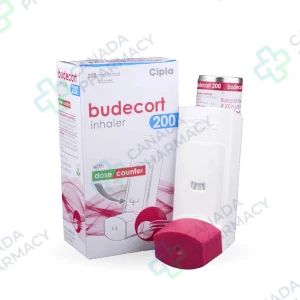
Budecort Inhaler
Price range: $ 17,00 through $ 92,00
Active substance: Budesonide
More Details
This product has multiple variants. The options may be chosen on the product page
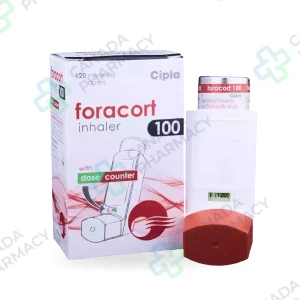
Foracort Inhaler
Price range: $ 47,00 through $ 345,00
Active substance: Budesonide, Formoterol
More Details
This product has multiple variants. The options may be chosen on the product page
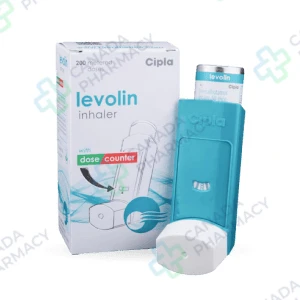
Levolin Inhaler
Price range: $ 9,00 through $ 48,00
Active substance: Levosalbutamol
More Details
This product has multiple variants. The options may be chosen on the product page
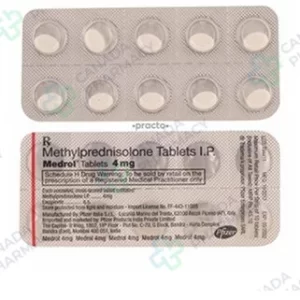
Medrol
Price range: $ 49,00 through $ 497,00
Active substance: Medrol
More Details
This product has multiple variants. The options may be chosen on the product page
Montair
Price range: $ 19,00 through $ 45,00
Active substance: Montelukast
More Details
This product has multiple variants. The options may be chosen on the product page
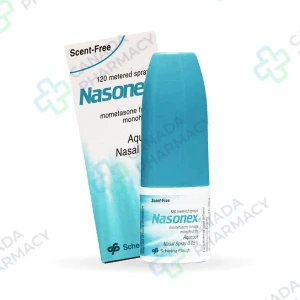
Nasonex nasal spray
Price range: $ 62,00 through $ 276,00
Active substance: Mometasone Furoate Monohydrate
More Details
This product has multiple variants. The options may be chosen on the product page
Quibron-T
Price range: $ 43,00 through $ 492,00
Active substance: Theophylline
More Details
This product has multiple variants. The options may be chosen on the product page
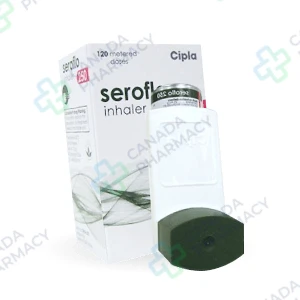
Seroflo
Price range: $ 110,00 through $ 659,00
Active substance: fluticasone, Salmeterol
More Details
This product has multiple variants. The options may be chosen on the product page