

-18%

Protopic
Price range: $ 27,00 through $ 86,00
Pulmicort Inhaler
Price range: $ 65,00 through $ 302,00
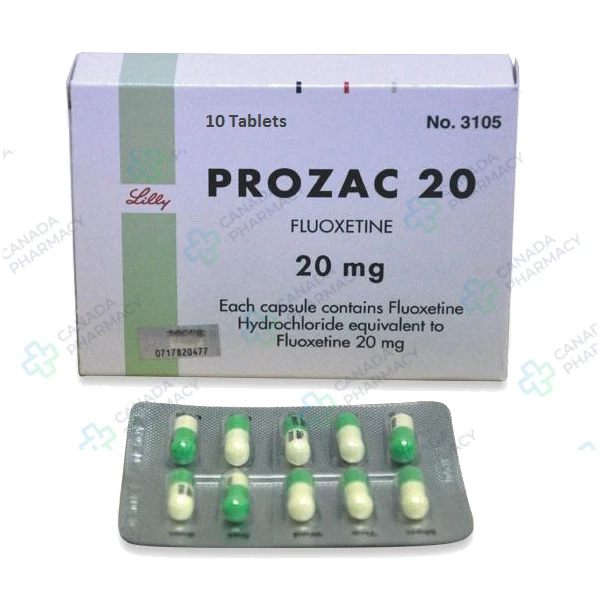
Prozac
Price range: $ 19,00 through $ 281,00
Prozac is a widely recognized selective serotonin reuptake inhibitor (SSRI) designed to treat several common mental health conditions. It is primarily indicated for the management of major depressive disorder and obsessive-compulsive disorder in both adults and children. This medication is also highly effective in treating panic disorder and addressing the specific symptoms of bulimia nervosa. Additionally, it provides relief for the physical and emotional distress associated with premenstrual dysphoric disorder. By helping to restore the balance of serotonin in the brain, Prozac supports improved mood, better sleep patterns, and increased energy levels.
Active substance: Fluoxetine
Delivery: 5–21 days (depending on the shipping method)
Extra 10% discount with coupon: IT4K6SVM
Each dosage option has its own packaging choices.
Description
Prozac belongs to a class of medications known as selective serotonin reuptake inhibitors (SSRIs). It is a prescription drug approved by the US Food and Drug Administration (FDA) for the treatment of specific mood and anxiety disorders. Proper administration requires strict adherence to a healthcare provider’s instructions and routine medical supervision.
As a federal prescription medication in the United States, Prozac is available only under the supervision of a licensed healthcare provider. Patients prescribed this therapy should understand its therapeutic indications, potential interactions, and safety profile before initiating treatment.
| Property | Details |
|---|---|
| Active ingredient (INN) | Fluoxetine hydrochloride |
| Therapeutic class | Selective Serotonin Reuptake Inhibitor (SSRI) |
| Dosage form | Oral capsule, delayed-release capsule, oral solution |
| Route of administration | Oral |
| Prescription status | Prescription (Rx) only |
| Primary purpose | Treatment of major depressive disorder, OCD, bulimia nervosa, panic disorder |
| Storage | Controlled room temperature 15°C to 30°C (59°F to 86°F) |
Pharmacological Overview and Applications
How the drug works
Fluoxetine, the active moiety in Prozac, selectively inhibits the neuronal reuptake of serotonin (5-HT) in the central nervous system. By blocking the serotonin transporter protein (SERT), the drug increases the concentration of serotonin within the synaptic cleft. Enhanced serotonergic neurotransmission is associated with mood regulation and emotional stability. Fluoxetine exhibits minimal affinity for adrenergic, cholinergic, or histaminergic receptors compared to older tricyclic antidepressants, which contributes to a distinct side effect profile. Full pharmacological response often requires several weeks of continuous administration as downstream neuroplastic adjustments occur.
Main uses
The FDA has approved Prozac for the treatment of Major Depressive Disorder (MDD) in adult and pediatric patients (aged 8 years and older). It is also approved for Obsessive-Compulsive Disorder (OCD) in adults and pediatric populations (aged 7 years and older), moderate-to-severe Bulimia Nervosa in adults, and Panic Disorder with or without agoraphobia in adults. Additionally, fluoxetine is indicated for treatment-resistant depression and bipolar I depression when used in specific combination regimens with olanzapine. Use for conditions outside these FDA-labeled indications is classified as off-label and requires distinct clinical evaluation by a prescribing clinician.
Dosing schedule
Dosage schedules for Prozac vary depending on the target indication, patient age, and clinical response. For Major Depressive Disorder in adults, the standard initial dose is 20 mg once daily administered in the morning. Dose adjustments, if clinically necessary, are typically implemented after several weeks of assessment, up to a maximum recommended dose of 80 mg daily. For Bulimia Nervosa, the target therapeutic dose is generally 60 mg per day. Pediatric patients usually initiate treatment at lower daily doses. Doses above 20 mg per day may be administered in divided morning and noon regimens to decrease central nervous system stimulation. Healthcare providers determine exact titration protocols based on individual patient tolerability.
What happens in the body
Fluoxetine is well absorbed from the gastrointestinal tract following oral administration, reaching peak plasma concentrations within 6 to 8 hours. The presence of food does not significantly alter systemic bioavailability, though it may slightly delay absorption time. Fluoxetine undergoes extensive hepatic metabolism primarily via the cytochrome P450 enzyme CYP2D6 into its primary active metabolite, norfluoxetine. The elimination half-life of fluoxetine ranges from 1 to 4 days after acute administration and 2 to 4 days following chronic dosing. Norfluoxetine has a significantly longer elimination half-life of approximately 4 to 16 days. The prolonged half-life of both parent compound and metabolite results in persistence of the drug in the body for several weeks after treatment discontinuation.
Safety Profile and Clinical Precautions
What not to combine
Fluoxetine interacts with numerous therapeutic agents due to its metabolic pathway and pharmacodynamic properties. Concurrent administration with monoamine oxidase inhibitors (MAOIs) is strictly contraindicated due to the risk of severe, potentially fatal serotonin syndrome. At least 14 days must elapse between discontinuing an MAOI and starting fluoxetine, and at least 5 weeks must pass after stopping fluoxetine before initiating an MAOI. Fluoxetine is a potent inhibitor of the hepatic CYP2D6 enzyme, which can elevate plasma levels of co-administered drugs metabolized by this pathway, including certain antiarrhythmics, tricyclic antidepressants, and antipsychotics. Co-administration with nonsteroidal anti-inflammatory drugs (NSAIDs), aspirin, or anticoagulants like warfarin increases the risk of upper gastrointestinal bleeding.
Adverse reactions
Common adverse effects associated with Prozac therapy include nausea, insomnia, fatigue, somnolence, tremor, anorexia, anxiety, and diaphoresis. Sexual dysfunction, including decreased libido, delayed ejaculation, and anorgasmia, is a recognized side effect that may persist during active treatment. Gastrointestinal disturbances such as diarrhea and dry mouth are frequently reported during initial dose titration. Hyponatremia, secondary to the syndrome of inappropriate antidiuretic hormone secretion (SIADH), can occur, particularly in elderly individuals or those taking diuretics. Weight changes, including modest weight loss initially followed by potential weight gain during long-term therapy, have been documented in clinical trials.
Important precautions
Prozac carries a Boxed Warning regarding an increased risk of suicidal thoughts and behaviors in children, adolescents, and young adults (up to age 24) during initial therapy and dosage adjustments. Patients of all ages initiating antidepressant treatment must be monitored closely for clinical worsening, agitation, or unusual behavioral changes. Caution is required in patients with a history of seizure disorders, hepatic impairment, or cardiovascular disease causing QT prolongation. Screening for bipolar disorder prior to initiating therapy is essential to avoid precipitating a manic episode. Dosage reductions or extended dosing intervals are recommended for patients with significant hepatic impairment.
First days of treatment
Patients beginning Prozac therapy often do not experience immediate symptomatic improvement. Therapeutic onset typically requires 2 to 4 weeks, with full clinical response taking 6 weeks or longer. During the first days of treatment, mild adverse effects such as transient nausea, headache, restlessness, or vivid dreams may occur. These early physical symptoms often lessen as the body adapts to the medication. Patients are advised to maintain consistent daily administration and communicate any persistent discomfort or early mood shifts to their treating physician.
Red flags
Immediate medical evaluation is necessary if a patient experiences severe adverse events while taking Prozac. Signs of serotonin syndrome–such as high fever, severe agitation, confusion, muscle rigidity, hyperreflexia, and rapid heart rate–demand emergency intervention. Sudden onset of severe skin reactions, generalized hives, facial swelling, or difficulty breathing indicates a potential hypersensitivity response. Emerging suicidal ideation, panic attacks, severe mania, severe unusual bleeding, or sudden visual changes with eye pain require immediate medical contact.
Food and alcohol interactions
Prozac may be taken with or without food, as gastrointestinal absorption remains clinically adequate regardless of dietary intake. However, taking the dose with meals may help reduce mild initial nausea. Patients undergoing fluoxetine therapy should avoid consuming alcohol. Alcohol can exacerbate central nervous system depression, increase drowsiness, impair motor skills, and potentially worsen underlying psychiatric symptoms, compromising overall therapeutic outcomes.
Storage and expiration
Prozac formulations should be stored at controlled room temperature between 15°C and 30°C (59°F and 86°F). Protect the medication from light and excessive moisture by keeping capsules or oral solutions in their original tightly closed containers. Do not store the medication in humid environments such as bathroom cabinets. Keep all prescription medications safely out of the reach of children and pets. Properly discard any medication that is past its stated expiration date following local pharmacy disposal guidelines.
Common questions
What should be done if a scheduled dose of Prozac is missed?
If a dose is missed, it should be taken as soon as remembered on that day, unless it is almost time for the next scheduled dose. Patients should not double the dose to compensate for a missed capsule. Because fluoxetine and its active metabolite have long elimination half-lives, missing a single dose rarely causes acute withdrawal symptoms, but consistency is critical for maintaining therapeutic plasma levels.
How does the long half-life of fluoxetine affect stopping the medication?
Due to the multi-day half-life of fluoxetine and norfluoxetine, the medication remains in the bloodstream for several weeks after the final dose. This extended elimination phase acts as a natural taper, reducing the frequency of acute withdrawal symptoms compared to short-acting SSRIs. However, discontinuation should still occur under medical guidance, and potential drug interactions persist for weeks after stopping treatment.
Can Prozac impair the ability to drive or operate machinery?
Fluoxetine can affect central nervous system function, potentially causing somnolence, dizziness, or slowed reaction times. Patients should evaluate their individual response to the medication before driving, operating heavy machinery, or engaging in hazardous activities requiring full mental alertness.
Is it safe to discontinue Prozac abruptly once symptoms improve?
Abrupt discontinuation without consulting a healthcare provider is not recommended. Although fluoxetine’s long half-life buffers against severe withdrawal, sudden cessation can lead to recurrence of underlying depressive or anxious symptoms. A structured discontinuation plan supervised by a prescriber ensures safe monitoring during the transition period.
Why does it take several weeks for Prozac to demonstrate full efficacy?
While fluoxetine begins inhibiting serotonin reuptake shortly after administration, clinical improvement requires long-term neurochemical adaptation. The therapeutic effect depends on gradual desensitization of presynaptic serotonin autoreceptors and downstream changes in gene expression and synaptic plasticity, which typically take 2 to 6 weeks to manifest fully.
In accordance with FDA requirements.
Information on this page is for reference and does not replace an assessment by a licensed healthcare professional.
Additional information
| Dosage |
10 mg ,20 mg ,40 mg ,60 mg |
|---|---|
| Package |
30 caps ,60 caps ,90 caps ,100 caps ,120 caps ,200 caps ,300 caps ,400 caps |
| Ενεργός Ουσία |
Related products
Anafranil
Price range: $ 41,00 through $ 457,00
Active substance: Clomipramine
More Details
This product has multiple variants. The options may be chosen on the product page
Bupron SR
Price range: $ 50,00 through $ 510,00
Active substance: Bupropion
More Details
This product has multiple variants. The options may be chosen on the product page
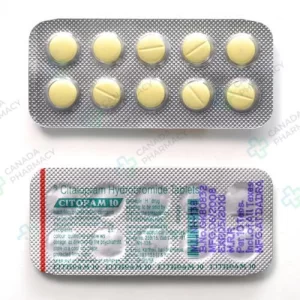
Celexa
Price range: $ 7,00 through $ 193,00
Active substance: Citalopram
More Details
This product has multiple variants. The options may be chosen on the product page
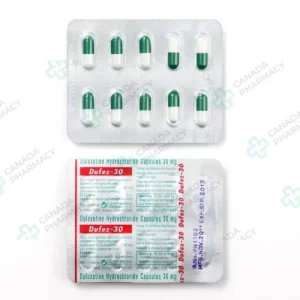
Cymbalta
Price range: $ 46,00 through $ 561,00
Active substance: Duloxetine
More Details
This product has multiple variants. The options may be chosen on the product page
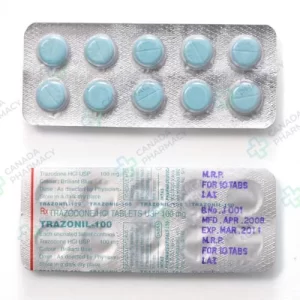
Desyrel
Price range: $ 41,00 through $ 206,00
Active substance: Trazodone
More Details
This product has multiple variants. The options may be chosen on the product page

Elavil
Price range: $ 39,00 through $ 222,00
Active substance: amitriptyline
More Details
This product has multiple variants. The options may be chosen on the product page
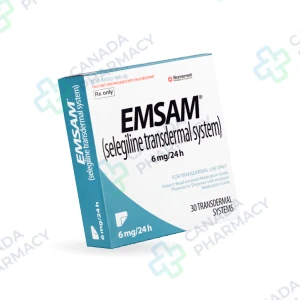
Emsam
Price range: $ 66,00 through $ 345,00
Active substance: Selegiline
More Details
This product has multiple variants. The options may be chosen on the product page
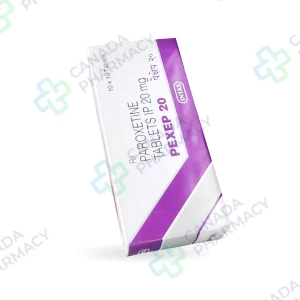
Pexep
Price range: $ 42,00 through $ 162,00
Active substance: paroxetine
More Details
This product has multiple variants. The options may be chosen on the product page