

-36%
Propranolol SR
Price range: $ 39,00 through $ 136,00
Prozac
Price range: $ 19,00 through $ 281,00
Protopic
Price range: $ 27,00 through $ 86,00
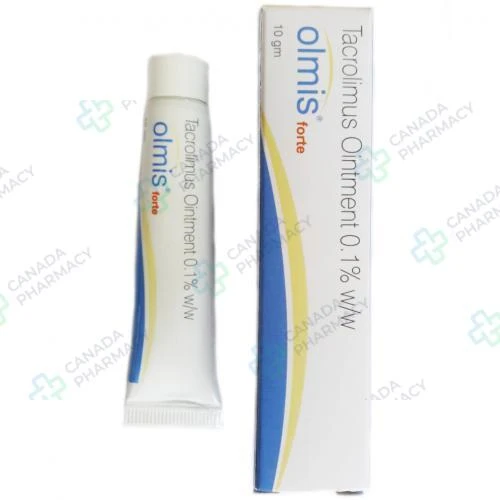
Protopic is a topical ointment formulated with tacrolimus to effectively manage moderate to severe atopic dermatitis. This calcineurin inhibitor works by suppressing the overactive immune response in the skin that leads to redness and irritation. It provides significant relief from the persistent itching and inflammation commonly associated with chronic eczema flare-ups. As a non-steroidal alternative, it is an ideal choice for individuals who require targeted treatment for sensitive areas. Regular application helps to heal the skin barrier and promotes long-term comfort by preventing the recurrence of painful symptoms.
Active substance: Tacrolimus
Delivery: 5–21 days (depending on the shipping method)
Extra 10% discount with coupon: IT4K6SVM
Each dosage option has its own packaging choices.
Description
Protopic belongs to a class of topical medications known as topical calcineurin inhibitors, which function by modifying the local immune response within the skin. This prescription topical ointment contains the active drug tacrolimus and is available in two distinct strength concentrations: 0.03% and 0.1%.
In the United States, Protopic is regulated by the FDA as a prescription-only (Rx) treatment intended for short-term and non-continuous chronic management of moderate-to-severe atopic dermatitis. It is primarily reserved for non-immunocompromised patients who have not responded adequately to alternative conventional therapies or when those therapies are deemed medically inappropriate.
| Attribute | Specification |
|---|---|
| Active Ingredient | Tacrolimus (0.03% and 0.1%) |
| Therapeutic Class | Topical Calcineurin Inhibitor |
| Dosage Form | Topical Ointment |
| Route of Administration | Cutaneous (Topical) |
| Prescription Status | Rx only (Prescription required) |
| Storage Conditions | Store at 20°C to 25°C (68°F to 77°F) |
Product Overview and Clinical Guidance
Mechanism of Action and Indications
How the drug works: Tacrolimus binds directly to specific intracellular proteins, known as immunophilins (specifically FKBP-12), inside human T-lymphocytes. This drug-protein complex inhibits the enzyme calcineurin, a phosphatase required for the activation of critical transcription factors such as NF-AT (nuclear factor of activated T-cells). By blocking calcineurin phosphatase activity, Protopic inhibits the gene transcription and subsequent release of pro-inflammatory cytokines, including interleukin-2 (IL-2), interleukin-4 (IL-4), interleukin-5 (IL-5), and tumor necrosis factor-alpha (TNF-alpha). This localized targeted reduction in T-cell activity attenuates inflammation, erythema, and cutaneous pruritus without suppressing systemic immunity or causing atrophy of the epidermal layers.
Main uses: Protopic ointment is indicated as a second-line treatment for short-term and non-continuous chronic management of moderate to severe atopic dermatitis (eczema) in non-immunocompromised patients. The 0.03% formulation is approved for use in adults and pediatric patients aged 2 years and older. The 0.1% formulation is approved exclusively for adults and adolescents aged 16 years and older. This medication is designated for individuals who have shown an inadequate clinical response to, or intolerance of, standard first-line therapies such as topical corticosteroids. Off-label prescribing for other dermatological inflammatory conditions must be determined by a qualified prescriber.
How it’s absorbed and eliminated: Systemic absorption of tacrolimus following topical application of Protopic ointment is low in most individuals. In clinical evaluations of patients with intact skin or resolving eczema, serum concentrations of tacrolimus remain below 1 ng/mL. Peak systemic exposure correlates directly with the total surface area treated and the degree of epidermal barrier failure. As the skin integrity improves during therapy, cutaneous absorption decreases markedly. The minimal amount of tacrolimus absorbed systemically binds heavily to serum proteins and red blood cells. It undergoes metabolic clearance via the hepatic cytochrome P450 system (primarily CYP3A4) and is eliminated mainly through the biliary tract.
Administration and Safety Precautions
Dosing schedule: Protopic ointment should be applied as a thin layer to all affected skin areas twice daily. Treatment should continue for one week after the complete clearance of clinical signs and symptoms of atopic dermatitis. If no signs of clinical improvement are observed after six weeks of twice-daily therapy, the treating physician should re-evaluate the diagnosis and consider alternative treatment options. The safety of Protopic application under occlusive dressings has not been established; therefore, treated skin should not be covered with airtight bandages, plastic wraps, or tight-fitting dressings unless explicitly instructed by a physician.
Important precautions: A Boxed Warning in the FDA-approved product labeling notes that the long-term safety of topical calcineurin inhibitors has not been established. Although a direct causal relationship is unproven, rare cases of malignancy (such as skin carcinoma and lymphoma) have been reported in patients using topical calcineurin inhibitors. Continuous long-term use of Protopic should be avoided, and application must be restricted strictly to affected skin lesions. Protopic is contraindicated in patients with known hypersensitivity to tacrolimus or any ointment excipients, immunocompromised patients, or individuals with active viral skin infections (such as herpes simplex or varicella zoster) or severe genetic barrier defects like Netherton’s syndrome.
Adverse reactions: The most common adverse events reported with Protopic ointment involve local application site reactions. These reactions include transient sensations of skin burning, stinging, soreness, local erythema, and pruritus, which occur predominantly during the initial days of treatment. Secondary skin infections, including folliculitis, acneiform eruptions, and cutaneous viral infections, may occur due to localized immune modulation. Patients taking Protopic may also experience alcohol intolerance, characterized by facial flushing, redness, or skin irritation shortly after consuming alcoholic beverages. Headache, flu-like symptoms, and localized lymphadenopathy have also been documented.
Compatibility with other medicines: Formal systemic drug interaction studies have not been conducted with topical Protopic. Because systemic absorption is minimal under standard administration conditions, systemic drug interactions are uncommon. However, caution is warranted when co-administering known potent CYP3A4 inhibitors (such as erythromycin, itraconazole, or ketoconazole) in patients with extensive skin involvement where systemic drug levels might be elevated. Patients using Protopic should avoid natural or artificial sun exposure, including tanning beds and ultraviolet light therapy (UVA or UVB phototherapy), throughout the duration of treatment.
What to expect when starting treatment: Patients initiating therapy with Protopic ointment often experience a localized burning or warming sensation at the site of application during the first 2 to 5 days. This localized reaction is a known pharmacological effect of calcineurin inhibition in the skin and typically diminishes as the skin barrier heals. Visual improvement in skin redness, thickening, and itching usually becomes noticeable within the first 1 to 2 weeks of compliant, twice-daily application.
When to seek help immediately: Immediate medical evaluation is required if patients experience signs of a widespread cutaneous infection, such as rapid onset of painful blisters, fever, or fluid-filled lesions (which may indicate eczema herpeticum). Emergency medical services should be contacted if signs of a severe systemic allergic reaction occur, including swelling of the face, lips, tongue, or throat, dizziness, or acute respiratory distress.
Storage and expiration: Protopic ointment must be stored at controlled room temperature between 20°C and 25°C (68°F to 77°F), with short excursions permitted between 15°C and 30°C (59°F and 86°F). Keep the tube tightly closed when not in use, away from direct sunlight, heat sources, and excessive moisture. Do not freeze. Discard any unused product after the printed expiration date on the tube flap or carton.
Practical tips: Wash hands thoroughly with soap and water before and after applying the ointment, unless treating hands. Ensure the skin is clean and completely dry prior to application. If emollients or moisturizers are part of daily skin care, apply them after Protopic has been completely absorbed, or apply them at a separate time of day to avoid diluting the active medication on the skin surface.
Frequently Asked Questions
Patient Concerns and Practical Use
Can Protopic ointment be applied to sensitive areas such as the face and neck?
Yes, Protopic ointment can be applied to sensitive anatomical sites, including the face, neck, and skin folds, under the supervision of a physician. Unlike topical corticosteroids, tacrolimus does not cause cutaneous atrophy (skin thinning), telangiectasia, or striae, making it a viable second-line option for delicate skin areas affected by moderate-to-severe atopic dermatitis. However, care must be taken to avoid getting the medication inside the eyes, mouth, or onto mucous membranes.
How long does it take for Protopic to show therapeutic results?
Clinical improvement, including reductions in skin redness and itching, typically begins within 1 to 2 weeks of initiating twice-daily application. If no noticeable improvement in your skin lesions occurs after 6 weeks of continuous treatment, consult your prescriber for a comprehensive re-evaluation of your treatment regimen.
Is skin burning or stinging normal during the first few applications?
Yes, localized application site burning, stinging, warmth, or itching is common during the first few days of starting Protopic ointment. These sensations are usually mild to moderate in severity and tend to resolve spontaneously as the skin lesion heals and adapts to the medication over 1 to 2 weeks.
What should be done if an application of Protopic is missed?
If a dose of Protopic ointment is missed, apply the thin layer as soon as remembered, unless it is almost time for the next scheduled application. Do not apply extra ointment or double the amount to compensate for a missed application.
Why should alcohol consumption be limited during Protopic treatment?
Some patients using Protopic experience skin flushing, facial redness, heat, or tingling after consuming alcoholic beverages. This reaction is a recognized effect associated with topical tacrolimus use and can be minimized by avoiding or limiting alcohol intake while undergoing treatment.
This content is informational and does not replace a consultation with your doctor or pharmacist. In accordance with FDA requirements.
Additional information
| Dosage |
0.03% 10 gm |
|---|---|
| Package |
1 tubes ,2 tubes ,3 tubes ,4 tubes ,5 tubes |
| Ενεργός Ουσία |
Related products
Aldara Cream
Price range: $ 224,00 through $ 1 440,00
More Details
This product has multiple variants. The options may be chosen on the product page
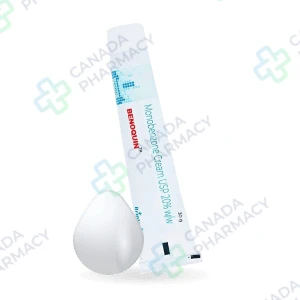
Benoquin Cream
Price range: $ 73,00 through $ 503,00
Active substance: Monobenzone
More Details
This product has multiple variants. The options may be chosen on the product page
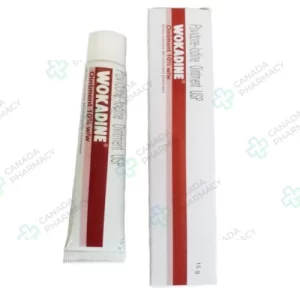
Betadine
Price range: $ 7,00 through $ 12,00
Active substance: Povidone Iodine
More Details
This product has multiple variants. The options may be chosen on the product page
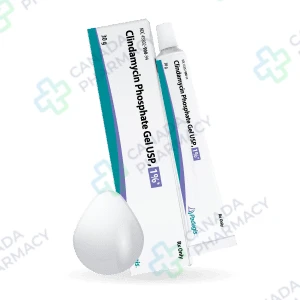
Clindamycin Gel
Price range: $ 6,00 through $ 36,00
Active substance: Clindamycin
More Details
This product has multiple variants. The options may be chosen on the product page
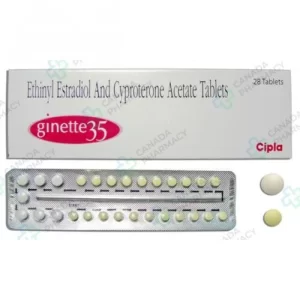
Diane 35
Price range: $ 16,00 through $ 46,00
Active substance: Cyproterone Acetate, Ethyl Estradiol
More Details
This product has multiple variants. The options may be chosen on the product page
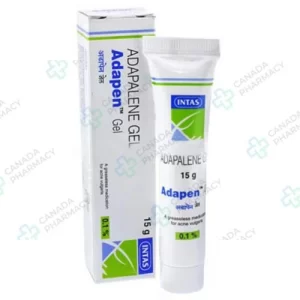
Differin
Price range: $ 48,00 through $ 153,00
Active substance: Adapalene
More Details
This product has multiple variants. The options may be chosen on the product page
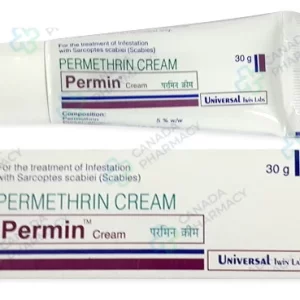
Elimite
Price range: $ 44,00 through $ 92,00
Active substance: Permethrin
More Details
This product has multiple variants. The options may be chosen on the product page
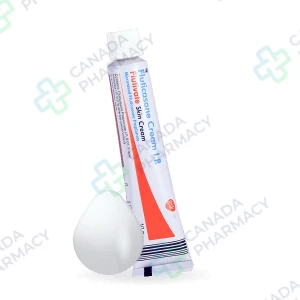
Flutivate Skin Cream
Price range: $ 24,00 through $ 91,00
Active substance: fluticasone
More Details
This product has multiple variants. The options may be chosen on the product page