

-42%
Progesterone
Price range: $ 32,00 through $ 104,00
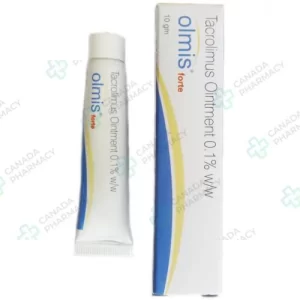
Protopic
Price range: $ 27,00 through $ 86,00
Propranolol SR
Price range: $ 39,00 through $ 136,00
Propranolol SR is a long-acting beta-blocker designed to provide a steady release of medication for consistent management of various cardiovascular conditions. This sustained-release formula is primarily used to treat hypertension, helping to lower blood pressure and reduce the overall workload on the heart. It is also highly effective in the long-term prevention of angina pectoris, providing relief from chronic chest pain. Beyond heart health, this medication is frequently utilized to reduce the frequency and severity of migraine headaches. Additionally, Propranolol SR is an established treatment for managing essential tremors and certain types of heart rhythm disorders.
Active substance: Propranolol
Delivery: 5–21 days (depending on the shipping method)
Extra 10% discount with coupon: IT4K6SVM
Each dosage option has its own packaging choices.
Description
Propranolol SR belongs to a class of pharmacological agents known as non-selective beta-adrenergic receptor blockers. This extended-release formulation is formulated to release the active ingredient continuously over a 24-hour period for the management of chronic cardiovascular and neurological conditions.
As a prescription-only pharmaceutical evaluated by the U.S. Food and Drug Administration (FDA), Propranolol SR requires individual evaluation and monitoring by a licensed healthcare provider to determine safe dosing and therapeutic efficacy.
| Active ingredient (INN) | Propranolol hydrochloride |
| Therapeutic class | Beta-Adrenergic Blocking Agent (Non-selective) |
| Dosage form | Extended-release oral capsule |
| Route of administration | Oral |
| Primary purpose | Management of hypertension, angina pectoris, and migraine prophylaxis |
| Prescription status | Prescription only (Rx) |
Clinical Profile and Usage
How the drug works
Propranolol SR exerts its primary therapeutic effect by competitively inhibiting beta-1 and beta-2 adrenergic receptors throughout the cardiovascular and peripheral systems. By blocking the binding of endogenous catecholamines–specifically epinephrine and norepinephrine–to these receptor sites, the medication reduces heart rate, decreases myocardial contractility, and lowers cardiac output. The attenuation of sympathetic nervous system stimulation also suppresses renin release from the kidneys, contributing to its long-term antihypertensive effect. The sustained-release membrane technology allows for gradual drug dissolution, preventing sharp peak plasma concentrations and maintaining consistent beta-blockade across a full 24-hour interval.
What it’s used for
Propranolol SR is FDA-approved for the management of hypertension, either as monotherapy or in combination with other antihypertensive agents. It is also indicated for the long-term management of angina pectoris resulting from coronary atherosclerosis, reducing the frequency of anginal attacks and increasing exercise tolerance. Additionally, the drug is approved for the prophylaxis of common migraine headaches and for the treatment of hypertrophic subaortic stenosis. Certain clinical applications, such as performance anxiety, situational tachycardia, or essential tremor management with extended-release formulations, represent off-label uses where the drug is prescribed based on clinical judgment rather than an explicit FDA-approved labeling indication.
Dosing schedule
The administration of Propranolol SR must be individualized according to patient response and clinical objective. Capsules should be swallowed whole once daily, preferably at the same time each morning or evening, and must not be crushed, chewed, or divided, as altering the capsule structure destroys the sustained-release mechanism. Initial dosing for hypertension typically starts at 80 mg once daily, with gradual upward titration performed at weekly intervals until adequate blood pressure control is achieved. For migraine prophylaxis, the standard initial dosage is likewise 80 mg daily, titrated up to an effective maintenance level. Discontinuation of therapy must always involve a gradual tapering schedule under medical direction to avoid rebound hyperadrenergic responses.
How it’s absorbed and eliminated
Following oral administration, Propranolol SR is absorbed across the gastrointestinal tract, but it undergoes extensive first-pass hepatic metabolism, resulting in systemic bioavailability of approximately 25% under steady-state conditions. Peak blood plasma concentrations are typically achieved within 6 to 14 hours following ingestion of the extended-release formulation. Propranolol exhibits high lipophilicity, allowing it to cross the blood-brain barrier and distribute widely throughout bodily tissues. Metabolism occurs predominantly in the liver via CYP2D6, CYP1A2, and CYP2C19 enzymatic pathways. The elimination half-life of the drug after chronic administration of the extended-release form ranges between 8 and 10 hours, though biological adrenergic blockade persists for 24 hours.
Compatibility with other medicines
Coadministration of Propranolol SR with other pharmacological agents requires careful evaluation due to potential pharmacokinetic and pharmacodynamic interactions. Concurrent use with calcium channel blockers, such as diltiazem or verapamil, can result in additive bradycardia, conduction abnormalities, and cardiac depression. Class I antiarrhythmic drugs and digitalis glycosides may similarly potentiate negative chronotropic effects. CYP2D6 inhibitors increase plasma concentration levels of propranolol, while hepatic enzyme inducers accelerate clearance and lower plasma levels. Nonsteroidal anti-inflammatory drugs (NSAIDs) may diminish the blood pressure-lowering effect of beta-blockers by inhibiting renal prostaglandin synthesis.
Adverse reactions
The administration of Propranolol SR may elicit adverse effects secondary to systemic beta-adrenergic blockade. Commonly reported clinical reactions include bradycardia, fatigue, dizziness, cold extremities, and gastrointestinal disturbances such as nausea or diarrhea. Due to its lipophilic nature and penetration into the central nervous system, patients may experience sleep disturbances, vivid dreams, or mild depressive symptoms. Less frequent but clinically significant adverse events include bronchospasm in susceptible individuals, Raynaud’s phenomenon, and masking of hypoglycemic symptoms in diabetic patients. Any onset of severe dyspnea, extreme lethargy, or unexplained weight gain warrants immediate clinical re-evaluation.
Important precautions
Abrupt cessation of Propranolol SR therapy carries severe risks of exacerbating angina, precipitating myocardial infarction, or inducing ventricular arrhythmias. Dosages must be tapered incrementally over 1 to 2 weeks under direct medical supervision. The drug is contraindicated in patients with sinus bradycardia, cardiogenic shock, overt cardiac failure, greater than first-degree heart block, and bronchial asthma. Patients scheduled for major elective surgery must inform their surgical team, as impaired cardiac response to reflex beta-adrenergic stimuli may increase anesthesia risks. In diabetic patients, propranolol can mask symptoms of acute hypoglycemia, such as tachycardia and tremors, though diaphoresis usually remains unmasked.
What to avoid while taking it
Ethanol consumption can alter the absorption rate and metabolic clearance of Propranolol SR, potentially causing unpredictable fluctuations in blood pressure and heart rate. High-fat meals consumed simultaneously with administration may increase the peak plasma concentration of the drug; therefore, consistency regarding administration relative to mealtimes is recommended. Patients should also avoid sudden dietary changes that markedly alter sodium intake without consulting their prescribing physician.
If you skip a dose
If a dose of Propranolol SR is omitted, it should be taken as soon as remembered on the same day. However, if the time approaches within 8 hours of the next scheduled dose, the missed dose should be skipped entirely, and the standard dosing schedule resumed. Patients must never double the dose to compensate for a skipped capsule, as acute elevation of beta-blocker plasma levels increases the risk of severe bradycardia and hypotension.
Pregnancy, breastfeeding, and other groups
Propranolol crosses the placenta and can cause fetal toxicity, including intrauterine growth restriction, neonatal bradycardia, and hypoglycemia. It should be used during pregnancy only if the potential benefit justifies the potential risk to the fetus. Propranolol is excreted in human breast milk; infants of nursing mothers receiving therapy should be monitored for signs of beta-blockade. Pediatric safety and effectiveness for extended-release formulations have not been fully established, while geriatric patients generally require lower initial doses due to reduced clearance capacity.
Day-to-day use
Patients taking Propranolol SR should regularly monitor their resting blood pressure and pulse rate at home. Routine medical visits are essential to evaluate therapeutic progress and adjust dosages as necessary. Because dizziness or lightheadedness may occur–particularly when transitioning from a sitting to a standing position–patients should exercise caution when operating heavy machinery or driving until their individual response to the medication has stabilized.
Patient Guidance and FAQ
Common questions
Can Propranolol SR capsules be opened and sprinkled on food?
No. Propranolol SR is designed with a specialized sustained-release coating that controls the rate at which the active drug is released into the digestive system. Opening, crushing, or chewing the capsule destroys this extended-release matrix, resulting in immediate release of the entire dose. This rapid drug release significantly increases the risk of severe side effects, such as dangerous drops in blood pressure and heart rate.
Why should Propranolol SR not be stopped suddenly?
Abruptly stopping beta-blocker therapy can cause cardiac tissue to become hypersensitive to circulating catecholamines. This sudden withdrawal can trigger severe rebound hypertension, exacerbation of angina attacks, cardiac dysrhythmias, or myocardial infarction in patients with underlying coronary artery disease. Discontinuation must always be managed gradually by a physician.
How does Propranolol SR affect diabetic blood sugar management?
Propranolol SR can mask key physiological warning signs of hypoglycemia, such as rapid heartbeat (tachycardia), tremors, and palpitations. Sweating is typically not masked and may remain the primary indicator of low blood sugar. Diabetic patients must monitor blood glucose levels closely and discuss adjusting diabetes management plans with their doctor.
Can I take Propranolol SR if I have a history of asthma or respiratory conditions?
Propranolol SR is generally non-selective, meaning it blocks beta-2 receptors in the lungs in addition to beta-1 receptors in the heart. This action can induce bronchospasm and narrow airways, making it hazardous for individuals with asthma, severe chronic obstructive pulmonary disease (COPD), or active wheezing. Patients with respiratory diseases require alternative medical management.
In accordance with FDA requirements.
This text is for informational purposes only and does not constitute individual medical advice.
Additional information
| Dosage |
160 mg |
|---|---|
| Package |
30 caps ,60 caps ,90 caps ,180 caps |
| Ενεργός Ουσία |
Related products
Aquazide
Price range: $ 18,00 through $ 30,00
Active substance: hydrochlorothiazide
More Details
This product has multiple variants. The options may be chosen on the product page
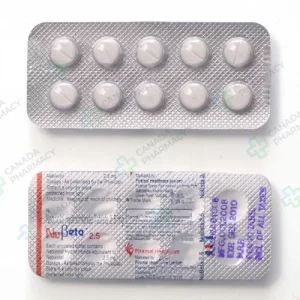
Bystolic
Price range: $ 38,00 through $ 275,00
Active substance: Nebivolol
More Details
This product has multiple variants. The options may be chosen on the product page
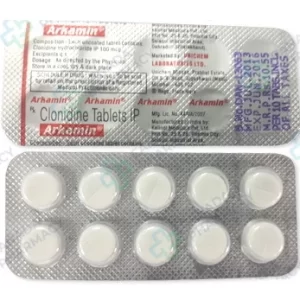
Clonidine
Price range: $ 40,00 through $ 95,00
Active substance: clonidine
More Details
This product has multiple variants. The options may be chosen on the product page
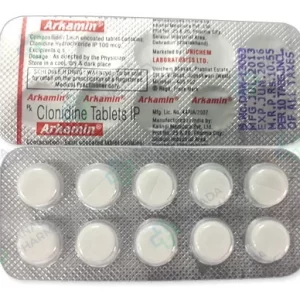
Combipres
Price range: $ 50,00 through $ 202,00
Active substance: chlorthalidone, clonidine hydrochloride
More Details
This product has multiple variants. The options may be chosen on the product page
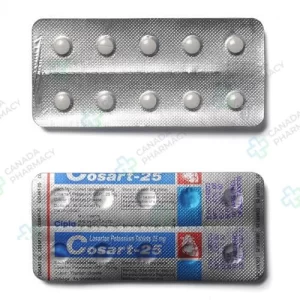
Cozaar
Price range: $ 41,00 through $ 281,00
Active substance: Losartan
More Details
This product has multiple variants. The options may be chosen on the product page
Diltiazem
Price range: $ 49,00 through $ 590,00
Active substance: Diltiazem
More Details
This product has multiple variants. The options may be chosen on the product page
Dipyridamole
Price range: $ 43,00 through $ 257,00
Active substance: Dipyridamole
More Details
This product has multiple variants. The options may be chosen on the product page
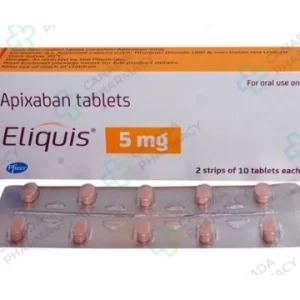
Eliquis
Price range: $ 60,00 through $ 320,00
Active substance: Apixaban
More Details
This product has multiple variants. The options may be chosen on the product page