

-55%
Cycrin
Price range: $ 52,00 through $ 347,00
Cystone
Price range: $ 63,00 through $ 76,00
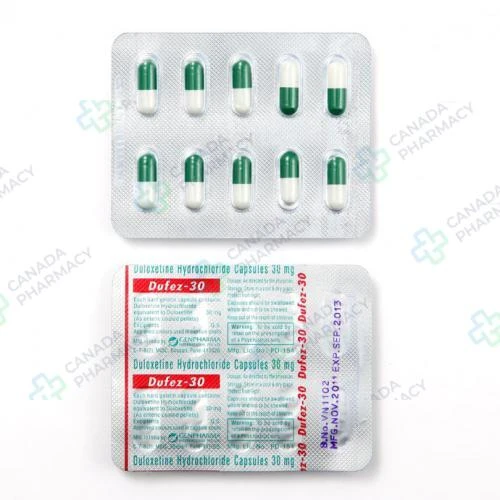
Cymbalta
Price range: $ 46,00 through $ 561,00
Cymbalta is a versatile medication classified as a selective serotonin and norepinephrine reuptake inhibitor (SNRI). It is primarily utilized to treat major depressive disorder and generalized anxiety disorder, helping to stabilize mood and emotional well-being. Beyond mental health, this treatment is highly effective for managing chronic pain associated with diabetic peripheral neuropathy. It is also an approved option for individuals seeking relief from fibromyalgia and persistent musculoskeletal pain, including chronic lower back issues. By regulating specific neurotransmitters, Cymbalta supports improved daily functioning and physical comfort for patients.
Active substance: Duloxetine
Delivery: 5–21 days (depending on the shipping method)
Extra 10% discount with coupon: IT4K6SVM
Each dosage option has its own packaging choices.
Description
Cymbalta belongs to a class of medications known as serotonin and norepinephrine reuptake inhibitors (SNRIs). Prescribed under federal regulation in the United States, it contains duloxetine hydrochloride as its active chemical component.
The medication is primarily utilized to manage major depressive disorder, generalized anxiety disorder, and specific chronic pain conditions. Appropriate administration requires a prescription from a licensed healthcare provider following an individual clinical evaluation.
| Parameter | Details |
|---|---|
| Active ingredient | Duloxetine hydrochloride |
| Therapeutic class | Serotonin and norepinephrine reuptake inhibitor (SNRI) |
| Dosage form | Delayed-release oral capsule |
| Route of administration | Oral |
| Prescription status | Prescription (Rx) only |
| Primary purpose | Management of major depressive disorder, generalized anxiety disorder, and neuropathic/musculoskeletal pain |
Pharmacological Overview and Clinical Applications
How the drug works
The precise mechanism of action of duloxetine in the human central nervous system is linked to the inhibition of neuronal uptake of serotonin (5-HT) and norepinephrine (NE). By blocking the transport proteins responsible for reuptake, duloxetine increases the synaptic concentration of these neurotransmitters in the brain and spinal cord. Potentiation of 5-HT and NE activity in the central nervous system is thought to alleviate depressive symptoms, moderate anxiety, and inhibit central pain pathways. Duloxetine possesses low affinity for muscarinic, histaminergic, alpha-1 adrenergic, dopamine, opioid, and glutamate receptors, minimizing specific off-target systemic effects.
Main uses
In accordance with federal regulatory approvals in the United States, Cymbalta is indicated for the treatment of Major Depressive Disorder (MDD) in adults and Generalized Anxiety Disorder (GAD) in adults and pediatric patients aged 7 years and older. Additionally, the drug is approved for the management of Neuropathic Pain associated with Diabetic Peripheral Neuropathy (DPNP), Fibromyalgia in adults and adolescents aged 13 years and older, and Chronic Musculoskeletal Pain in adults, including chronic lower back pain and osteoarthritis pain. Any administration of duloxetine outside of these official labeled indications–such as for stress urinary incontinence in female patients–is categorized as off-label use in the United States jurisdiction.
What happens in the body
Duloxetine hydrochloride is well absorbed following oral administration, achieving peak plasma concentration (Cmax) approximately 6 hours after dosing. Administration with food delays the time to maximum concentration from 6 to 10 hours and slightly decreases the extent of absorption, though total exposure remains largely unaffected. The active drug displays high plasma protein binding, exceeding 90%, primarily binding to albumin and alpha-1-acid glycoprotein. Biotransformation occurs extensively in the liver via cytochrome P450 isoenzymes CYP1A2 and CYP2D6, forming inactive circulating metabolites. The elimination half-life of duloxetine is approximately 12 hours (ranging between 8 and 17 hours). Excretion occurs predominantly via the kidneys, with 70% of the dose eliminated in urine as metabolites and approximately 20% excreted in feces.
Dosing schedule
Cymbalta is supplied as delayed-release capsules containing enteric-coated pellets of duloxetine hydrochloride in strengths of 20 mg, 30 mg, and 60 mg. Dosing protocols must be individualized based on the target diagnosis, patient response, and renal or hepatic functionality. The total daily dosage generally ranges between 30 mg and 120 mg once daily or divided into two equal doses. The capsules must be swallowed whole to protect the enteric coating against acidic degradation in the stomach; they should not be chewed, crushed, or opened and sprinkled onto food or liquids.
Safety Profile and Regulatory Warnings
Important precautions
Antidepressant therapies, including SNRIs, carry an increased risk of suicidal thoughts and behaviors in children, adolescents, and young adults during initial treatment. Clinical monitoring for worsening depression or emergence of suicidal ideation is mandatory. Severe hepatotoxicity, including hepatic failure and cholestatic jaundice, has been reported; duloxetine therapy should not be initiated in patients with substantial alcohol intake or chronic liver disease. Additional clinical precautions include risk of orthostatic hypotension, syncope, serotonin syndrome when combined with other serotonergic agents, activation of mania or hypomania in patients with bipolar disorder, angle-closure glaucoma, hyponatremia due to syndrome of inappropriate antidiuretic hormone secretion (SIADH), and severe discontinuation emergence symptoms upon abrupt dose reduction.
Adverse reactions
The side effect profile of duloxetine reflects its central and peripheral pharmacological activity. Frequently observed adverse events in clinical trials include nausea, dry mouth, somnolence, fatigue, constipation, decreased appetite, hyperhidrosis, and dizziness. Sexual dysfunction, including decreased libido, erectile dysfunction, and delayed ejaculation, may occur during prolonged therapy. Sustained elevations in blood pressure have been observed in some individuals; blood pressure monitoring prior to and periodically during treatment is recommended.
Compatibility with other medicines
Concomitant administration of duloxetine with Monoamine Oxidase Inhibitors (MAOIs) is strictly contraindicated due to the risk of severe, potentially fatal serotonin syndrome. Co-administration with potent CYP1A2 inhibitors (such as fluvoxamine) significantly increases plasma concentrations of duloxetine and should be avoided. Caution is required when combined with drugs affecting central nervous system function or those metabolized by CYP2D6 (such as thioridazine, desipramine, or atomoxetine). Concomitant use of antiplatelet agents, aspirin, NSAIDs, or oral anticoagulants (such as warfarin) increases the risk of upper gastrointestinal bleeding due to platelet serotonin depletion.
What to avoid while taking it
Ethanol consumption should be avoided or severely restricted during duloxetine therapy. The combination of heavy alcohol intake and duloxetine is associated with an elevated risk of severe hepatic injury and liver enzyme elevation. Food does not impair the total bioavailability of duloxetine, but taking capsules with heavy or high-fat meals delays systemic absorption.
Special populations
In pregnant women, administration of duloxetine late in the third trimester may increase the risk of neonatal complications requiring extended hospitalization, respiratory support, or tube feeding. Use during pregnancy should occur only if the potential benefit justifies the potential risk to the fetus. Duloxetine is excreted into human milk; caution is advised when administered to nursing mothers. In patients with severe renal impairment (end-stage renal disease or estimated creatinine clearance below 30 mL/min), administration is not recommended due to increased systemic exposure of metabolites. Safety and efficacy in pediatric populations under 7 years old have not been established.
If you skip a dose
If a scheduled capsule is omitted, it should be taken as soon as remembered on the same day. However, if the time is close to the next scheduled dose, the missed capsule should be skipped and the regular schedule resumed. Patients must not administer two doses simultaneously or increase the prescribed quantity to compensate for a missed dose.
Red flags
Certain clinical signs mandate immediate withdrawal of treatment evaluation and urgent emergency medical intervention. These warning indicators encompass severe central nervous system or systemic reactions.
| Red Flag Symptom | Potential Medical Concern |
|---|---|
| High fever, agitation, muscle rigidity, tremors | Serotonin Syndrome |
| Jaundice, severe abdominal pain, dark urine | Hepatic Toxicity / Liver Failure |
| Swelling of face, lips, tongue, severe skin rash | Hypersensitivity / Anaphylactic Reaction |
| Sudden eye pain, visual changes, halo around lights | Acute Angle-Closure Glaucoma |
| Severe dizziness, fainting upon standing | Orthostatic Hypotension |
Common Questions
How long does it take for duloxetine to show therapeutic effects?
In mood and anxiety disorders, initial symptomatic improvements may begin within 1 to 2 weeks of continuous therapy, but full therapeutic benefits typically require 4 to 8 weeks. For neuropathic pain or musculoskeletal pain conditions, pain attenuation may occur within 1 to 2 weeks of daily administration.
Can Cymbalta capsules be opened and mixed with food?
No. Cymbalta delayed-release capsules contain enteric-coated pellets engineered to resist acidic degradation in the stomach. Crushing, chewing, opening, or mixing the pellets with food or liquids disrupts the protective coating, which can alter absorption and increase gastric irritation.
What happens if treatment with Cymbalta is stopped suddenly?
Abrupt cessation of duloxetine frequently causes discontinuation syndrome. Symptoms include dizziness, sensory disturbances (such as electric shock sensations or paresthesias), nausea, insomnia, anxiety, tremor, and hyperhidrosis. Gradual dose reduction under medical supervision is recommended.
Is blood pressure monitoring required during therapy?
Yes. Duloxetine inhibits norepinephrine reuptake, which can lead to sustained increases in blood pressure in some individuals. Baseline blood pressure should be measured prior to starting therapy and monitored regularly throughout treatment.
How does impaired kidney function affect duloxetine clearance?
In patients with mild to moderate renal impairment, dose adjustment is typically not required. However, in cases of severe renal impairment (creatinine clearance less than 30 mL/min) or end-stage renal disease, systemic concentrations of duloxetine metabolites increase significantly, making administration not recommended.
In accordance with FDA requirements.
This text is for informational purposes only and does not constitute individual medical advice.
Additional information
| Dosage |
20mg ,30mg ,40mg ,60mg |
|---|---|
| Package |
30 pills ,60 pills ,90 pills ,120 pills ,180 pills ,270 pills ,360 pills |
| Ενεργός Ουσία |
Related products
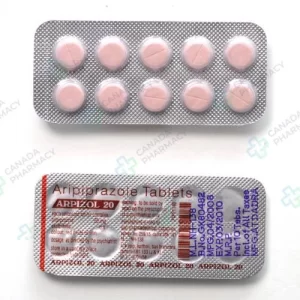
Abilify
Price range: $ 45,00 through $ 413,00
Active substance: Aripiprazole
More Details
This product has multiple variants. The options may be chosen on the product page
Amitriptyline
Price range: $ 41,00 through $ 114,00
Active substance: amitriptyline
More Details
This product has multiple variants. The options may be chosen on the product page
Emsam
Price range: $ 66,00 through $ 345,00
Active substance: Selegiline
More Details
This product has multiple variants. The options may be chosen on the product page
Luvox
Price range: $ 54,00 through $ 427,00
Active substance: Fluvoxamine
More Details
This product has multiple variants. The options may be chosen on the product page
Pamelor
Price range: $ 54,00 through $ 185,00
Active substance: Nortriptyline
More Details
This product has multiple variants. The options may be chosen on the product page
Serpina
Price range: $ 41,00 through $ 246,00
Active substance: Sarpagandha
More Details
This product has multiple variants. The options may be chosen on the product page
Sinequan
Price range: $ 52,00 through $ 399,00
Active substance: Doxepin
More Details
This product has multiple variants. The options may be chosen on the product page
Tofranil
Price range: $ 40,00 through $ 292,00
Active substance: Imipramine
More Details
This product has multiple variants. The options may be chosen on the product page