

-26%

Tizanidine
Price range: $ 88,00 through $ 214,00

Top Avana
Price range: $ 134,00 through $ 372,00
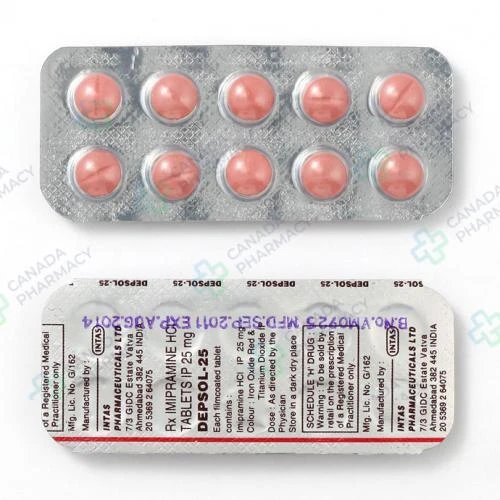
Tofranil
Price range: $ 40,00 through $ 292,00
Tofranil, containing the active ingredient imipramine hydrochloride, is a well-established medication primarily used to manage various forms of depression. It works by restoring the balance of specific natural chemicals in the brain to help improve mood and increase energy levels. In addition to treating mood disorders, this medication is officially indicated for the management of nocturnal enuresis, or nighttime bedwetting, in children. Patients using this therapy often experience a significant reduction in feelings of persistent sadness and anxiety. Available in multiple strengths, Tofranil provides a reliable option for individuals seeking effective relief from depressive symptoms and childhood urinary control issues.
Active substance: Imipramine
Delivery: 5–21 days (depending on the shipping method)
Extra 10% discount with coupon: IT4K6SVM
Each dosage option has its own packaging choices.
Description
Tofranil belongs to a class of medications known as tricyclic antidepressants. It is prescribed primarily for the management of major depressive disorder and for the temporary reduction of nocturnal enuresis in pediatric patients aged 6 years and older under strict medical supervision.
As a prescription-only (Rx) drug approved by the U.S. Food and Drug Administration (FDA), Tofranil alters neurochemical balances in the central nervous system. Therapeutic management requires personalized dosing, initial clinical evaluation, and routine safety monitoring by a licensed healthcare provider.
| Parameter | Details |
|---|---|
| Active ingredient | Imipramine hydrochloride |
| Therapeutic class | Tricyclic Antidepressant (TCA) |
| Dosage form | Oral tablet |
| Route of administration | Oral |
| Prescription status | Prescription (Rx) |
| Primary purpose | Major depressive disorder, pediatric nocturnal enuresis |
Clinical Profile and Dosing Guidelines
How the drug works
The therapeutic mechanism of Tofranil (imipramine hydrochloride) involves the inhibition of the reuptake of neurotransmitters at the presynaptic neuronal membrane. Specifically, imipramine inhibits the reuptake of both norepinephrine and serotonin (5-hydroxytryptamine), thereby increasing their synaptic concentration in the central nervous system. This enhancement of monoaminergic neurotransmission is believed to underlie its antidepressant activity.
In addition to central monoaminergic effects, imipramine exhibits affinity for muscarinic acetylcholine receptors, histamine H1 receptors, and alpha-1 adrenergic receptors. Anticholinergic activity contributes to its therapeutic efficacy in pediatric nocturnal enuresis by decreasing detrusor muscle tone and increasing bladder capacity, while also accounting for common peripheral effects such as dry mouth and urinary retention.
Main uses
Tofranil is FDA-approved for two main indications: the treatment of depression in adults, and the temporary reduction of nocturnal enuresis (bedwetting) in pediatric patients aged 6 years and older. In clinical depression, treatment aims to alleviate symptoms such as persistent sadness, loss of interest in daily activities, sleep disturbances, and associated somatic complaints.
Healthcare providers may also prescribe imipramine for off-label uses based on clinical judgment and published guidelines. Off-label applications include panic disorder, agoraphobia, neuropathic pain management, and bulimia nervosa. Off-label use indicates that the FDA has not formally approved the drug for these specific conditions, although clinical evidence may support its application in selected patient populations.
Dosing schedule
Dosage of Tofranil must be individualized based on patient response, age, and clinical setting. For adult depression in outpatient settings, therapy is commonly initiated at 75 mg per day in divided doses, titrated upward as clinically indicated to a standard maximum of 200 mg daily. In hospitalized adult patients under continuous medical monitoring, doses may be increased up to 300 mg per day.
For pediatric nocturnal enuresis in children aged 6 and older, an initial dose of 25 mg taken approximately one hour before bedtime is standard. If clinical response is inadequate after one to two weeks, the daily dose may be increased to 50 mg for children under 12 years of age, or up to 75 mg for children 12 years and older. Daily pediatric dosing should not exceed 2.5 mg/kg due to increased risks of cardiovascular toxicity.
What happens in the body
Following oral administration, imipramine hydrochloride is rapidly absorbed from the gastrointestinal tract. It undergoes extensive first-pass hepatic metabolism primarily mediated by cytochrome P450 isoenzymes, including CYP2D6, CYP1A2, and CYP3C19. Demethylation of imipramine yields its primary active metabolite, desipramine, which exerts potent inhibitory action on norepinephrine reuptake.
Peak plasma concentrations of imipramine occur within 1 to 2 hours after oral ingestion. Both imipramine and desipramine are extensively bound to plasma proteins (approximately 86% to 95%). The elimination half-life of imipramine ranges from 11 to 25 hours, varying significantly among individuals. Excretion occurs predominantly via the kidneys in the form of conjugated metabolites.
Compatibility with other medicines
Tofranil carries a significant potential for drug-drug interactions. Concomitant administration with monoamine oxidase inhibitors (MAOIs) is strictly contraindicated due to the risk of severe hyperpyretic crises, hypertensive episodes, severe convulsions, and death. A minimum washout period of 14 days must elapse between discontinuing an MAOI and initiating imipramine, or vice versa.
Co-administration with selective serotonin reuptake inhibitors (SSRIs), such as fluoxetine or paroxetine, can significantly elevate plasma concentrations of imipramine by inhibiting CYP2D6 isoenzymes. Combining Tofranil with other anticholinergic agents potentiates peripheral and central anticholinergic adverse effects, such as paralytic ileus, hyperpyrexia, and delirium. Central nervous system depressants, including alcohol, sedatives, and opioids, exhibit additive sedative effects when co-administered with imipramine.
Adverse reactions
Adverse reactions observed during Tofranil therapy are largely attributable to its receptor-binding profile. Frequently reported anticholinergic events include dry mouth (xerostomia), blurred vision due to cycloplegia, constipation, and urinary hesitation or retention. Central nervous system side effects include drowsiness, dizziness, tremor, fatigue, and confusion, particularly in elderly individuals.
Cardiovascular reactions represent a clinically significant risk. Patients may experience orthostatic hypotension, sinus tachycardia, electrocardiographic changes (including PR and QRS interval prolongation), and conduction abnormalities. Weight gain, increased sweating, nausea, and endocrine dysfunctions such as altered libido or erectile dysfunction may also occur during extended treatment.
Safety Precautions and FAQs
Important precautions
Black Box Warning: Antidepressants, including Tofranil, increase the risk of suicidal thoughts and behaviors in children, adolescents, and young adults (aged 18 to 24) during initial treatment and dose adjustments. Patients of all ages should be monitored closely for clinical worsening, suicidality, or unusual behavioral changes during antidepressant therapy.
Tofranil must be used with caution in patients with pre-existing cardiovascular disease, a history of cardiac arrhythmias, narrow-angle glaucoma, urinary retention, or seizure disorders. Elderly patients are heightened in sensitivity to anticholinergic, cardiovascular, and sedative effects; initial doses in elderly populations should be lower and titrated cautiously. Use during pregnancy requires careful risk-benefit analysis, as tricyclic antidepressants cross the placental barrier and have been associated with neonatal withdrawal signs or respiratory distress upon delivery.
What to avoid while taking it
Patients taking Tofranil must refrain from consuming alcohol. Alcohol enhances the central nervous system depressant actions of imipramine, leading to increased sedation, motor impairment, and cognitive dysfunction. Food does not significantly alter the systemic absorption of imipramine, but taking doses with meals may minimize mild gastrointestinal distress.
If you skip a dose
If a scheduled dose of Tofranil is missed, it should be taken as soon as remembered. If it is close to the time for the next scheduled dose, the missed dose should be omitted and the regular schedule resumed. Patients must not double doses or take extra medication to compensate for a missed dose, as elevated plasma concentrations increase the risk of adverse reactions and toxicity.
Red flags
Immediate emergency medical intervention is required if a patient experiences severe adverse events or signs of overdose while taking Tofranil. Critical warning signs include:
- Severe chest pain, palpitations, or rapid and irregular heart rhythms
- Severe dizziness, sudden fainting (syncope), or profound confusion
- Seizures or involuntary muscle twitching
- Complete inability to urinate (acute urinary retention)
- High fever accompanied by rigid muscles and altered mental state
- Emergent suicidal ideation, severe agitation, or sudden mood escalation
Day-to-day use
Patients undergoing treatment with Tofranil should implement functional safety measures daily. To manage orthostatic hypotension–a sudden drop in blood pressure when moving to a standing position–patients should transition slowly from lying or sitting positions. Tofranil may increase cutaneous photosensitivity; appropriate sun protection, including clothing and sunscreen, is recommended. Maintaining thorough oral hygiene and frequent fluid intake helps mitigate dental risks associated with chronic dry mouth.
Common questions
How long does it typically take for Tofranil to show therapeutic effects in depression?
Therapeutic response to Tofranil is not immediate. While initial biochemical effects occur rapidly, observable improvements in mood and clinical depressive symptoms generally take two to four weeks of continuous daily administration. Full therapeutic benefits may require several weeks, during which dosage adjustments may be evaluated by a healthcare professional.
Can Tofranil be stopped abruptly after prolonged use?
No. Discontinuing Tofranil suddenly after prolonged therapy can produce withdrawal symptoms, including nausea, headache, malaise, sleep disturbance, and vivid dreams. Therapy should be gradually tapered under medical guidance to minimize discontinuation phenomena and prevent symptom relapse.
Does Tofranil impair the ability to drive or operate machinery?
Yes. Tofranil commonly induces drowsiness, sedation, blurred vision, and altered psychomotor performance. Patients should avoid driving, operating machinery, or performing tasks requiring full alertness until their personal response and tolerance to the drug are fully established.
Why is Tofranil prescribed for bedwetting in children?
Imipramine exerts peripheral anticholinergic effects that reduce detrusor muscle tone and increase bladder capacity. Additionally, its action on central neurotransmitters modifies sleep depth and arousal mechanisms, reducing the frequency of nocturnal enuresis in pediatric patients aged 6 and older when non-pharmacological therapies are inadequate.
Is ongoing clinical monitoring required during therapy?
Yes. Baseline and periodic clinical evaluations are standard during treatment with Tofranil. Prescribers typically monitor blood pressure, heart rate, electrocardiograms (ECGs)–particularly in pediatric and elderly populations–and periodic blood chemistry panels to evaluate organ function and safety profiles.
Source and Disclaimer:
In accordance with FDA requirements.
The information presented here is not a substitute for professional medical advice. Always consult your healthcare provider before starting or changing any treatment.
Additional information
| Dosage |
25mg ,50mg ,75mg |
|---|---|
| Package |
60 pills ,90 pills ,120 pills ,180 pills ,270 pills ,360 pills |
| Ενεργός Ουσία |
Related products

Ashwagandha
Price range: $ 53,00 through $ 204,00
Active substance: Ashwagandha
More Details
This product has multiple variants. The options may be chosen on the product page
Cymbalta
Price range: $ 46,00 through $ 561,00
Active substance: Duloxetine
More Details
This product has multiple variants. The options may be chosen on the product page
Effexor XR
Price range: $ 36,00 through $ 310,00
Active substance: Venlafaxine
More Details
This product has multiple variants. The options may be chosen on the product page

Luvox
Price range: $ 54,00 through $ 427,00
Active substance: Fluvoxamine
More Details
This product has multiple variants. The options may be chosen on the product page
Pamelor
Price range: $ 54,00 through $ 185,00
Active substance: Nortriptyline
More Details
This product has multiple variants. The options may be chosen on the product page
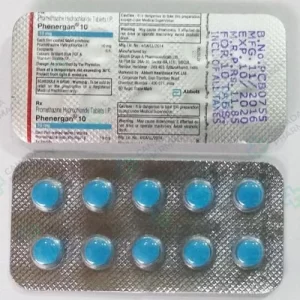
Phenergan
Price range: $ 42,00 through $ 136,00
Active substance: Promethazine
More Details
This product has multiple variants. The options may be chosen on the product page

Venlor
Price range: $ 66,00 through $ 338,00
Active substance: Venlor
More Details
This product has multiple variants. The options may be chosen on the product page

Ventodep ER
Price range: $ 53,00 through $ 561,00
Active substance: Venlafaxine
More Details
This product has multiple variants. The options may be chosen on the product page