

-19%
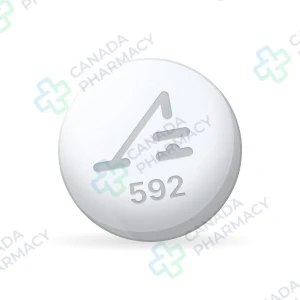

Tizacare
Price range: $ 40,00 through $ 285,00
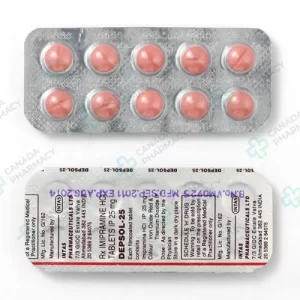
Tofranil
Price range: $ 40,00 through $ 292,00
Tizanidine
Price range: $ 88,00 through $ 214,00
Tizanidine is a short-acting muscle relaxant used to manage spasticity by temporarily reducing muscle tone. It works by blocking nerve impulses that cause muscles to tighten or go into spasms. This medication is primarily indicated for individuals experiencing muscle stiffness associated with conditions like multiple sclerosis or spinal cord injuries. By easing muscle tension, it helps improve daily mobility and overall comfort during physical activities. Its fast-acting properties make it an effective option for targeting symptoms when relief from muscle discomfort is most needed.
Active substance: Tizanidine
Delivery: 5–21 days (depending on the shipping method)
Extra 10% discount with coupon: IT4K6SVM
Each dosage option has its own packaging choices.
Description
Tizanidine belongs to a class of medications known as central alpha-2 adrenergic agonists. It is an orally administered prescription medication regulated by the US Food and Drug Administration (FDA) for the management of muscle spasticity associated with neurological conditions. In clinical practice, this agent acts centrally on the spinal cord to reduce excessive muscle tone without inducing significant generalized muscle weakness.
Because tizanidine exhibits complex pharmacokinetic interactions with food and other pharmaceuticals, its administration requires strict individualized dosage titration under medical oversight. Federal law restricts this drug to sale by or on the order of a licensed healthcare practitioner in the United States.
| Active Ingredient (INN) | Tizanidine hydrochloride |
| Therapeutic Class | Central alpha-2 adrenergic agonist / Skeletal muscle relaxant |
| Dosage Form | Oral tablet, oral capsule |
| Route of Administration | Oral |
| Primary Indication | Management of spasticity |
| Prescription Status | Prescription (Rx) only |
Clinical Profile and Indications
Main Uses
Tizanidine is primarily indicated for the management of spasticity, a state of excessive muscle tightness and involuntary spasms stemming from spinal cord injury or multiple sclerosis. By decreasing spastic tone, the medication helps reduce involuntary muscle spasms and improves passive range of motion, thereby assisting daily care activities and patient comfort.
Off-label usage: Prescribers may occasionally evaluate tizanidine off-label for acute musculoskeletal pain conditions or myofascial pain disorders; however, these clinical applications are not FDA-approved indications. Prescribers weigh potential risks against clinical rationale when considering non-approved uses.
How the Drug Works
Tizanidine functions as a selective agonist at presynaptic alpha-2 adrenergic receptor sites in the central nervous system, predominantly within the spinal cord. Activation of these presynaptic receptors inhibits the release of excitatory amino acid neurotransmitters, such as glutamate and aspartate, from spinal interneurons.
Consequently, polysynaptic reflex pathways in the spinal cord are suppressed. This reduction in excitatory transmission decreases motor neuron facilitation, thereby lowering skeletal muscle tone and relieving spastic contractions without causing severe attenuation of underlying skeletal muscle strength.
Pharmacokinetics and Metabolism
Following oral administration, tizanidine is rapidly and extensively absorbed from the gastrointestinal tract. Peak plasma concentrations are typically attained within 1 to 2 hours post-dose. The absolute oral bioavailability of tizanidine is approximately 40% due to extensive first-pass hepatic metabolism.
Biotransformation occurs primarily in the liver via the cytochrome P450 isoenzyme system, specifically mediated by CYP1A2. Metabolites are pharmacologically inactive. The mean elimination half-life of tizanidine is approximately 2.5 hours. Renal clearance accounts for roughly 60% of metabolite excretion, while fecal excretion accounts for approximately 20%.
Dosing Schedule and Administration
Tizanidine therapy must be individualized based on patient response and clinical tolerance. Treatment is generally initiated at a single low dose of 2 mg or 4 mg, administered orally every 6 to 8 hours as clinically required. Dosage may be gradually titrated upward in increments of 2 mg to 4 mg per dose at intervals of 1 to 4 days until optimal clinical effect is achieved.
The total daily dose should not exceed 36 mg within a 24-hour window, and single doses exceeding 16 mg are not recommended due to increased risks of dose-dependent adverse events such as severe hypotension, sedation, and bradycardia.
Safety Information and Interactions
Food and Alcohol Interactions
The administration of tizanidine with food alters its pharmacokinetic profile differently depending on whether the tablet or capsule formulation is used. Co-administration of tizanidine capsules with food increases peak plasma concentration by approximately 30% and total absorption (AUC) by 20%, whereas food delays tablet absorption. Patients should establish a consistent routine regarding meal timing and administration to avoid unpredictable fluctuations in blood levels. Concurrent consumption of alcohol markedly increases central nervous system depressant effects, escalating somnolence, motor impairment, and the risk of profound systemic hypotension.
What Not to Combine
Concomitant administration of tizanidine with strong CYP1A2 inhibitors is strictly contraindicated. Co-administration with potent CYP1A2 inhibitors–such as fluvoxamine or ciprofloxacin–significantly increases tizanidine plasma concentrations, leading to severe clinical events including profound hypotension, bradycardia, severe somnolence, and impaired psychomotor performance.
Caution and dose adjustments are necessary when combining tizanidine with moderate CYP1A2 inhibitors, including oral contraceptives, acyclovir, or certain fluoroquinolones. Concomitant use with other centrally acting agents, sedatives, antihypertensive drugs, or alpha-2 adrenergic agonists may result in additive hypotensive and sedative outcomes.
First Days of Treatment
During the initial phase of tizanidine administration, patients often experience central nervous system effects, most commonly drowsiness, sedation, dry mouth, and dizziness. Sedative peak effects usually coincide with maximum plasma concentrations occurring 1 to 2 hours after administration. Patients must refrain from operating dangerous machinery, driving motor vehicles, or performing tasks requiring full alertness until individual physiological tolerance and response patterns to the prescribed dosage are fully established.
Adverse Reactions
Clinical studies report that common adverse reactions associated with tizanidine administration include dry mouth, somnolence, asthenia (weakness), dizziness, fatigue, and sedation. Dose-dependent reductions in blood pressure and pulse rate may also occur, manifesting as orthostatic hypotension or lightheadedness.
Less common but significant adverse events include hallucinations, elevated hepatic transaminases (ALT/AST), and rare instances of acute severe liver injury. Monitoring liver function tests is recommended at baseline and periodically during the first six months of therapy, particularly in patients presenting signs of liver dysfunction.
Important Precautions
Tizanidine clearance is reduced in patients with renal impairment (creatinine clearance under 25 mL/min), which increases systemic exposure and risk of toxic reactions; cautious dose titration is required. Because the drug undergoes extensive hepatic clearance, its use in patients with preexisting hepatic impairment warrants extreme caution or avoidance.
Abrupt cessation of tizanidine after chronic use of high daily doses (16 mg to 36 mg) can precipitate rebound hypertension, tachycardia, and increased muscle spasticity. Discontinuation should be executed via gradual dose reduction. Elderly individuals may demonstrate increased sensitivity to hypotensive effects and altered renal clearance. Usage in pregnant or nursing women should only occur if potential benefits outweigh fetal or infant risks. Safety and efficacy in pediatric patients have not been established.
Storage and Expiration
Tizanidine tablets and capsules should be stored at controlled room temperature, strictly between 20°C and 25°C (68°F to 77°F), with temporary excursions permitted between 15°C and 30°C (59°F to 86°F). Keep the bottle tightly closed, protected from excessive moisture, heat, and direct light exposure. Expired or unused medication should be disposed of responsibly via local community take-back programs or state-regulated disposal frameworks.
Common Questions
Does tizanidine cause severe drowsiness?
Yes, somnolence and sedation are among the most frequently observed adverse reactions of tizanidine. These effects are dose-dependent and typically peak within 1 to 2 hours after oral administration. Caution should be exercised when engaging in activities requiring mental alertness.
Can tizanidine be taken with oral contraceptives?
Oral contraceptives can inhibit CYP1A2 metabolism, which may increase tizanidine blood concentration and amplify side effects such as hypotension and sedation. Prescribers may adjust the starting dose or monitor closely when these medications are co-administered.
How does taking tizanidine with food affect its absorption?
Food alters the rate and extent of absorption depending on the dosage form. Taking capsules with food increases peak concentration and overall exposure, whereas tablet absorption may be delayed. Patients should maintain a consistent pattern of administration relative to meals.
Is it safe to abruptly discontinue tizanidine therapy?
Abrupt withdrawal after long-term treatment at higher doses may cause rebound hypertension, rapid heart rate, and hypertonia. Discontinuation must be managed gradually under the direction of a qualified healthcare provider.
Can tizanidine be prescribed for off-label indications such as acute low back pain?
While tizanidine is FDA-approved specifically for spasticity, clinicians may occasionally exercise professional judgment to prescribe it off-label for acute musculoskeletal pain conditions. Such usage is not an FDA-approved indication and requires medical oversight.
Source and Disclaimer
In accordance with FDA prescription medication guidance.
The information presented here is not a substitute for professional medical advice. Always consult your healthcare provider before starting or changing any treatment.
Additional information
| Dosage |
2mg |
|---|---|
| Package |
30 pills ,60 pills ,90 pills |
| Ενεργός Ουσία |
Related products
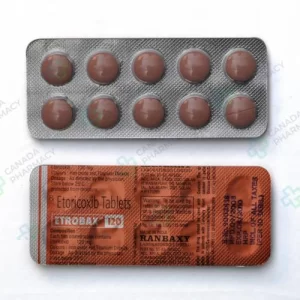
Arcoxia
Price range: $ 42,00 through $ 271,00
Active substance: etoricoxib
More Details
This product has multiple variants. The options may be chosen on the product page
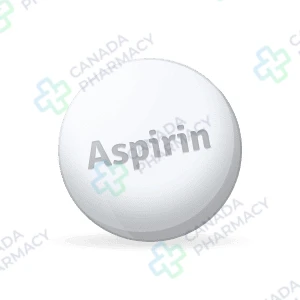
Aspirin
Price range: $ 8,00 through $ 118,00
Active substance: Acetylsalicylic acid
More Details
This product has multiple variants. The options may be chosen on the product page
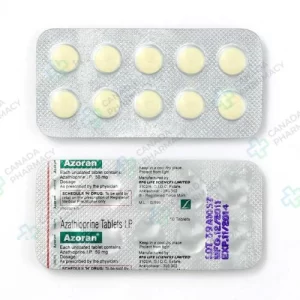
Imuran
Price range: $ 29,00 through $ 302,00
Active substance: Azathioprine
More Details
This product has multiple variants. The options may be chosen on the product page
Meldonium
Price range: $ 40,00 through $ 324,00
Active substance: Meldonium
More Details
This product has multiple variants. The options may be chosen on the product page
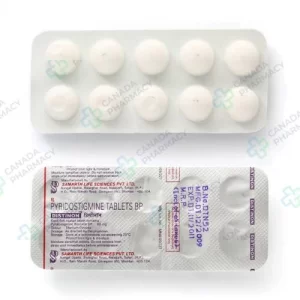
Mestinon
Price range: $ 64,00 through $ 403,00
Active substance: Pyridostigmine
More Details
This product has multiple variants. The options may be chosen on the product page
Nimotop
Price range: $ 40,00 through $ 338,00
Active substance: Nimodipine
More Details
This product has multiple variants. The options may be chosen on the product page

Rumalaya liniment
Price range: $ 53,00 through $ 213,00
Active substance: Gaultheria
More Details
This product has multiple variants. The options may be chosen on the product page
Tizacare
Price range: $ 40,00 through $ 285,00
Active substance: Tizanidine
More Details
This product has multiple variants. The options may be chosen on the product page