

-50%
Lumigan
Price range: $ 53,00 through $ 490,00

Malegra
Price range: $ 50,00 through $ 110,00
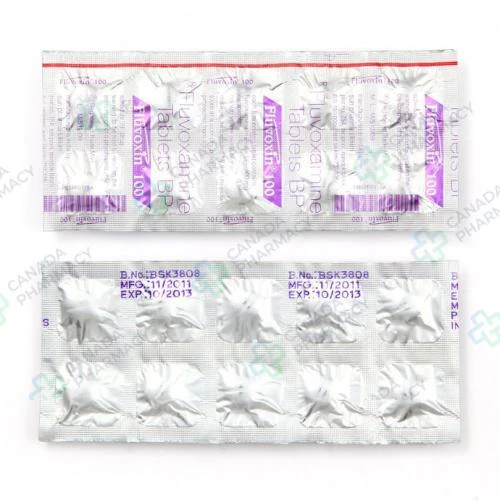
Luvox
Price range: $ 54,00 through $ 427,00
Luvox, which contains the active ingredient fluvoxamine, is a selective serotonin reuptake inhibitor (SSRI) used to balance chemicals in the brain. This medication is specifically indicated for the treatment of obsessive-compulsive disorder (OCD) in both adults and pediatric patients. It effectively helps reduce the frequency of persistent, unwanted thoughts and repetitive behaviors that interfere with daily living. Beyond its primary use for OCD, Luvox is also commonly utilized to manage symptoms of social anxiety disorder and major depressive disorder. By stabilizing serotonin levels, this therapy supports improved emotional well-being and helps individuals regain focus on their routine activities.
Active substance: Fluvoxamine
Delivery: 5–21 days (depending on the shipping method)
Extra 10% discount with coupon: IT4K6SVM
Each dosage option has its own packaging choices.
Description
Luvox belongs to a group of medicines called selective serotonin reuptake inhibitors (SSRIs). It is a prescription medication primarily FDA-approved for the management of obsessive-compulsive disorder (OCD) in adult and pediatric populations. By modulating chemical messengers within the central nervous system, Luvox helps diminish intrusive thoughts and repetitive behaviors associated with this neurobehavioral condition.
On one hand, Luvox exhibits a well-established efficacy profile backed by clinical evaluation; on the other hand, its pharmacokinetic properties require careful dosage titration and strict adherence to medical guidance. As a prescription-only agent in the United States, it must be dispensed and monitored under the supervision of a licensed healthcare provider in accordance with applicable federal and state regulations.
Basic Drug Profile and Clinical Overview
| Parameter | Details |
|---|---|
| Drug Name | Luvox |
| Active Ingredient (INN) | Fluvoxamine maleate |
| Therapeutic Class | Selective Serotonin Reuptake Inhibitor (SSRI) |
| Dosage Form | Oral film-coated tablet |
| Route of Administration | Oral |
| Prescription Status | Prescription only (Rx) |
| Primary Purpose | Obsessive-Compulsive Disorder (OCD) management |
Main Uses
Luvox is officially approved by the United States Food and Drug Administration (FDA) for the treatment of Obsessive-Compulsive Disorder (OCD) in adults and pediatric patients aged 8 to 17 years. Clinical studies demonstrate its capacity to reduce the intensity and frequency of persistent, intrusive thoughts (obsessions) as well as ritualistic behaviors (compulsions). While its labeled indication in the U.S. market is limited to OCD, medical practitioners may occasionally prescribe fluvoxamine off-label for other conditions, such as Major Depressive Disorder (MDD), Social Anxiety Disorder (SAD), or Post-Traumatic Stress Disorder (PTSD). Off-label use indicates that while the FDA has not formally approved the drug for these specific conditions, a licensed prescriber may evaluate its scientific rationale and deem it clinically appropriate for an individual patient.
How the Drug Works
The primary mechanism of action of Luvox centers on the selective inhibition of presynaptic serotonin reuptake in central nervous system neurons. Serotonin is a vital neurotransmitter responsible for regulating anxiety, mood, and repetitive behavioral cycles. By binding to the serotonin transporter protein (SERT), fluvoxamine inhibits the reabsorption of serotonin into the presynaptic neuron, thereby increasing synaptic serotonin concentrations and enhancing serotonergic neurotransmission. Compared to several other SSRIs, fluvoxamine also displays high binding affinity for human sigma-1 receptors, though the exact clinical contribution of this secondary binding mechanism remains under investigation. Fluvoxamine shows negligible affinity for alpha-adrenergic, beta-adrenergic, histaminic, or muscarinic acetylcholine receptors, which accounts for a lower incidence of anticholinergic adverse effects relative to older tricyclic antidepressants.
Dosing Schedule
Dosing for Luvox must be strictly individualized based on clinical diagnosis, therapeutic response, and patient tolerance. For adult patients with OCD, therapy typically begins at a starting dose of 50 mg administered once daily at bedtime. Prescribers may gradually titrate the dose upward in increments of 50 mg every 4 to 7 days until an effective therapeutic response is established. The standard therapeutic dosage range for adults is between 100 mg and 300 mg daily. When total daily doses exceed 100 mg, the medication is generally divided into two equal doses throughout the day to maintain consistent blood levels. In pediatric patients (ages 8 to 17), treatment starts lower–typically 25 mg once daily at bedtime–and is adjusted slowly under close pediatric supervision. Tablets should be swallowed whole with fluid and may be taken with or without food.
What Happens in the Body
Following oral administration, Luvox is rapidly absorbed from the gastrointestinal tract, reaching peak plasma concentrations within 3 to 8 hours. Absolute bioavailability ranges between 53% and 90%, and bioavailability is not significantly impacted by food co-ingestion. Fluvoxamine undergoes extensive hepatic metabolism, primarily through oxidative pathways driven by cytochrome P450 isoenzymes. The mean elimination half-life of fluvoxamine is approximately 15 to 16 hours after a single dose, though it can extend slightly longer following chronic dosing as steady-state plasma concentrations are reached. Fluvoxamine exhibits non-linear pharmacokinetics, meaning that small increases in dosage can yield disproportionately higher plasma concentrations due to auto-inhibition of its own metabolic pathways. The vast majority of inactive metabolites are cleared by renal excretion in the urine.
Safety, Interactions, and Practical Considerations
Signs of Improvement
Evaluating the efficacy of Luvox requires patience, as noticeable therapeutic benefits rarely occur immediately. Patients generally do not experience rapid reductions in obsessive thoughts during the initial days of treatment. Subtle early improvements, such as minor reductions in generalized anxiety or stabilization of sleep patterns, may become apparent within 1 to 2 weeks. However, a full clinical response for OCD symptoms typically requires 6 to 8 weeks of consistent daily administration at an adequate therapeutic dosage. Healthcare professionals evaluate symptom progression over time using standardized clinical evaluation tools.
Adverse Reactions
Like all centrally acting medications, Luvox carries a risk of adverse effects, though not all patients experience them. On one hand, many common side effects are mild to moderate and tend to resolve as the body adapts to treatment. Frequently reported adverse reactions include nausea, somnolence (drowsiness), insomnia, dizziness, dry mouth, asthenia (weakness), excessive sweating, and anorexia. Gastrointestinal symptoms such as dyspepsia and flatulence are also relatively common during the initial weeks. On the other hand, persistent adverse effects can occur, including sexual dysfunction (such as delayed ejaculation, erectile dysfunction, or decreased libido). Serious but less frequent side effects include hyponatremia (abnormally low blood sodium, particularly in elderly patients on diuretics), abnormal bleeding events, and acute angle-closure glaucoma in predisposed individuals.
Important Precautions
Luvox carries a Black Box Warning regarding an increased risk of suicidal thoughts and behaviors in children, adolescents, and young adults up to 24 years of age during initial treatment and dose adjustments. Caregivers and healthcare providers must closely observe patients for worsening depression, sudden behavioral changes, or agitation. Additionally, caution is advised when prescribing Luvox to elderly individuals due to higher susceptibility to electrolyte imbalances and drug interactions. Regarding pregnancy, exposure to SSRIs late in the third trimester has been associated with complications in neonates, including respiratory distress and persistent pulmonary hypertension of the newborn (PPHN). Fluvoxamine passes into breast milk in small amounts; therefore, breastfeeding decisions require a careful risk-benefit analysis with the treating physician. Treatment should never be stopped abruptly, as rapid withdrawal can trigger discontinuation symptoms such as electric-shock sensations, headache, severe dizziness, and sensory disturbances.
What Not to Combine
Luvox is a potent inhibitor of CYP1A2 and CYP2C19 enzymes, and a moderate inhibitor of CYP2C9, CYP3A4, and CYP2D6. Consequently, it possesses a broad spectrum of drug interaction risks. Concomitant administration with Monoamine Oxidase Inhibitors (MAOIs) is strictly contraindicated due to the severe risk of Serotonin Syndrome–a potentially life-threatening reaction characterized by hyperthermia, muscle rigidity, autonomic instability, and rapid mental status changes. At least 14 days must elapse between stopping an MAOI and initiating Luvox. Co-administration with tizanidine, alosetron, thioridazine, or ramelteon is also strictly contraindicated, as fluvoxamine dramatically elevates their blood levels. Furthermore, Luvox significantly increases plasma concentrations of caffeine, theophylline, warfarin, clozapine, and certain benzodiazepines, requiring dose modification or avoidance.
What to Avoid While Taking It
Patients prescribed Luvox should avoid alcohol consumption, as alcohol amplifies central nervous system depression, impairs cognitive and motor functions, and increases drowsiness. Because fluvoxamine strongly inhibits CYP1A2–the primary enzyme responsible for clearing caffeine–patients are advised to significantly decrease or eliminate intake of caffeinated beverages such as coffee, tea, and energy drinks. High caffeine levels resulting from this interaction can cause severe restlessness, tremors, tachycardia, and insomnia. Standard food intake does not alter drug absorption, so tablets can be taken with or without food as preferred.
If You Skip a Dose
If a dose of Luvox is missed, it should be taken as soon as it is remembered, provided the next scheduled dose is not due shortly. If it is nearly time for the next scheduled dose, the missed tablet should be skipped entirely, and the regular dosing calendar maintained. Patients should never double up on tablets to compensate for a missed dose, as taking excess medication abruptly increases the risk of side effects and acute toxicity.
Common Questions
Can Luvox cause significant weight changes?
Weight changes during Luvox therapy vary by individual. In the initial phase of treatment, gastrointestinal side effects such as nausea or decreased appetite may lead to modest weight loss. Over extended therapy, some patients may experience mild weight gain, which is a recognized characteristic of long-term SSRI administration.
Is it safe to drive while taking Luvox?
Luvox can cause drowsiness, fatigue, and impaired concentration, particularly during the first few weeks of therapy or following a dose escalation. Patients should evaluate how the medication affects their alertness before driving, operating machinery, or performing tasks requiring sharp mental focus.
What should I do if I experience mild nausea early in treatment?
Transient nausea is one of the most common early side effects of fluvoxamine. Taking the dose with food, taking it at bedtime, or discussing a slower dosage titration schedule with your prescriber can help mitigate gastrointestinal discomfort.
How should Luvox therapy be safely discontinued?
Luvox must never be stopped suddenly. Prescribers typically formulate a gradual tapering schedule, reducing the daily dosage over several weeks or months to minimize withdrawal reactions such as dizziness, irritability, vivid dreams, and paresthesias.
Does Luvox interact with over-the-counter pain relievers?
Yes. Combining Luvox with nonsteroidal anti-inflammatory drugs (NSAIDs) such as ibuprofen or naproxen, or with aspirin, can increase the risk of upper gastrointestinal bleeding. Patients should discuss safe pain-management options with their doctor or pharmacist.
In accordance with FDA requirements.
Information on this page is for reference and does not replace an assessment by a licensed healthcare professional.
Additional information
| Dosage |
50mg ,100mg |
|---|---|
| Package |
30 pills ,60 pills ,90 pills ,120 pills ,180 pills ,270 pills ,360 pills |
| Ενεργός Ουσία |
Related products
Atarax
Price range: $ 42,00 through $ 150,00
Active substance: Hydroxyzine
More Details
This product has multiple variants. The options may be chosen on the product page
Cymbalta
Price range: $ 46,00 through $ 561,00
Active substance: Duloxetine
More Details
This product has multiple variants. The options may be chosen on the product page
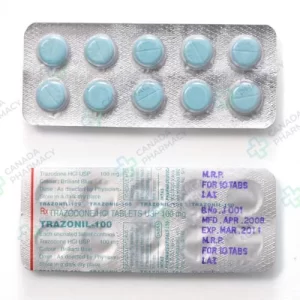
Desyrel
Price range: $ 41,00 through $ 206,00
Active substance: Trazodone
More Details
This product has multiple variants. The options may be chosen on the product page
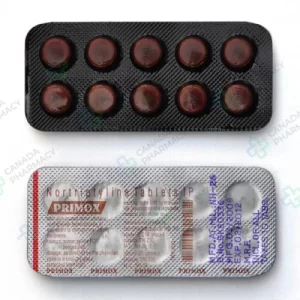
Pamelor
Price range: $ 54,00 through $ 185,00
Active substance: Nortriptyline
More Details
This product has multiple variants. The options may be chosen on the product page
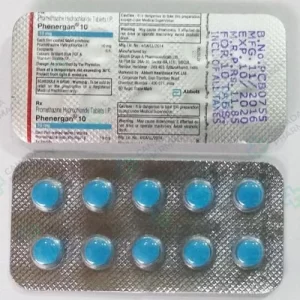
Phenergan
Price range: $ 42,00 through $ 136,00
Active substance: Promethazine
More Details
This product has multiple variants. The options may be chosen on the product page

Serpina
Price range: $ 41,00 through $ 246,00
Active substance: Sarpagandha
More Details
This product has multiple variants. The options may be chosen on the product page
Sinequan
Price range: $ 52,00 through $ 399,00
Active substance: Doxepin
More Details
This product has multiple variants. The options may be chosen on the product page
Ventodep ER
Price range: $ 53,00 through $ 561,00
Active substance: Venlafaxine
More Details
This product has multiple variants. The options may be chosen on the product page