

-8%
Lukol
Price range: $ 63,00 through $ 79,00
Luvox
Price range: $ 54,00 through $ 427,00
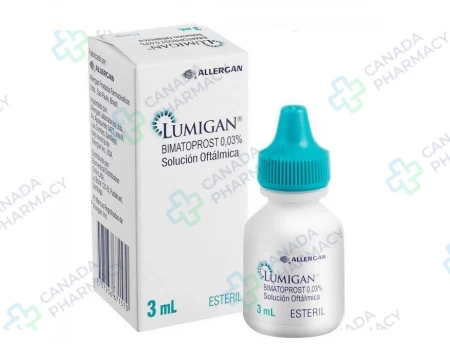
Lumigan
Price range: $ 53,00 through $ 490,00
Lumigan is a sterile ophthalmic solution primarily used to lower high pressure inside the eye. It contains the active ingredient bimatoprost, which belongs to a class of medications known as prostaglandin analogs. This medication is highly effective for patients diagnosed with open-angle glaucoma or ocular hypertension. By increasing the natural outflow of fluid from the eye, it helps prevent potential vision loss associated with excessive intraocular pressure. Regular use of Lumigan provides a reliable way to maintain ocular health and manage long-term eye conditions.
Active substance: Bimatoprost
Delivery: 5–21 days (depending on the shipping method)
Extra 10% discount with coupon: IT4K6SVM
Each dosage option has its own packaging choices.
Description
Lumigan belongs to a class of ocular medications known as synthetic prostaglandin analogs. Prescribed under strict regulatory standards in the United States, this ophthalmic solution is formulated to help regulate intraocular pressure in patients diagnosed with specific ocular conditions.
Administered directly into the affected eye, the medication requires proper instillation techniques to ensure optimal therapeutic benefit while minimizing systemic absorption. As a prescription-only therapy, its use must be guided and monitored by a qualified healthcare provider.
| Attribute | Details |
|---|---|
| Active ingredient (INN) | Bimatoprost |
| Therapeutic class | Prostaglandin analog, ophthalmic |
| Dosage form | Ophthalmic solution (0.01%) |
| Route of administration | Topical ophthalmic |
| Primary purpose | Reduction of elevated intraocular pressure |
| Prescription status | Prescription only (Rx) |
| Storage conditions | Room temperature 59°F to 77°F (15°C to 25°C) |
Clinical and Pharmacological Profile
How the drug works
Bimatoprost, the active component in Lumigan, is a synthetic prostamide structurally related to prostaglandin F2 alpha. It functions primarily by increasing the outflow of aqueous humor from the eye through both the trabecular meshwork and the uveoscleral pathways. Aqueous humor is the fluid continuously produced inside the anterior chamber of the eye. When fluid drainage is impaired, intraocular pressure rises, creating a significant risk factor for progressive optic nerve damage. By facilitating dual drainage pathways, bimatoprost lowers intraocular pressure effectively without significantly affecting systemic blood pressure or heart rate.
Main uses
Lumigan is indicated for the reduction of elevated intraocular pressure in patients with open-angle glaucoma or ocular hypertension. Elevated intraocular pressure represents a primary manageable risk factor for vision loss associated with glaucomatous optic neuropathy. Clinical indications are restricted to individuals who require medical intervention to maintain baseline intraocular pressure within a target therapeutic range. Any use of bimatoprost for promoting eyelash growth is associated with a separate, distinct product formulation; using Lumigan off-label for cosmetic eyelash enhancement is not an FDA-approved indication for this product and must be evaluated cautiously due to potential adverse effects such as permanent iris pigmentation.
Dosing schedule
The recommended dosing schedule for Lumigan ophthalmic solution is one drop in the affected eye(s) once daily, administered in the evening. Increasing the frequency of administration beyond once daily is not recommended, as clinical studies demonstrate that more frequent instillation may actually decrease the intraocular pressure-lowering effect of the medication. Before instilling the drop, patients should wash their hands thoroughly. Contact lenses must be removed prior to application and may be reinserted 15 minutes following administration. Care should be taken to avoid touching the dropper tip to the eye, eyelids, or surrounding surfaces to preserve sterility.
What happens in the body
Following topical ocular administration, bimatoprost penetrates the cornea efficiently. Systemic absorption occurs, but systemic plasma concentrations remain extremely low, typically reaching peak levels within 10 minutes post-dose and falling below lower limits of detection within a few hours. The drug is moderately bound to human plasma proteins. Bimatoprost undergoes oxidation, N-deethylation, and glucuronidation to form various metabolites. Elimination occurs primarily through renal and fecal pathways, with a systemic elimination half-life of approximately 45 minutes observed after intravenous administration. No significant systemic accumulation occurs following once-daily ocular dosing.
Safety Information and Patient Guidance
Compatibility with other medicines
While systemic drug interactions with Lumigan are minimal due to low circulating plasma levels, local ocular interactions must be considered. Concomitant administration of two or more topical prostaglandin analogs is not recommended, as this can result in a paradoxical increase in intraocular pressure or reduced efficacy. If more than one topical ophthalmic medication is being used to manage ocular health, the medications should be administered at least 5 minutes apart to prevent dilution or washing out of the active ingredients.
Adverse reactions
The most frequently reported adverse reaction associated with Lumigan is conjunctival hyperemia. Other common ocular side effects include hypertrichosis (increased growth, length, and thickness of eyelashes), ocular pruritus (itching), eye irritation, foreign body sensation, and increased iris pigmentation. Pigmentation changes of the iris and periorbital tissue may be permanent. Iris color changes occur slowly and may not be noticeable for months or years. Less common adverse reactions include dry eye, eyelid erythema, punctate keratitis, and mild ocular discomfort. Systemic adverse events are rare but may include mild upper respiratory tract symptoms or temporary headaches.
Before you take it
Caution is advised in patients with active intraocular inflammation, such as uveitis or iritis, because bimatoprost may exacerbate inflammatory conditions. Patients with macular edema or aphakic patients with torn posterior lens capsules should use Lumigan with caution due to reported risk factors for macular edema. Regarding special populations, safety and effectiveness in pediatric patients below 16 years of age have not been established. For pregnant or nursing women, Lumigan should be used only if the potential benefit justifies the potential risk to the fetus or infant, as controlled human data are limited.
Red flags
Patients using Lumigan should seek immediate medical evaluation if they experience severe, sudden eye pain, acute changes in vision, sudden onset of redness accompanied by discharge, or signs of a severe allergic reaction such as swelling of the face, lips, tongue, or throat. Development of acute intercurrent ocular conditions, such as trauma or infection, warrants immediate consultation with an eye care professional to determine whether to continue using the current bottle or adjust treatment.
Practical tips
In daily practice, establishing a consistent evening routine helps maintain compliance with Lumigan therapy. Patients living in variable climates, such as in Chicago or Phoenix, should remember to store the bottle in a clean place away from direct heat and sunlight. When instilling the drop, pull down the lower eyelid gently to form a small pocket, tilt the head back slightly, and squeeze one drop into the conjunctival sac. Close the eye gently for one to two minutes while applying light pressure to the inner corner (nasolacrimal occlusion) to minimize systemic absorption into the bloodstream.
If you skip a dose
If a dose of Lumigan is missed, the patient should skip the missed drop and apply the next dose at the regularly scheduled evening time. Doubling the dose or applying extra drops to compensate for a missed application must be avoided, as excessive use can diminish the intraocular pressure-lowering effect and increase the likelihood of side effects.
Storage and expiration
Lumigan ophthalmic solution should be stored at controlled room temperature between 59°F and 77°F (15°C to 25°C). The container should be kept tightly closed when not in use. Patients must discard any solution that appears cloudy, discolored, or contains particulate matter. Additionally, once opened, the bottle should be handled with clean hands to prevent microbial contamination, and expired bottles must be disposed of according to local pharmaceutical disposal protocols.
Common Questions
What should I do if my eye color starts changing while using Lumigan?
Increased brown pigmentation of the iris is a known side effect of bimatoprost. This change occurs slowly and may be permanent. If you notice changes in your iris color, inform your eye care provider during your next routine examination. The doctor will assess your treatment plan and evaluate whether to continue therapy based on your overall ocular health.
Can I wear contact lenses while applying Lumigan ocular drops?
Yes, but contact lenses must be removed prior to instilling Lumigan. The formulation contains benzalkonium chloride, a preservative that may be absorbed by soft contact lenses and cause eye irritation or lens discoloration. You should wait at least 15 minutes after instilling the drops before reinserting your contact lenses.
Is it safe to stop using Lumigan abruptly if my intraocular pressure improves?
No. Elevated intraocular pressure typically returns to baseline levels if medication is discontinued. Stopping Lumigan without consulting your doctor can lead to uncontrolled pressure spikes and increase the risk of optic nerve damage. Any changes to your dosing schedule must be overseen by a qualified physician.
What happens if I accidentally instil more than one drop into my eye?
Instilling an extra drop occasionally is unlikely to cause severe systemic toxicity, but it may cause increased localized irritation or eye redness. Blot away any excess liquid from the skin around the eye. Resume your normal once-daily evening schedule the following day, and avoid intentionally using excess drops.
Does Lumigan affect my ability to drive or operate machinery?
Immediately after instilling the eye drops, you may experience temporary blurred vision or mild eye discomfort. You should wait until your vision clears completely before driving, operating machinery, or performing tasks that require sharp visual acuity.
In accordance with FDA requirements.
This text is for informational purposes only and does not constitute individual medical advice.
Additional information
| Dosage |
0.1mg 3ml |
|---|---|
| Package |
1 bottles ,2 bottles ,3 bottles ,4 bottles ,5 bottles ,6 bottles ,7 bottles ,8 bottles ,9 bottles ,10 bottles |
| Ενεργός Ουσία |
Related products
Alkeran
Price range: $ 112,00 through $ 513,00
Active substance: Melphalan
More Details
This product has multiple variants. The options may be chosen on the product page
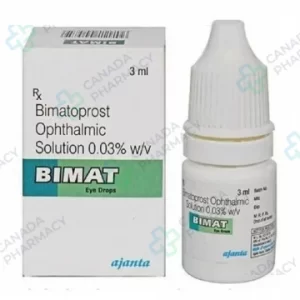
Bimat
Price range: $ 60,00 through $ 330,00
Active substance: Bimatoprost
More Details
This product has multiple variants. The options may be chosen on the product page
Cabgolin
Price range: $ 134,00 through $ 356,00
Active substance: Cabergoline
More Details
This product has multiple variants. The options may be chosen on the product page
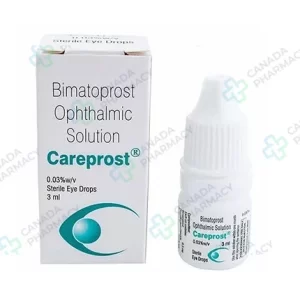
Careprost
Price range: $ 42,00 through $ 367,00
Active substance: Bimatoprost
More Details
This product has multiple variants. The options may be chosen on the product page
Diclofenac
Price range: $ 49,00 through $ 121,00
Active substance: diclofenac
More Details
This product has multiple variants. The options may be chosen on the product page
Doxylamine
Price range: $ 10,00 through $ 33,00
Active substance: Doxylamine succinate
More Details
This product has multiple variants. The options may be chosen on the product page
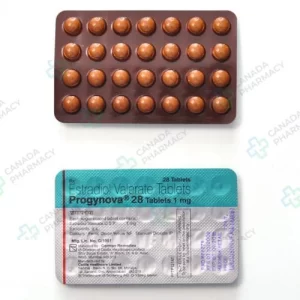
Estrace
Price range: $ 53,00 through $ 384,00
Active substance: Estradiol
More Details
This product has multiple variants. The options may be chosen on the product page
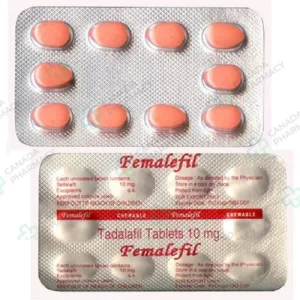
Female Cialis Soft
Price range: $ 40,00 through $ 288,00
Active substance: Tadalafil
More Details
This product has multiple variants. The options may be chosen on the product page