

-44%
Cyclosporine
Price range: $ 43,00 through $ 216,00
Cymbalta
Price range: $ 46,00 through $ 561,00
Cycrin
Price range: $ 52,00 through $ 347,00
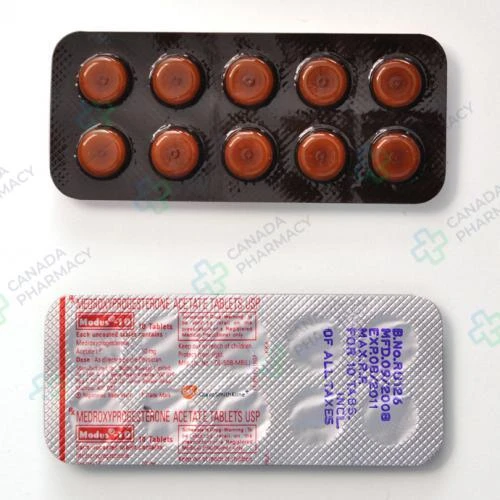
Cycrin is a specialized hormonal medication containing medroxyprogesterone acetate, which is primarily used to regulate the female reproductive system. It is highly effective in treating secondary amenorrhea by helping to restore regular menstrual cycles in women who have experienced a cessation of periods. Additionally, the medication is indicated for managing abnormal uterine bleeding resulting from hormonal imbalances. Cycrin also plays a crucial role in postmenopausal care by reducing the risk of endometrial hyperplasia in women receiving estrogen replacement therapy. By acting as a synthetic form of progesterone, it helps maintain a healthy uterine lining and supports overall hormonal stability.
Active substance: Medroxyprogesterone
Delivery: 5–21 days (depending on the shipping method)
Extra 10% discount with coupon: IT4K6SVM
Each dosage option has its own packaging choices.
Description
Cycrin belongs to a group of medicines called progestins, which are synthetic derivatives of the naturally occurring female hormone progesterone. It is prescribed under medical supervision to treat conditions associated with hormonal imbalances in the female reproductive system, such as secondary amenorrhea and abnormal uterine bleeding. The medication is also utilized in specific hormone replacement regimens to counteract endometrial hyperplasia.
In the United States, Cycrin is classified as a prescription medicine subject to federal regulatory standards. Proper usage requires an accurate clinical diagnosis and an individualized treatment plan established by a licensed healthcare professional.
| Attribute | Details |
|---|---|
| Active ingredient | Medroxyprogesterone acetate |
| Therapeutic class | Progestins |
| Dosage form | Oral tablet |
| Route of administration | Oral |
| Primary purpose | Management of menstrual disorders and endometrial protection |
| Prescription status | Prescription (Rx) |
Clinical and Pharmacological Overview
Main uses
Cycrin is indicated for the treatment of secondary amenorrhea, a clinical condition characterized by the cessation of menstrual periods for six consecutive months or longer in women who previously had regular cycles. It is also indicated for the management of abnormal uterine bleeding caused by hormonal imbalance rather than underlying organic pathology, such as uterine fibroids or uterine cancer. Furthermore, Cycrin is prescribed to reduce the risk of endometrial hyperplasia in postmenopausal women receiving conjugated estrogen therapy. Any off-label administration–such as off-label use for specific unapproved gynecological protocols–must be explicitly evaluated and directed by a healthcare provider based on clinical judgment.
Mechanism of action
The active component of Cycrin, medroxyprogesterone acetate, exerts its action by binding to specific progesterone receptors located in the female reproductive tract, pituitary gland, and hypothalamus. By stimulating these receptors, it suppresses the secretion of pituitary gonadotropins, specifically luteinizing hormone (LH) and follicle-stimulating hormone (FSH). This inhibition prevents follicular maturation and ovulation. At the cellular level within the uterus, medroxyprogesterone acetate transforms an estrogen-primed proliferative endometrium into a secretory endometrium. When the medication is withdrawn, the sudden decrease in progestational activity leads to shedding of the endometrial lining, inducing withdrawal bleeding.
How it’s absorbed and eliminated
Following oral administration, medroxyprogesterone acetate is absorbed rapidly from the gastrointestinal tract. Peak plasma concentration levels are typically reached within two to four hours after ingestion. The active substance binds extensively to serum proteins, primarily albumin, in the bloodstream. Metabolism occurs predominantly in the liver through hydroxylation and conjugation pathways. The elimination half-life of medroxyprogesterone acetate following oral intake exhibits variability among individual patients, generally ranging from several hours to over a day. Metabolites are excreted mainly in the urine, with a smaller fraction eliminated via the biliary system in feces.
Compatibility with other medicines
Concomitant administration of Cycrin with other pharmaceuticals can alter therapeutic efficacy or increase the likelihood of adverse reactions. Strong inducers of hepatic enzymes, such as aminoglutethimide, rifampin, carbamazepine, St. John’s wort, and phenytoin, can accelerate the metabolism of medroxyprogesterone acetate, potentially reducing its systemic concentration and clinical effectiveness. Conversely, strong inhibitors of hepatic enzymes may increase circulating levels of the drug. Patients should inform their prescribing professional of all prescription drugs, over-the-counter products, dietary supplements, and botanical preparations currently being taken to prevent adverse pharmacological interactions.
Administration, Safety, and Precautions
Dosing schedule
The administration schedule for Cycrin depends entirely on the clinical indication being treated and must be determined individually by a qualified physician. For secondary amenorrhea, dosages typically range from 5 mg to 10 mg daily, administered for a period of 5 to 10 days. For abnormal uterine bleeding, similar daily regimens of 5 mg to 10 mg are prescribed for 5 to 10 days, usually beginning on calculated days of the menstrual cycle. When used to counteract endometrial hyperplasia in combination with estrogen replacement therapy, daily doses of 2.5 mg to 10 mg may be prescribed either continuously or sequentially. Patients must follow their prescriber’s specific instructions without adjusting the daily amount or duration of therapy.
Important precautions
Cycrin carries significant safety considerations that require clinical evaluation before starting therapy. The medication is contraindicated in individuals with active arterial or venous thromboembolic disease, deep vein thrombosis, pulmonary embolism, or a history of these conditions. It should not be used by patients with known or suspected breast malignancy, hepatic dysfunction, or unexplained vaginal bleeding. Therapy with progestins may increase the risk of cardiovascular events, cerebrovascular accidents, and blood clots. Patients presenting with risk factors such as hypertension, diabetes mellitus, hyperlipidemia, or prolonged immobilization must be monitored closely. If sudden visual disturbances, severe migraine headaches, or signs of thrombosis occur, medication must be discontinued immediately.
Adverse reactions
Clinical administration of Cycrin may result in various adverse reactions ranging from mild to severe. Common side effects include changes in menstrual bleeding patterns, such as spotting, breakthrough bleeding, or amenorrhea. Patients may also experience breast tenderness, headaches, nervousness, somnolence, dizziness, nausea, and fluid retention resulting in minor weight changes. Less common but serious side effects include severe allergic reactions, jaundice, mental depression, marked elevations in blood pressure, and thromboembolic events. Patients experiencing persistent severe side effects or signs of serious adverse reactions should seek clinical evaluation promptly.
Food and alcohol interactions
Cycrin oral tablets may be taken with or without food. Taking the tablet with meals or a small snack may help minimize mild gastrointestinal discomfort, such as nausea. While food does not significantly alter the total extent of drug absorption, consistency in administration relative to meals is recommended. Ethanol consumption does not have a direct, unique chemical interaction with medroxyprogesterone acetate; however, excessive alcohol consumption can compound hepatic strain and exacerbate systemic side effects such as dizziness or mood changes.
If you skip a dose
If a dose of Cycrin is missed, it should be taken as soon as remembered on the same day. If it is nearly time for the next scheduled dose, the missed tablet should be skipped, and the regular dosing schedule resumed. Double doses should never be taken to compensate for a missed tablet. Skipping multiple doses during a treatment cycle can cause unexpected uterine bleeding or spotting and reduce the overall therapeutic effectiveness of the regimen. Patients who miss several consecutive doses should consult their prescribing healthcare provider for guidance.
Pregnancy, breastfeeding, and other groups
Cycrin is strictly contraindicated during pregnancy, as progestins may pose risks of fetal harm when administered during early gestation. If pregnancy is suspected or confirmed, therapy must be stopped at once. Medroxyprogesterone acetate is excreted in human breast milk; nursing mothers should consult their healthcare provider to weigh potential risks against clinical benefits before using this medication. Safety and effectiveness in pediatric populations prior to menarche have not been established. In elderly patients, progestin therapy must be used with caution, taking into account the higher prevalence of cardiovascular and hepatic conditions.
Storage and expiration
Cycrin tablets should be stored at controlled room temperature, typically between 68°F and 77°F (20°C to 25°C), away from excess heat, direct light, and moisture. Keep the medication in its original container, tightly closed and out of reach of children and pets. Do not store tablets in humid environments such as bathroom cabinets. Unused or expired medication should be disposed of in accordance with local pharmaceutical waste protocols or community take-back programs, rather than being flushed down the drain.
Common questions
What should I do if unexpected bleeding occurs while taking Cycrin?
Intermittent breakthrough bleeding or spotting can occur during progestin therapy, especially during the initial treatment cycles. However, if bleeding is unusually heavy, prolonged, or accompanied by severe pelvic pain, it is important to contact a healthcare provider for an evaluation to rule out non-hormonal causes.
Can Cycrin affect mood or mental state?
Progestins, including medroxyprogesterone acetate, can influence central nervous system pathways. Some patients report mood fluctuations, increased anxiety, or symptoms of depression while taking Cycrin. Patients with a history of clinical depression should be monitored closely by their physician.
How long after finishing a course of Cycrin does withdrawal bleeding start?
Withdrawal bleeding typically begins 3 to 7 days after completing a prescribed short course of Cycrin. This bleeding occurs as hormone levels decline in the body, simulating the natural hormonal shift of a menstrual cycle.
Does Cycrin act as an effective contraceptive pill?
When prescribed as oral tablets for menstrual disorders or endometrial protection, Cycrin is not intended or approved for use as a primary form of contraception. Patients requiring pregnancy prevention should discuss appropriate barrier or hormonal contraceptive options with their medical provider.
In accordance with FDA requirements.
This text is for informational purposes only and does not constitute individual medical advice.
Additional information
| Dosage |
10 mg |
|---|---|
| Package |
30 pills ,60 pills ,90 pills ,120 pills ,180 pills ,360 pills |
| Ενεργός Ουσία |
Related products

Altraz
Price range: $ 194,00 through $ 441,00
Active substance: Anastrozole
More Details
This product has multiple variants. The options may be chosen on the product page
Danazol
Price range: $ 62,00 through $ 480,00
Active substance: Danazol
More Details
This product has multiple variants. The options may be chosen on the product page
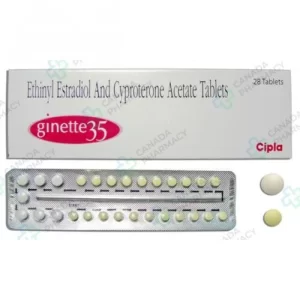
Diane 35
Price range: $ 16,00 through $ 46,00
Active substance: Cyproterone Acetate, Ethyl Estradiol
More Details
This product has multiple variants. The options may be chosen on the product page
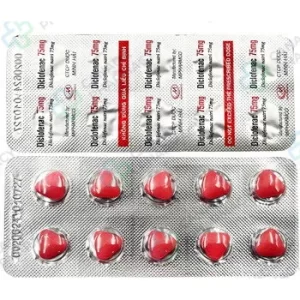
Diclofenac
Price range: $ 49,00 through $ 121,00
Active substance: diclofenac
More Details
This product has multiple variants. The options may be chosen on the product page

Doxylamine
Price range: $ 10,00 through $ 33,00
Active substance: Doxylamine succinate
More Details
This product has multiple variants. The options may be chosen on the product page
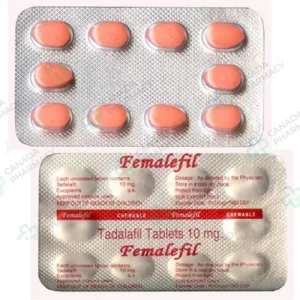
Female Cialis
Price range: $ 20,00 through $ 340,00
Active substance: Tadalafil
More Details
This product has multiple variants. The options may be chosen on the product page
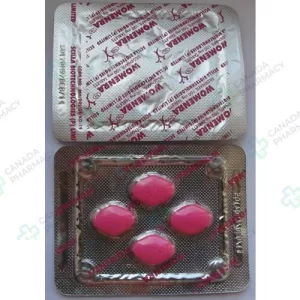
Female Viagra
Price range: $ 41,00 through $ 305,00
Active substance: Sildenafil
More Details
This product has multiple variants. The options may be chosen on the product page

Ferrous
Price range: $ 60,00 through $ 487,00
Active substance: Ferrous sulfate
More Details
This product has multiple variants. The options may be chosen on the product page