

-35%
Podowart
Price range: $ 66,00 through $ 190,00
Poxet
Price range: $ 45,00 through $ 430,00
Ponstel
Price range: $ 41,00 through $ 161,00
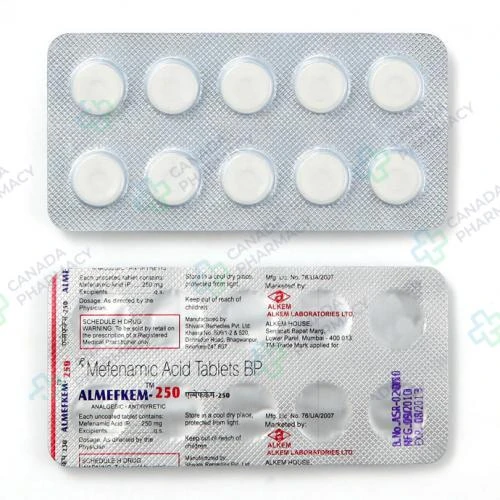
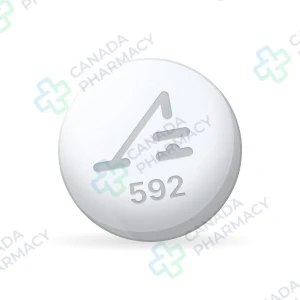
Ponstel is a highly effective nonsteroidal anti-inflammatory drug (NSAID) specifically formulated to provide rapid relief from acute discomfort. This medication is primarily indicated for the short-term treatment of mild to moderate pain in both adults and adolescents. It is particularly beneficial for managing the symptoms of primary dysmenorrhea, providing reliable relief from painful menstrual cramps. By targeting the production of prostaglandins in the body, Ponstel works efficiently to reduce inflammation and physical soreness at the source. This trusted treatment helps individuals maintain their daily routines by effectively managing various painful conditions and improving overall comfort.
Active substance: mefenamic acid
Delivery: 5–21 days (depending on the shipping method)
Extra 10% discount with coupon: IT4K6SVM
Each dosage option has its own packaging choices.
Description
Ponstel belongs to a group of medicines called nonsteroidal anti-inflammatory drugs (NSAIDs), specifically within the fenamate subclass. It contains mefenamic acid as its active ingredient and is approved in the United States for the short-term relief of mild to moderate pain and the treatment of primary dysmenorrhea. Dispensed in accordance with applicable federal regulations, this prescription drug requires evaluation and monitoring by a licensed healthcare provider prior to initiation.
Because Ponstel carries specific cardiovascular and gastrointestinal warnings common to the NSAID class, therapy is strictly limited in duration. Understanding its pharmacological profile, correct dosing schedule, and safety precautions helps ensure appropriate clinical use under professional medical guidance.
| Property | Details |
|---|---|
| Active ingredient (INN) | Mefenamic acid |
| Therapeutic class | Nonsteroidal Anti-inflammatory Drug (Fenamate derivative) |
| Dosage form | Oral capsule (250 mg) |
| Route of administration | Oral |
| Primary purpose | Short-term management of mild to moderate pain and dysmenorrhea |
| Prescription status | Prescription only (Rx) |
Clinical Overview and Pharmacological Profile
What it’s used for
Ponstel is indicated for the symptomatic treatment of mild to moderate pain in patients 14 years of age and older when the total duration of treatment will not exceed 7 days. It is also indicated for the treatment of primary dysmenorrhea. Clinical guidelines emphasize that therapy should be limited to the shortest effective duration consistent with individual patient treatment goals.
Any use of Ponstel outside these parameters–such as long-term administration for chronic osteoarthritis or rheumatoid arthritis–is considered off-label. While mefenamic acid has been evaluated in medical literature for conditions like heavy menstrual bleeding (menorrhagia), such applications represent off-label indications that require explicit clinical justification and supervision by a prescribing physician.
How the drug works
reached through the inhibition of cyclooxygenase enzymes, specifically COX-1 and COX-2. Inhibition of these enzymes blocks the peripheral conversion of arachidonic acid into prostaglandins, which are major chemical mediators of inflammation, pain signaling, and fever response. By suppressing local prostaglandin synthesis, Ponstel attenuates inflammatory nociceptive transmission.
In addition to COX enzyme inhibition, experimental evidence demonstrates that mefenamic acid directly competes with circulating prostaglandins for binding at specific receptor sites. This dual mechanism contributes to its analgesic and anti-inflammatory activity, particularly within uterine tissue where reduced prostaglandin activity lowers intra-uterine pressure and uterine contractions associated with primary dysmenorrhea.
How it’s absorbed and eliminated
Following oral administration, Ponstel is rapidly absorbed from the gastrointestinal tract. Peak plasma concentration levels are typically attained within 1 to 4 hours post-dose. Mefenamic acid exhibits extensive binding to human serum albumin, with circulating protein binding exceeding 90%. This high binding affinity influences the drug’s distribution volume and potential displacement interactions with other protein-bound agents.
Biotransformation occurs extensively in the liver, primarily driven by the cytochrome P450 enzyme CYP2C9. Mefenamic acid is oxidized to a 3-hydroxymethyl metabolite, which may subsequently undergo oxidation to a 3-carboxyme-fenamic acid derivative. The mean elimination half-life of mefenamic acid is relatively short, ranging from approximately 2 to 4 hours. Renal excretion accounts for roughly 52% of the dose as intact drug or glucuronide conjugates, while approximately 20% is eliminated via the feces.
Dosing schedule
The standard adult dosage of Ponstel for acute mild to moderate pain is an initial single oral dose of 500 mg, followed by 250 mg every 6 hours as needed. The total therapeutic course must not exceed 7 days due to the cumulative risk of adverse gastrointestinal and cardiovascular events associated with prolonged NSAID exposure.
For the management of primary dysmenorrhea, the recommended regimen is an initial dose of 500 mg at the onset of menstrual pain, followed by 250 mg every 6 hours. Treatment is typically initiated at the start of menses and continued for 2 to 3 days, depending on symptom severity. Administration with food or milk is recommended to mitigate local gastric mucosal irritation.
Safety Information and Patient Guidance
Adverse reactions
Adverse reactions associated with Ponstel primarily involve the gastrointestinal system. Frequently observed side effects include abdominal pain, nausea, vomiting, diarrhea, dyspepsia, heartburn, flatulence, and constipation. Severe gastrointestinal toxicity, including ulceration, occult bleeding, and perforation of the stomach or intestines, can occur at any point during therapy without warning symptoms.
Central nervous system side effects include headache, dizziness, nervousness, and somnolence. Hepatic and renal toxicities have also been reported; these include transient elevations of liver enzymes (ALT/AST), acute renal impairment, interstitial nephritis, and fluid retention. Dermatologic reactions range from minor skin rashes and pruritus to rare but life-threatening bullous eruptions such as Stevens-Johnson syndrome and toxic epidermal necrolysis.
Important precautions
Ponstel carries a Boxed Warning regarding serious cardiovascular risks. NSAIDs cause an increased risk of serious cardiovascular thrombotic events, including myocardial infarction and stroke, which can be fatal. This risk may occur early in treatment and may increase with duration of use. Ponstel is strictly contraindicated in the setting of coronary artery bypass graft (CABG) surgery.
The drug also carries a Boxed Warning for gastrointestinal risk. NSAIDs cause an increased risk of serious gastrointestinal adverse events including bleeding, ulceration, and perforation of the stomach or intestines, which can be fatal. Elderly patients and those with a history of peptic ulcer disease or gastrointestinal bleeding are at greater risk for serious GI events. Caution is warranted in patients with preexisting hypertension, heart failure, renal impairment, or hepatic dysfunction.
Compatibility with other medicines
Co-administration of Ponstel with oral anticoagulants (such as warfarin) elevates the risk of serious gastrointestinal bleeding. Concurrent use with aspirin or other systemic NSAIDs increases toxicity without offering additional therapeutic efficacy. Ponstel may attenuate the antihypertensive effect of ACE inhibitors, angiotensin receptor blockers (ARBs), and beta-blockers, while also compromising the diuretic activity of furosemide and thiazides.
Concomitant administration with selective serotonin reuptake inhibitors (SSRIs) or serotonin-norepinephrine reuptake inhibitors (SNRIs) heightens the risk of upper gastrointestinal bleeding. Furthermore, mefenamic acid can inhibit the renal clearance of lithium and methotrexate, leading to increased serum concentrations and potential toxicity of these agents.
What to avoid while taking it
Patients taking Ponstel should avoid consuming alcohol. Alcohol ingestion acts synergistically with NSAIDs to irritate the mucosal lining of the stomach, significantly increasing the baseline risk of gastrointestinal ulceration and acute bleeding. Caution should also be exercised when taking over-the-counter cold, flu, or pain medications, as many contain occult NSAIDs that could lead to accidental overdose.
Pregnancy, breastfeeding, and other groups
Use of Ponstel during pregnancy is subject to strict limitations. Use should be avoided starting at 20 weeks of gestation due to the risk of fetal renal dysfunction leading to oligohydramnios. Use is strictly contraindicated at 30 weeks of gestation and later because NSAIDs can cause premature closure of the fetal ductus arteriosus. Mefenamic acid enters human breast milk in small quantities; decision to discontinue nursing or the drug must weigh maternal necessity against potential infant exposure. Safety and effectiveness in pediatric patients under 14 years of age have not been established.
If you skip a dose
If a dose of Ponstel is missed, it should be taken as soon as remembered, provided pain management is still necessary. However, if it is nearly time for the next scheduled capsule, the missed dose should be skipped entirely, resuming the regular dosing pattern. Patients must never double the dose to make up for a missed administration.
Storage and expiration
Ponstel capsules should be stored at controlled room temperature between 68°F and 77°F (20°C to 25°C), with brief excursions permitted between 59°F and 86°F (15°C and 30°C). The container must be kept tightly closed and stored away from excess heat, light, and moisture. Store safely out of reach of children and domestic pets. Expired medications should be disposed of in accordance with local pharmaceutical waste protocols.
Common questions
Can Ponstel be taken for chronic osteoarthritis pain?
No. FDA-approved labeling explicitly restricts Ponstel to short-term therapy not exceeding 7 days for acute pain. It is not approved for chronic joint conditions due to cumulative cardiovascular and gastrointestinal toxicity risks associated with prolonged use.
What should be done if stomach distress occurs while taking Ponstel?
Mild stomach upset can often be managed by taking the dose with food or milk. However, if persistent pain, severe indigestion, dark stools, or vomiting blood occurs, treatment must be discontinued immediately, and medical evaluation sought.
How quickly does Ponstel start reducing pain?
Analgesic onset generally occurs within 1 to 2 hours following oral administration, corresponding to peak plasma drug levels. Pain relief typically lasts for approximately 6 hours per dose.
Does Ponstel interact with over-the-counter pain relievers like ibuprofen?
Yes. Combining Ponstel with over-the-counter NSAIDs like ibuprofen or naproxen increases the risk of severe stomach ulcers and kidney damage without providing greater pain relief. Acetaminophen may be considered as an alternative only under the advice of a prescriber.
Is it safe to drive while taking Ponstel?
Ponstel can cause dizziness, drowsiness, or visual disturbances in some individuals. Patients should assess their personal reaction to the medication before driving or operating heavy machinery.
In accordance with FDA requirements.
This text is for informational purposes only and does not constitute individual medical advice.
Additional information
| Dosage |
250mg ,500mg |
|---|---|
| Package |
60 pills ,90 pills ,120 pills ,180 pills ,270 pills ,360 pills |
| Ενεργός Ουσία |
Related products
Anacin
More Details
This product has multiple variants. The options may be chosen on the product page
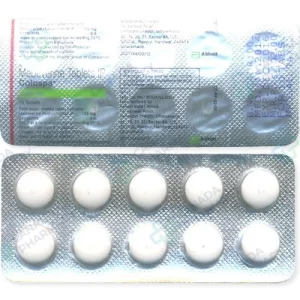
Colospa
Price range: $ 24,00 through $ 311,00
Active substance: mebeverine
More Details
This product has multiple variants. The options may be chosen on the product page

Lioresal
Price range: $ 52,00 through $ 478,00
Active substance: Lioresal
More Details
This product has multiple variants. The options may be chosen on the product page
Nimotop
Price range: $ 40,00 through $ 338,00
Active substance: Nimodipine
More Details
This product has multiple variants. The options may be chosen on the product page

Rumalaya
Price range: $ 51,00 through $ 206,00
Active substance: Rumalaya
More Details
This product has multiple variants. The options may be chosen on the product page
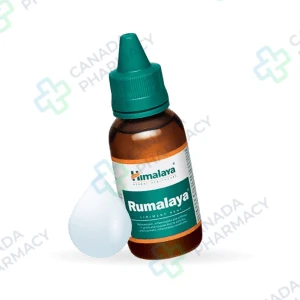
Rumalaya liniment
Price range: $ 53,00 through $ 213,00
Active substance: Gaultheria
More Details
This product has multiple variants. The options may be chosen on the product page
Skelaxin
Price range: $ 74,00 through $ 417,00
Active substance: Metaxalone
More Details
This product has multiple variants. The options may be chosen on the product page
Tizanidine
Price range: $ 88,00 through $ 214,00
Active substance: Tizanidine
More Details
This product has multiple variants. The options may be chosen on the product page