

-14%
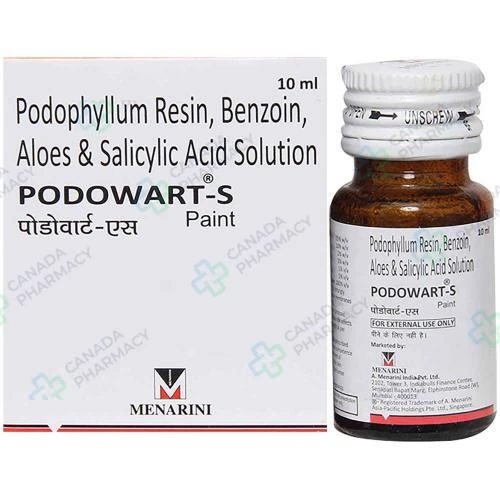
Pletal
Price range: $ 41,00 through $ 434,00
Ponstel
Price range: $ 41,00 through $ 161,00
Podowart
Price range: $ 66,00 through $ 190,00
Podowart is a specialized topical solution formulated for the effective treatment of external genital and perianal warts. It contains Podophyllum Resin, which works by penetrating the wart tissue to inhibit the growth and spread of the affected cells. This potent medication is specifically designed to target and eliminate lesions caused by the human papillomavirus (HPV). The solution allows for precise application, ensuring the active ingredients work directly on the localized skin growths. With consistent use, Podowart helps clear visible external warts and assists in restoring the natural appearance of the skin.
Delivery: 5–21 days (depending on the shipping method)
Extra 10% discount with coupon: IT4K6SVM
Each dosage option has its own packaging choices.
Description
Podowart – What You Need to Know
Podowart should only be used under strict medical supervision due to potential systemic toxicity and severe localized tissue erosion. It is a prescription topical cytotoxic preparation dispensed in accordance with applicable federal and state regulations for targeted dermatological application.
The medication functions as a potent keratolytic compound that arrests cell division in epithelial tissues affected by human papillomavirus (HPV). Patients must strictly adhere to application directives to prevent normal skin breakdown and dangerous systemic absorption.
| Property | Details |
|---|---|
| Drug name | Podowart |
| Active ingredient (INN) | Podophyllum resin |
| Therapeutic class | Keratolytic / Cytotoxic agent |
| Dosage form | Topical solution |
| Route of administration | Topical application |
| Prescription status | Prescription (Rx) |
| Primary purpose | Management of external anogenital warts |
Important precautions
Warning: Podowart contains podophyllum resin, a potent cytotoxic chemical mixture that carries severe risks of systemic toxicity if absorbed through mucous membranes, open lacerations, or bleeding tissue. Excessive absorption can lead to central nervous system toxicity, severe gastrointestinal symptoms, peripheral neuropathy, bone marrow suppression, and multi-organ impairment. Never apply this medication over extensive surface areas or inflamed tissue.
Strict avoidance is mandatory during pregnancy. Podophyllum resin is teratogenic and poses documented risks of intrauterine fetal toxicity or death. Healthcare prescribers must verify negative pregnancy status prior to initiating therapy. Do not use Podowart on birthmarks, moles, bleeding cutaneous lesions, or healthy skin. Protective ointments, such as petrolatum or zinc oxide, should be applied to surrounding healthy tissue before treatment to create a protective barrier against accidental spreading.
Main uses
Podowart is indicated exclusively for the topical treatment of external anogenital warts (condylomata acuminata). It targets localized epithelial lesions caused by human papillomavirus (HPV) infection on external cutaneous surfaces. It is explicitly not indicated for the management of internal mucosal lesions, including urethral, rectal, vaginal, or cervical warts, where systemic absorption rates are markedly elevated.
Any use of Podowart for non-anogenital cutaneous warts, such as recalcitrant plantar warts or common verruca vulgaris, is considered off-label. Off-label use must only occur under explicit clinical guidance from a qualified dermatologist, as safety parameters and absorption risks on non-genital tissue vary significantly from standard labeled indications.
How the drug works
Podowart produces its therapeutic effect through the cytotoxic action of podophyllum resin, which is derived from the dried rhizome and roots of Podophyllum peltatum (Mayapple). The primary active lignan component, podophyllotoxin, binds reversibly to tubulin, preventing microtubule assembly within proliferating epithelial cells. This mechanism halts cellular mitosis specifically at the metaphase stage.
By disrupting cell division, the active agent induces localized tissue ischemia, arrest of cellular metabolism, and focal necrosis within viral-infected epidermal cells. Over a period of several days, the affected lesion regresses, dries up, and sloughs off from the healthy underlying dermis.
Dosing schedule
Administration of Podowart must follow strict clinical protocols dictated by a healthcare provider. The solution is applied directly to the lesion using a precision applicator, taking extreme precautions to avoid contact with surrounding uninvolved skin. Healthy tissue surrounding the treatment area should be coated with a thin layer of petrolatum or zinc oxide ointment prior to application.
The applied liquid must be allowed to air-dry completely before coming into contact with clothing. Standard medical protocols require that the solution be thoroughly washed off with mild soap and warm water after a prescribed exposure window–typically ranging from 1 to 4 hours–to limit cutaneous damage and prevent systemic absorption. Treatment schedules generally involve application once or twice weekly under medical surveillance, and the treatment duration should not exceed recommended cycles without clinical reassessment.
First days of treatment
Within 24 to 48 hours following an initial application, localized skin reactions are expected. Patients typically experience mild to moderate erythema, burning sensations, localized edema, and soreness at the treatment site. These manifestations indicate the intended chemical action on target tissues.
As the active resin induces cellular necrosis, the targeted lesion may blanch, turn yellowish or dark, and form a superficial crust before sloughing off. Patients must refrain from picking, scratching, or applying unauthorized topical creams, hydrocortisone, or occlusive dressings over the treatment site, as this can exacerbate ulceration and increase the risk of systemic absorption or secondary bacterial infection.
How it’s absorbed and eliminated
When Podowart is applied correctly to small, intact epidermal surfaces for limited time intervals, systemic absorption remains minimal. However, bio-availability increases rapidly if applied to large surface areas, eroded cuticles, or moist mucosal membranes.
Once systemically absorbed, podophyllum resin components undergo hepatic biotransformation. Metabolites and unchanged compounds are slowly eliminated via renal pathways and biliary excretion over several days. Due to unpredictable absorption rates on damaged skin, clinical protocols enforce strict volume limits per application session to minimize systemic accumulation.
Adverse reactions
Localized adverse effects are common and include application-site pain, severe skin irritation, chemical burns, swelling, erosion, ulceration, and post-inflammatory hyperpigmentation or hypopigmentation. Contact dermatitis may also occur in sensitive individuals.
Warning: Systemic toxic reactions require immediate medical intervention. Systemic manifestations include severe nausea, persistent vomiting, abdominal pain, diarrhea, confusion, lethargy, dizziness, peripheral neuropathy (numbness or tingling in fingers and toes), bone marrow depression (leukopenia, thrombocytopenia), and respiratory distress. Any systemic reaction indicates severe absorption toxicity.
Red flags
Immediate emergency medical evaluation is necessary if signs of systemic toxicity or severe localized destruction occur. Do not delay seeking emergency care if you experience systemic distress after applying Podowart. Prompt intervention is critical to prevent severe toxic complications.
| Warning Sign | Immediate Action Required |
|---|---|
| Neurological changes (confusion, dizziness, severe lethargy, numbness in extremities) | Seek emergency medical care immediately |
| Severe gastrointestinal distress (uncontrolled vomiting, severe abdominal pain) | Seek emergency medical care immediately |
| Respiratory distress or swelling (facial, lip, tongue swelling, shortness of breath) | Call emergency services immediately |
| Severe chemical burns (widespread skin sloughing, deep ulceration outside treatment area) | Discontinue use and consult provider immediately |
What not to combine
Do not apply other topical keratolytic agents, salicylic acid, or irritant skin treatments to the same area while using Podowart. Combining topical irritants severely destabilizes the epidermal barrier, leading to heightened mucosal erosion and significantly increased systemic absorption risks.
Patients should avoid alcohol consumption during active treatment phases. Systemic exposure to podophyllum resin combined with alcohol ingestion can exacerbate central nervous system depression and gastrointestinal toxicity. Inform your prescriber of all concurrent prescription and non-prescription products, including dermatological washes and herbal preparations.
Special populations
Podowart is strictly contraindicated during pregnancy. The active components cross placental barriers, exhibiting direct teratogenic activity and high risk of fetal lethality. Women of childbearing potential must utilize reliable contraception and confirm non-pregnant status before application.
Breastfeeding is not recommended during Podowart therapy due to insufficient safety data regarding excretion into human milk and the risk of infant toxicity. Pediatric safety and effectiveness have not been established; use in children is restricted unless directed by a specialist. Elderly patients should be monitored closely due to increased skin fragility and delayed tissue healing.
Storage and expiration
Store Podowart topical solution at controlled room temperature between 68°F to 77°F (20°C to 25°C). Keep the container tightly sealed in an upright position. Store away from direct heat, open flames, and sunlight, as liquid preparations may contain volatile, flammable solvents such as ethanol.
Keep out of the reach of children and pets. Properly discard any solution that has expired or appears discolored or precipitate-laden. Do not dispose of liquid down household drains unless instructed by local waste guidelines.
Common questions
What should I do if Podowart accidentally touches healthy skin?
If Podowart contacts unintended healthy skin, wash the area immediately with copious amounts of cool water and mild soap. To protect healthy skin during application, always coat the surrounding area with a protective barrier like petrolatum prior to applying the solution.
Why must the medication be washed off after a specific time period?
Podowart contains potent cytotoxic chemicals that cause progressive chemical erosion. Leaving the solution on the skin longer than the prescribed exposure window increases the risk of severe chemical burns, deep tissue ulceration, and systemic drug absorption.
Can Podowart be used to treat internal mucosal lesions?
No. Podowart is strictly contraindicated for internal mucosal surfaces, including inside the urethra, vagina, cervix, or rectum. Mucosal application causes rapid systemic absorption, leading to severe toxicity and organ damage.
Is it safe to drive after an application of Podowart?
Under normal, localized application, Podowart should not impair driving ability. However, if you experience unexpected dizziness, lightheadedness, or systemic weakness after an application, avoid operating machinery and contact your healthcare provider immediately.
What happens if I miss a scheduled application?
If an application session is missed, do not apply extra solution or extend exposure duration to compensate. Contact your healthcare provider for guidance on resuming your structured treatment schedule safely.
In accordance with FDA requirements.
This text is for informational purposes only and does not constitute individual medical advice.
Additional information
| Dosage |
10 ml |
|---|---|
| Package |
3 bottles ,6 bottles ,9 bottles ,10 bottles |
| Ενεργός Ουσία | , , |
Related products
Assurans
Price range: $ 50,00 through $ 70,00
Active substance: Sildenafil Citrate
More Details
This product has multiple variants. The options may be chosen on the product page

Betahistine
Price range: $ 41,00 through $ 311,00
Active substance: Betahistine
More Details
This product has multiple variants. The options may be chosen on the product page
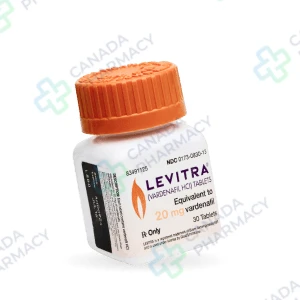
Bottled Levitra
Price range: $ 158,00 through $ 347,00
Active substance: Vardenafil
More Details
This product has multiple variants. The options may be chosen on the product page
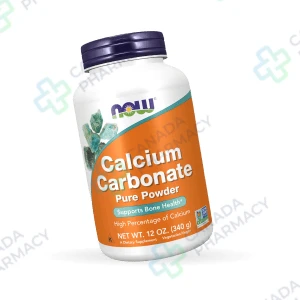
Calcium Carbonate
Price range: $ 41,00 through $ 535,00
Active substance: Calcium Carbonate
More Details
This product has multiple variants. The options may be chosen on the product page

Duralast
Price range: $ 54,00 through $ 140,00
Active substance: Dapoxetine
More Details
This product has multiple variants. The options may be chosen on the product page
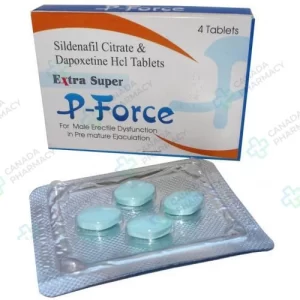
Extra Super P-Force
Price range: $ 72,00 through $ 199,00
Active substance: Dapoxetine, Sildenafil Citrate
More Details
This product has multiple variants. The options may be chosen on the product page
Finalo
Price range: $ 26,00 through $ 52,00
Active substance: Finasteride
More Details
This product has multiple variants. The options may be chosen on the product page
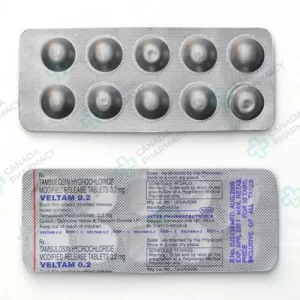
Flomax
Price range: $ 55,00 through $ 335,00
Active substance: Tamsulosin
More Details
This product has multiple variants. The options may be chosen on the product page