

-4%
Xalatan
Price range: $ 74,00 through $ 405,00
Xenical
Price range: $ 45,00 through $ 400,00
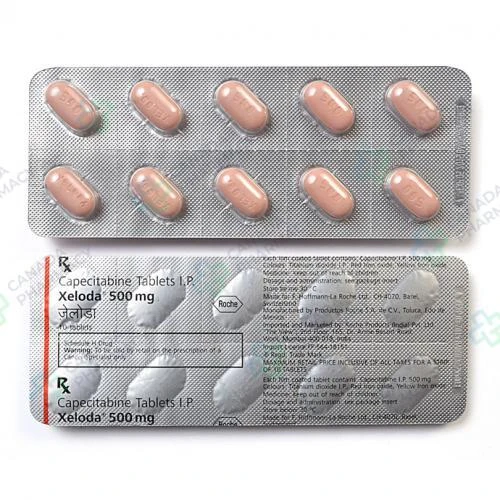
Xeloda
Price range: $ 494,00 through $ 788,00
Xeloda is an effective oral chemotherapy medication designed to treat specific types of cancer by targeting malignant cells. It is widely indicated for the treatment of colorectal cancer, both as a primary therapy and as a follow-up after surgical procedures. Additionally, this medication is used to manage advanced or metastatic breast cancer when other treatments have not been sufficiently effective. The active ingredient works by converting into a cancer-fighting substance directly within tumor cells to inhibit their growth and spread. This oral treatment offers a convenient alternative to traditional intravenous chemotherapy, allowing patients to manage their health from the comfort of home.
Active substance: Capecitabine
Delivery: 5–21 days (depending on the shipping method)
Extra 10% discount with coupon: IT4K6SVM
Each dosage option has its own packaging choices.
Description
Xeloda belongs to a class of antineoplastic medications known as nucleoside metabolic inhibitors. As an orally administered fluoropyrimidine carbamate prodrug, it is designed to be converted into its active cytotoxic compound within tissues to inhibit cellular replication. Xeloda is a prescription-only therapy approved by the U.S. Food and Drug Administration (FDA) for specific oncological indications and must be administered under direct medical supervision.
This reference document provides an overview of the pharmacologic characteristics, clinical indications, safety parameters, and operational guidance for patients receiving Xeloda. All therapeutic decisions regarding dosage, treatment duration, and toxicity monitoring must be directed by a qualified healthcare professional.
| Attribute | Detail |
|---|---|
| Active Ingredient | Capecitabine |
| Therapeutic Class | Nucleoside metabolic inhibitor (Antimetabolite) |
| Dosage Form | Oral film-coated tablets (150 mg, 500 mg) |
| Route of Administration | Oral |
| Prescription Status | Prescription only (Rx) |
| Primary Purpose | Systemic antineoplastic treatment for specific carcinomas |
How the drug works
Xeloda is an orally administered prodrug of 5-fluorouracil (5-FU). Following gastrointestinal absorption, capecitabine undergoes a three-step enzymatic cascade to convert into its active metabolite, 5-FU. It is first metabolized in the liver by carboxylesterase to 5′-deoxy-5-fluorocytidine (5′-DFCR), which is subsequently converted to 5′-deoxy-5-fluorouridine (5′-DFUR) by cytidine deaminase located in hepatic and tissue structures. The final enzymatic transformation to 5-FU is catalyzed by thymidine phosphorylase, an enzyme frequently found in higher concentrations within neoplastic tissues compared to healthy surrounding tissue.
Once 5-FU is generated intracellularly, it exerts cytotoxic activity through two distinct mechanisms. First, its active metabolite fluorodeoxyuridine monophosphate (FdUMP) binds to thymidylate synthase, inhibiting the synthesis of thymidylate, which is required for DNA replication and cellular proliferation. Second, another active metabolite, fluorouridine triphosphate (FUTP), incorporates directly into RNA strands, causing errors in RNA processing and protein synthesis. These biochemical interruptions trigger programmed cell death (apoptosis) in rapidly dividing malignant cell populations.
Main uses
Xeloda is indicated by the FDA for the treatment of specific solid tumors under established clinical protocols:
- Adjuvant Colon Cancer: Indicated as a single agent for the adjuvant treatment of patients with Dukes’ C colon cancer who have undergone complete surgical resection of the primary tumor.
- Metastatic Colorectal Cancer: Indicated as a first-line monotherapy for patients with metastatic colorectal carcinoma when single-agent fluoropyrimidine therapy is deemed appropriate by the treating oncologist.
- Advanced or Metastatic Breast Cancer: Indicated in combination with docetaxel for patients with metastatic breast cancer following disease progression on prior anthracycline-containing chemotherapy. It is also indicated as monotherapy for metastatic breast cancer resistant to both paclitaxel and an anthracycline-containing regimen, or for patients in whom further anthracycline therapy is contraindicated.
Off-label uses: Oncologists may prescribe capecitabine off-label for other gastrointestinal malignancies, such as advanced gastric, esophageal, biliary tract, or pancreatic cancers, based on established clinical practice guidelines. Off-label administration represents clinical practice outside FDA-approved labeling and requires individualized risk-benefit evaluation by the prescriber.
Dosing schedule
The standard monotherapy dosage of Xeloda is calculated based on total body surface area (BSA in m²). The recommended starting dose is 1250 mg/m² administered orally twice daily (equivalent to a total daily dose of 2500 mg/m²) for 14 consecutive days, followed by a 7-day rest period, completing a 21-day treatment cycle. Tablets are available in 150 mg and 500 mg strengths to allow precise dosage individualization.
Xeloda tablets must be swallowed whole with water within 30 minutes after completing a meal (typically breakfast and dinner). Administration after food intake slows absorption and reduces potential gastrointestinal mucosal irritation. Tablets should not be broken, crushed, or chewed. Dose modifications, temporary holds, or dosage reductions are routinely implemented to manage treatment-emergent toxicities, such as severe diarrhea, stomatitis, or palmar-plantar erythrodysesthesia.
How it is absorbed and eliminated
Following oral administration, capecitabine is rapidly and extensively absorbed across the gastrointestinal mucosa. Peak plasma concentrations (Cmax) of parent capecitabine are reached within approximately 1.5 to 2 hours post-dose, while peak levels of the active metabolite 5-FU occur at approximately 2 hours. Co-administration with food decreases the rate and peak concentration of capecitabine absorption, but official prescribing guidelines require post-prandial administration to optimize tolerability and therapeutic consistency.
Plasma protein binding of capecitabine and its metabolic intermediates is relatively low (less than 60%), primarily binding to human serum albumin. Metabolism is extensive and rapid, with enzymatic clearance dependent on dihydropyridine dehydrogenase (DPD) for the elimination of 5-FU. Approximately 96% of the administered dose is recovered in urine, predominantly as inactive metabolites, with less than 3% excreted unchanged. The elimination half-life of capecitabine and 5-FU is short, generally ranging from 0.7 to 1 hour, although metabolic effects within tissue cells persist longer.
Compatibility with other medicines
Xeloda exhibits clinically significant drug-drug interactions that require close monitoring or dosage adjustment:
- Coumarin Anticoagulants (e.g., Warfarin): Co-administration can cause marked increases in prothrombin time and international normalized ratio (INR), leading to severe or fatal bleeding events. Frequent INR monitoring is mandatory when these agents are used concurrently.
- Phenytoin: Xeloda increases serum concentrations of phenytoin, elevating the risk of phenytoin toxicity. Serum phenytoin levels should be routinely measured.
- Leucovorin (Folinic Acid): Leucovorin enhances the cytotoxic activity and toxicity profile of fluoropyrimidines; severe enterocolitis, diarrhea, and dehydration have been reported with combination regimens.
- Antacids: Antacids containing aluminum hydroxide and magnesium hydroxide cause a modest increase in the plasma concentration of capecitabine.
- Allopurinol: May decrease the metabolic activation and antineoplastic efficacy of fluoropyrimidines.
Adverse reactions
Treatment with Xeloda is associated with predictable adverse events typical of systemic fluoropyrimidine therapy. Toxicities are categorized by organ system and clinical severity:
- Palmar-Plantar Erythrodysesthesia (Hand-Foot Syndrome): Characterized by paresthesia, tingling, erythema, swelling, severe pain, and desquamation of the hands and feet. Grade 2 or 3 events require temporary dose interruption or dose reduction.
- Gastrointestinal Toxicities: Diarrhea, nausea, vomiting, stomatitis (mouth inflammation and ulcers), and abdominal pain are common. Dehydration secondary to severe diarrhea can lead to acute renal failure.
- Hematologic Effects: Neutropenia, anemia, and thrombocytopenia occur regularly, requiring routine complete blood counts prior to and during treatment cycles.
- Hepatic and Systemic Reactions: Hyperbilirubinemia, elevated transaminases, hypertriglyceridemia, fatigue, and pyrexia.
Important precautions
Xeloda carries major safety warnings that necessitate patient evaluation prior to initiating therapy:
- Dihydropyridine Dehydrogenase (DPD) Deficiency: Patients with complete or partial DPD deficiency face an increased risk of severe, life-threatening, or fatal toxicities (e.g., mucositis, diarrhea, neutropenia, and neurotoxicity). Screening or vigilance is critical.
- Renal Impairment: Patients with moderate renal impairment at baseline (creatinine clearance 30–50 mL/min) require a reduced starting dose (75% of standard dose). Xeloda is contraindicated in patients with severe renal impairment (creatinine clearance below 30 mL/min).
- Cardiotoxicity: Myocardial infarction, angina, dysrhythmias, electrocardiographic changes, and heart failure have been observed with fluoropyrimidine therapy, particularly in patients with pre-existing coronary artery disease.
- Geriatric Population: Patients aged 80 years or older experience a higher incidence of Grade 3 or 4 severe gastrointestinal adverse reactions.
Food and alcohol considerations
Xeloda must be ingested within 30 minutes following a meal with water. Co-administration with food decreases gastrointestinal toxicity while ensuring predictable absorption dynamics. Alcohol consumption during treatment should be discussed with the prescribing oncologist, as alcohol can exacerbate mucosal irritation along the digestive tract, contribute to hepatic metabolic strain, and increase the risk of dehydration secondary to treatment-related nausea or diarrhea.
Pregnancy, breastfeeding, and specific populations
Xeloda can cause fetal harm when administered to pregnant women, based on its cytotoxic mechanism of action and preclinical animal data. Females of reproductive potential must verify negative pregnancy status prior to initiation and utilize effective contraception during treatment and for 6 months after the final dose. Male patients with female partners of reproductive potential must use effective contraception during therapy and for 3 months following the final dose. Lactation is contraindicated during Xeloda treatment and for 2 weeks after the last dose due to potential adverse effects in nursing infants.
If you skip a dose
If a scheduled dose of Xeloda is missed, the patient should skip the missed dose completely and take the next planned dose at the regularly scheduled time. Patients must never double a dose or take extra tablets to make up for a missed administration. Any missed doses should be documented and reported to the oncology treatment team to ensure accurate tracking of cumulative cycle dosing.
Storage and expiration
Xeloda tablets must be stored at controlled room temperature between 20°C and 25°C (68°F to 77°F), with short excursions permitted between 15°C and 30°C (59°F to 86°F). Store the medication in its original container, tightly closed, in a dry area protected from excessive heat and direct moisture. Keep out of reach of children and domestic animals. Do not use tablets past the expiration date stated on the commercial bottle label.
Common questions
What should I do if I experience severe diarrhea while taking Xeloda?
Severe diarrhea is a toxic reaction that requires prompt medical attention. If you experience an increase of four or more stools per day over your baseline or develop nighttime diarrhea, pause your Xeloda treatment immediately and notify your healthcare provider. Rehydration measures and prescribed antidiarrheal therapy (such as loperamide) should be initiated under clinical guidance to prevent dehydration and kidney complications.
Can Xeloda cause changes to the skin on my hands and feet?
Yes, Xeloda frequently causes palmar-plantar erythrodysesthesia, or hand-foot syndrome. Symptoms include redness, swelling, burning sensations, tenderness, or skin peeling on the palms and soles. Patients are advised to apply emollients, avoid friction and hot water exposure, and inform their care team promptly, as dose modification may be necessary to allow skin recovery.
Is it safe to drive or operate machinery during Xeloda treatment?
Xeloda may cause fatigue, dizziness, or nausea in treated individuals. If you experience any symptoms that impair your alertness or coordination, avoid driving, operating heavy machinery, or performing hazardous activities until you have determined how the drug affects you.
Why must Xeloda be taken after eating a meal?
Taking Xeloda within 30 minutes after a meal slows drug absorption and helps protect the gastrointestinal lining from direct drug-induced irritation. The clinical safety and efficacy data supporting Xeloda approval were established using post-prandial administration protocols.
Can I stop taking Xeloda if side effects become uncomfortable?
You should not alter your dosage or discontinue Xeloda without consulting your oncologist. Unilateral cessation can impair the therapeutic efficacy of your cancer treatment schedule. Your physician can prescribe supportive therapies, temporarily hold treatment, or adjust the dosage to manage toxicities safely.
In accordance with FDA standards and federal regulations.
Disclaimer: This material is educational. Only a licensed prescriber can determine whether a medication is appropriate for you.
Additional information
| Dosage |
500mg |
|---|---|
| Package |
30 pills ,40 pills ,50 pills |
| Ενεργός Ουσία |
Related products
Alkeran
Price range: $ 112,00 through $ 513,00
Active substance: Melphalan
More Details
This product has multiple variants. The options may be chosen on the product page
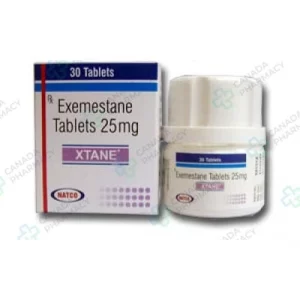
Aromasin
Price range: $ 123,00 through $ 1 152,00
Active substance: Exemestane
More Details
This product has multiple variants. The options may be chosen on the product page
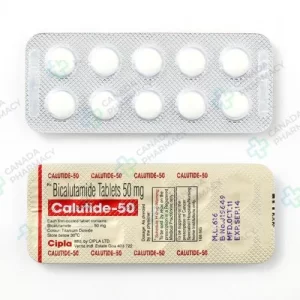
Casodex
Price range: $ 50,00 through $ 1 440,00
Active substance: bicalutamide
More Details
This product has multiple variants. The options may be chosen on the product page
Kytril
Price range: $ 76,00 through $ 491,00
Active substance: Granisetron
More Details
This product has multiple variants. The options may be chosen on the product page
LDN
Price range: $ 81,00 through $ 266,00
Active substance: Naltrexone
More Details
This product has multiple variants. The options may be chosen on the product page
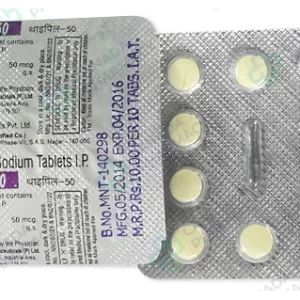
Levothroid
Price range: $ 42,00 through $ 144,00
Active substance: Levothyroxine sodium
More Details
This product has multiple variants. The options may be chosen on the product page
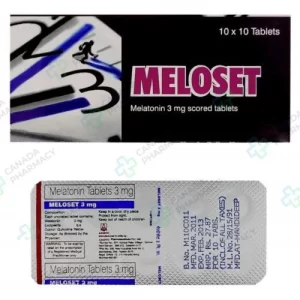
Melatonin
Anti-Inflammatories, AntiConvulsants, AntiParasitics, Cancer, Dementias, HIV, Migraine, Osteoporosis, Respiratory Tract
Price range: $ 46,00 through $ 201,00
Active substance: Melatonin
More Details
This product has multiple variants. The options may be chosen on the product page
Zyloprim
Price range: $ 43,00 through $ 144,00
Active substance: allopurinol
More Details
This product has multiple variants. The options may be chosen on the product page