

-21%
Hsquin
Price range: $ 43,00 through $ 75,00
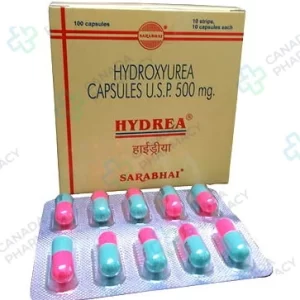
Hydrea
Price range: $ 64,00 through $ 541,00
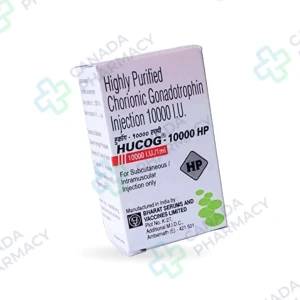
Hucog HP
Price range: $ 70,00 through $ 550,00
Hucog HP is a highly purified preparation of Human Chorionic Gonadotropin (hCG) designed to support reproductive health. For women, this medication is primarily used to trigger ovulation and treat certain types of infertility by stimulating the release of a mature egg. In men, Hucog HP effectively treats hypogonadotropic hypogonadism by encouraging the natural production of testosterone. It is also utilized to address prepubertal cryptorchidism, assisting with the proper descent of the testes in young males. This injectable hormone therapy provides a reliable solution for individuals seeking to restore hormonal balance and improve their fertility potential.
Active substance: Human chorionic gonadotropin (HCG)
Delivery: 5–21 days (depending on the shipping method)
Extra 10% discount with coupon: IT4K6SVM
Each dosage option has its own packaging choices.
Description
Hucog HP contains highly purified human chorionic gonadotropin (hCG), a polypeptide hormone belonging to the class of gonadotropin agents. In the United States, this medication is classified as a prescription-only (Rx) drug and must be dispensed and administered under direct medical supervision in accordance with federal and state regulations.
This therapeutic preparation is formulated for parenteral administration, either through intramuscular or subcutaneous routes, depending on the specific protocol designed by a healthcare provider. The active substance acts as a biological analog to endogenous luteinizing hormone, binding to targeted gonadal receptors to elicit specific endocrine responses in both female and male clinical settings.
| Parameter | Details |
|---|---|
| Active Ingredient | Human Chorionic Gonadotropin (hCG) |
| Therapeutic Class | Gonadotropin / Pituitary Hormone Analog |
| Prescription Status | Prescription Only (Rx) |
| Dosage Form | Lyophilized powder for injection (reconstituted) |
| Route of Administration | Intramuscular (IM) or Subcutaneous (SC) |
| Primary Purpose | Ovulation induction and hypogonadotropic hypogonadism therapy |
Clinical Profile and Indications
How the drug works
The active component in this drug is highly purified human chorionic gonadotropin, which functions as an exogenous analog of endogenous luteinizing hormone (LH). Human chorionic gonadotropin and LH share an identical alpha subunit, permitting hCG to bind selectively to transmembrane LH/hCG receptors situated on gonadal tissues. In female patients, binding to these receptors on ovarian follicular granulosa and theca cells induces the final maturation of the ovarian follicle, triggers ovulation, and supports the formation of the corpus luteum for subsequent progesterone secretion. In male patients, hCG binds to LH receptors on testicular Leydig cells, stimulating the biosyntheses and release of endogenous testosterone.
What it’s used for
Hucog HP is indicated for specific clinical applications approved by the FDA. In adult females, it is indicated for ovulation induction in anovulatory infertile patients where the cause of anovulation is secondary and not due to primary ovarian failure, frequently following follicle-stimulating hormone therapy in assisted reproductive protocols. In male patients, it is indicated for the management of hypogonadotropic hypogonadism secondary to pituitary or hypothalamic deficiency. Additionally, it is indicated for prepubertal cryptorchidism not caused by anatomical obstruction.
Off-label notice: Human chorionic gonadotropin is sometimes referenced in weight management regimens; however, its use for weight reduction or obesity treatment is considered off-label. The FDA has explicitly stated that hCG has no demonstrated efficacy in producing weight loss, altering fat distribution, or decreasing hunger beyond the effects of severe caloric restriction.
Dosing schedule
The dosing regimen for human chorionic gonadotropin must be strictly tailored to the individual patient based on the clinical indication, baseline laboratory parameters, and ultrasound monitoring. For female ovulation induction, standard single doses typically range from 5,000 USP units to 10,000 USP units administered after adequate follicular development is established. For male hypogonadotropic hypogonadism, regimens generally range between 500 USP units and 4,000 USP units injected two to three times per week over several weeks or months to promote testosterone production and spermatogenesis. For prepubertal cryptorchidism, dosing generally involves targeted regimens of 500 to 4,000 USP units administered three times weekly for two to six weeks. Reconstitution must strictly adhere to sterile technique and provider instructions.
How it’s absorbed and eliminated
Following parenteral administration via intramuscular or subcutaneous injection, human chorionic gonadotropin is absorbed into systemic circulation. Peak serum concentrations (Cmax) are typically reached within 6 to 24 hours after injection, with subcutaneous administration exhibiting a slightly longer absorption phase than intramuscular injection. Systemic elimination displays biphasic kinetics: the initial distribution half-life ranges from 6 to 11 hours, whereas the terminal elimination half-life ranges from 24 to 36 hours. Metabolism occurs primarily within the kidneys, with approximately 10% to 12% of the active dose excreted unchanged in the urine, while the remaining portion is excreted as degraded peptide fragments.
Safety, Precautions, and FAQs
What side effects may occur
Adverse reactions associated with human chorionic gonadotropin administration vary depending on patient gender, dosage, and duration of therapy. Common localized effects include injection site pain, erythema, swelling, and mild bruising. Systemic effects observed in clinical settings include headache, fatigue, irritability, restlessness, and fluid retention presenting as peripheral edema. In male patients, persistent administration may lead to gynecomastia, precocious sexual development in pediatric patients, or fluid-retention-related elevations in blood pressure. In female patients undergoing fertility treatments, a major risk is Ovarian Hyperstimulation Syndrome (OHSS), which causes ovarian enlargement, fluid shifts, abdominal distension, and gastrointestinal distress.
Compatibility with other medicines
Specific drug-drug interaction studies with human chorionic gonadotropin are limited, but notable pharmacological interactions occur with concurrent fertility therapies. When administered sequentially or alongside menotropins or recombinant follicle-stimulating hormone (FSH), the sensitivity of the ovaries increases, requiring close monitoring to prevent hyperstimulation. Furthermore, residual exogenous hCG remains detectable in systemic circulation for up to 10 to 14 days post-injection. This presence can interfere with radioimmunoassays or diagnostic tests for serum or urinary hCG, resulting in false-positive pregnancy test results during this timeframe. Providers should evaluate all concomitant medications prior to therapy.
Important precautions
Before initiating therapy with human chorionic gonadotropin, a comprehensive medical assessment is mandatory. The drug is contraindicated in patients with known hypersensitivity to hCG or any component of the formulation. It is strictly contraindicated in male patients with known or suspected androgen-dependent malignancies, such as prostate cancer or male breast carcinoma. Other contraindications include uncontrolled thyroid or adrenal dysfunction, active pituitary lesions, and abnormal uterine bleeding of unknown origin. Pediatric patients receiving treatment for cryptorchidism must be monitored by a pediatric endocrinologist for signs of precocious puberty. Female patients must undergo ultrasound and estradiol monitoring to reduce risks of severe OHSS and multiple gestations.
Red flags
Patients receiving human chorionic gonadotropin therapy must be informed of critical symptoms that demand immediate medical evaluation. Seek emergency medical care immediately if any of the following occur:
- Severe lower abdominal or pelvic pain accompanied by rapid weight gain (more than 3 to 5 pounds in 48 hours).
- Severe abdominal distension, persistent nausea, vomiting, or significant decrease in urination.
- Signs of a severe allergic reaction, including swelling of the face, lips, tongue, or throat, or severe difficulty breathing.
- Sudden onset of severe unilateral leg pain, swelling, warmth, or sudden shortness of breath (indicative of thromboembolic events).
If you skip a dose
Maintaining adherence to the prescribed injection timing is crucial for therapeutic success, especially in ovulation induction protocols where timing correlates directly with follicular maturation. If a dose is missed, the patient should contact their prescribing physician or clinical care coordinator immediately for instructions. Patients should not double the dose or inject additional medication without specific clinical guidance. In assisted reproductive cycles, skipping a dose may require rescheduling diagnostic procedures or modifying the treatment cycle protocol.
Special populations
Therapeutic considerations vary across patient populations. Exogenous hCG has no established therapeutic indication in women once pregnancy has been confirmed; while natural hCG is produced during pregnancy, administering exogenous hCG during confirmed pregnancy is not indicated. It is unknown whether exogenous hCG is excreted into human breast milk; caution is advised when administered to nursing women. In pediatric populations, use is strictly limited to approved cryptorchidism indications under specialist supervision. In geriatric populations, there are no established indications, and safety data remain limited.
Storage and expiration
Prior to reconstitution, dry lyophilized powder vials should be stored at controlled room temperature between 20°C and 25°C (68°F to 77°F), with excursions permitted between 15°C and 30°C (59°F to 86°F), away from direct light. Following reconstitution with the designated sterile diluent, the liquid solution must be stored under refrigeration between 2°C and 8°C (36°F to 46°F) and used within the specific timeframe indicated on the product packaging (typically 30 to 60 days, depending on the diluent formulation). Discard any unused reconstituted solution that has expired or appears cloudy or discolored.
Common questions
How long does human chorionic gonadotropin remain detectable in urine or blood after administration?
Exogenous human chorionic gonadotropin generally remains detectable in serum and urine for up to 10 to 14 days following an injection. Because clearance depends on individual renal metabolism and the total dose administered, conducting home pregnancy tests earlier than two weeks post-injection can yield false-positive results due to residual circulating medication rather than endogenous pregnancy hormone production.
Is human chorionic gonadotropin effective or approved for weight loss diets?
No. Human chorionic gonadotropin is not FDA-approved for weight loss or weight management. Clinical studies have established that hCG does not increase weight reduction beyond the effects of calorie restriction, nor does it alter body fat distribution or lessen hunger sensations associated with low-calorie diets.
What clinical parameters are used to monitor response in male patients receiving hCG?
Therapeutic response in male patients treated for hypogonadotropic hypogonadism is assessed via regular blood tests measuring serum total and free testosterone levels. When treated for fertility deficits, serial semen analyses are performed to monitor sperm density and motility over several months of therapy.
What steps should female patients take if they notice abdominal swelling after injection?
Abdominal swelling or pelvic discomfort following an hCG injection can be an early sign of Ovarian Hyperstimulation Syndrome. Patients should report these symptoms to their reproductive healthcare provider promptly, monitor their daily weight, avoid intense physical exertion, and ensure adequate fluid intake while waiting for medical evaluation.
Can human chorionic gonadotropin injections be administered at home?
Self-administration at home is permitted only after a patient or caregiver receives formal clinical instruction from a licensed healthcare provider regarding sterile reconstitution methods, syringe preparation, correct injection technique (subcutaneous or intramuscular), and compliant sharps disposal protocols.
This text is for informational purposes only and does not constitute individual medical advice. In accordance with FDA requirements.
Additional information
| Dosage |
10000iu |
|---|---|
| Package |
1 injection ,2 injection ,3 injection ,4 injection ,5 injection ,6 injection ,7 injection ,8 injection ,9 injection ,10 injection |
| Ενεργός Ουσία |
Related products
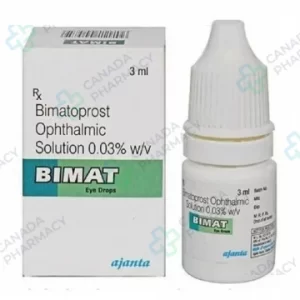
Bimat
Price range: $ 60,00 through $ 330,00
Active substance: Bimatoprost
More Details
This product has multiple variants. The options may be chosen on the product page
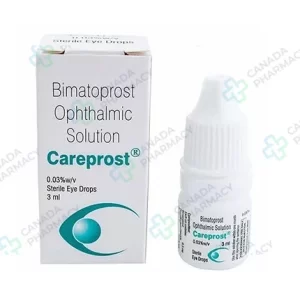
Careprost
Price range: $ 42,00 through $ 367,00
Active substance: Bimatoprost
More Details
This product has multiple variants. The options may be chosen on the product page
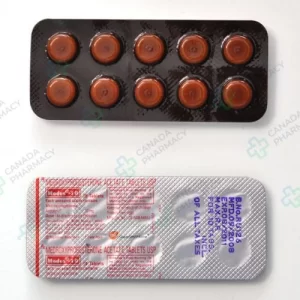
Cycrin
Price range: $ 52,00 through $ 347,00
Active substance: Medroxyprogesterone
More Details
This product has multiple variants. The options may be chosen on the product page
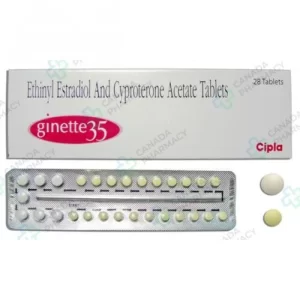
Diane 35
Price range: $ 16,00 through $ 46,00
Active substance: Cyproterone Acetate, Ethyl Estradiol
More Details
This product has multiple variants. The options may be chosen on the product page
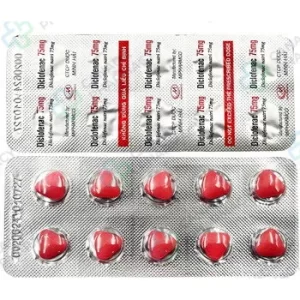
Diclofenac
Price range: $ 49,00 through $ 121,00
Active substance: diclofenac
More Details
This product has multiple variants. The options may be chosen on the product page
Doxylamine
Price range: $ 10,00 through $ 33,00
Active substance: Doxylamine succinate
More Details
This product has multiple variants. The options may be chosen on the product page
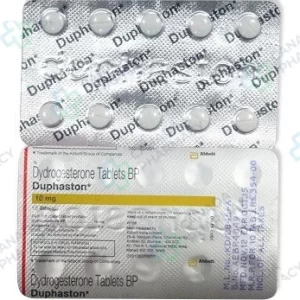
Duphaston
Price range: $ 64,00 through $ 648,00
Active substance: dydrogesterone
More Details
This product has multiple variants. The options may be chosen on the product page
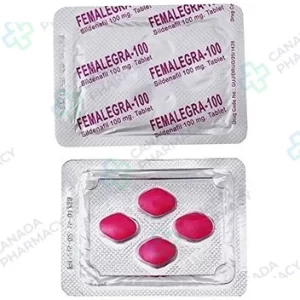
Femalegra
Price range: $ 50,00 through $ 305,00
Active substance: Sildenafil
More Details
This product has multiple variants. The options may be chosen on the product page