

-18%
Valparin
Price range: $ 100,00 through $ 273,00
Veltride
Price range: $ 22,00 through $ 57,00
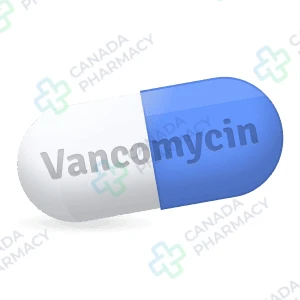
Vancomycin
Price range: $ 122,00 through $ 399,00
Vancomycin is a potent glycopeptide antibiotic designed to combat serious bacterial infections caused by Gram-positive microorganisms. It is highly effective against challenging pathogens, including methicillin-resistant Staphylococcus aureus (MRSA) and other drug-resistant strains. This medication is commonly utilized to treat systemic conditions such as septicemia, endocarditis, and severe skin or soft tissue infections. It also plays a vital role in managing bone infections and lower respiratory tract issues where other antibiotics may not be effective. In its oral form, Vancomycin provides targeted treatment for Clostridioides difficile-associated diarrhea and enterocolitis.
Active substance: Vancomycin
Delivery: 5–21 days (depending on the shipping method)
Extra 10% discount with coupon: IT4K6SVM
Each dosage option has its own packaging choices.
Description
Vancomycin belongs to a class of medications known as glycopeptide antibiotics. It is prescribed by healthcare providers to treat severe, complicated bacterial infections caused by susceptible Gram-positive organisms, including methicillin-resistant Staphylococcus aureus (MRSA), as well as specific gastrointestinal infections such as Clostridioides difficile colitis.
In the United States, vancomycin is a prescription-only (Rx) medication regulated by the US Food and Drug Administration (FDA). Because dosing, route of administration, and clinical monitoring require precise medical assessment–particularly regarding renal function–vancomycin must be used strictly under professional medical supervision.
| Attribute | Details |
|---|---|
| Active ingredient | Vancomycin hydrochloride |
| Therapeutic class | Glycopeptide antibacterial |
| Routes of administration | Intravenous (IV) infusion, Oral (capsules / oral solution) |
| Prescription status | Prescription only (Rx) |
| Primary purpose | Treatment of severe systemic Gram-positive infections and C. difficile colitis |
| Storage | Store room temperature or refrigerated according to package labeling and formulation |
Clinical Overview and Administration
How the drug works
Vancomycin exerts its bactericidal action by inhibiting bacterial cell wall biosynthesis. It binds with high affinity to the D-alanyl-D-alanine terminus of cell wall precursor units. This binding physically blocks the polymerization of peptidoglycan chains, which are essential structural components of the bacterial cell wall. Without a stable cell wall, susceptible bacterial cells undergo osmotic lysis and cell death. Vancomycin is bactericidal against most susceptible microorganisms, though it may demonstrate bacteriostatic action against certain enterococci. Because its mechanism targets peptidoglycan cross-linking, vancomycin does not exhibit cross-resistance with beta-lactam antibiotics such as penicillins or cephalosporins.
What it’s used for
FDA-approved indications depend on the chosen route of administration. Intravenous vancomycin is indicated for severe or life-threatening systemic infections caused by susceptible strains of methicillin-resistant staphylococci. These include septicemia, infective endocarditis, lower respiratory tract infections (such as severe hospital-acquired pneumonia), skin and skin structure infections, and bone infections. Conversely, oral vancomycin is poorly absorbed into the bloodstream and is indicated exclusively for local gastrointestinal conditions: Clostridioides difficile-associated diarrhea (CDAD) and enterocolitis caused by Staphylococcus aureus. Oral vancomycin is ineffective for systemic bacterial infections. Any application outside these parameter settings, such as primary sclerosing cholangitis, represents an off-label use that must be explicitly evaluated by a licensed prescriber.
How it is administered
Dosage schedules are individualized by prescribers based on body weight, renal clearance, serum drug concentration monitoring, and infection severity. Intravenous vancomycin must be diluted appropriately and infused over a duration of at least 60 minutes (or at a maximum rate of 10 mg/min for doses exceeding 1,000 mg) to minimize infusion-related adverse reactions. For oral administration, capsules or reconstitutable solutions are swallowed directly, typically four times daily for 7 to 10 days in cases of C. difficile infection. Therapeutic drug monitoring (TDM)–specifically measuring serum trough levels–is routinely conducted during IV therapy to ensure therapeutic efficacy while minimizing toxicity risks.
What happens in the body
Pharmacokinetic parameters differ significantly by route of administration. When administered orally, vancomycin exhibits minimal systemic absorption under normal physiological conditions; it remains localized in the intestinal lumen and is excreted unchanged primarily through feces. When administered intravenously, the drug distributes widely into most body tissues and fluids, including pericardial, pleural, synovial, and ascitic fluids, though penetration into non-inflamed meninges remains low. In individuals with normal kidney function, the elimination half-life of IV vancomycin ranges from approximately 4 to 6 hours. Elimination occurs predominantly via the kidneys through glomerular filtration, with roughly 75% to 90% of an IV dose recovered in urine within 24 hours. In patients with renal impairment, the elimination half-life is substantially prolonged.
Safety Profile, Precautions, and Common Questions
Compatibility with other medicines
Concomitant administration of vancomycin with other medications requires careful pharmacological evaluation. Co-administration of intravenous vancomycin with other potentially nephrotoxic or ototoxic drugs increases the risk of organ toxicity. Agents requiring close surveillance include aminoglycosides (such as gentamicin or tobramycin), amphotericin B, cisplatin, loop diuretics (such as furosemide), and nonsteroidal anti-inflammatory drugs (NSAIDs). Additionally, vancomycin may enhance the neuromuscular blocking action of muscle relaxants used during surgical procedures. Patients must inform their clinical team of all concurrent prescription products, over-the-counter drugs, and dietary supplements prior to starting vancomycin therapy.
Adverse reactions
Adverse reactions associated with vancomycin range from mild to severe. Rapid intravenous infusion may trigger an infusion-related reaction (historically termed “Red Man Syndrome” or vancomycin flushing syndrome), characterized by cutaneous flushing of the upper body, neck, and face, pruritus, chest tightness, and transient hypotension. Nephrotoxicity, manifested by elevated serum creatinine or blood urea nitrogen (BUN), is a recognized risk, particularly with elevated trough levels or prolonged therapy. Ototoxicity, involving tinnitus, hearing impairment, or vertigo, may occur and can be irreversible. Other reported side effects include injection site phlebitis, drug fever, nausea, abdominal discomfort (with oral administration), neutropenia, and severe cutaneous adverse reactions such as Stevens-Johnson syndrome.
Important precautions
Before initiating therapy, prescribers evaluate baseline renal function, auditory health, and any history of hypersensitivity to glycopeptide antibiotics. Regular monitoring of serum trough concentrations and renal function parameters is essential for patients receiving intravenous vancomycin to prevent drug accumulation and toxicity. Dose adjustments are necessary for elderly patients and individuals with acute or chronic renal impairment. Prolonged antibiotic use may lead to fungal overgrowth or superinfections with non-susceptible organisms. Patients with pre-existing hearing impairment or kidney disease require intensified clinical surveillance throughout the treatment course.
Red flags
Certain symptoms warrant immediate emergency medical intervention during vancomycin therapy. Patients or caregivers should seek urgent medical evaluation if any of the following occur:
- Swelling of the face, lips, tongue, or throat causing difficulty breathing or swallowing
- Severe cutaneous reactions, including widespread rash, blistering, or skin peeling
- Sudden drop in urine output, dark urine, or severe swelling in the lower extremities
- New or worsening hearing changes, including persistent ringing in the ears (tinnitus) or acute hearing loss
- Severe dizziness, loss of balance, or sudden severe weakness
Food and alcohol interactions
Oral vancomycin capsules or oral solution may be taken with or without food. Food intake does not clinically alter the local therapeutic action of oral vancomycin within the gastrointestinal tract. While direct chemical interactions between vancomycin and alcohol are not formally documented in official prescribing information, consuming alcohol while recovering from a severe bacterial infection or gastrointestinal disorder is generally discouraged. Alcohol consumption can impair immune defense mechanisms, exacerbate dehydration, and complicate the monitoring of gastrointestinal symptoms.
Special populations
Use of vancomycin in specific patient populations requires tailored clinical management. In pregnant women, systemic vancomycin should be administered only if clearly needed after weighing clinical benefits against potential risks; systemic absorption from oral forms is minimal. Vancomycin is excreted in human milk following intravenous administration; cautious evaluation is recommended for nursing mothers. Pediatric dosages are calculated strictly based on age, body weight, and serum creatinine. Elderly patients frequently experience age-related declines in renal function, necessitating routine dose adjustments and serum trough level monitoring.
If you skip a dose
Adherence to the prescribed dosing schedule is vital for eradicating bacterial infections and preventing antibiotic resistance. If an oral dose is missed, it should be taken as soon as remembered, unless it is nearly time for the next scheduled dose. Patients should never double the dose to make up for a missed capsule. For patients receiving intravenous vancomycin in a hospital or clinical setting, missed or delayed infusions are managed directly by nursing staff according to standard administration protocols.
Common questions
Why is oral vancomycin used for C. difficile instead of intravenous vancomycin?
Oral vancomycin remains concentrated inside the lumen of the gastrointestinal tract because it is poorly absorbed into the bloodstream. This localized concentration allows the drug to directly target C. difficile bacteria in the colon. Intravenous vancomycin does not reach therapeutic levels in the intestinal tract and is ineffective for treating C. difficile colitis.
What causes the flushing reaction during intravenous vancomycin infusion?
Flushing, itching, or redness on the upper body and face during an intravenous dose is typically caused by histamine release triggered when the infusion is administered too rapidly. Slowing the infusion rate (often over 60 minutes or longer) or pre-treating with antihistamines usually prevents or resolves this reaction.
How long does a standard course of oral vancomycin treatment last?
A typical course of oral vancomycin for Clostridioides difficile colitis lasts 10 to 14 days, as directed by the treating physician. Completing the entire course is critical even if symptoms resolve earlier to prevent infection recurrence.
Is routine blood testing required while receiving vancomycin?
Yes, for intravenous therapy, prescribers regularly order blood tests to measure kidney function and serum vancomycin trough levels. Monitoring trough levels ensures the concentration remains high enough to kill bacteria while staying below levels that could harm the kidneys or hearing.
Can vancomycin cause antibiotic-resistant bacteria if stopped early?
Prematurely discontinuing vancomycin or missing multiple doses can allow surviving bacteria to multiply and potentially develop resistance, making future infections harder to treat. Always complete the full treatment course prescribed by your healthcare provider.
Information on this page is for reference and does not replace an assessment by a licensed healthcare professional.
In accordance with FDA requirements.
Additional information
| Dosage |
250 mg |
|---|---|
| Package |
20 caps ,40 caps ,60 caps ,80 caps |
| Ενεργός Ουσία |
Related products
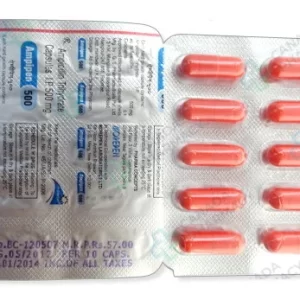
Ampicillin
Price range: $ 40,00 through $ 140,00
Active substance: acillin
More Details
This product has multiple variants. The options may be chosen on the product page
Azithromycin DT
Price range: $ 60,00 through $ 972,00
Active substance: Azithromycin
More Details
This product has multiple variants. The options may be chosen on the product page
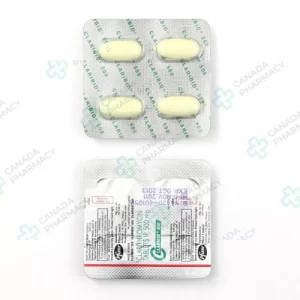
Biaxin
Price range: $ 107,00 through $ 427,00
Active substance: Clarithromycin
More Details
This product has multiple variants. The options may be chosen on the product page
Cefaclor
Price range: $ 68,00 through $ 3 600,00
Active substance: cefaclor monohydrate
More Details
This product has multiple variants. The options may be chosen on the product page
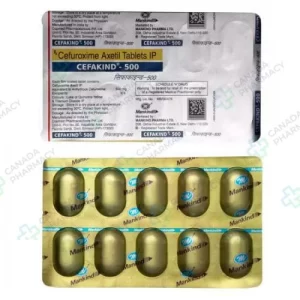
Ceftin
Price range: $ 38,00 through $ 386,00
Active substance: Cefuroxime
More Details
This product has multiple variants. The options may be chosen on the product page
Cephadex
Price range: $ 16,00 through $ 48,00
Active substance: cephalexin
More Details
This product has multiple variants. The options may be chosen on the product page
Chloramphenicol
Price range: $ 56,00 through $ 260,00
Active substance: chloramphenicol
More Details
This product has multiple variants. The options may be chosen on the product page
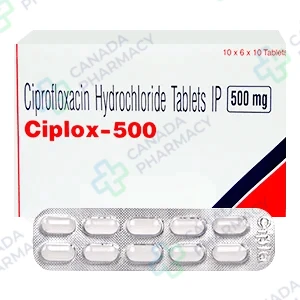
Ciplox
Price range: $ 49,00 through $ 434,00
Active substance: Ciprofloxacin
More Details
This product has multiple variants. The options may be chosen on the product page