

-14%

Tulsi Sleep
Price range: $ 10,00 through $ 28,00
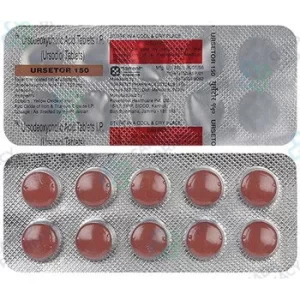
Urso
Price range: $ 66,00 through $ 431,00
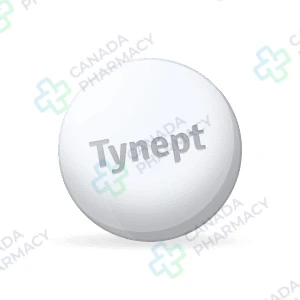
Tynept
Price range: $ 29,00 through $ 124,00
Tynept is an effective therapeutic agent specifically designed for the management of major depressive disorders and associated mood imbalances. This medication helps stabilize the emotional state, allowing individuals to overcome persistent sadness and a loss of interest in daily life. It is primarily indicated for the treatment of mild, moderate, and severe depressive episodes to promote overall mental health. The formulation is recognized for its ability to enhance psychological well-being while maintaining a favorable safety profile during the course of treatment. By fostering emotional balance, Tynept supports a gradual return to a productive and active lifestyle.
Active substance: Tianeptine
Delivery: 5–21 days (depending on the shipping method)
Extra 10% discount with coupon: IT4K6SVM
Each dosage option has its own packaging choices.
Description
Tynept – A Detailed Reference Guide
Tynept contains tianeptine, an atypical pharmaceutical agent structurally classified among tricyclic compounds but functioning neurochemically as a selective serotonin reuptake enhancer (SSRE). In clinical pharmacology, this substance is investigated and utilized for managing depressive disorders and associated anxious mood states. Within the United States, availability and handling are strictly dispensed in accordance with applicable federal and state regulations.
Understanding the pharmacological profile of Tynept is essential for medical professionals and individuals evaluating therapeutic interventions for mood disorders. This reference overview details the mechanism, pharmacokinetic properties, potential adverse reactions, and safe operational handling of this compound.
| Parameter | Specification |
|---|---|
| Active ingredient (INN) | Tianeptine sodium |
| Therapeutic class | Atypical antidepressant / Selective Serotonin Reuptake Enhancer |
| Dosage form | Oral tablet |
| Route of administration | Oral |
| Primary purpose | Management of depressive episodes and associated anxiety |
| Prescription status | Dispensed in accordance with applicable federal and state regulations |
How the drug works
The mechanism of action of Tynept differs significantly from classic monoamine-based antidepressants such as selective serotonin reuptake inhibitors (SSRIs). Rather than blocking the reuptake of serotonin at the synaptic cleft, tianeptine enhances the presynaptic reuptake of serotonin (5-HT) in the hippocampus and cerebral cortex. Pharmacological research demonstrates that Tynept modulates neuroplasticity by normalizing stress-induced structural changes in dendrites and preventing loss of hippocampal volume. Additionally, studies indicate full agonist activity at mu-opioid receptors at higher systemic concentrations, which contributes to its complex central nervous system signaling profile and potential for physical dependence if misused.
What it’s used for
In jurisdictions where approved, the primary therapeutic indication for Tynept is the treatment of major depressive disorder spanning mild, moderate, and severe clinical presentations. It is also clinically documented to alleviate secondary somatic symptoms associated with chronic anxiety and mood disruption, such as gastrointestinal distress. Off-label exploration in specialized research settings has evaluated tianeptine for neurodegenerative cognitive complaints, post-traumatic stress disorder, and irritable bowel syndrome; however, these applications are not established as standard FDA-approved therapies in the United States and require explicit clinical evaluation before consideration.
First days of treatment
During the initial phase of therapy, patients may experience variable neurochemical responses as central nervous system pathways adapt to the compound. Initial symptomatic changes may manifest within one to two weeks, although optimal mood stabilization often requires several consecutive weeks of maintenance. Early physical observations may include minor gastrointestinal shifts, altered sleep patterns, or transient dry mouth. Healthcare providers typically monitor baseline vital signs, cognitive status, and mood fluctuations closely during the first fourteen days to evaluate therapeutic efficacy and tolerability.
Dosing schedule
Dosing of Tynept must be strictly individualized under direct medical direction. The standard therapeutic dosing regimen established in published clinical literature involves taking 12.5 mg orally three times daily, usually administered prior to major meals (morning, midday, and evening). Dose adjustments are mandated in elderly populations or patients presenting with severe renal impairment, where the daily total is typically reduced to 25 mg split into two daily doses. Patients must not alter doses independently or escalate frequency due to the documented risk of physiological dependence and withdrawal symptoms.
What happens in the body
Pharmacokinetic data indicates that Tynept exhibits rapid and complete absorption following oral administration. Peak plasma concentrations (Cmax) are achieved approximately 1 to 1.5 hours after ingestion. The compound demonstrates high plasma protein binding, estimated at approximately 94%, primarily to serum albumin. Metabolism occurs extensively in the liver via beta-oxidation of its heptanoic side chain, producing short-chain metabolites that retain minimal biological activity. The terminal elimination half-life is relatively short, averaging between 2.5 and 3 hours, necessitating a thrice-daily administration schedule to maintain steady-state systemic levels. Excretion occurs predominantly via the renal system as inactive metabolites.
Compatibility with other medicines
Combining Tynept with other pharmacologically active substances requires comprehensive clinical oversight due to risk of severe drug interactions. Co-administration with Monoamine Oxidase Inhibitors (MAOIs) is strictly contraindicated due to the risk of severe cardiovascular collapse, hyperthermia, and serotonin-like neurotoxicity; a mandatory wash-out period of at least 14 days is required when transitioning between these agents. Concomitant use with central nervous system depressants, including sedatives, hypnotics, and opioid analgesics, creates an additive inhibitory effect on breathing and consciousness, elevating the risk of profound sedation and respiratory depression.
What to avoid while taking it
Co-ingestion of alcohol while taking Tynept is strongly discouraged. Ethanol amplifies central nervous system depression, severely impairing motor coordination, reaction times, and executive cognitive functioning. Consuming high-fat meals immediately alongside tablet intake may slightly delay maximum absorption times, though administration prior to meals remains standard protocol. Patients should avoid operating heavy machinery, driving motor vehicles, or performing tasks requiring heightened cognitive acuity until individual sensitivity to the drug’s sedative properties has been fully characterized.
Adverse reactions
Adverse events associated with Tynept therapy are classified by frequency and clinical severity. Common gastrointestinal side effects include abdominal pain, dry mouth, nausea, constipation, and flatulence. Neurological and psychiatric reactions can encompass insomnia, vivid dreams, drowsiness, dizziness, tremor, and headache. Less common but significant adverse reactions include tachycardia, chest pain, hot flashes, breathing difficulty (dyspnea), and muscle pain. Central nervous system hyper-excitability, confusion, and psychological dependency represent serious risks, particularly when the drug is taken at doses exceeding recommended therapeutic ranges.
Important precautions
Careful monitoring is required in specific patient populations prior to initiating Tynept. Individuals with a personal or familial history of substance use disorder must be evaluated thoroughly, as tianeptine possesses documented abuse potential via mu-opioid receptor stimulation. In pediatric populations, adolescents, and young adults under 25, antidepressant therapy carries a boxed warning risk for emergent suicidal ideation and behaviors; clinical oversight is mandatory. Safety during pregnancy and lactation has not been definitively established; tianeptine crosses into breast milk and placental barriers, rendering its use unrecommended in pregnant or nursing individuals unless specifically deemed essential by a physician.
If you skip a dose
If a dose of Tynept is missed, the scheduled tablet should be taken as soon as remembered, provided the next scheduled dose is not imminent. If it is nearly time for the subsequent dose, the missed tablet should be skipped entirely, continuing with the regular dosing schedule. Patients must never double the dose to compensate for a missed tablet, as acute elevations in blood concentration increase the likelihood of adverse central nervous system and cardiovascular events.
Storage and expiration
Tynept tablets should be preserved in their original blister packaging to protect the active salt from environmental moisture and light. Store at controlled room temperature between 68°F and 77°F (20°C to 25°C), with brief excursions permitted between 59°F and 86°F (15°C to 30°C). Keep the medication out of reach of children and domestic animals. Expired preparations or unused tablets should not be flushed down household toilets; dispose of them using designated local pharmacy take-back programs or in compliance with federal guidelines for pharmaceutical waste.
Common questions
How long does it take for Tynept to demonstrate clinical efficacy?
While neurochemical absorption occurs within hours of ingestion, therapeutic improvement in depressive symptoms typically requires continuous daily administration for two to four weeks. Clinical monitoring assesses progression throughout this stabilization window.
Is Tynept associated with withdrawal symptoms upon discontinuation?
Abrupt cessation of Tynept, particularly after prolonged use or high doses, can trigger withdrawal symptoms including anxiety, agitation, severe sweating, muscle aches, nausea, and sleep disruption. Gradual tapering under medical supervision is recommended.
Can Tynept be safely used alongside standard selective serotonin reuptake inhibitors (SSRIs)?
Combining Tynept with SSRIs is generally avoided without specialized psychiatric supervision. Because their mechanisms regarding serotonin transport are opposing, concurrent administration can produce unpredictable central nervous system dynamics and adverse effects.
What should be done if an accidental overdose occurs?
Accidental or intentional overdose requires immediate emergency medical evaluation. Symptoms of overdose may include severe somnolence, confusion, cardiovascular instability, and respiratory depression. Emergency services or a regional poison control center should be contacted immediately.
Does Tynept cause significant weight changes compared to other antidepressants?
Clinical data indicates that Tynept exhibits a relatively neutral weight profile compared to traditional tricyclic antidepressants and certain SSRIs. Significant weight gain or loss is uncommon at standard therapeutic dosages.
The information presented here is based on published pharmacological data and regulatory documentation concerning tianeptine. In accordance with FDA regulatory guidelines, unapproved drug products or formulations distributed outside standard approval pathways carry distinct legal and health considerations in the United States.
This text is for informational purposes only and does not constitute individual medical advice.
Additional information
| Dosage |
12.5 mg |
|---|---|
| Package |
30 tabs ,50 tabs ,100 tabs ,150 tabs |
| Ενεργός Ουσία |
Related products
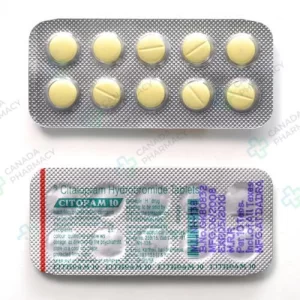
Celexa
Price range: $ 7,00 through $ 193,00
Active substance: Citalopram
More Details
This product has multiple variants. The options may be chosen on the product page
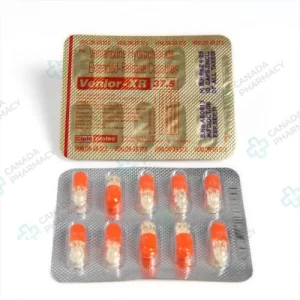
Effexor XR
Price range: $ 36,00 through $ 310,00
Active substance: Venlafaxine
More Details
This product has multiple variants. The options may be chosen on the product page

Elavil
Price range: $ 39,00 through $ 222,00
Active substance: amitriptyline
More Details
This product has multiple variants. The options may be chosen on the product page
Geodon
Price range: $ 46,00 through $ 418,00
Active substance: Ziprasidone
More Details
This product has multiple variants. The options may be chosen on the product page
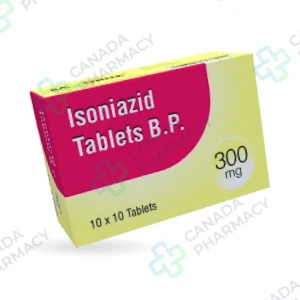
Isoniazid
Price range: $ 45,00 through $ 444,00
Active substance: Isoniazid
More Details
This product has multiple variants. The options may be chosen on the product page

Lexapro
Price range: $ 40,00 through $ 265,00
Active substance: Escitalopram
More Details
This product has multiple variants. The options may be chosen on the product page
Lithium
Price range: $ 16,00 through $ 139,00
Active substance: Lithium
More Details
This product has multiple variants. The options may be chosen on the product page
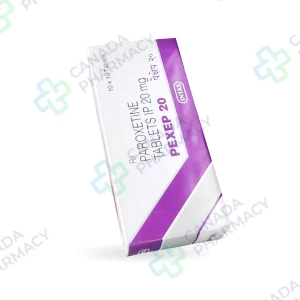
Pexep
Price range: $ 42,00 through $ 162,00
Active substance: paroxetine
More Details
This product has multiple variants. The options may be chosen on the product page