

-45%
Lopid
Price range: $ 70,00 through $ 424,00
Lotrisone
Price range: $ 41,00 through $ 254,00
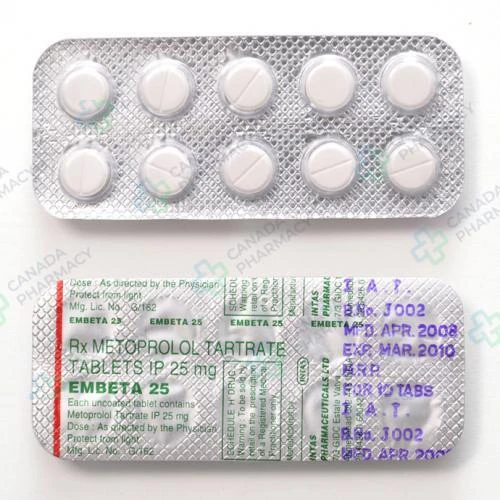
Lopressor
Price range: $ 36,00 through $ 196,00
Lopressor is a widely used beta-blocker designed to manage various cardiovascular conditions by reducing the workload on the heart. It is primarily indicated for the treatment of hypertension, effectively helping to lower high blood pressure and decrease the risk of related complications. This medication is also highly effective in treating angina pectoris, working to reduce the frequency and severity of chronic chest pain episodes. Following a myocardial infarction, Lopressor is utilized to improve overall survival rates and support long-term cardiovascular stability. By slowing the heart rate and relaxing blood vessels, this reliable therapy ensures more efficient circulation throughout the body.
Active substance: Metoprolol
Delivery: 5–21 days (depending on the shipping method)
Extra 10% discount with coupon: IT4K6SVM
Each dosage option has its own packaging choices.
Description
Lopressor belongs to a class of medications known as selective beta-1 adrenergic receptor blockers. It is an FDA-approved prescription drug primarily prescribed for the management of cardiovascular conditions including hypertension, angina pectoris, and hemodynamically stable acute myocardial infarction.
As a prescription-only cardiovascular agent, Lopressor requires accurate dosing under the direct guidance of a licensed healthcare professional. Proper adherence to administration guidelines and consistent monitoring of cardiac parameters are essential components of therapeutic safety and efficacy.
| Property | Details |
|---|---|
| Active ingredient (INN) | Metoprolol tartrate |
| Therapeutic class | Beta-1 selective adrenergic blocker |
| Route of administration | Oral |
| Primary purpose | Blood pressure control, angina management, post-myocardial infarction care |
| Prescription status | Prescription required (Rx) |
| Storage | Controlled room temperature 20°C to 25°C (68°F to 77°F) |
Basic Information and Pharmacological Details
How the drug works: Lopressor contains metoprolol tartrate, a selective beta-1 adrenergic receptor antagonist. At standard therapeutic doses, the drug preferentially inhibits beta-1 receptors located predominantly in cardiac tissue. By blocking these receptors from catecholamine stimulation (such as epinephrine and norepinephrine), Lopressor decreases heart rate, cardiac contractility, and cardiac output. Additionally, the medication suppresses renin secretion by the kidneys, contributing to its antihypertensive effect. At higher doses, beta-2 receptor blockade may occur, which can affect bronchial and vascular smooth muscle.
Main Uses
Lopressor is FDA-approved for three primary cardiovascular indications:
- Hypertension: Indicated for the management of high blood pressure to lower cardiovascular risk. It may be used alone or in combination with other antihypertensive agents.
- Angina Pectoris: Indicated for long-term therapy to reduce the frequency and severity of angina attacks in patients with coronary artery disease.
- Hemodynamically Stable Acute Myocardial Infarction: Prescribed to reduce cardiovascular mortality in patients with definite or suspected acute myocardial infarction who are hemodynamically stable.
In addition to approved uses, clinicians may occasionally prescribe Lopressor off-label for conditions such as performance anxiety or migraine prophylaxis. Any off-label application must be explicitly determined by a qualified provider based on individual risk-benefit assessment.
Dosing Schedule and Administration
Dosing of Lopressor must be individualized according to clinical response and patient tolerance. Lopressor tablets are designed for oral administration and should always be taken with or immediately following a meal, as food significantly enhances the systemic availability of metoprolol tartrate. Initial treatment for hypertension typically starts at 100 mg daily in single or divided doses, titrated at weekly intervals until optimal blood pressure control is achieved. For angina pectoris, initial dosing generally begins at 100 mg daily given in two divided doses. Abrupt discontinuation of Lopressor must strictly be avoided, as sudden withdrawal can precipitate severe exacerbation of angina, arterial hypertension, or acute myocardial infarction.
How it’s absorbed and eliminated: Lopressor is rapidly and almost completely absorbed from the gastrointestinal tract following oral administration. However, metoprolol undergoes extensive hepatic first-pass metabolism, resulting in a systemic bioavailability of approximately 50%. The elimination half-life of metoprolol ranges between 3 and 7 hours in healthy adults. Metabolism occurs primarily in the liver via the cytochrome P450 CYP2D6 isoenzyme. Excretion is mainly renal, with less than 10% of the drug excreted unchanged in urine.
Compatibility and Interactions
Lopressor exhibits significant interaction potential with various pharmacological classes:
- CYP2D6 Inhibitors: Medications that inhibit the CYP2D6 enzyme–such as fluoxetine, paroxetine, or quinidine–can markedly increase plasma concentrations of metoprolol, increasing the risk of severe bradycardia and hypotension.
- Catecholamine-Depleting Drugs: Co-administration with drugs like reserpine requires close clinical monitoring due to potential additive hypotension or severe bradycardia.
- Calcium Channel Blockers: Concomitant administration with oral calcium channel blockers, particularly diltiazem and verapamil, may cause additive negative inotropic and chronotropic effects and AV conduction delays.
- Clonidine: If clonidine and Lopressor are co-administered, Lopressor should be discontinued several days before the gradual withdrawal of clonidine to prevent rebound hypertension.
Adverse Reactions and Important Precautions
Adverse reactions: Clinical trials and post-marketing surveillance indicate that Lopressor is generally well tolerated, though adverse effects can occur. Common adverse reactions include fatigue, dizziness, lightheadedness, bradycardia, hypotension, cold extremities, and gastrointestinal symptoms such as diarrhea or nausea. Less common but severe adverse reactions involve bronchospasm, heart block, heart failure exacerbation, peripheral vascular insufficiency, and depression.
Important precautions: Severe warnings apply to specific patient groups. Lopressor features an explicit warning regarding abrupt withdrawal; dosage reduction should occur gradually over 1 to 2 weeks. Patients with bronchospastic diseases (such as asthma or chronic obstructive pulmonary disease) should generally avoid beta-blockers; if necessary, low doses of cardioselective agents must be managed with extreme caution. In patients with diabetes mellitus, Lopressor may mask early warning signs of acute hypoglycemia, particularly tachycardia, although sweating is typically not inhibited. During pregnancy, Lopressor should be used only if clearly needed after evaluating potential risks of fetal bradycardia, hypoglycemia, and low birth weight.
Food and alcohol interactions: Food plays a notable role in Lopressor pharmacokinetics. Administration with meals increases plasma concentration and overall bioavailability. Concomitant alcohol consumption can enhance the central nervous system depressing effects and potentiate blood-pressure-lowering effects, potentially causing postural hypotension, dizziness, or syncope.
Red flags: Emergency medical intervention is required if a patient experiences signs of severe heart failure (unusual weight gain, marked swelling of ankles or legs, extreme shortness of breath), severe bradycardia (pulse significantly below normal limits accompanied by dizziness), severe wheezing or respiratory distress, chest pain worsening, or severe allergic reaction manifestations (angioedema, difficulty swallowing or breathing).
If you skip a dose: If a scheduled dose of Lopressor is missed, it should be taken as soon as remembered. However, if the time is close to the next scheduled dose, the missed dose should be skipped entirely, and the normal dosing regimen resumed. Patients must never double a dose to compensate for a missed administration.
Storage and expiration: Lopressor should be stored at controlled room temperature between 20°C and 25°C (68°F to 77°F), with excursions permitted between 15°C and 30°C (59°F to 86°F). Protect the medication from light and moisture, and ensure the bottle remains tightly closed. Expiration dates printed on the packaging should be verified prior to administration; expired medications must be disposed of according to federal and state pharmaceutical waste disposal standards.
Frequently Asked Questions
What is the difference between Lopressor and Toprol-XL?
Lopressor contains metoprolol tartrate, an immediate-release salt form that typically requires twice-daily administration with meals. Toprol-XL contains metoprolol succinate, an extended-release formulation designed for once-daily dosing. The two salt forms and release profiles are not directly interchangeable on a milligram-for-milligram basis without clinical adjustment.
Can Lopressor cause cold hands and feet?
Yes, cold extremities are a recognized cardiovascular side effect of beta-blockers, including Lopressor. By decreasing cardiac output and causing mild peripheral vasoconstriction, blood flow to hands and feet may be reduced. Patients experiencing persistent discomfort or skin color changes should inform their prescriber.
Why must Lopressor be taken with food?
Taking Lopressor during or immediately after meals enhances the gastrointestinal absorption and overall bioavailability of metoprolol tartrate. Consistent administration relative to food intake helps maintain steady systemic exposure and predictable therapeutic response.
Is it normal to feel tired when starting Lopressor?
Fatigue and dizziness are common early side effects as the body adapts to lower blood pressure and reduced heart rate. These symptoms frequently diminish over time. However, if severe fatigue persists or impairs daily activities, clinical evaluation is recommended to assess dosage appropriateness.
Does Lopressor affect blood sugar levels in diabetic patients?
Lopressor does not directly alter blood glucose levels significantly, but it can mask symptoms of hypoglycemia, such as rapid pulse and tremors. Patients with diabetes monitoring their blood glucose should rely primarily on routine glucose testing rather than clinical symptoms during beta-blocker therapy.
The information presented here is not a substitute for professional medical advice.
In accordance with FDA requirements.
Additional information
| Dosage |
12.5 mg ,25mg ,50mg ,100mg |
|---|---|
| Package |
60 pills ,90 pills ,120 pills ,180 pills ,240 pills ,270 pills ,360 pills |
| Ενεργός Ουσία |
Related products
Aceon
Price range: $ 51,00 through $ 491,00
Active substance: erbumine, perindopril
More Details
This product has multiple variants. The options may be chosen on the product page
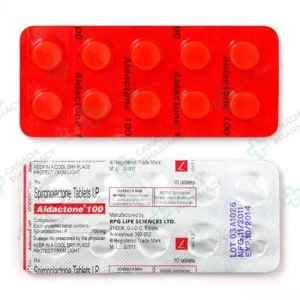
Aldactone
Price range: $ 33,00 through $ 345,00
Active substance: Spironolactone
More Details
This product has multiple variants. The options may be chosen on the product page
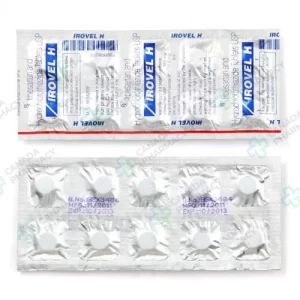
Avalide
Price range: $ 66,00 through $ 333,00
Active substance: Irbesartan
More Details
This product has multiple variants. The options may be chosen on the product page
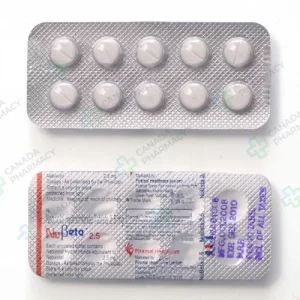
Bystolic
Price range: $ 38,00 through $ 275,00
Active substance: Nebivolol
More Details
This product has multiple variants. The options may be chosen on the product page
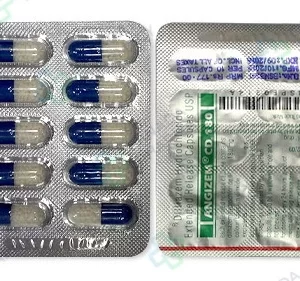
Cardizem
Price range: $ 24,00 through $ 389,00
Active substance: Diltiazem
More Details
This product has multiple variants. The options may be chosen on the product page
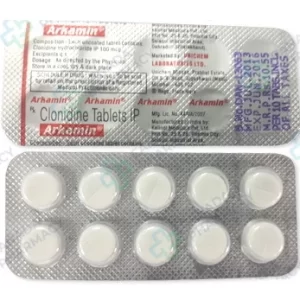
Clonidine
Price range: $ 40,00 through $ 95,00
Active substance: clonidine
More Details
This product has multiple variants. The options may be chosen on the product page
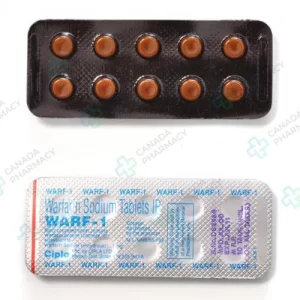
Coumadin
Price range: $ 12,00 through $ 153,00
Active substance: Warfarin
More Details
This product has multiple variants. The options may be chosen on the product page
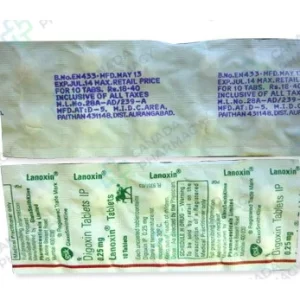
Digoxin
Price range: $ 48,00 through $ 152,00
Active substance: digoxin
More Details
This product has multiple variants. The options may be chosen on the product page