
-15%
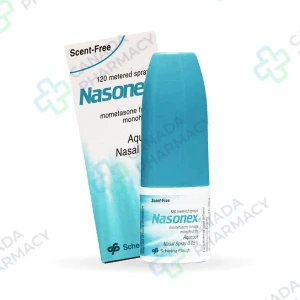
Nasonex nasal spray
Price range: $ 62,00 through $ 276,00
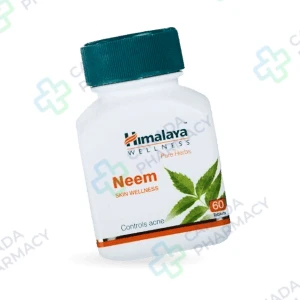
Neem
Price range: $ 63,00 through $ 76,00
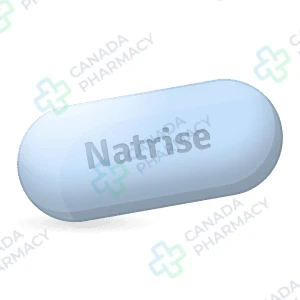
Natrise
Price range: $ 45,00 through $ 115,00
Natrise is an effective medication designed to help manage clinically significant hyponatremia in adult patients. It works as a selective vasopressin V2-receptor antagonist, allowing the body to increase water excretion without losing essential electrolytes. This treatment is primarily used to address low blood sodium levels associated with conditions such as congestive heart failure and cirrhosis. It is also indicated for managing hyponatremia resulting from the syndrome of inappropriate antidiuretic hormone secretion (SIADH). By effectively regulating fluid balance, Natrise helps restore and maintain healthy sodium concentrations within the bloodstream.
Active substance: Tolvaptan
Delivery: 5–21 days (depending on the shipping method)
Extra 10% discount with coupon: IT4K6SVM
Each dosage option has its own packaging choices.
Description
Natrise belongs to a class of therapeutic agents known as selective vasopressin V2-receptor antagonists. The active pharmaceutical ingredient, tolvaptan, functions as an aquaretic agent to promote free water excretion by the kidneys without causing significant electrolyte depletion.
In accordance with United States federal regulations, this medication is available strictly by prescription (Rx) and requires clinical supervision during initiation. It is primarily indicated for the treatment of clinically significant hypervolemic and euvolemic hyponatremia in hospitalized individuals.
| Property | Specification |
|---|---|
| Active ingredient | Tolvaptan |
| Therapeutic class | Selective vasopressin V2-receptor antagonist |
| Dosage form | Oral tablet |
| Route of administration | Oral |
| Prescription status | Prescription only (Rx) |
| Primary purpose | Treatment of hypervolemic and euvolemic hyponatremia |
Medical Profile and Administration Guidelines
What it’s used for
The FDA-approved indication for the active substance in Natrise is the management of clinically significant hypervolemic and euvolemic hyponatremia. This includes patients with serum sodium concentrations below 125 mEq/L, or those with less marked hyponatremia who exhibit symptoms and have proven resistant to standard fluid restriction. Clinical conditions commonly associated with these fluid and electrolyte disorders include heart failure and Syndrome of Inappropriate Antidiuretic Hormone (SIADH) secretion. Natrise is not indicated for urgent correction of hyponatremia in settings where severe neurological impairment is present. Any application outside of these parameters, such as unapproved fluid overload management protocols, is considered off-label and requires strict medical evaluation.
How the drug works
The physiological mechanism of Natrise involves selective, competitive inhibition of human vasopressin V2 receptors located in the renal collecting ducts. Endogenous arginine vasopressin (AVP) binds to these receptors to stimulate aquaporin-2 channel insertion, facilitating water reabsorption back into systemic circulation. By reversibly blocking this binding process, tolvaptan decreases renal water reabsorption and induces aquaresis–the selective clearance of electrolyte-free water. Unlike traditional loop or thiazide diuretics, aquaretics increase urine volume without driving marked urinary excretion of sodium or potassium. This pharmacologic action leads to an elevation in serum sodium concentration and plasma osmolality, assisting in the correction of relative water excess.
How it’s absorbed and eliminated
Following oral administration, tolvaptan is absorbed quickly, attaining peak plasma concentrations within 2 to 4 hours. Absolute oral bioavailability is approximately 40%, and administration with high-fat meals does not produce clinically meaningful shifts in total systemic exposure. The compound displays high plasma protein binding, exceeding 99%. Elimination relies heavily on hepatic biotransformation, mediated predominantly by the cytochrome P450 CYP3A4 enzyme system. Less than 1% of unchanged active drug is recovered intact in the urine. The operational elimination half-life of tolvaptan is approximately 12 hours at steady state, though metabolic clearance may be diminished in patients with baseline hepatic impairment.
Dosing schedule
Dosing of Natrise must be individually determined by a prescribing clinician based on baseline serum sodium values and clinical response. Therapy is typically initiated in a hospital environment at a starting dose of 15 mg taken orally once daily. Following careful assessment of serum sodium levels over subsequent 24-hour intervals, the dose may be escalated to 30 mg once daily, up to a maximum recommended dose of 60 mg once daily. Due to the risk of serious hepatotoxicity, treatment duration should not exceed 30 days. Tablets may be taken with or without food. Fluid restriction is generally avoided during the initial 24 hours of administration to allow patients to respond to thirst cues naturally.
Adverse reactions
Clinical data demonstrate a defined safety profile associated with selective vasopressin V2-receptor antagonism. Common adverse events include thirst (polydipsia), dry mouth, increased urinary frequency (pollakiuria), and high urine output (polyuria). Other observed effects comprise constipation, hyperglycemia, dizziness, asthenia, and loss of appetite. Rapid elevations in serum sodium pose severe risks of neurological injury. Additionally, hepatic auto-toxicity is a recognized adverse risk; elevations in liver enzymes (ALT/AST) and total bilirubin can occur. Patients developing unexpected fatigue, anorexia, right upper quadrant abdominal discomfort, or jaundice require prompt medical assessment and laboratory testing.
Important precautions
Natrise contains explicit warnings regarding rapid sodium correction and hepatic risk. Overly rapid correction of hyponatremia (exceeding 12 mEq/L within 24 hours) carries a significant risk of Osmotic Demyelination Syndrome (ODS), a grave neurological disorder characterized by dysarthria, mutism, dysphagia, lethargy, or spastic quadriparesis. Treatment initiation must occur in a clinical facility equipped for continuous serum sodium monitoring. Because tolvaptan can cause severe, potentially fatal liver injury, its use is avoided in patients with underlying liver disease, including cirrhosis. Safety and efficacy in pediatric patients have not been established under FDA evaluation, and use during pregnancy requires strict risk-benefit assessment.
Compatibility with other medicines
Drug interactions with Natrise primarily involve the hepatic CYP3A enzyme metabolic pathway. Co-administration with strong CYP3A inhibitors (such as ketoconazole, clarithromycin, or itraconazole) markedly increases tolvaptan systemic exposure and is contraindicated. Moderate CYP3A inhibitors (such as fluconazole, diltiazem, or erythromycin) also elevate plasma concentrations, necessitating dose adjustments. Conversely, strong CYP3A inducers (such as rifampin, carbamazepine, or St. John’s Wort) decrease tolvaptan exposure, potentially rendering therapy ineffective. Concomitant administration with hyperkalemic agents or other vasopressin analogs requires comprehensive clinical review.
Red flags
Patients receiving tolvaptan therapy must be monitored for acute adverse reactions that mandate immediate clinical evaluation. Rapid neurological changes or symptoms of liver impairment represent critical clinical events requiring urgent intervention.
| Symptom / Red Flag | Potential Underlying Condition |
|---|---|
| Difficulty speaking, swallowing, or sudden limb weakness | Osmotic Demyelination Syndrome (ODS) |
| Yellowing of the skin or eyes (jaundice), dark urine | Acute hepatic toxicity / liver injury |
| Severe dizziness, lightheadedness, or fainting | Excessive volume depletion / dehydration |
| Swelling of the face, tongue, or throat with dyspnea | Severe hypersensitivity reaction |
What to avoid while taking it
Dietary components can significantly alter tolvaptan pharmacokinetics. Patients taking Natrise must avoid grapefruit and grapefruit juice, as these inhibit intestinal CYP3A4 enzymes and elevate drug blood levels. Alcohol consumption should be avoided due to additive risks of dehydration and potential exacerbation of hepatic stress. Patients must maintain access to water and avoid self-imposed fluid restriction unless specifically instructed by their physician.
What you may notice early on
Upon initiating Natrise, patients typically experience an increase in urinary volume within the first several hours. Thirst sensations usually intensify as electrolyte-free water is excreted. In the initial treatment phase, healthcare personnel will conduct frequent blood tests to track serum sodium adjustments and prevent overly rapid corrections.
Storage and expiration
Natrise tablets should be stored at controlled room temperature between 20°C and 25°C (68°F to 77°F), with excursions permitted between 15°C and 30°C (59°F to 86°F). Store the drug in its original packaging to protect it from light and moisture. Keep out of reach of children. Unused or expired medication should be disposed of via authorized pharmacy take-back programs.
Frequently Asked Questions
Why must treatment with Natrise be initiated in a hospital environment?
Initiation in a hospital setting is mandatory to ensure frequent monitoring of serum sodium concentrations. Rapid correction of sodium levels can lead to Osmotic Demyelination Syndrome, a severe neurological condition. Inpatient monitoring allows clinicians to adjust therapy or pause administration promptly if sodium rises too quickly.
What is the maximum recommended duration for Natrise therapy?
Treatment duration is restricted to a maximum of 30 days. This limit is imposed to minimize the potential risk of severe hepatic toxicity and liver injury associated with prolonged exposure to tolvaptan. Prescribing guidelines specify that therapy should not exceed this timeframe.
Can Natrise be combined with strict fluid restriction protocols?
Fluid restriction is generally not recommended during the initial 24 hours of Natrise therapy. Allowing patients unhindered access to water helps prevent excessive volume depletion and reduces the risk of overly rapid increases in serum sodium concentration.
What metabolic pathway is responsible for the clearance of tolvaptan?
Tolvaptan is extensively metabolized in the liver by the cytochrome P450 CYP3A4 enzyme system. Because of this pathway, medications or dietary substances that inhibit or induce CYP3A4 can significantly alter drug levels in the body, requiring careful evaluation of drug compatibility.
In accordance with FDA requirements.
The information presented here is not a substitute for professional medical advice. Always consult your healthcare provider before starting or changing any treatment.
Additional information
| Dosage |
15 mg |
|---|---|
| Package |
12 tabs ,24 tabs ,36 tabs |
| Ενεργός Ουσία |
Related products
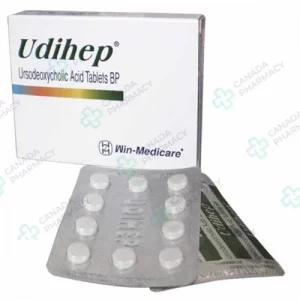
Actigall
Price range: $ 60,00 through $ 521,00
Active substance: Ursodiol
More Details
This product has multiple variants. The options may be chosen on the product page
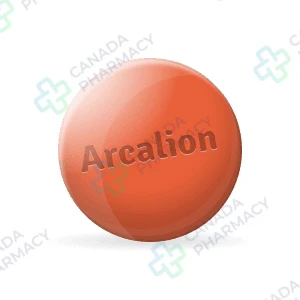
Arcalion
Price range: $ 25,00 through $ 50,00
Active substance: Sulbutiamine
More Details
This product has multiple variants. The options may be chosen on the product page
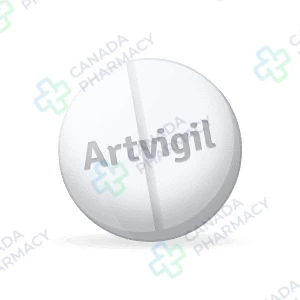
Artvigil
Price range: $ 65,00 through $ 398,00
Active substance: Armodafinil
More Details
This product has multiple variants. The options may be chosen on the product page
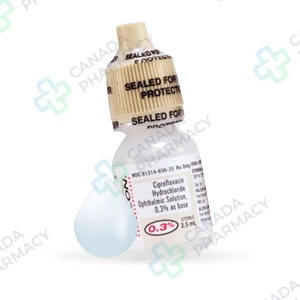
Ciprodex Ophthalmic Solution
Price range: $ 63,00 through $ 95,00
Active substance: Ciprofloxacin, Dexamethasone
More Details
This product has multiple variants. The options may be chosen on the product page
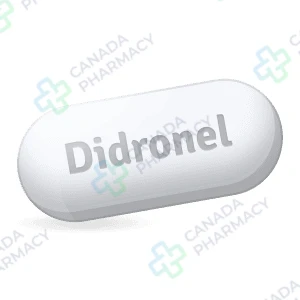
Didronel
Price range: $ 57,00 through $ 136,00
Active substance: Etidronate
More Details
This product has multiple variants. The options may be chosen on the product page
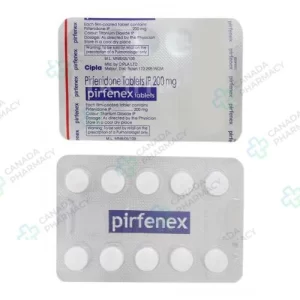
Esbriet
Price range: $ 100,00 through $ 328,00
Active substance: Pirfenidone
More Details
This product has multiple variants. The options may be chosen on the product page
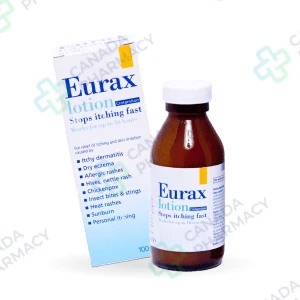
Eurax Lotion
Price range: $ 3,00 through $ 15,00
Active substance: Crotamiton
More Details
This product has multiple variants. The options may be chosen on the product page
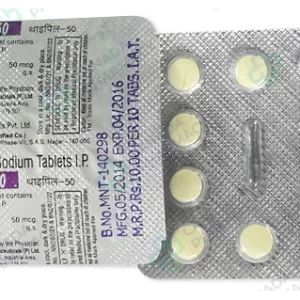
Levothroid
Price range: $ 42,00 through $ 144,00
Active substance: Levothyroxine sodium
More Details
This product has multiple variants. The options may be chosen on the product page