

-55%
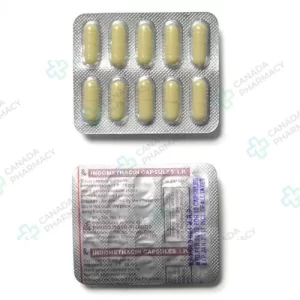
Indocin
Price range: $ 45,00 through $ 264,00
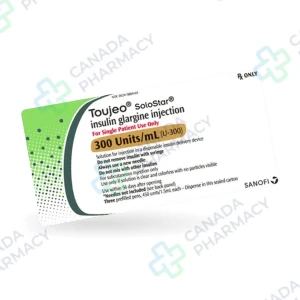
Insulin Glargine
Price range: $ 112,00 through $ 267,00
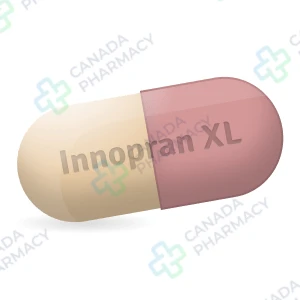
Innopran XL
Price range: $ 57,00 through $ 328,00
Innopran XL is an extended-release formulation of propranolol hydrochloride designed to support cardiovascular health through consistent blood pressure management. This medication belongs to the beta-blocker class, working effectively to relax blood vessels and improve overall blood flow. It is specifically indicated for the treatment of hypertension, helping patients maintain stable blood pressure levels throughout the day and night. By controlling high blood pressure, the medication plays a vital role in reducing the long-term risk of heart attacks and strokes. The specialized delivery system ensures a gradual release of the active ingredient for sustained therapeutic results.
Active substance: Propranolol
Delivery: 5–21 days (depending on the shipping method)
Extra 10% discount with coupon: IT4K6SVM
Each dosage option has its own packaging choices.
Description
Innopran XL belongs to a group of medicines called nonselective beta-adrenergic receptor blockers. It is an extended-release formulation prescribed to lower high blood pressure and help manage cardiovascular stress over a 24-hour cycle. In the United States, Innopran XL is available exclusively as a prescription (Rx) medication to be used under direct medical supervision.
This medication is specially designed to be taken once daily at bedtime. By releasing its active drug gradually overnight, it reaches peak concentration during the early morning hours, aligning with natural circadian blood pressure surges. Proper use requires strict adherence to dosing schedules and regular monitoring by a qualified clinician.
| Attribute | Details |
|---|---|
| Drug name | Innopran XL |
| Active ingredient (INN) | Propranolol hydrochloride |
| Therapeutic class | Nonselective beta-blocker |
| Dosage form | Extended-release oral capsules (80 mg, 120 mg) |
| Route of administration | Oral |
| Prescription status | Prescription (Rx) only |
| Storage | Room temperature (68°F to 77°F / 20°C to 25°C) |
How the drug works
Innopran XL contains propranolol hydrochloride, a nonselective beta-adrenergic receptor antagonist. It works by competitively blocking beta-1 and beta-2 receptors located throughout the heart, blood vessels, and smooth muscle tissues. By inhibiting beta-1 receptors in cardiac tissue, the medication reduces heart rate, myocardial contractility, and overall cardiac output. Blockade of vascular beta-receptors prevents epinephrine-induced vasoconstriction, supporting systemic vascular resistance reduction over time. Furthermore, propranolol suppresses the release of renin from the kidneys, which helps inhibit the renin-angiotensin-aldosterone system. This dual action on cardiac output and renal signaling provides sustained blood pressure reduction across a 24-hour interval.
Main uses
Innopran XL is approved by the U.S. Food and Drug Administration (FDA) for the management of hypertension (high blood pressure). Effective control of elevated blood pressure is essential to reduce the risk of long-term cardiovascular complications, including stroke and heart attack. While immediate-release propranolol formulations are sometimes used off-label for conditions such as essential tremor, performance anxiety, or migraine prophylaxis, Innopran XL is specific to hypertension due to its unique release kinetic profile. Any off-label use of Innopran XL must be carefully evaluated by a licensed prescribing provider, as the extended-release membrane is specifically calibrated for nighttime administration and continuous blood pressure control.
Dosing schedule
Innopran XL is administered orally once daily at bedtime (approximately 10:00 PM). The initial starting dose for adult hypertension is typically 80 mg once daily. Depending on individual therapeutic response and blood pressure readings, a healthcare provider may adjust the dosage up to a maximum of 120 mg once daily. Capsules must be swallowed whole with water and should never be crushed, chewed, divided, or dissolved, as altering the physical structure destroys the extended-release mechanism. Patients should maintain consistency regarding meal timing, taking the dose either consistently with or without food each night.
How it’s absorbed and eliminated
Following bedtime oral administration, Innopran XL exhibits a delayed membrane-controlled release profile. Peak plasma concentrations of propranolol occur approximately 10 to 14 hours after ingestion, coinciding with the early morning period when blood pressure and heart rate naturally surge. Propranolol undergoes extensive liver metabolism via CYP2D6 and CYP1A2 pathways, resulting in a significant first-pass effect. It is a highly lipophilic compound, enabling broad distribution into body tissues and penetration across the blood-brain barrier. Elimination occurs predominantly through hepatic metabolism into inactive metabolites, which are subsequently excreted by the kidneys. The elimination half-life after sustained extended-release dosing ranges from 8 to 11 hours.
Compatibility with other medicines
Propranolol interactions can significantly modify drug therapeutic levels and cardiac performance. Concomitant administration with hepatic enzyme inhibitors (such as fluoxetine, paroxetine, or cimetidine) can raise plasma propranolol concentrations, increasing the risk of adverse effects. Conversely, enzyme inducers like rifampin may lower propranolol levels. Combining Innopran XL with calcium channel blockers (such as diltiazem or verapamil) or digitalis glycosides enhances the risk of severe bradycardia and cardiac conduction block. Nonsteroidal anti-inflammatory drugs (NSAIDs) may diminish the antihypertensive effectiveness of beta-blockers. A complete record of current medications should always be reviewed by a healthcare provider prior to starting therapy.
Adverse reactions
Adverse events associated with Innopran XL stem primarily from its pharmacological activity as a beta-adrenergic blocker. Commonly reported side effects in clinical evaluations include fatigue, dizziness, lightheadedness, constipation, cold extremities, and sleep disturbances such as vivid dreams. Less frequent but serious adverse reactions include marked bradycardia (abnormally low heart rate), hypotension, worsening heart failure, and bronchospasm in patients with underlying airway reactivity. Due to its lipophilic nature and central nervous system penetration, central side effects such as mental confusion or depressive symptoms may occasionally occur. Patients should report persistent or worsening adverse reactions promptly to their prescribing clinician.
Important precautions
A primary safety consideration with beta-blocker therapy is the risk associated with sudden withdrawal. Abrupt discontinuation of Innopran XL can cause severe rebound hypertension, exacerbation of angina, or myocardial infarction. Dosage must be gradually reduced under clinical supervision when discontinuing treatment. Innopran XL is contraindicated in individuals with bronchial asthma, severe sinus bradycardia, second- or third-degree heart block, cardiogenic shock, or overt cardiac failure. Caution is necessary in diabetic patients, as beta-blockers may mask signs of acute hypoglycemia (such as tachycardia and tremors, though sweating is generally not masked). Elderly patients require careful monitoring due to increased sensitivity to blood pressure reductions.
First days of treatment
When starting Innopran XL, patients may experience mild drowsiness, fatigue, or lightheadedness during the initial days as the vascular system adjusts to lowered systemic pressure. Changing positions slowly when rising from a sitting or lying position helps minimize postural dizziness. It can take several weeks of consistent bedtime administration to observe the full therapeutic effect on blood pressure. Regular monitoring of home blood pressure and pulse rate is usually recommended during the titration period.
Food and alcohol interactions
Innopran XL may be taken with or without food, but administration should remain consistent every night. Concurrent consumption of alcohol should be avoided or strictly limited. Alcohol can cause unpredictable changes in systemic blood pressure and may alter the release profile or metabolic clearance of extended-release propranolol, heightening the risk of excessive hypotension, dizziness, or sedation.
Practical tips
Establishing a set bedtime routine facilitates consistent daily administration of Innopran XL. Store the capsule container at controlled room temperature between 68°F and 77°F (20°C to 25°C), away from excess heat, humidity, and direct light. Do not keep medication in humid bathroom settings. Always maintain an adequate supply to prevent unintended gaps in treatment, especially when traveling.
Common questions
What should I do if I miss a dose of Innopran XL?
If a bedtime dose is missed, it should be taken as soon as remembered if it is still night. If it is close to the morning or time for the next scheduled dose, skip the missed dose and resume the normal bedtime schedule. Never double the dose to make up for a missed capsule, as this increases the risk of excessive heart rate reduction and hypotension.
Why is Innopran XL specifically taken at bedtime rather than in the morning?
Innopran XL utilizes a chronotherapeutic delivery system designed to delay peak drug delivery. Taking it at bedtime allows the active drug to reach maximum plasma concentration 10 to 14 hours later, precisely targeting the morning surge in blood pressure and cardiac workload that naturally occurs upon waking.
Can I stop taking Innopran XL if my blood pressure readings normalize?
No, you should never stop taking Innopran XL abruptly. Normalized blood pressure indicates the medication is working, not that the underlying condition is cured. Sudden cessation can lead to dangerous spikes in blood pressure or cardiac complications. Any changes to treatment must be guided by a physician who will create a gradual tapering schedule.
Does Innopran XL affect physical exercise and stamina?
Because beta-blockers limit the maximum heart rate response to physical exertion, you may notice a decrease in peak exercise tolerance or feel fatigued more quickly during intense activity. Discuss your exercise routine with your doctor to determine appropriate heart rate targets and activity levels while taking this medication.
Is it safe to drive while taking this medication?
Innopran XL can cause dizziness, lightheadedness, or fatigue, particularly during the first few weeks of therapy or following a dose increase. You should avoid driving, operating machinery, or performing tasks requiring alertness until you know how the medication affects your physical and cognitive responses.
In accordance with FDA requirements.
This text is for informational purposes only and does not constitute individual medical advice.
Additional information
| Dosage |
40mg ,80mg |
|---|---|
| Package |
30 pills ,60 pills ,90 pills ,120 pills ,180 pills ,270 pills ,360 pills |
| Ενεργός Ουσία |
Related products
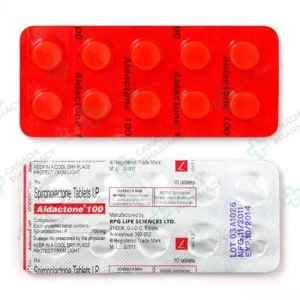
Aldactone
Price range: $ 33,00 through $ 345,00
Active substance: Spironolactone
More Details
This product has multiple variants. The options may be chosen on the product page
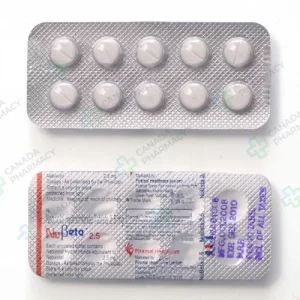
Bystolic
Price range: $ 38,00 through $ 275,00
Active substance: Nebivolol
More Details
This product has multiple variants. The options may be chosen on the product page
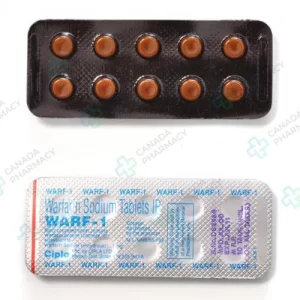
Coumadin
Price range: $ 12,00 through $ 153,00
Active substance: Warfarin
More Details
This product has multiple variants. The options may be chosen on the product page
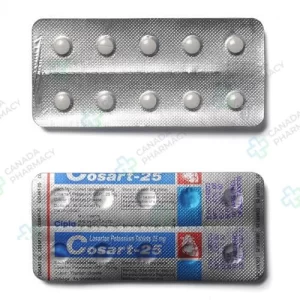
Cozaar
Price range: $ 41,00 through $ 281,00
Active substance: Losartan
More Details
This product has multiple variants. The options may be chosen on the product page
Diltiazem HCL
Price range: $ 52,00 through $ 393,00
Active substance: Diltiazem
More Details
This product has multiple variants. The options may be chosen on the product page

Doxazosin
Price range: $ 42,00 through $ 332,00
Active substance: Doxazosin
More Details
This product has multiple variants. The options may be chosen on the product page
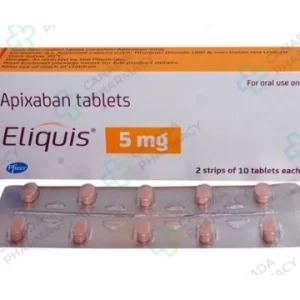
Eliquis
Price range: $ 60,00 through $ 320,00
Active substance: Apixaban
More Details
This product has multiple variants. The options may be chosen on the product page
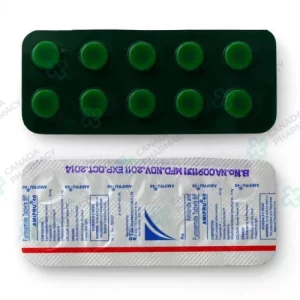
Frumil
Price range: $ 43,00 through $ 202,00
Active substance: Amiloride, furosemide
More Details
This product has multiple variants. The options may be chosen on the product page