

-30%
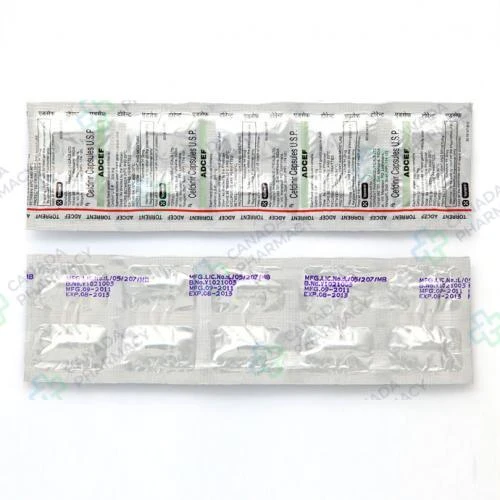

Omnacortil
Price range: $ 51,00 through $ 210,00

Onglyza
Price range: $ 63,00 through $ 504,00
Omnicef
Price range: $ 134,00 through $ 561,00
Omnicef is a potent third-generation cephalosporin antibiotic used to treat a wide variety of bacterial infections. It works by stopping the growth of bacteria, making it highly effective for respiratory tract issues such as acute chronic bronchitis and pneumonia. This medication is also commonly used to manage infections of the sinuses, throat, and tonsils. Additionally, Omnicef is indicated for treating uncomplicated skin and skin structure infections caused by susceptible organisms. Its broad-spectrum activity provides a reliable option for patients seeking relief from diverse bacterial conditions.
Active substance: Cefdinir
Delivery: 5–21 days (depending on the shipping method)
Extra 10% discount with coupon: IT4K6SVM
Each dosage option has its own packaging choices.
Description
Omnicef belongs to a group of medicines called third-generation cephalosporin antibiotics. It is prescribed by healthcare providers to treat various mild-to-moderate bacterial infections in adult and pediatric patients. As a prescription-only agent in the United States, its administration must strictly follow federal and state prescribing regulations under the direction of a licensed clinician.
Understanding the proper administration, pharmacokinetics, and safety parameters of Omnicef helps ensure effective antimicrobial therapy while minimizing the risk of side effects or antibiotic resistance. This overview provides evidence-based information regarding its therapeutic usage and clinical precautions.
| Parameter | Details |
|---|---|
| Active ingredient | Cefdinir |
| Therapeutic class | Cephalosporin antibiotic (Third-generation) |
| Dosage forms | Oral capsule, oral suspension |
| Route of administration | Oral |
| Prescription status | Prescription (Rx) only |
| Primary purpose | Treatment of susceptible bacterial infections |
Clinical & Safety Profile
How the drug works
Omnicef contains cefdinir, an active bactericidal agent that works by inhibiting bacterial cell wall synthesis. It specifically binds to penicillin-binding proteins (PBPs), which stops the final transpeptidation step of peptidoglycan synthesis needed for bacterial cell wall stability. Without a functional cell wall, susceptible bacteria undergo cell lysis and death. Cefdinir demonstrates stability in the presence of several beta-lactamase enzymes, allowing it to remain active against specific microorganisms that are resistant to penicillins and some earlier-generation cephalosporins. Its antimicrobial spectrum includes Gram-positive pathogens such as Staphylococcus aureus and Streptococcus pneumoniae, as well as Gram-negative organisms including Haemophilus influenzae and Moraxella catarrhalis.
Main uses
Omnicef is indicated for the treatment of mild-to-moderate infections caused by susceptible isolates of designated microorganisms. Common FDA-approved indications in adult and pediatric populations include community-acquired pneumonia, acute exacerbations of chronic bronchitis, acute maxillary sinusitis, pharyngitis or tonsillitis, and uncomplicated skin and skin structure infections. In pediatric patients, it is also frequently prescribed for acute bacterial otitis media. Omnicef is intended solely for the treatment of documented or strongly suspected bacterial infections. It is completely ineffective against viral pathogens, such as those responsible for the common cold or influenza. Any off-label application must be evaluated strictly by a licensed prescriber.
Dosing schedule
Omnicef is supplied in oral capsule form (300 mg) and as an oral suspension (125 mg/5 mL and 250 mg/5 mL). The total daily dose for adults and adolescents aged 13 and older is typically 600 mg daily, administered either as 300 mg twice daily or 600 mg once daily depending on the specific infection being treated. For pediatric patients aged 6 months through 12 years, dosing is determined based on body weight, generally calculated at 14 mg per kg per day up to a maximum daily limit of 600 mg. Duration of therapy usually ranges between 5 to 10 days. Dosage adjustments are mandatory for adult patients with severe renal impairment, characterized by a creatinine clearance of less than 30 mL/min.
What happens in the body
Following oral administration, maximal plasma concentrations of cefdinir occur approximately 2 to 4 hours post-dose. The estimated absolute bioavailability of Omnicef capsules is approximately 16% to 21%. Food intake slightly reduces peak concentration and total exposure, but the medication may still be administered without regard to meals. Cefdinir distributes into blister fluid, middle ear fluid, tonsillar tissue, and sinus tissue. The drug does not undergo significant hepatic metabolism and is primarily eliminated unchanged by renal excretion via urine. In individuals with normal kidney function, the plasma elimination half-life ranges from approximately 1.7 to 1.8 hours.
What not to combine
Co-administration of Omnicef with antacids containing aluminum or magnesium significantly reduces the absorption rate and systemic extent of cefdinir. If antacids are required during therapy, they should be taken at least 2 hours before or 2 hours after the Omnicef dose. Similarly, iron supplements or iron-fortified foods can bind to cefdinir in the gastrointestinal tract, forming an unabsorbed complex that markedly decreases drug bioavailability. Concomitant administration with probenecid inhibits the renal tubular secretion of cefdinir, leading to increased peak plasma concentrations and prolonged systemic clearance. Patients taking oral contraceptives should be aware that gastrointestinal disturbances caused by antibiotics might indirectly affect oral contraceptive absorption.
Adverse reactions
Omnicef is generally well tolerated, but adverse effects can occur during treatment. The most frequently reported adverse reactions affect the digestive tract and include diarrhea, nausea, abdominal pain, and vomiting. Headaches and cutaneous rashes have also been documented in clinical trials. A distinct, non-harmful effect of cefdinir is the development of reddish or rust-colored stools, which occurs when cefdinir combines with iron in the digestive tract. Superinfections such as vaginal candidiasis or oral fungal infections may arise due to alterations in normal bacterial flora. Patients experiencing severe or persistent side effects should consult their healthcare provider promptly.
Important precautions
Omnicef is contraindicated in patients with a known hypersensitivity or serious allergic reaction to cefdinir or other cephalosporin class antibiotics. Prior to initiating therapy, clinicians must carefully inquire about previous hypersensitivity reactions to penicillins, cephalosporins, or other beta-lactam agents due to potential cross-reactivity. Clostridioides difficile-associated diarrhea (CDAD) has been reported with the use of nearly all systemic antibacterial agents, ranging in severity from mild diarrhea to fatal colitis. Treatment with antibacterial agents alters the normal flora of the colon, allowing overgrowth of C. difficile. Renal function should be evaluated in elderly patients or those with pre-existing renal compromise to avoid accumulation of the drug.
What to avoid while taking it
While taking Omnicef, avoid taking iron supplements, multi-vitamins containing iron, or antacids containing aluminum or magnesium at the same time as your dose. Space these products at least 2 hours apart from Omnicef administration. Although alcohol does not produce a disulfiram-like reaction with cefdinir, consuming alcohol during an active bacterial infection can cause gastrointestinal irritation, dehydration, and impaired immune recovery. Patients should complete the full course of treatment as prescribed, avoiding early discontinuation even if symptoms resolve, to prevent the emergence of antibiotic-resistant bacteria.
Red flags
Seek immediate medical emergency care if you experience signs of a severe allergic reaction, such as swelling of the face, lips, tongue, or throat, hives, or difficulty breathing. Contact a healthcare provider right away if you develop severe, watery diarrhea that occurs several times a day, accompanied by abdominal cramping or fever, even weeks after stopping the medication. Immediate clinical evaluation is also necessary if you observe severe skin reactions involving widespread redness, blistering, or peeling skin, as these may signal life-threatening dermatological conditions.
Pregnancy, breastfeeding, and other groups
Cefdinir is designated for use during pregnancy only if the potential benefit justifies the potential risk to the fetus; reproduction studies in animals have shown no evidence of teratogenicity, but adequate clinical studies in pregnant women are limited. Following single 600 mg doses, cefdinir was not detected in human breast milk. Pediatric safety and effectiveness have been established for children 6 months of age and older, while safety in infants under 6 months has not been validated. Dose selection for elderly patients should be cautious, reflecting the greater frequency of decreased hepatic, renal, or cardiac function.
Storage and expiration
Store Omnicef capsules at room temperature between 68°F to 77°F (20°C to 25°C), with excursions permitted between 59°F to 86°F (15°C to 30°C). Protect capsules from excessive heat and humidity. Reconstituted oral suspension can be stored at room temperature between 68°F and 77°F for up to 10 days; keep the container tightly closed and do not freeze. Safely discard any unused oral liquid after the 10-day period expires. Keep all medications out of the reach of children.
Frequently Asked Questions
What should I do if my child develops reddish stools while taking Omnicef?
Reddish or rust-colored stools can occur when cefdinir interacts with iron in the gastrointestinal tract, such as from iron-fortified infant formulas or vitamins. This reaction is generally non-harmful and results from an unabsorbed iron-cefdinir complex. However, you should inform your pediatrician to confirm that the discoloration is not caused by gastrointestinal bleeding.
Can I stop taking Omnicef early if my symptoms disappear completely?
No, you should complete the full course of treatment prescribed by your physician. Stopping an antibiotic early can leave surviving bacteria behind, which may cause the infection to return or contribute to the development of antibiotic-resistant strains that are harder to treat in the future.
Is it safe to take Omnicef if I have a known allergy to penicillin?
If you have a history of penicillin allergy, you must inform your doctor before starting Omnicef. While cephalosporins like Omnicef are often used as alternatives, cross-reactivity between penicillins and cephalosporins can occur, particularly in individuals with a history of severe or immediate allergic reactions (such as anaphylaxis).
What happens if I accidentally miss a scheduled dose?
If you miss a dose, take it as soon as you remember. However, if it is almost time for your next scheduled dose, skip the missed dose and resume your standard regular dosing schedule. Never double the dose to make up for a missed application.
How quickly should I expect signs of improvement after starting Omnicef?
Most patients begin to notice an improvement in symptoms within 48 to 72 hours of starting treatment. If your condition fails to improve or steadily worsens after a few days of consistent use, contact your prescribing clinician for further medical evaluation.
In accordance with FDA requirements.
This text is for informational purposes only and does not constitute individual medical advice.
Additional information
| Dosage |
300mg |
|---|---|
| Package |
30 pills ,60 pills ,90 pills ,120 pills ,180 pills |
| Ενεργός Ουσία |
Related products

Azeetop
Price range: $ 40,00 through $ 250,00
Active substance: Azithromycin
More Details
This product has multiple variants. The options may be chosen on the product page
Biaxin
Price range: $ 107,00 through $ 427,00
Active substance: Clarithromycin
More Details
This product has multiple variants. The options may be chosen on the product page

Ceclor CD
Price range: $ 53,00 through $ 154,00
Active substance: Cefaclor
More Details
This product has multiple variants. The options may be chosen on the product page

Cefaclor
Price range: $ 68,00 through $ 3 600,00
Active substance: cefaclor monohydrate
More Details
This product has multiple variants. The options may be chosen on the product page

Cefadroxil
Price range: $ 41,00 through $ 349,00
Active substance: cefadroxil
More Details
This product has multiple variants. The options may be chosen on the product page

Ceftin
Price range: $ 38,00 through $ 386,00
Active substance: Cefuroxime
More Details
This product has multiple variants. The options may be chosen on the product page

Ciloxan Ophthalmic Solution
Price range: $ 50,00 through $ 63,00
Active substance: Ciprofloxacin hydrochloride
More Details
This product has multiple variants. The options may be chosen on the product page

Ciplox
Price range: $ 49,00 through $ 434,00
Active substance: Ciprofloxacin
More Details
This product has multiple variants. The options may be chosen on the product page