

-29%
Nootropil
Price range: $ 30,00 through $ 363,00
Norvasc
Price range: $ 43,00 through $ 232,00
Noroxin
Price range: $ 48,00 through $ 136,00
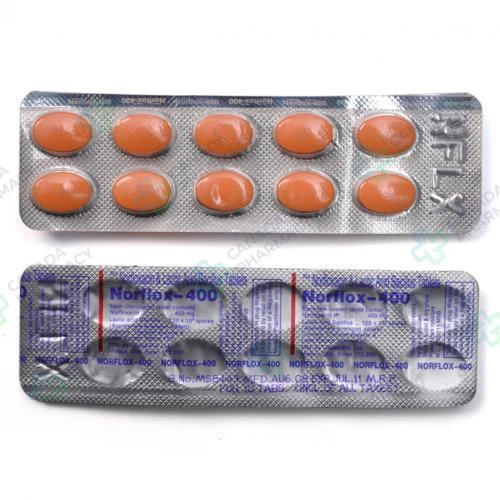
Noroxin is a potent fluoroquinolone antibiotic designed to treat a variety of bacterial infections. It is primarily indicated for the effective management of urinary tract infections, including both uncomplicated and complicated cases. This medication works efficiently against pathogens causing cystitis, chronic bacterial prostatitis, and certain intestinal infections. The active ingredient, norfloxacin, functions by inhibiting the DNA replication of bacteria, thereby stopping the spread of the infection. By targeting the root cause of the illness, Noroxin helps restore patient comfort and supports a swift recovery from bacterial ailments.
Active substance: norfloxacin
Delivery: 5–21 days (depending on the shipping method)
Extra 10% discount with coupon: IT4K6SVM
Each dosage option has its own packaging choices.
Description
Noroxin belongs to a class of synthetic broad-spectrum antibacterial agents known as fluoroquinolones. It is formulated to address targeted bacterial infections of the urinary tract under strict clinical evaluation. As a prescription-only medication in the United States, its administration must be determined by a qualified healthcare professional based on individual diagnostic findings.
The active substance, norfloxacin, acts by interrupting essential bacterial enzymatic processes required for cellular replication. Proper adherence to medical instructions and awareness of necessary precautions are essential to ensure appropriate therapeutic outcomes and patient safety.
| Attribute | Specification |
|---|---|
| Active ingredient (INN) | Norfloxacin |
| Therapeutic class | Fluoroquinolone antibacterial agent |
| Dosage form | Oral tablet |
| Route of administration | Oral |
| Primary purpose | Treatment of susceptible urinary tract infections |
| Prescription status | Dispensed in accordance with applicable federal and state regulations (Rx only) |
| Storage condition | Controlled room temperature (59°F to 86°F / 15°C to 30°C) |
How the drug works
The mechanism of action of Noroxin relies on the inhibition of essential bacterial enzymes. Norfloxacin targets bacterial DNA gyrase (topoisomerase II) and topoisomerase IV. These enzymes are critical for the uncoiling, replication, repair, and transcription of bacterial DNA. By blocking these processes, the drug prevents bacterial cell division, leading to rapid cell death.
Norfloxacin exhibits broad-spectrum bactericidal activity against a range of Gram-negative pathogens, including Escherichia coli, Klebsiella pneumoniae, Enterobacter cloacae, and Proteus mirabilis, as well as select Gram-positive organisms. Resistance to norfloxacin typically develops through target-site mutations in bacterial gyrase genes or altered cell membrane permeability.
Main uses
Noroxin is indicated for the treatment of specific urinary tract infections caused by susceptible strains of designated microorganisms. Approved clinical indications include:
- Uncomplicated urinary tract infections (such as acute cystitis).
- Complicated urinary tract infections.
- Chronic bacterial prostatitis.
In clinical practice, any off-label application–such as spontaneous bacterial peritonitis prophylaxis in hepatic cirrhosis–is considered outside the primary approved labelling in the United States and requires individualized risk-benefit assessment by a licensed prescriber. Prescribers generally reserve fluoroquinolones for situations where alternative treatment options are ineffective or inappropriate due to safety considerations.
Dosing schedule
The dosing regimen for Noroxin must be established by a physician based on the location and severity of the infection, as well as the patient’s renal function. The standard dosage for uncomplicated urinary tract infections is typically 400 mg taken orally every 12 hours for a duration of 3 to 10 days, depending on the pathogen involved.
For complicated urinary tract infections, treatment may extend to 10–21 days, whereas chronic bacterial prostatitis often requires a 4-week course of 400 mg twice daily. Tablets should be swallowed whole with a full glass of water. Patients should maintain adequate hydration throughout treatment to prevent crystalluria. Dosage adjustments are required for patients with severe renal impairment (creatinine clearance less than 30 mL/min/1.73 m²).
What happens in the body
Pharmacokinetic studies indicate that norfloxacin is rapidly absorbed following oral administration, achieving peak plasma concentrations within 1 to 2 hours. The absolute oral bioavailability is approximately 30% to 40%. Food intake or co-administration with multivalent cations can delay or reduce oral absorption.
Norfloxacin is widely distributed in body tissues, attaining high concentrations in renal tissue, urine, and urogenital fluids. Protein binding is low, approximately 10% to 15%. The primary route of elimination is renal clearance via glomerular filtration and tubular secretion, with approximately 30% to 40% of an oral dose excreted unchanged in the urine within 24 hours. The mean elimination half-life ranges from 3 to 4 hours in individuals with normal renal function.
Compatibility with other medicines
Norfloxacin demonstrates significant drug interaction potential that can alter therapeutic efficacy or increase the risk of toxicity:
- Multivalent Cations: Antacids containing aluminum or magnesium, sucralfate, iron supplements, and didanosine form chelate complexes with norfloxacin, significantly reducing its oral absorption. These agents must be taken at least 2 hours after or 2 hours before Noroxin.
- Theophylline: Co-administration may lead to elevated serum theophylline concentrations and prolonged clearance, increasing the risk of theophylline-related adverse reactions.
- Nonsteroidal Anti-inflammatory Drugs (NSAIDs): Concomitant use with NSAIDs may increase the risk of central nervous system stimulation and convulsive seizures.
- Warfarin: Norfloxacin may enhance the anticoagulant effect of oral warfarin, requiring close monitoring of prothrombin time or International Normalized Ratio (INR).
Adverse reactions
Adverse reactions associated with Noroxin therapy affect multiple organ systems. Common side effects reported during clinical evaluation include mild gastrointestinal and central nervous system disturbances:
- Gastrointestinal: Nausea, abdominal cramps, diarrhea, and dyspepsia.
- Central Nervous System: Dizziness, headache, drowsiness, and insomnia.
- Dermatologic: Rash, pruritus, and photosensitivity reactions upon exposure to sunlight.
Less common but severe adverse effects include elevated liver enzymes, blood dyscrasias, and hypersensitivity reactions. Patients experiencing severe symptoms should consult their prescribing physician promptly.
Important precautions
Fluoroquinolones, including Noroxin, carry serious safety warnings regarding disabling and potentially irreversible adverse reactions that can occur together in the same patient. These warnings include:
- Tendinitis and Tendon Rupture: Increased risk of tendon damage, particularly involving the Achilles tendon, which may occur during or months after therapy. Risk is higher in patients over 60 years of age, those taking corticosteroids, or organ transplant recipients.
- Peripheral Neuropathy: Nerve damage affecting arms or legs may occur rapidly and can be permanent.
- Central Nervous System Effects: Seizures, increased intracranial pressure, psychosis, toxic psychoses, tremors, anxiety, and depression.
- Myasthenia Gravis Exacerbation: Fluoroquinolones may exacerbate muscle weakness in patients with myasthenia gravis and must be avoided.
- Pediatric Population: Safety and effectiveness in pediatric patients (under 18 years of age) have not been established due to arthropathy observed in animal studies.
What to avoid while taking it
To minimize absorption failure and adverse events, specific dietary and environmental precautions are necessary. Co-administration of Noroxin with dairy products (such as milk or yogurt) or calcium-fortified products alone should be avoided, as dietary calcium can bind the medication and reduce bioavailability. However, Noroxin may be taken with meals that contain these products as part of a complete meal.
Exposure to direct sunlight, ultraviolet (UV) lamps, or tanning beds must be minimized due to the risk of moderate-to-severe photosensitivity reactions. Patients should use protective clothing and sunscreens if outdoor exposure is unavoidable. Alcohol consumption should be restricted, as it may exacerbate central nervous system side effects such as dizziness or impaired concentration.
Red flags
Certain clinical signs require immediate discontinuation of the drug and emergency medical intervention. Patients and caregivers should remain vigilant for key warning indicators.
| Warning Sign | Clinical Manifestation | Immediate Action Required |
|---|---|---|
| Tendon pain or swelling | Sudden pain, swelling, or inflammation in joints or tendons | Discontinue drug, rest the affected limb, contact prescriber immediately |
| Neurological symptoms | Numbness, tingling, burning pain, or altered sensation in hands/feet | Stop medication and seek medical evaluation |
| Hypersensitivity reaction | Swelling of face, lips, tongue, throat; difficulty breathing or swallowing | Seek emergency medical care immediately |
| Severe diarrhea | Watery or bloody stools, persistent stomach cramping, fever | Contact healthcare provider; do not use anti-diarrheal agents without advice |
| Cardiac changes | Palpitations, severe dizziness, lightheadedness, faintness | Seek prompt emergency medical evaluation |
If you skip a dose
If a dose of Noroxin is missed, it should be taken as soon as remembered on the same day. However, if it is almost time for the next scheduled dose, the missed dose should be skipped, and the regular dosing schedule resumed. Patients must not double the dose to compensate for a missed tablet. Maintaining consistent blood levels of the antibacterial agent is essential for optimal therapeutic efficacy and to reduce the development of bacterial resistance.
Storage and expiration
Noroxin tablets should be stored at controlled room temperature between 59°F and 86°F (15°C to 30°C). The container must be kept tightly closed, protected from excessive moisture, heat, and direct light. Medication must be kept out of the reach of children and domestic animals. Expired or unused medication should be disposed of in accordance with local environmental regulations and pharmaceutical waste guidance, rather than flushed down household drains.
Common questions
Can Noroxin be taken during pregnancy or while breastfeeding?
Noroxin is classified as a medication to be used during pregnancy only if the potential benefit justifies the potential risk to the fetus. Animal studies have shown arthropathy in immature animals, raising safety concerns. It is not definitively established whether norfloxacin is excreted in human breast milk; however, because other fluoroquinolones are excreted, a decision should be made whether to discontinue nursing or discontinue the drug, taking into account the importance of the drug to the mother.
Is it safe to drive or operate machinery while taking Noroxin?
Noroxin may cause central nervous system side effects such as dizziness, lightheadedness, drowsiness, or visual disturbances. Patients should assess their individual response to the medication before driving, operating heavy machinery, or engaging in tasks requiring complete mental alertness and motor coordination.
What should be done if symptoms resolve before the treatment course is finished?
Even if clinical symptoms of the urinary tract infection subside within a few days, the full prescribed course of Noroxin must be completed. Premature discontinuation of antibacterial therapy can lead to incomplete eradication of the pathogen and increases the risk of developing drug-resistant bacterial strains.
What happens if Noroxin is taken at the same time as iron or calcium supplements?
Taking Noroxin concurrently with iron supplements, calcium-rich products, or multivalent cation antacids causes chemical chelation in the gastrointestinal tract. This significantly reduces the amount of norfloxacin absorbed into the bloodstream, rendering the antibiotic ineffective. These supplements should be taken at least 2 hours before or 2 hours after the antibiotic dose.
Disclaimer
In accordance with federal regulations, prescription drugs require evaluation by a licensed healthcare provider. This text is for informational purposes only and does not constitute individual medical advice.
Additional information
| Dosage |
400mg |
|---|---|
| Package |
90 pills ,120 pills ,180 pills ,270 pills ,360 pills |
| Ενεργός Ουσία |
Related products
Ampicillin
Price range: $ 40,00 through $ 140,00
Active substance: acillin
More Details
This product has multiple variants. The options may be chosen on the product page
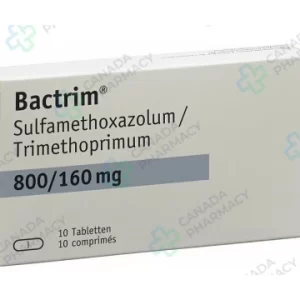
Bactrim
Price range: $ 41,00 through $ 196,00
Active substance: sulfamethoxazole, trimethoprim
More Details
This product has multiple variants. The options may be chosen on the product page
Biaxin
Price range: $ 107,00 through $ 427,00
Active substance: Clarithromycin
More Details
This product has multiple variants. The options may be chosen on the product page
Cefaclor
Price range: $ 68,00 through $ 3 600,00
Active substance: cefaclor monohydrate
More Details
This product has multiple variants. The options may be chosen on the product page
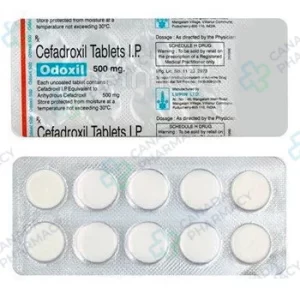
Cefadroxil
Price range: $ 41,00 through $ 349,00
Active substance: cefadroxil
More Details
This product has multiple variants. The options may be chosen on the product page
Cepmox
Price range: $ 41,00 through $ 115,00
Active substance: amoxicillin
More Details
This product has multiple variants. The options may be chosen on the product page
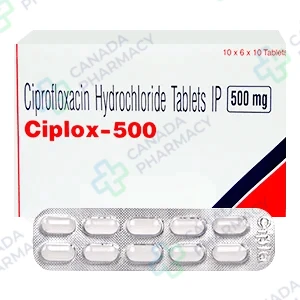
Ciplox
Price range: $ 49,00 through $ 434,00
Active substance: Ciprofloxacin
More Details
This product has multiple variants. The options may be chosen on the product page
Cleocin
Price range: $ 91,00 through $ 361,00
Active substance: Clindamycin
More Details
This product has multiple variants. The options may be chosen on the product page