

-23%
Noroxin
Price range: $ 48,00 through $ 136,00
Norwayz
Price range: $ 49,00 through $ 69,00
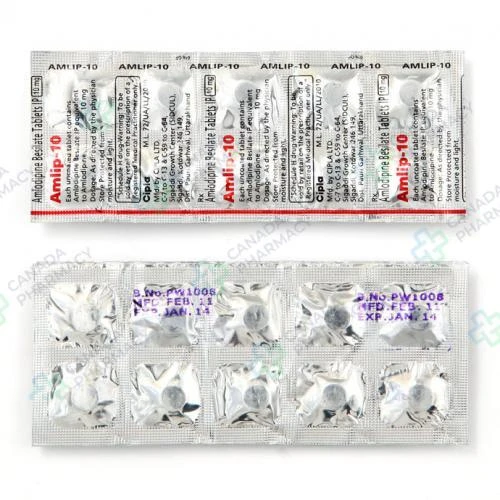
Norvasc
Price range: $ 43,00 through $ 232,00
Norvasc is a widely used calcium channel blocker designed to treat high blood pressure and various forms of chest pain. The medication works by relaxing the muscles of your heart and blood vessels, which improves overall blood flow and reduces the heart’s workload. By effectively managing hypertension, this treatment helps lower the risk of severe cardiovascular events like strokes or heart attacks. It is also an effective solution for patients suffering from chronic stable angina or vasospastic angina. This long-acting formula provides reliable, daily support for maintaining optimal cardiovascular health.
Active substance: amlodipine
Delivery: 5–21 days (depending on the shipping method)
Extra 10% discount with coupon: IT4K6SVM
Each dosage option has its own packaging choices.
Description
Norvasc belongs to a class of cardiovascular medications known as dihydropyridine calcium channel blockers. It is an oral prescription drug prescribed for the management of hypertension (high blood pressure) and specific manifestations of coronary artery disease, including chronic stable angina and vasospastic angina.
In accordance with United States federal regulations, Norvasc is available strictly by prescription (Rx only). Therapeutic decisions, dosage adjustments, and clinical monitoring must be conducted under the direct supervision of a licensed healthcare provider to ensure optimal blood pressure control and cardiovascular risk reduction.
| Parameter | Specification |
|---|---|
| Active ingredient | Amlodipine besylate |
| Therapeutic class | Dihydropyridine calcium channel blocker (CCB) |
| Dosage form | Oral tablets (2.5 mg, 5 mg, 10 mg) |
| Route of administration | Oral |
| Primary purpose | Treatment of hypertension and coronary artery disease |
| Prescription status | Prescription (Rx) only |
Clinical Profile and Usage Guidelines
Main Uses
Norvasc is indicated for the treatment of hypertension to lower blood pressure. Decreasing systemic blood pressure reduces the overall risk of fatal and nonfatal cardiovascular events, primarily strokes and myocardial infarctions. The drug may be utilized as monotherapy or in combination with other antihypertensive agents, such as thiazide diuretics, beta-blockers, or angiotensin-converting enzyme (ACE) inhibitors.
In addition to blood pressure management, Norvasc is indicated for the symptomatic treatment of chronic stable angina and vasospastic angina (Prinzmetal’s or variant angina). It is also approved to reduce the risk of hospitalization for angina and coronary revascularization procedures in patients with angiographically documented coronary artery disease who do not have heart failure or an ejection fraction below 40%.
How the Drug Works
Norvasc contains amlodipine besylate, which selectively inhibits the transmembrane influx of extracellular calcium ions into vascular smooth muscle cells and cardiac muscle cells. The contractile processes of vascular smooth muscle depend upon the movement of extracellular calcium into these cells through specific ion channels. By blocking these calcium channels, amlodipine induces direct relaxation of arterial smooth muscle.
This mechanism decreases peripheral vascular resistance, thereby reducing systemic arterial pressure. In patients suffering from angina, Norvasc dilates main coronary arteries and arterioles, increasing myocardial oxygen delivery in both normal and ischemic regions. It also reduces total peripheral resistance (afterload), which decreases the workload of the heart and lowers myocardial oxygen demand.
Dosing Schedule
For adult hypertension, the usual initial oral dosage is 5 mg once daily, with a maximum recommended dose of 10 mg once daily. Small, elderly, or fragile individuals, as well as patients with hepatic insufficiency, may be started on 2.5 mg once daily. In pediatric patients aged 6 to 17 years, the recommended effective dose for hypertension is 2.5 mg to 5 mg once daily; doses exceeding 5 mg daily have not been studied in this population.
For chronic stable or vasospastic angina, the recommended dose range for adults is 5 mg to 10 mg once daily. Clinical trials indicate that most patients with angina require 10 mg daily for adequate symptomatic relief. Dosage adjustment should occur over 7 to 14 days to allow full evaluation of therapeutic response before increasing the dose.
What Happens in the Body
Following oral administration of therapeutic doses, peak plasma concentrations of amlodipine are reached between 6 and 12 hours. Absolute bioavailability is estimated to be between 64% and 90%. The bioavailability of amlodipine is not significantly altered by the presence of food, allowing for administration with or without meals.
Amlodipine is extensively transformed by hepatic metabolism via the CYP3A4 pathway into inactive metabolites, with 10% of the parent compound and 60% of metabolites excreted in the urine. The plasma elimination half-life ranges approximately from 30 to 50 hours, which supports convenient once-daily dosing. Steady-state plasma concentrations are typically attained after 7 to 8 days of consecutive daily administration.
Signs of Improvement
Because high blood pressure often manifests without noticeable symptoms, the therapeutic effect of Norvasc is primarily measured through routine clinical blood pressure monitoring. Reductions in systemic arterial pressure generally occur gradually over several days to weeks following initiation of therapy, reaching full steady-state effectiveness within 1 to 2 weeks.
In patients receiving Norvasc for anginal symptoms, successful therapy is demonstrated by a measurable reduction in the frequency and severity of angina attacks, increased exercise tolerance, and a decreased reliance on short-acting sublingual nitroglycerin medications.
If You Skip a Dose
If a dose of Norvasc is missed, it should be taken as soon as remembered on the same day. However, if it is almost time for the next scheduled dose, the missed tablet should be skipped entirely, and the normal dosing schedule resumed. Double doses must not be ingested to make up for a missed tablet, as this increases the risk of symptomatic hypotension and peripheral edema.
Safety, Interactions, and Daily Considerations
Adverse Reactions
The safety profile of Norvasc has been extensively evaluated in clinical trials. The most common adverse reaction is peripheral edema, which is dose-dependent and occurs more frequently in female patients. Peripheral edema results from arterial vasodilation without matching venous dilation, leading to fluid extravasation into peripheral tissues.
Other adverse reactions reported in controlled clinical studies include dizziness, flushing, palpitations, fatigue, nausea, and abdominal pain. Severe hypotension may occur, particularly in patients with severe aortic stenosis. Rare instances of worsening angina or acute myocardial infarction have been documented upon initiation of therapy or during dosage escalation, particularly in patients with severe obstructive coronary artery disease.
Compatibility with Other Medicines
Coadministration of strong CYP3A4 inhibitors (such as ketoconazole, itraconazole, or ritonavir) may increase plasma concentrations of amlodipine, increasing the risk of adverse reactions. Conversely, CYP3A4 inducers (such as rifampin or St. John’s wort) may lower plasma levels of amlodipine, potentially reducing its clinical efficacy.
Norvasc increases systemic exposure to certain concomitant therapies. For example, coadministration of amlodipine with simvastatin increases simvastatin exposure; the daily dose of simvastatin should be limited to 20 mg in patients taking Norvasc. Similarly, amlodipine may increase exposure to immunosuppressants such as tacrolimus and cyclosporine, necessitating blood concentration monitoring and potential dosage adjustments of those agents.
Food and Alcohol Interactions
Ingestion of large amounts of grapefruit juice (more than 1 quart daily) while taking Norvasc may lead to increased systemic exposure to amlodipine due to inhibition of intestinal CYP3A4 metabolism. Patients should discuss grapefruit consumption with their healthcare provider. Alcohol consumption should be approached with caution, as alcohol may exert additive blood pressure-lowering effects, increasing the likelihood of orthostatic lightheadedness or dizziness.
Important Precautions
Caution must be exercised when administering Norvasc to patients with severe hepatic impairment due to extensive hepatic metabolism and an extended elimination half-life (up to 56 hours) in this group. Initial dosing should begin at 2.5 mg daily. Patients with severe aortic stenosis should be monitored closely due to the risk of acute hypotension.
Data regarding the use of amlodipine in pregnant women are insufficient to inform a drug-associated risk of major birth defects or miscarriage. Norvasc should be used during pregnancy only if the potential benefit justifies the potential risk to the fetus. Clinical data indicate that amlodipine is present in human milk, but the effects on the breastfed infant remain incompletely characterized.
Storage and Expiration
Norvasc tablets should be stored at controlled room temperature between 59°F and 86°F (15°C and 30°C). The medication must be kept in its original, tightly closed container to protect it from light and moisture. Medications past their expiration date should be safely discarded according to local environmental guidelines or pharmacy take-back programs.
Common Questions
Can Norvasc be stopped abruptly if blood pressure normalizes?
Norvasc treatment should not be stopped suddenly without direct consultation with a prescribing physician. Normal blood pressure readings indicate that the medication is effectively controlling arterial pressure, not that the underlying medical condition is cured. Abrupt cessation of antihypertensive therapy can lead to rebound hypertension or exacerbation of anginal symptoms.
Why does leg swelling occur with Norvasc, and how can it be managed?
Leg and ankle swelling (peripheral edema) occurs because amlodipine dilates precapillary arterioles more than postcapillary venules, leading to increased fluid pressure in local capillary beds. This effect is dose-related. Patients experiencing persistent or severe edema should consult their provider, who may adjust the dose or introduce a complementary medication class to alleviate fluid retention.
Can Norvasc be used for off-label indications like Raynaud’s phenomenon?
While Norvasc is FDA-approved specifically for hypertension and coronary artery disease, clinicians sometimes prescribe amlodipine as an off-label treatment for Raynaud’s phenomenon. Its vasodilatory properties help reduce vasospastic episodes in peripheral blood vessels. Off-label use must always be evaluated and monitored by a qualified healthcare professional.
How does severe liver dysfunction affect how Norvasc is processed?
Because amlodipine is heavily metabolized by the liver, patients with impaired hepatic function clear the medication more slowly. The elimination half-life is extended, leading to higher drug accumulation in the blood. Consequently, physicians initiate therapy at lower doses (2.5 mg daily) and monitor these patients carefully during dose titration.
Source and Disclaimer
In accordance with FDA requirements.
This text is for informational purposes only and does not constitute individual medical advice.
Additional information
| Dosage |
2.5mg ,5mg ,10mg |
|---|---|
| Package |
60 pills ,90 pills ,120 pills ,180 pills ,270 pills ,360 pills |
| Ενεργός Ουσία |
Related products
Adalat
Price range: $ 41,00 through $ 267,00
Active substance: Nifedipine
More Details
This product has multiple variants. The options may be chosen on the product page
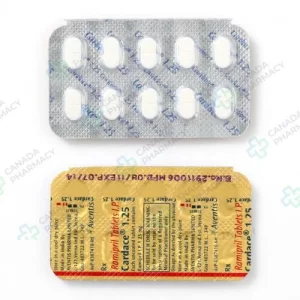
Altace
Price range: $ 40,00 through $ 322,00
Active substance: Ramipril
More Details
This product has multiple variants. The options may be chosen on the product page
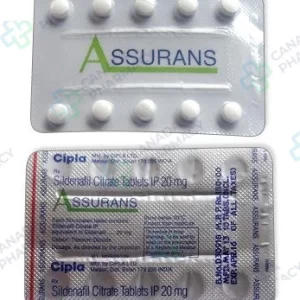
Assurans
Price range: $ 50,00 through $ 70,00
Active substance: Sildenafil Citrate
More Details
This product has multiple variants. The options may be chosen on the product page
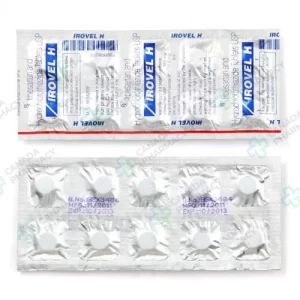
Avalide
Price range: $ 66,00 through $ 333,00
Active substance: Irbesartan
More Details
This product has multiple variants. The options may be chosen on the product page
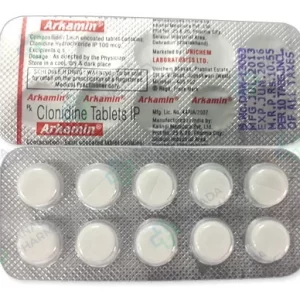
Combipres
Price range: $ 50,00 through $ 202,00
Active substance: chlorthalidone, clonidine hydrochloride
More Details
This product has multiple variants. The options may be chosen on the product page
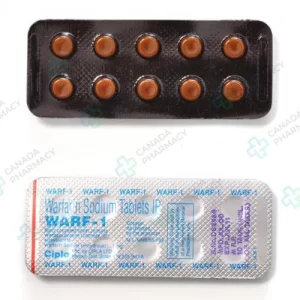
Coumadin
Price range: $ 12,00 through $ 153,00
Active substance: Warfarin
More Details
This product has multiple variants. The options may be chosen on the product page
Doxazosin
Price range: $ 42,00 through $ 332,00
Active substance: Doxazosin
More Details
This product has multiple variants. The options may be chosen on the product page
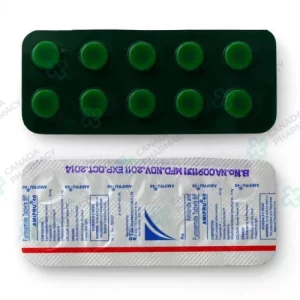
Frumil
Price range: $ 43,00 through $ 202,00
Active substance: Amiloride, furosemide
More Details
This product has multiple variants. The options may be chosen on the product page