

-25%
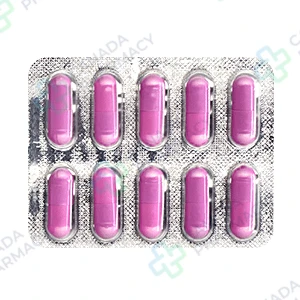
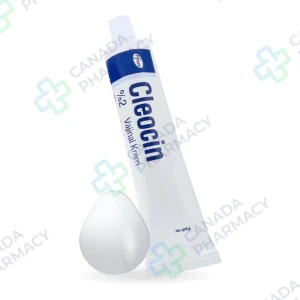
Cleocin Gel
Price range: $ 5,00 through $ 21,00
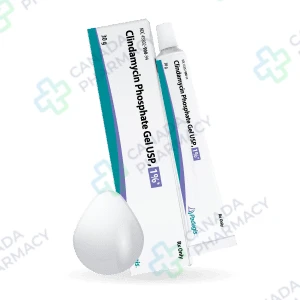
Clindamycin Gel
Price range: $ 6,00 through $ 36,00
Clindamycin
Price range: $ 43,00 through $ 326,00
Clindamycin is a potent antibiotic used to treat a wide variety of serious bacterial infections. It works by stopping the growth of bacteria in the body, effectively clearing infections of the skin, lungs, and soft tissues. This medication is particularly effective against anaerobic bacteria and certain strains of streptococci and staphylococci. Patients often rely on this treatment for internal infections, including those affecting the blood, joints, and bones. Its reliable formulation provides a targeted approach to restoring health by eliminating harmful pathogens.
Active substance: clindamycin hydrochloride
Delivery: 5–21 days (depending on the shipping method)
Extra 10% discount with coupon: IT4K6SVM
Each dosage option has its own packaging choices.
Description
Clindamycin belongs to the lincosamide class of antibacterial medications designed to combat serious bacterial infections. In the United States, clindamycin is a prescription-only (Rx) drug dispensed in accordance with federal and state regulations upon an order from a licensed healthcare provider.
It is prescribed primarily for systemic or localized anaerobic infections, as well as specific severe streptococcal, pneumococcal, and staphylococcal conditions. Because clindamycin does not treat viral pathogens such as influenza or the common cold, appropriate diagnostic evaluation is required prior to initiating therapy.
| Parameter | Specification |
|---|---|
| Active ingredient | Clindamycin (as hydrochloride, phosphate, or palmitate hydrochloride) |
| Therapeutic class | Lincosamide antibacterial (AHFS 8:12.28) |
| Dosage forms | Oral capsules, oral solution, topical gel/cleanser, IV/IM injection |
| Route of administration | Oral, topical, parenteral |
| Prescription status | Prescription only (Rx) |
| Primary purpose | Treatment of susceptible anaerobic and aerobic Gram-positive infections |
Clinical Profile and Indications
Main uses
The United States Food and Drug Administration (FDA) has approved oral and systemic clindamycin for serious infections caused by susceptible strains of anaerobic bacteria and Gram-positive aerobic pathogens. FDA-approved clinical indications include lower respiratory tract infections (such as empyema, anaerobic pneumonia, and lung abscess), serious skin and soft-tissue infections, intra-abdominal infections (such as peritonitis or abdominal abscess), pelvic inflammatory disease, septicemia, and bone or joint infections like osteomyelitis.
In clinical practice, healthcare providers may also prescribe clindamycin for off-label uses–explicitly designated as non-FDA-approved applications supported by clinical literature. These off-label uses include second-line treatment of Pneumocystis jirovecii pneumonia in combination with primaquine, management of central nervous system toxoplasmosis in combination with pyrimethamine, treatment of hidradenitis suppurativa, and alternative prophylaxis against endocarditis in penicillin-allergic patients undergoing specific dental procedures.
How the drug works
Clindamycin acts by reversibly binding to the 50S subunit of the bacterial ribosome, specifically targeting the 23S RNA component. This action blocks peptide bond formation during bacterial protein synthesis, inhibiting bacterial growth and replication. By arresting protein production, clindamycin functions predominantly as a bacteriostatic agent, although it may exhibit bactericidal activity against highly sensitive strains at elevated tissue concentrations.
spectrum of antimicrobial activity includes Gram-positive aerobic cocci, such as Staphylococcus aureus (methicillin-susceptible strains), Streptococcus pneumoniae, and Streptococcus pyogenes. It demonstrates notable activity against anaerobic pathogens, including Bacteroides fragilis, Fusobacterium species, Peptostreptococcus, and Clostridium perfringens. Clindamycin is inactive against Gram-negative aerobic bacilli (such as Escherichia coli or Pseudomonas aeruginosa) and enterococci, due to poor outer membrane permeability in those microorganisms.
What happens in the body
Following oral administration, clindamycin hydrochloride is rapidly and almost completely absorbed from the gastrointestinal tract, achieving peak serum concentrations within 45 to 60 minutes. The oral capsule formulation exhibits an absolute bioavailability of approximately 90%, and concomitant food ingestion does not significantly alter total systemic absorption. Clindamycin distributes widely throughout body fluids and tissues, including bone, bile, saliva, and pleural fluid, with plasma protein binding ranging from 92% to 94%.
However, clindamycin does not cross the blood-brain barrier in therapeutically significant amounts, even when meninges are inflamed, making it unsuitable for treating meningitis. Hepatic metabolism via the cytochrome P450 enzyme system (predominantly CYP3A4 and CYP3A5) converts clindamycin into active metabolites, such as clindamycin sulfoxide and N-demethylclindamycin. The serum elimination half-life is approximately 2.4 to 3 hours in adults with normal renal function, extending slightly in patients with severe hepatic impairment. Excretion occurs via urine and feces as active drug and inactive metabolites.
Administration, Safety, and Precautions
Dosing schedule and skipped doses
Dosing schedules for clindamycin must be individualized by a licensed prescriber based on the infection site, pathogen susceptibility, patient weight, and hepatic function. For adult oral capsule therapy, standard dosages range from 150 mg to 450 mg administered every 6 hours, depending on infection severity. Pediatric oral dosing is calculated strictly by body weight, typically ranging from 8 mg/kg/day to 25 mg/kg/day divided into three or four equal daily doses.
To prevent esophageal irritation or ulceration, oral capsules should be swallowed whole with a full glass of water (8 ounces). Patients must complete the full prescribed duration of therapy, even if clinical symptoms improve early, to prevent microbial relapse and reduce the development of drug-resistant bacteria.
If you skip a dose
If a dose of clindamycin is missed, it should be taken as soon as remembered on that day. However, if it is almost time for the next scheduled dose, skip the missed dose and resume the regular dosing schedule. Patients should never double the dose or take extra medicine to compensate for a missed capsule, as taking excess medication increases gastrointestinal side effects without therapeutic gain. Maintaining consistent time intervals between doses ensures stable blood concentrations of the antibiotic.
Adverse reactions and red flags
Common adverse reactions associated with clindamycin treatment include gastrointestinal symptoms such as abdominal pain, nausea, vomiting, flatulence, diarrhea, and a metallic taste. Cutaneous side effects may include maculopapular skin rashes, pruritus, and urticaria. Transient elevations in serum transaminases (ALT, AST) and mild hematologic variations, such as leukopenia or eosinophilia, have also been documented during therapy.
A major severe risk associated with clindamycin is Clostridioides difficile-associated diarrhea (CDAD), which can range from mild watery diarrhea to severe, potentially fatal pseudomembranous colitis. Clindamycin alters normal colonic flora, allowing C. difficile overgrowth and toxin production. Symptoms of CDAD may emerge during treatment or up to several months after completing the medication course.
Red flags: when to seek help immediately
Seek immediate emergency medical attention if you experience signs of a severe allergic reaction (anaphylaxis), including hives, facial or throat swelling, difficulty swallowing, or acute shortness of breath. Immediate clinical assessment is required if you develop severe, persistent, watery, or bloody diarrhea accompanied by abdominal cramping and fever during treatment or after stopping clindamycin. Furthermore, urgent emergency care is necessary if severe cutaneous adverse reactions appear, such as skin peeling, mouth sores, painful skin rash, or blistering (indicative of Stevens-Johnson syndrome or toxic epidermal necrolysis).
Compatibility with other medicines
Clindamycin possesses intrinsic neuromuscular blocking properties that may enhance the action of non-depolarizing neuromuscular blocking agents (such as vecuronium, rocuronium, or pancuronium) used during surgical procedures. Concomitant administration requires close monitoring by anesthesia specialists. Co-administration with erythromycin is generally avoided due to competitive antagonism at the 50S ribosomal binding site, which can reduce the antibacterial activity of both medications. Strong CYP3A4 inducers, such as rifampin, can accelerate clindamycin metabolism and lower its plasma concentrations, whereas strong CYP3A4 inhibitors may increase systemic exposure.
Important precautions and special populations
Clindamycin carries a boxed warning regarding severe colitis and Clostridioides difficile-associated diarrhea. It should be prescribed with extreme caution in patients with a history of gastrointestinal disease, especially inflammatory bowel disease or colitis. Patients with severe hepatic dysfunction require monitoring of liver enzyme levels and potential dosage modifications. Regarding pregnancy, clindamycin crosses the placental barrier; human studies have not demonstrated an increased risk of major congenital malformations, but use during pregnancy requires clear clinical rationale. Clindamycin is excreted in human breast milk, so breastfed infants should be observed for potential adverse effects such as diarrhea, diaper rash, or candidiasis.
Practical tips
To reduce the risk of esophageal irritation and ulceration, swallow clindamycin capsules with a full glass of water and remain upright (sitting or standing) for at least 30 minutes before lying down. Clindamycin may be taken with or without food; taking doses alongside a meal can help minimize mild stomach discomfort. If using an oral liquid suspension, measure the dose with a calibrated pharmaceutical syringe or spoon rather than a household utensil to ensure dosage precision.
Storage and expiration
Store oral clindamycin capsules at controlled room temperature between 20°C and 25°C (68°F to 77°F), with permitted excursions between 15°C and 30°C (59°F to 86°F). Keep the container tightly closed and protected from moisture and excessive heat. Reconstituted oral liquid solution should be stored at room temperature; do not refrigerate reconstituted liquid solution, as cold temperatures cause the liquid to thicken. Discard any unused liquid suspension after 14 days or according to the pharmacist’s expiration instructions.
Common Questions
How quickly does clindamycin start working against an infection?
Peak blood levels are reached within 45 to 60 minutes after taking an oral dose. While the drug begins inhibiting bacterial protein synthesis rapidly, noticeable clinical improvement in symptoms usually occurs within 48 to 72 hours of starting treatment. If fever or symptoms worsen after three days, contact your healthcare provider for evaluation.
Can clindamycin cause severe diarrhea after finishing the course?
Yes, Clostridioides difficile-associated diarrhea (CDAD) can develop during treatment or up to several weeks after completing the antibiotic regimen. Clindamycin disrupts normal intestinal bacteria, allowing toxin-producing bacteria to proliferate. If you experience severe, watery, or bloody stool weeks after stopping treatment, seek immediate medical attention rather than taking over-the-counter anti-diarrheal products.
Is it necessary to take clindamycin with food?
Clindamycin oral capsules may be taken either with or without food, as food does not significantly alter systemic absorption. However, taking the medication with a meal or snack can help reduce mild stomach upset, nausea, or abdominal discomfort. Always take each capsule with a full glass of water.
Why should I stay upright after swallowing a clindamycin capsule?
Clindamycin capsules can cause severe esophageal irritation, inflammation, or ulceration if they lodge in the esophagus. Swallowing the capsule with 8 ounces of water and remaining in a sitting or standing position for at least 30 minutes prevents the capsule from sticking to the esophageal lining.
What should I do if my symptoms disappear before completing the bottle?
You must continue taking clindamycin for the full duration prescribed by your healthcare provider, even if your symptoms completely resolve. Stopping antibiotic treatment prematurely allows surviving bacteria to multiply, which can cause infection relapse and contribute to antibiotic resistance.
In accordance with FDA requirements.
This text is for informational purposes only and does not constitute individual medical advice.
Additional information
| Dosage |
150mg ,300mg |
|---|---|
| Package |
30 pills ,60 pills ,90 pills ,120 pills ,180 pills ,270 pills |
| Ενεργός Ουσία |
Related products
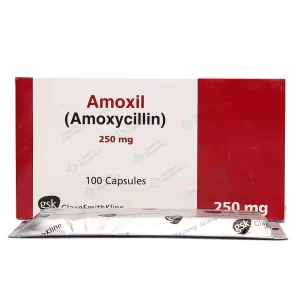
Amoxil
Price range: $ 40,00 through $ 170,00
Active substance: amoxicillin
More Details
This product has multiple variants. The options may be chosen on the product page
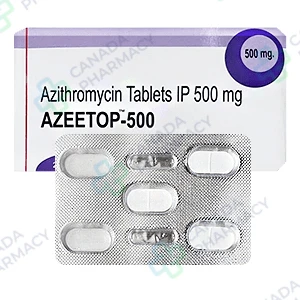
Azeetop
Price range: $ 40,00 through $ 250,00
Active substance: Azithromycin
More Details
This product has multiple variants. The options may be chosen on the product page
Azithromycin DT
Price range: $ 60,00 through $ 972,00
Active substance: Azithromycin
More Details
This product has multiple variants. The options may be chosen on the product page
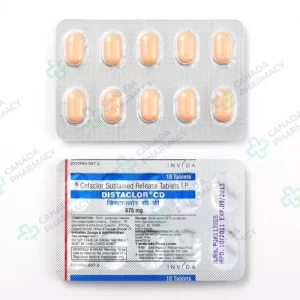
Ceclor CD
Price range: $ 53,00 through $ 154,00
Active substance: Cefaclor
More Details
This product has multiple variants. The options may be chosen on the product page
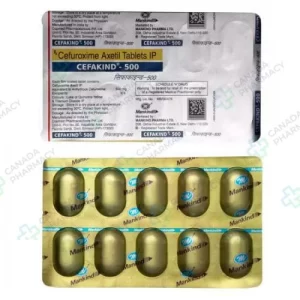
Ceftin
Price range: $ 38,00 through $ 386,00
Active substance: Cefuroxime
More Details
This product has multiple variants. The options may be chosen on the product page
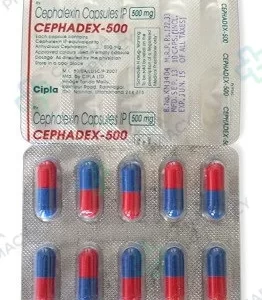
Cephalexin
Price range: $ 39,00 through $ 349,00
Active substance: cephalexin
More Details
This product has multiple variants. The options may be chosen on the product page
Cepmox
Price range: $ 41,00 through $ 115,00
Active substance: amoxicillin
More Details
This product has multiple variants. The options may be chosen on the product page
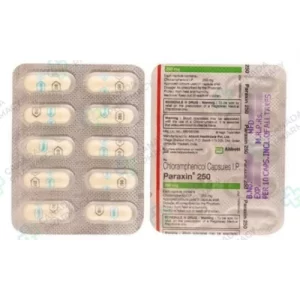
Chloromycetin
Price range: $ 52,00 through $ 242,00
Active substance: chloramphenicol
More Details
This product has multiple variants. The options may be chosen on the product page