

-8%
Himplasia
Price range: $ 55,00 through $ 210,00
Hsquin
Price range: $ 43,00 through $ 75,00
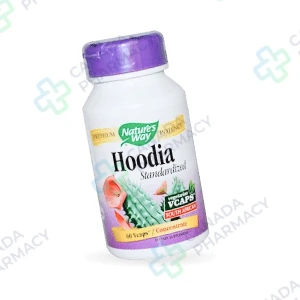
Hoodia
Price range: $ 80,00 through $ 294,00
Hoodia is a natural supplement derived from a succulent plant native to the Kalahari Desert, widely used for its effective weight management properties. This supplement is primarily designed to support appetite control by helping to reduce daily caloric intake through a sustained feeling of fullness. By working with the body’s natural signals, it assists individuals in maintaining their dietary goals more consistently. The active extracts in this formula provide a reliable way to manage hunger pangs and cravings during a weight loss journey. This high-quality preparation is an excellent addition for those looking to enhance their overall wellness and achieve a balanced lifestyle.
Active substance: oxypregnane steroidal glycoside
Delivery: 5–21 days (depending on the shipping method)
Extra 10% discount with coupon: IT4K6SVM
Each dosage option has its own packaging choices.
Description
Hoodia gordonii belongs to a category of dietary botanical products traditionally harvested in southern Africa and marketed as an appetite-suppressing agent. While consumer interest in natural weight-management supplements remains high, clinical evaluation of Hoodia reveals both potential mechanism-based effects and significant evidence gaps regarding safety and efficacy. In the United States, Hoodia products are regulated as dietary supplements rather than FDA-approved prescription medications.
Dispensed in accordance with applicable federal and state regulations, dietary supplements containing Hoodia do not require a prescription. However, consumers should evaluate clinical evidence carefully and discuss usage with a qualified healthcare provider to ensure safe implementation within their overall health routine.
| Attribute | Details |
|---|---|
| Product Name | Hoodia (Hoodia gordonii) |
| Active Constituent | P57 steroidal glycoside (botanical extract) |
| Classification | Dietary Supplement (Botanical) |
| Primary Purpose | Traditional appetite suppression support |
| Prescription Status | Dispensed in accordance with applicable federal and state regulations |
| Route of Administration | Oral |
Product Overview and Clinical Profile
How it works
Research suggests that Hoodia gordonii extracts contain steroidal glycosides, primarily a compound designated as P57. On one hand, animal laboratory models indicate that P57 may increase adenosine triphosphate (ATP) concentrations within hypothalamic neurons, sending signals that simulate satiety to the central nervous system. On the other hand, robust human pharmacological data demonstrating consistent central appetite suppression remains sparse. Unlike pharmaceuticals engineered for targeted receptor binding, crude botanical extracts of Hoodia contain multiple active constituents whose exact synergistic mechanisms are not fully characterized. Consequently, while the proposed satiety mechanism is biologically plausible, it lacks definitive verification in large-scale human clinical trials.
Main uses
In the United States, Hoodia is marketed under dietary supplement framework rather than as an FDA-approved drug for medical indications such as clinical obesity or metabolic disorders. Traditional use by indigenous populations in the Kalahari region focused on temporary hunger and thirst suppression during extended travel. Today, consumers primarily seek Hoodia preparations for non-medical weight management support and caloric intake reduction. However, it is essential to distinguish traditional herbal claims from FDA-approved therapeutic indications. Hoodia is not evaluated or approved by federal regulatory authorities to treat, cure, or prevent any metabolic disease, and any efficacy claims remain unproven by rigorous regulatory standards.
Dosing schedule
Because Hoodia is not an FDA-approved drug, there is no official standardized daily reference dose established by federal medical authorities. Commercial oral dosage forms typically include capsules, tablets, and liquid extracts, with suggested amounts ranging widely between 300 mg and 1000 mg taken prior to meals. On one hand, following manufacturer recommendations printed on product labels helps prevent excessive intake. On the other hand, the actual concentration of active P57 glycosides can vary significantly between raw botanical batches and commercial brands. Individuals considering Hoodia should consult a licensed healthcare professional to determine whether supplementation is appropriate for their specific health profile and daily intake routine.
What happens in the body
Comprehensive human pharmacokinetic parameters for Hoodia extracts–such as precise bioavailability, exact plasma half-life, and metabolic clearance routes–are not fully established in FDA-approved labeling. Clinical trials evaluating oral administration of P57 indicate that the compound undergoes intestinal absorption, but hepatic first-pass metabolism substantially alters its concentration in systemic circulation. Animal studies demonstrate that active glycosides reach peak tissue distribution within several hours after ingestion. Metabolic breakdown occurs primarily via hepatic pathways, followed by renal and biliary elimination. Because individual metabolic rates and gut microflora vary widely, systemic absorption efficiency differs substantially among users, presenting unpredictability in overall biological exposure.
Compatibility with other medicines
Combining Hoodia with prescribed pharmaceutical therapies requires caution due to potential physiological interactions. On one hand, preliminary laboratory observations suggest Hoodia may influence hepatic cytochrome P450 enzyme activity, potentially altering the metabolism of concurrent medications. On the other hand, direct clinical interaction studies remain limited. Patients taking anti-diabetic medications or insulin should exercise heightened vigilance, as Hoodia may alter blood glucose control or mask physiological hunger cues necessary for managing hypoglycemia. Additionally, combining Hoodia with antihypertensive agents or other dietary weight-loss supplements may unpredictably affect heart rate and blood pressure monitoring. Always review your complete medication list with a pharmacist or physician.
Adverse reactions
Reported adverse reactions associated with Hoodia consumption are generally mild to moderate but warrant careful attention. Commonly reported side effects include gastrointestinal discomfort, nausea, dry mouth, dizziness, and mild headaches. Clinical studies assessing standardized extracts noted occasional transient elevations in blood pressure and heart rate among certain study participants. Furthermore, laboratory monitoring in clinical settings identified potential transient increases in serum bilirubin and liver enzymes, indicating potential hepatic strain at elevated doses. Because Hoodia suppresses thirst perception along with appetite, users may unintentionally experience inadequate fluid intake, leading to mild dehydration. Discontinue use and consult a doctor if unexpected symptoms develop.
Safety Considerations and Usage
Important precautions
Important safety precautions must be observed before initiating Hoodia supplementation. Individuals with pre-existing cardiovascular conditions, including hypertension or arrhythmia, should refrain from use due to potential stimulant-like cardiovascular responses observed in clinical evaluations. Individuals diagnosed with diabetes mellitus or metabolic syndrome require close blood glucose monitoring, as alterations in dietary intake combined with supplement effects can complicate glycemic management. Furthermore, patients with baseline hepatic impairment or underlying liver disease should avoid Hoodia products, given reported elevations in hepatic enzymes during experimental trials. Healthcare providers in clinical settings like those in Texas or New York emphasize that dietary supplements should never replace medically supervised obesity management protocols.
What to avoid while taking it
When using Hoodia supplements, users should be mindful of dietary habits and concurrent substance intake. Consuming alcohol alongside Hoodia may exacerbate central nervous system side effects such as dizziness or lightheadedness, while potentially increasing hepatic metabolic workload. Additionally, because Hoodia may blunt thirst sensation, individuals should consciously maintain daily fluid intake rather than relying on natural thirst cues. Avoiding excessive caffeine or concomitant OTC stimulants is recommended to prevent compounding cardiovascular strain.
What you may notice early on
During the initial days of taking Hoodia, subjective experiences vary significantly between individuals. Some users report a modest reduction in appetite or snack cravings within several hours of oral administration. Conversely, others notice no perceptible shift in satiety or energy levels. Minor initial side effects, such as mild stomach discomfort or dry mouth, may manifest during early usage. It is important to evaluate daily caloric intake rationally rather than relying solely on subjective sensations.
Special populations
Safety during pregnancy and breastfeeding has not been clinically established; therefore, pregnant or lactating women should strictly avoid Hoodia products. Pediatric use is not recommended due to a lack of safety and efficacy data in children and adolescents. Elderly individuals, who frequently present with altered renal clearance and concurrent prescription medication regimens, should seek formal medical clearance before starting Hoodia to mitigate potential adverse drug interactions and metabolic complications.
Storage and expiration
Hoodia dietary supplement products should be stored in a cool, dry place away from direct sunlight and excessive humidity. Keep containers tightly sealed in temperatures between 59°F and 86°F (15°C to 30°C) to maintain stability of the botanical compounds. Always keep products out of the reach of children. Do not use supplements beyond the expiration date printed on the bottle packaging or if the inner security seal is damaged or missing upon purchase.
Common questions
How does Hoodia differ from FDA-approved weight-loss medications?
FDA-approved weight-loss medications undergo rigorous phase I–III clinical trials to demonstrate safety, efficacy, and precise mechanism of action before obtaining marketing authorization. In contrast, Hoodia is regulated as a botanical dietary supplement in the United States. It does not undergo FDA pre-market approval for efficacy, and its therapeutic claims are not validated by federal medical standards.
Can Hoodia cause hydration issues or affect thirst perception?
Yes, traditional observations and clinical reports indicate that Hoodia extracts may suppress thirst sensation in addition to hunger. Users who rely strictly on internal thirst signals may fail to consume adequate fluids throughout the day. Consciously maintaining daily fluid intake is necessary when consuming Hoodia products to avoid dehydration.
What should I do if I forget to take a scheduled dose of Hoodia?
If you skip a suggested dose, simply resume your regular schedule prior to your next planned meal. Do not double the dosage or take extra capsules to compensate for a missed amount, as excessive intake may increase the likelihood of gastrointestinal or cardiovascular side effects.
Is it safe to take Hoodia alongside prescription blood pressure medications?
Combining Hoodia with antihypertensive therapies requires caution and direct medical oversight. Some clinical evaluations have documented mild elevations in blood pressure and heart rate following Hoodia intake. This potential effect could counteract the efficacy of prescribed cardiovascular medications.
How long can Hoodia supplements be safely taken continuously?
Long-term safety data for continuous Hoodia usage in humans is lacking. Most clinical investigations have only evaluated short-term exposure lasting a few weeks. Extended continuous use is not advised without periodic medical monitoring of blood pressure, blood glucose, and liver enzyme levels.
This text is for informational purposes only and does not constitute individual medical advice.
In accordance with FDA requirements.
Additional information
| Dosage |
400mg 60caps |
|---|---|
| Package |
1 bottles ,2 bottles ,3 bottles ,4 bottles |
| Ενεργός Ουσία |
Related products
Ashwagandha
Price range: $ 53,00 through $ 204,00
Active substance: Ashwagandha
More Details
This product has multiple variants. The options may be chosen on the product page
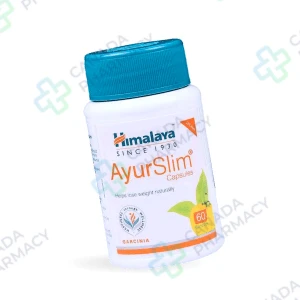
Ayurslim
Price range: $ 71,00 through $ 199,00
Active substance: Ayurslim
More Details
This product has multiple variants. The options may be chosen on the product page
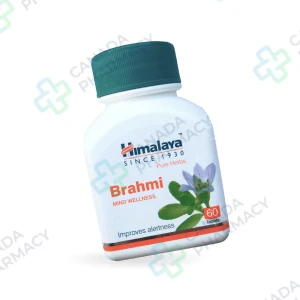
Brahmi
Price range: $ 53,00 through $ 206,00
Active substance: Brahmi
More Details
This product has multiple variants. The options may be chosen on the product page
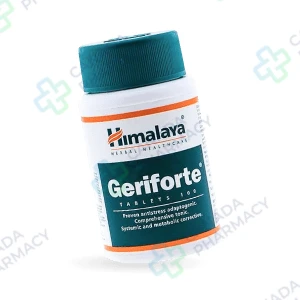
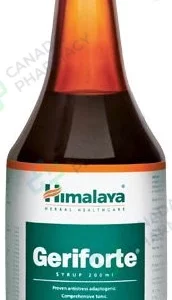
Geriforte Syrup
Price range: $ 41,00 through $ 246,00
Active substance: Geriforte Syrup
More Details
This product has multiple variants. The options may be chosen on the product page
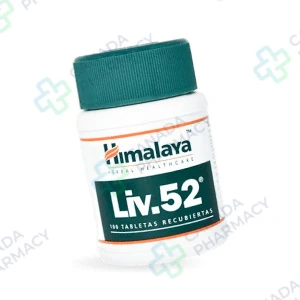
Liv.52
Price range: $ 55,00 through $ 118,00
Active substance: himsra kasani
More Details
This product has multiple variants. The options may be chosen on the product page
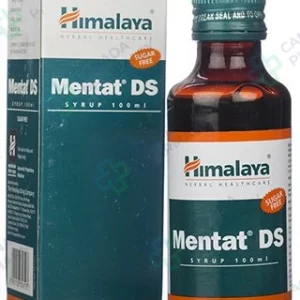
Mentat DS syrup
Price range: $ 49,00 through $ 341,00
Active substance: Brahmi
More Details
This product has multiple variants. The options may be chosen on the product page