-37%

Kamagra Super
Price range: $ 105,00 through $ 530,00
Keflex
Price range: $ 49,00 through $ 374,00
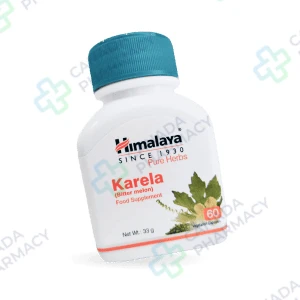
Karela
Price range: $ 63,00 through $ 79,00
Karela, commonly known as Bitter Melon, is a natural herbal supplement widely recognized for its ability to support healthy blood sugar levels already within a normal range. This potent botanical extract helps promote efficient glucose metabolism by enhancing the body’s natural response to insulin. Rich in essential antioxidants and nutrients, Karela provides vital support for overall metabolic wellness and long-term vitality. Its unique properties also assist in internal cleansing, helping to maintain healthy skin and a balanced digestive system. Incorporating Karela into your daily routine offers a time-tested, natural approach to achieving optimal metabolic health and energy.
Active substance: Normalized Karela Concentrate (Momordica charantia)
Delivery: 5–21 days (depending on the shipping method)
Extra 10% discount with coupon: IT4K6SVM
Each dosage option has its own packaging choices.
Description
Karela, derived from Momordica charantia (commonly known as bitter melon), belongs to a class of botanical dietary supplements historically utilized for metabolic support. In the United States, it is distributed as a dietary supplement regulated under federal dietary supplement guidelines rather than as an FDA-approved prescription pharmaceutical product.
This formulation is primarily referenced in integrative health practices to assist in maintaining glucose levels already within a normal range. As a botanical preparation, its dispensing and usage are governed in accordance with applicable federal and state dietary supplement regulations.
Product Overview and Botanical Profile
| Parameter | Specification |
|---|---|
| Drug name | Karela |
| Active ingredient | Momordica charantia extract |
| Therapeutic class | Botanical dietary supplement / Metabolic support |
| Dosage form | Oral capsule / tablet |
| Route of administration | Oral |
| Prescription status | Over-the-counter dietary supplement |
| Storage | Store at 68°F to 77°F (20°C to 25°C) in a dry place |
How the drug works
The active constituents of Karela include charantin, vicine, and a specific plant-derived insulin-like protein known as polypeptide-p. These phytochemical compounds exert metabolic actions through several distinct biological pathways. Polypeptide-p acts similarly to endogenous insulin, assisting in the facilitation of cellular glucose uptake in peripheral muscle and adipose tissues. Furthermore, extracts of Momordica charantia stimulate the enzyme AMP-activated protein kinase (AMPK), which promotes glucose transporter 4 (GLUT4) translocation to cell membranes. Additionally, active metabolites inhibit key hepatic enzymes involved in gluconeogenesis, such as glucose-6-phosphatase and fructose-1,6-bisphosphatase, thereby aiding in the suppression of excessive hepatic glucose output.
Main uses
Karela is primarily utilized as a dietary supplement intended to support healthy glucose metabolism and overall metabolic function in adults. Under United States federal law, specifically the Dietary Supplement Health and Education Act (DSHEA), botanical dietary supplements are not evaluated or approved by the Food and Drug Administration (FDA) to diagnose, treat, cure, or prevent any medical condition, including Type 1 or Type 2 diabetes mellitus. It is frequently incorporated into dietary wellness regimens alongside lifestyle modifications, such as nutritional adjustments and physical exercise. Patients seeking complementary metabolic support utilize this formulation to maintain blood sugar levels that are already within normal parameters.
Dosing schedule
The dosage of Karela varies based on the extract concentration and specific formulation provided by dietary supplement manufacturers. Standard adult administration typically involves taking 500 mg to 1,000 mg daily, divided into two separate doses taken orally with meals. Administration alongside food is recommended to optimize gastrointestinal tolerance and minimize the likelihood of localized gastric irritation or sharp fluctuations in blood glucose. The exact dose is determined individually based on patient tolerance and health goals. Pediatric dosing schedules have not been established through clinical trials; consequently, use in children should only occur under direct healthcare provider oversight.
How it’s absorbed and eliminated
Because Karela contains a complex mixture of active phytochemical constituents, its pharmacokinetic profile reflects the absorption, metabolism, and elimination of multiple molecules. Charantin and polypeptide-p undergo partial degradation within the gastrointestinal tract before systemic absorption occurs. Plasma half-life and bioavailability vary significantly between individuals based on gastrointestinal motility, enzymatic activity, and specific formulation factors. Hepatic metabolism via Cytochrome P450 pathways processes secondary metabolites. Excretion of unabsorbed constituents occurs primarily through the gastrointestinal tract via feces, whereas systemic metabolic byproducts are eliminated predominantly through renal excretion in urine.
Compatibility with other medicines
Co-administration of Karela with anti-diabetic medications presents significant metabolic considerations. When taken concurrently with prescription hypoglycemic agents–including insulin, metformin, sulfonylureas (such as glipizide or glyburide), or thiazolidinediones–Karela may exert additive blood-glucose-lowering effects, substantially increasing the risk of hypoglycemia. Additionally, caution is advised when combining Karela with other herbal supplements known to affect glucose homeostasis, such as chromium, cinnamon, or fenugreek. Potential interactions with medications metabolized by hepatic enzymes (including CYP3A4 and CYP2C9) may alter systemic clearance rates of concomitant pharmaceuticals.
Adverse reactions
Karela is generally tolerated by most individuals, but adverse reactions may occur during therapy. Common side effects primarily involve the gastrointestinal tract, including abdominal discomfort, flatulence, nausea, gastric cramps, and loose stools or diarrhea. More significant adverse effects include severe hypoglycemia, particularly when taken in conjunction with prescription anti-diabetic agents. Rare reports indicate potential hepatotoxicity at excessively high doses, manifested by elevated liver enzyme levels. Hypersensitivity reactions, such as localized cutaneous rash, urticaria, or pruritus, may also develop. Individuals with glucose-6-phosphate dehydrogenase (G6PD) deficiency risk developing hemolytic anemia if seeds or concentrated seed extracts are consumed.
Important precautions
Prior to initiating supplementation with Karela, patients must consider key clinical precautions. Individuals with underlying hepatic dysfunction, severe renal impairment, or diagnosed glucose-6-phosphate dehydrogenase (G6PD) deficiency should avoid use or exercise extreme caution. Patients scheduled for elective surgical procedures must discontinue Karela at least 14 days prior to surgery due to potential interference with intraoperative and postoperative blood glucose control during anesthesia. Continuous monitoring of capillary blood glucose is recommended for patients with glycemic instability. Healthcare providers should review all active supplement regimens to evaluate safety profiles and prevent unexpected biochemical interactions.
What to avoid while taking it
Patients taking Karela should exercise caution regarding alcohol consumption. Ethyl alcohol can exert unpredictable effects on blood glucose levels and impair hepatic gluconeogenesis, thereby heightening the risk of acute hypoglycemia when combined with metabolic supplements. Concurrent intake of excessive refined sugars or high-glycemic foods may counteract the metabolic support offered by the botanical extract. Patients should also avoid combining multiple non-standardized botanical extracts that target glucose regulation without prior professional medical consultation.
If you skip a dose
If a planned dose of Karela is missed, it should be taken as soon as remembered, provided it is taken with a scheduled meal or snack. If the time of recollection is close to the next scheduled dose, the missed dose should be omitted completely, and the regular dosing schedule resumed. Patients should never double the dose or take extra capsules to compensate for a missed administration, as this increases the likelihood of gastrointestinal distress or sudden drops in blood glucose.
Special populations
The safety profile of Karela requires special evaluation in specific patient groups. Preclinical studies indicate potential abortifacient and emmenagogue properties; therefore, Karela is strictly contraindicated during pregnancy due to risks of uterine contractions and fetal distress. Nursing mothers should avoid use due to insufficient data regarding constituent excretion into human breast milk. Pediatric safety and dosage guidelines have not been established. Elderly patients may exhibit increased sensitivity to glucose-lowering effects and should begin supplementation at lower doses with regular blood glucose surveillance.
What to ask your provider
Before introducing Karela into a daily health regimen, patients should prepare specific questions for their physician or pharmacist. Relevant inquiries include asking whether Karela interacts with current prescription medications, what blood glucose targets are appropriate, how frequently glycemic monitoring should occur, what initial dosage form is recommended, and what specific protocol should be followed if mild hypoglycemic symptoms arise during daily activities.
Common Questions
Can Karela be combined with prescription diabetes medications?
Combining Karela with prescription anti-diabetic medications, such as metformin, glipizide, or insulin, requires close medical supervision. Because both the botanical extract and prescription pharmaceuticals reduce blood glucose levels, concurrent administration can cause an additive hypoglycemic effect. Patients who wish to use Karela alongside prescription therapies must monitor their blood glucose closely under the guidance of a healthcare professional. Adjustments to prescription medication dosages may be necessary to prevent blood sugar from dropping below safe levels.
Why must Karela be discontinued before scheduled surgical procedures?
Patients are advised to stop taking Karela at least two weeks prior to any scheduled surgical procedure. Botanical extracts that influence carbohydrate metabolism can interfere with blood glucose control during and after surgery. Anesthesia and surgical stress alter metabolic demands, and active supplement constituents can complicate intraoperative glucose management. Discontinuing the supplement in advance allows active compounds to clear the system, ensuring predictable glycemic control during the perioperative period.
What are the symptoms of hypoglycemia to monitor for during use?
When taking supplements that support glucose clearance, patients should remain aware of potential hypoglycemic symptoms. Early warning signs of low blood sugar include shakiness, dizziness, sweating, unexplained fatigue, rapid heartbeat, anxiety, or confusion. If mild symptoms occur, consuming a fast-acting carbohydrate, such as fruit juice or glucose tablets, can help restore normal glucose levels. Persistent or severe symptoms warrant immediate medical evaluation and temporary discontinuation of the supplement.
Is Karela safe to consume during pregnancy or breastfeeding?
Karela is not recommended for use during pregnancy or while breastfeeding. Phytochemical components within Momordica charantia extracts, particularly compounds isolated from the seeds and pericarp, have demonstrated uterine-stimulating and potential abortifacient properties in scientific literature. Due to the risk of inducing uterine contractions or adverse developmental effects, pregnant women should strictly avoid this supplement. Clinical data regarding transfer into human milk are lacking; thus, lactating mothers should refrain from use.
In accordance with FDA requirements, statements regarding dietary supplements have not been evaluated by the Food and Drug Administration. This text is for informational purposes only and does not constitute individual medical advice.
Additional information
| Dosage |
250 mg |
|---|---|
| Package |
180 pills ,360 pills |
| Ενεργός Ουσία |
Related products
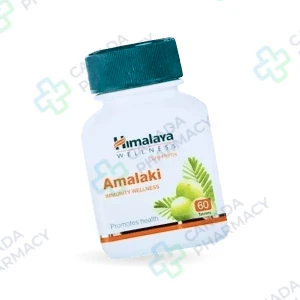
Amalaki
Price range: $ 42,00 through $ 72,00
Active substance: Amalaki (Emblica officinalis) Extract
More Details
This product has multiple variants. The options may be chosen on the product page
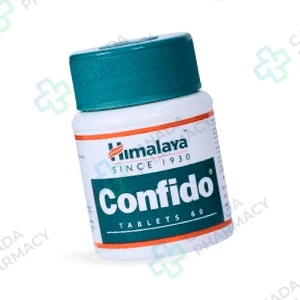
Confido
Price range: $ 53,00 through $ 203,00
Active substance: Confido
More Details
This product has multiple variants. The options may be chosen on the product page
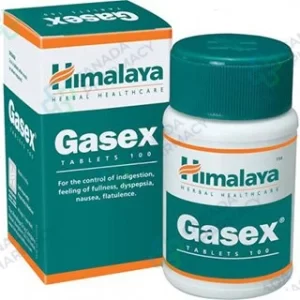
Gasex
Price range: $ 40,00 through $ 241,00
Active substance: Gasex
More Details
This product has multiple variants. The options may be chosen on the product page
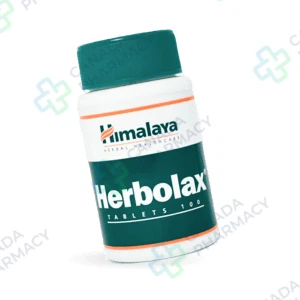
Herbolax
Price range: $ 50,00 through $ 83,00
Active substance: Chebulic Myrobalan, Trivruth
More Details
This product has multiple variants. The options may be chosen on the product page
Himcolin
$ 57,00
Active substance: Himcolin
More Details
This product has multiple variants. The options may be chosen on the product page
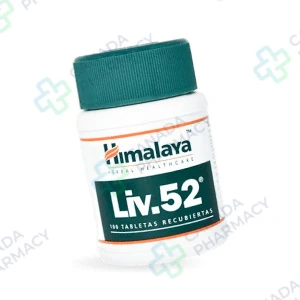
Liv.52
Price range: $ 55,00 through $ 118,00
Active substance: himsra kasani
More Details
This product has multiple variants. The options may be chosen on the product page
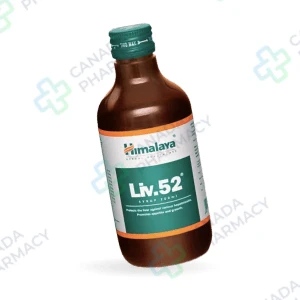
Liv.52 Syrup
$ 60,00
Active substance: Chicory, The Caper Bush
More Details
This product has multiple variants. The options may be chosen on the product page