

-80%
Yasmin
Price range: $ 63,00 through $ 223,00

Zantac
Price range: $ 28,00 through $ 89,00
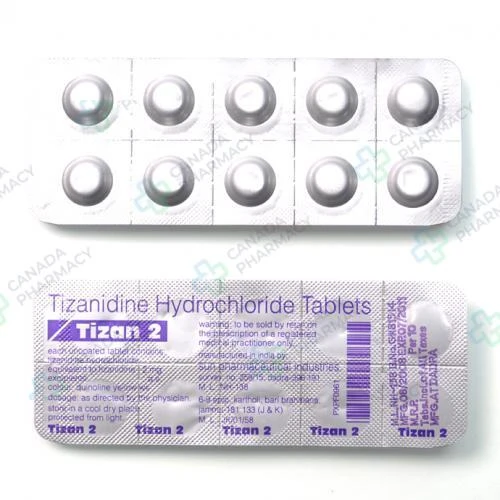
Zanaflex
Price range: $ 40,00 through $ 285,00
Zanaflex is a fast-acting muscle relaxant specifically formulated to manage the symptoms of muscle spasticity. This medication is commonly used to treat increased muscle tone and cramping associated with conditions like multiple sclerosis or spinal cord injuries. By temporarily blocking nerve impulses that cause muscle tightness, it helps restore flexibility and reduces physical discomfort. The targeted therapeutic action of tizanidine allows for improved ease of movement and better control over involuntary muscle contractions. This effective treatment provides reliable relief for those seeking to manage acute stiffness and enhance their overall quality of life.
Active substance: Tizanidine
Delivery: 5–21 days (depending on the shipping method)
Extra 10% discount with coupon: IT4K6SVM
Each dosage option has its own packaging choices.
Description
Zanaflex belongs to a class of medications known as central alpha-2 adrenergic agonists. It is an FDA-approved prescription medication indicated primarily for the management of muscle spasticity associated with neurological conditions such as multiple sclerosis or spinal cord injuries.
Because Zanaflex exerts potent physiological effects on muscle tone, blood pressure, and central nervous system function, treatment must be initiated and monitored strictly by a licensed healthcare provider. Understanding how to take this drug safely and recognizing potential adverse effects is essential for avoiding severe drug interactions, profound low blood pressure, and hepatic toxicity.
| Parameter | Clinical Details |
|---|---|
| Active Ingredient | Tizanidine hydrochloride |
| Therapeutic Class | Central alpha-2 adrenergic agonist |
| Prescription Status | Prescription only (Rx) |
| Dosage Form | Oral tablets, oral capsules |
| Primary Purpose | Management of muscle spasticity |
| Route of Administration | Oral |
Safety Profile and Core Pharmacology
How the Drug Works
Zanaflex acts as an agonist at central presynaptic alpha-2 adrenergic receptors. By stimulating these specific receptors in the spinal cord, tizanidine reduces the presynaptic release of excitatory amino acids, such as glutamate and aspartate, from spinal interneurons. This action inhibits polysynaptic reflex pathways that are responsible for excessive muscle contraction and increased muscle tone.
The therapeutic objective of Zanaflex is to decrease spasticity without causing complete loss of muscle strength needed for daily mobility. Peak clinical effects on muscle tone typically occur within 1 to 2 hours following an oral dose and diminish over 3 to 6 hours. Consequently, doses are timed around specific activities when spasticity relief is most clinically necessary.
Important Precautions
Warning: Zanaflex poses serious safety risks that require rigorous clinical oversight. One primary concern is liver injury. Hepatotoxicity, including liver transaminase (ALT and AST) elevations greater than three times the upper limit of normal, has been reported during clinical investigations. Baseline liver function testing is recommended prior to starting therapy, followed by periodic monitoring at 1 month, 3 months, and 6 months, or as directed by a prescriber.
Another major risk is severe hypotension (dangerously low blood pressure). Because tizanidine is an alpha-2 adrenergic agonist, it can lower systemic blood pressure, leading to dizziness, lightheadedness, or syncope (fainting). Patients must never abruptly stop taking Zanaflex after chronic use. Sudden cessation–especially at daily doses of 20 mg to 36 mg used over prolonged periods–can precipitate a severe withdrawal syndrome characterized by rebound hypertension, tachycardia (rapid heart rate), hypertonia, and tremor. Tapering the dose gradually under medical supervision is mandatory when discontinuing therapy.
What Not to Combine
Warning: Concomitant use of Zanaflex with potent CYP1A2 inhibitors is strictly contraindicated. Co-administration with drugs such as fluvoxamine or ciprofloxacin causes dramatic increases in tizanidine plasma concentrations. Higher blood concentrations significantly multiply the risk of profound hypotension, marked sedation, and impaired psychomotor performance.
Caution is also required when combining Zanaflex with moderate CYP1A2 inhibitors, including oral contraceptives, fluoroquinolones (such as levofloxacin), cimetidine, or certain antiarrhythmic agents. In addition, taking Zanaflex alongside other central nervous system depressants–such as alcohol, benzodiazepines, opioids, or sedating antihistamines–compounds central depression, causing extreme drowsiness and respiratory slowdown. Blood pressure-lowering agents (antihypertensives) combined with Zanaflex can exacerbate hypotensive episodes.
What Happens in the Body (Pharmacokinetics)
Following oral administration, Zanaflex is rapidly and almost completely absorbed. Peak plasma levels occur approximately 1 hour after ingestion. The mean elimination half-life of tizanidine is short, lasting approximately 2.5 hours, which explains its brief duration of action and requirement for multiple daily doses when continuous relief is needed.
Tizanidine undergoes extensive first-pass hepatic metabolism, primarily driven by the cytochrome P450 1A2 (CYP1A2) enzyme system. Less than 3% of an unchanged dose is excreted in the urine. Food significantly alters the pharmacokinetic profile of Zanaflex, but the effect depends on whether the capsule or tablet formulation is taken. Administration of Zanaflex capsules with food increases peak plasma concentration by approximately 30% and overall absorption extent by 20%, whereas food slightly delays tablet absorption.
Main Uses
Zanaflex is FDA-approved specifically for the reduction of muscle spasticity. Spasticity is a neuromuscular condition characterized by stiff or tight muscles, exaggerated reflexes, and involuntary muscle spasms resulting from damage to brain or spinal cord pathways. It is most commonly prescribed for patients experiencing spasticity due to multiple sclerosis, spinal cord trauma, or vascular brain injuries.
Any use of Zanaflex for conditions outside of FDA-approved spasticity management–such as acute lower back muscle strain, tension headaches, or fibromyalgia–is considered an off-label use. Off-label prescribing must be evaluated carefully by a physician based on individual risk-benefit profiles, particularly given the drug’s hypotensive and sedative potential.
Adverse Reactions
Adverse effects associated with Zanaflex occur frequently and are often dose-dependent. The most common adverse reactions reported in controlled clinical trials include dry mouth, somnolence (drowsiness), asthenia (physical weakness), and dizziness.
Less common but clinically serious side effects include severe hypotension, bradycardia (abnormally slow heart rate), hallucinations, and liver enzyme elevations. Patients experiencing confusion, visual hallucinations, severe abdominal pain, yellowing of the skin or eyes (jaundice), or severe lightheadedness should consult their physician without delay.
Dosing, Daily Use, and Frequently Asked Questions
Dosing Schedule
Dosing of Zanaflex must be individualized to achieve therapeutic efficacy while minimizing adverse effects. Treatment typically begins with a low single dose of 2 mg or 4 mg, slowly titrated upward in increments of 2 mg to 4 mg per dose as clinically evaluated by the prescriber. Doses may be repeated at 6- to 8-hour intervals, up to a maximum of three doses in a 24-hour period.
The maximum recommended single dose is 8 mg, and the maximum total daily dose is 36 mg. Patients must follow their prescriber’s exact instructions and never adjust their dose independently. Because switching between taking Zanaflex with food versus on an empty stomach alters blood levels, patients should establish a consistent routine regarding meals.
What to Avoid While Taking It
Never consume alcohol while taking Zanaflex. Alcohol significantly increases the plasma concentration of tizanidine, worsening drowsiness, motor impairment, and hypotension. Patients must also avoid driving, operating heavy machinery, or engaging in hazardous tasks until they fully understand how Zanaflex affects their alertness and physical coordination.
Additionally, patients should avoid switching back and forth between Zanaflex tablets and Zanaflex capsules without explicit physician guidance, as food effects vary between these oral dosage forms and can alter bioavailability.
Practical Tips for Daily Use
Take each dose with a full glass of water. If you are prescribed Zanaflex for specific functional goals–such as morning mobility or night-time muscle spasms that disturb sleep–align your dosing schedule strictly with your prescriber’s recommendations. Maintain a record of your blood pressure readings if advised by your provider, especially when starting treatment or increasing the dose.
What to Ask Your Provider
Before starting Zanaflex, discuss your full medical history with your prescriber. Essential questions include:
- How will this medication interact with my current prescription and over-the-counter drugs?
- When should I schedule follow-up blood tests to check my liver function?
- What blood pressure readings indicate that I should contact your office?
- How should I safely taper off this medication if we decide to discontinue it?
Red Flags (When to Seek Help Immediately)
| Symptom / Red Flag | Immediate Action Required |
|---|---|
| Swelling of face, lips, tongue, or throat; severe rash | Seek emergency medical attention (possible severe allergic reaction). |
| Fainting, severe dizziness, or extreme lightheadedness | Sit or lie down immediately; seek urgent medical evaluation for severe hypotension. |
| Yellowing of eyes/skin (jaundice), dark urine, persistent nausea | Contact your provider immediately to evaluate for severe liver toxicity. |
| Hallucinations, acute confusion, or severe mental changes | Seek immediate medical evaluation. |
| Unusually slow heart rate (bradycardia) combined with severe lethargy | Seek emergency medical care. |
Common Questions
What happens if Zanaflex is suddenly stopped after regular use?
Never stop Zanaflex abruptly if you have been taking it regularly. Abrupt discontinuation can trigger a dangerous withdrawal reaction consisting of severe blood pressure spikes (rebound hypertension), rapid heart rate (tachycardia), increased muscle tightness, and tremors. If the drug must be discontinued, your prescriber will design a safe, gradual reduction schedule.
Is it safe to switch between taking Zanaflex with meals and on an empty stomach?
No. Taking Zanaflex with food significantly alters how the drug is absorbed compared to taking it on an empty stomach, and these effects differ between tablets and capsules. Alternating between fed and fasted states can cause unpredictable fluctuations in drug levels, leading to unexpected side effects or reduced efficacy. Choose one method and maintain it consistently unless your doctor instructs otherwise.
How does Zanaflex differ from other muscle relaxants regarding blood pressure?
Because Zanaflex is a central alpha-2 adrenergic agonist (pharmacologically related to blood pressure drugs like clonidine), it inherently lowers blood pressure and heart rate. Many other muscle relaxants work through different central pathways that do not carry this specific hypotensive cardiovascular effect to the same degree.
What should be done if a dose of Zanaflex is missed?
If you miss a dose, take it only if your spasticity requires it and if your next scheduled dose is several hours away. Never take two doses at once to make up for a missed dose. Double-dosing increases the risk of severe hypotension and excessive sedation.
Can Zanaflex cause liver damage?
Yes, Zanaflex carries a risk of liver injury (hepatotoxicity), including significant elevations in liver enzymes. Most cases are asymptomatic and resolve upon discontinuation, but severe cases can occur. This is why prescribers order baseline blood tests and periodic monitoring of liver function during treatment.
Information on this page is for reference and does not replace an assessment by a licensed healthcare professional. In accordance with FDA requirements.
Additional information
| Dosage |
2mg |
|---|---|
| Package |
10 pills ,20 pills ,30 pills ,60 pills ,90 pills ,120 pills ,180 pills ,270 pills ,360 pills |
| Ενεργός Ουσία |
Related products
Imuran
Price range: $ 29,00 through $ 302,00
Active substance: Azathioprine
More Details
This product has multiple variants. The options may be chosen on the product page

Nimotop
Price range: $ 40,00 through $ 338,00
Active substance: Nimodipine
More Details
This product has multiple variants. The options may be chosen on the product page
Pletal
Price range: $ 41,00 through $ 434,00
Active substance: Cilostazol
More Details
This product has multiple variants. The options may be chosen on the product page
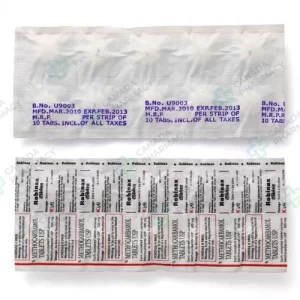
Robaxin
Price range: $ 40,00 through $ 150,00
Active substance: Methocarbamol
More Details
This product has multiple variants. The options may be chosen on the product page

Rumalaya
Price range: $ 51,00 through $ 206,00
Active substance: Rumalaya
More Details
This product has multiple variants. The options may be chosen on the product page
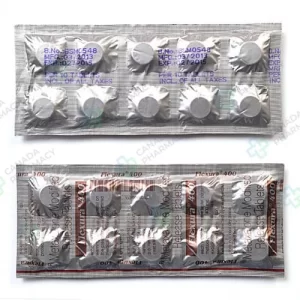
Skelaxin
Price range: $ 74,00 through $ 417,00
Active substance: Metaxalone
More Details
This product has multiple variants. The options may be chosen on the product page

Tizacare
Price range: $ 40,00 through $ 285,00
Active substance: Tizanidine
More Details
This product has multiple variants. The options may be chosen on the product page

Voveran
Price range: $ 44,00 through $ 150,00
Active substance: Voveran
More Details
This product has multiple variants. The options may be chosen on the product page