

-64%
Vilitra
Price range: $ 72,00 through $ 513,00
Voveran
Price range: $ 44,00 through $ 150,00
Viramune
Price range: $ 50,00 through $ 324,00
Viramune is a highly effective antiretroviral medication used as part of a comprehensive combination therapy to treat HIV-1 infection. As a non-nucleoside reverse transcriptase inhibitor (NNRTI), it works by blocking the specific enzyme that the virus requires to replicate within the body. By significantly lowering the amount of HIV in the bloodstream, this treatment helps maintain a stronger immune system and reduces the risk of related health complications. The medication is specifically designed to be used in conjunction with other HIV medicines to ensure the highest level of viral suppression. This reliable therapy serves as a foundational component for individuals focused on the long-term management of HIV-1.
Active substance: Nevirapine
Delivery: 5–21 days (depending on the shipping method)
Extra 10% discount with coupon: IT4K6SVM
Each dosage option has its own packaging choices.
Description
Viramune belongs to a class of antiretroviral medications known as non-nucleoside reverse transcriptase inhibitors (NNRTIs). It is prescribed under federal regulations for the treatment of human immunodeficiency virus type 1 (HIV-1) infection as part of a combination antiretroviral regimen.
Proper administration under qualified medical supervision is critical to minimize safety risks and prevent the development of viral resistance. Patients must adhere strictly to prescribed dosing protocols, routine laboratory monitoring, and safety warnings throughout treatment.
| Key Parameter | Details |
|---|---|
| Active Ingredient | Nevirapine |
| Therapeutic Class | Non-Nucleoside Reverse Transcriptase Inhibitor (NNRTI) |
| Prescription Status | Dispensed in accordance with applicable federal and state regulations |
| Primary Purpose | Treatment of HIV-1 infection (in combination with other antiretrovirals) |
| Dosage Form | Oral tablet, extended-release tablet, oral suspension |
| Storage Conditions | Store at 20°C to 25°C (68°F to 77°F) |
Essential Prescribing Information and Safety Overview
Main uses
Viramune is indicated for the treatment of HIV-1 infection in combination with other antiretroviral agents. It is not indicated as monotherapy, as single-agent use rapidly leads to the emergence of drug resistance. Therapeutic regimens containing Viramune aim to suppress viral replication, increase CD4 T-cell counts, and lower the risk of clinical disease progression. Treatment decision-making depends on individual patient factors, prior antiretroviral exposure, and baseline viral load. Viramune does not cure HIV-1 infection or prevent the transmission of HIV to others through sexual contact or blood contamination.
How the drug works
The active ingredient in Viramune, nevirapine, functions by directly binding to the reverse transcriptase enzyme of HIV-1. This enzyme is essential for converting viral single-stranded RNA into double-stranded DNA prior to integration into the host cell genome. Nevirapine attaches adjacent to the catalytic site of reverse transcriptase, inducing a conformational change that disrupts the enzyme’s active center. This non-competitive inhibition halts viral DNA synthesis. Viramune is specifically active against HIV-1 and does not inhibit HIV-2 reverse transcriptase or human DNA polymerases.
Dosing schedule
Strict adherence to the recommended dosing schedule is essential to mitigate severe toxicities. Treatment begins with an initial lead-in dose of 200 mg once daily for the first 14 days. Warning: The 14-day lead-in period must be observed without exception, as it significantly reduces the frequency of serious cutaneous reactions. Following the 14-day lead-in phase, and provided no rash or liver toxicity occurs, dosing is increased to the maintenance dose of 200 mg twice daily for immediate-release formulations or 400 mg once daily for extended-release formulations. If treatment is interrupted for more than seven consecutive days, re-initiation must restart with the 14-day lead-in regimen.
What happens in the body
After oral administration, nevirapine is readily absorbed with an absolute bioavailability exceeding 90%. Peak plasma concentrations are typically achieved within 4 hours following a single oral dose. Nevirapine crosses the blood-brain barrier and placenta, displaying broad tissue distribution. It is extensively metabolized in the liver by the cytochrome P450 enzyme system, predominantly CYP3A4 and CYP2B6. Nevirapine induces its own metabolism; consequently, its terminal elimination half-life decreases from approximately 45 hours after a single dose to roughly 25 to 30 hours following multiple dosing over two weeks. Excretion occurs primarily via renal clearance of metabolites, with less than 3% excreted unchanged in urine.
Important precautions
Warning: Viramune carries critical warnings regarding severe, life-threatening hepatotoxicity and fatal skin reactions. The risk of severe hepatic events is highest during the first 18 weeks of therapy. Female patients and individuals with higher baseline CD4 counts–specifically females with CD4 counts greater than 250 cells/mm³ and males with CD4 counts greater than 400 cells/mm³–face a significantly elevated risk of symptomatic hepatic adverse events. Intensive clinical and laboratory monitoring, including liver function tests at baseline, at 2, 4, 8, and 12 weeks, and periodically thereafter, is mandatory. Treatment must be discontinued permanently if severe liver injury or severe cutaneous eruptions develop.
Adverse reactions
The most frequent adverse reactions associated with Viramune therapy include rash, fever, nausea, fatigue, headache, and elevated liver transaminases. Cutaneous eruptions typically present as maculopapular erythematous rashes during the initial 6 weeks of treatment. While mild to moderate rashes may resolve with continued therapy, severe reactions such as Stevens-Johnson syndrome (SJS) or toxic epidermal necrolysis (TEN) can occur and demand immediate medical intervention. Gastrointestinal symptoms like diarrhea and abdominal pain are also reported. Hepatic toxicity ranging from asymptomatic transaminase elevations to clinical hepatitis and hepatic failure remains a major safety concern requiring diligent surveillance.
Clinical Considerations and Practical Guidance
What not to combine
Nevirapine acts as an inducer of hepatic CYP3A4 and CYP2B6 enzymes, which can significantly lower plasma concentrations of co-administered drugs metabolized by these pathways. Warning: Never combine Viramune with protease inhibitors such as atazanavir, ketoconazole, or certain hormonal contraceptives without specialized medical adjustment, as subtherapeutic exposure or treatment failure may result. Co-administration with rifampin is generally avoided due to substantial reductions in nevirapine concentration. Additionally, St. John’s wort (Hypericum perforatum) must not be combined with Viramune, as it induces cytochrome P450 enzymes and reduces nevirapine therapeutic levels.
Red flags
Warning: Immediate emergency medical evaluation is mandatory if signs of severe cutaneous or systemic adverse events develop. Patients must seek emergency care at the first sign of a generalized rash accompanied by systemic symptoms such as fever, blistering, mouth sores, facial swelling, or conjunctivitis. Symptoms suggestive of severe liver injury–including yellowing of the skin or eyes (jaundice), dark urine, pale stools, severe right upper quadrant abdominal pain, or unexplained fatigue–require urgent discontinuation of the drug and immediate medical assessment.
| Emergency Symptom | Action Required |
|---|---|
| Severe skin rash with fever or blistering | Seek immediate emergency care; discontinue medication as advised |
| Jaundice (yellow eyes/skin) or dark urine | Seek emergency evaluation; potential liver toxicity |
| Swelling of the face, lips, tongue, or throat | Obtain immediate emergency medical intervention |
| Severe upper right abdominal pain or severe nausea | Contact emergency services immediately |
| High fever accompanied by marked malaise | Seek urgent medical assessment |
What to avoid while taking it
Viramune may be taken with or without food, as food intake does not significantly alter drug absorption. However, patients should refrain from excessive alcohol consumption during treatment. Alcohol increases metabolic strain on the liver and may compound the risk of hepatic toxicity associated with nevirapine therapy. Furthermore, patients should avoid over-the-counter herbal supplements such as St. John’s wort, which accelerate drug clearance and risk antiviral failure.
If you skip a dose
Maintaining a consistent daily schedule is vital for suppressing viral replication. If a regular dose is missed, take it as soon as remembered, unless it is nearly time for the next scheduled dose. Never double the dose to compensate for a skipped tablet. Warning: If therapy is interrupted for more than 7 consecutive days, do not resume the full maintenance dose directly. Contact your healthcare provider immediately, as treatment must be restarted using the 14-day lead-in dosing schedule of 200 mg once daily to reduce the risk of severe drug reactions.
Storage and expiration
Store Viramune tablets and oral suspension at controlled room temperature, ideally between 20°C and 25°C (68°F to 77°F), with excursions permitted between 15°C and 30°C (59°F to 86°F). Keep the medication in its original container, tightly closed, and protected from excessive moisture and heat. Do not store in bathroom cabinets subject to humidity. Always verify the expiration date printed on the packaging and safely discard any expired or unused medication in accordance with local drug disposal guidelines. Keep out of reach of children.
Common questions
Why is there a 14-day lead-in dosing period when starting Viramune?
The 14-day lead-in period (200 mg once daily) allows the body to adapt to nevirapine and lowers the incidence of severe skin rashes. During this timeframe, nevirapine slowly induces its own metabolism. Skipping this initial step significantly raises the risk of life-threatening cutaneous reactions such as Stevens-Johnson syndrome.
What should I do if I develop a skin rash during the lead-in period?
Warning: If a rash develops during the initial 14-day lead-in period, do not increase the dose to the maintenance schedule. Contact your healthcare provider immediately for medical evaluation. Dosing must not be escalated until the rash completely resolves, and in cases of severe rash accompanied by systemic symptoms, therapy must be stopped permanently.
Can Viramune interact with hormonal birth control?
Yes. Nevirapine increases the hepatic metabolism of estrogen and progestin hormones contained in oral, transdermal, or implantable contraceptives. This interaction reduces contraceptive efficacy and increases the risk of unintended pregnancy. Patients should discuss alternative non-hormonal barrier methods of contraception with their provider.
What happens if treatment is interrupted for more than a week?
If treatment is paused for longer than seven consecutive days, the body’s enzyme induction resets. Resuming treatment directly at the maintenance dose creates a high risk of toxic cutaneous reactions. Patients must contact their physician to restart therapy using the 14-day lead-in regimen of 200 mg once daily before resuming full maintenance dosing.
Is routine blood testing required while taking Viramune?
Yes, regular laboratory monitoring is mandatory. Blood tests to evaluate liver function (ALT, AST, bilirubin) and assess HIV viral load and CD4 cell counts must be conducted prior to initiating treatment, at regular intervals during the first 18 weeks, and periodically throughout long-term therapy.
This text is for informational purposes only and does not constitute individual medical advice. In accordance with FDA requirements.
Additional information
| Dosage |
200mg |
|---|---|
| Package |
20 pills ,30 pills ,60 pills ,90 pills ,120 pills ,180 pills ,270 pills ,360 pills |
| Ενεργός Ουσία |
Related products
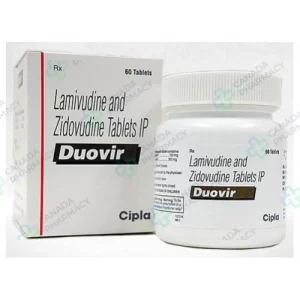
Combivir
Price range: $ 86,00 through $ 513,00
Active substance: lamivudine, Zidovudine
More Details
This product has multiple variants. The options may be chosen on the product page
Epivir
Price range: $ 71,00 through $ 298,00
Active substance: lamivudine
More Details
This product has multiple variants. The options may be chosen on the product page
Indinavir
Price range: $ 123,00 through $ 187,00
Active substance: Indinavir Sulphate
More Details
This product has multiple variants. The options may be chosen on the product page
Kaletra
More Details
This product has multiple variants. The options may be chosen on the product page
Retrovir
Price range: $ 62,00 through $ 1 386,00
Active substance: Zidovudine
More Details
This product has multiple variants. The options may be chosen on the product page
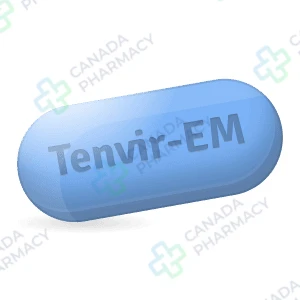
Tenvir-EM
Price range: $ 82,00 through $ 219,00
Active substance: Emtricitabine, Tenofovir Disoproxil Fumarate
More Details
This product has multiple variants. The options may be chosen on the product page
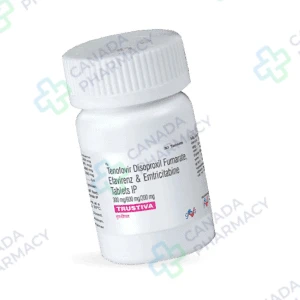
Trustiva
Price range: $ 296,00 through $ 703,00
More Details
This product has multiple variants. The options may be chosen on the product page
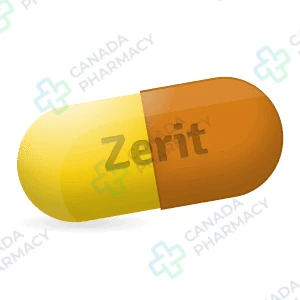
Zerit
Price range: $ 21,00 through $ 101,00
Active substance: Stavudine
More Details
This product has multiple variants. The options may be chosen on the product page