

-21%

Triphala
Price range: $ 7,00 through $ 18,00

Tugain Gel
Price range: $ 27,00 through $ 91,00
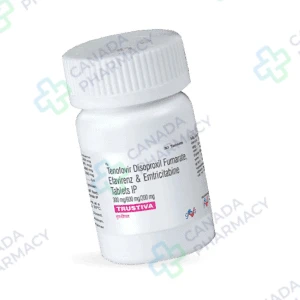
Trustiva
Price range: $ 296,00 through $ 703,00
Trustiva is an effective combination medication designed for the treatment of HIV-1 infection in adults and specific pediatric patients. Each tablet integrates three active ingredients–Efavirenz, Emtricitabine, and Tenofovir Disoproxil Fumarate–into a single daily dose. This powerful formula works by inhibiting the replication of the virus, effectively reducing the viral load within the body. By maintaining a suppressed viral count, the medication helps support the immune system and improves overall health outcomes for those living with HIV. Trustiva provides a streamlined approach to long-term viral management, helping patients maintain a consistent and reliable daily regimen.
Delivery: 5–21 days (depending on the shipping method)
Extra 10% discount with coupon: IT4K6SVM
Each dosage option has its own packaging choices.
Description
Trustiva belongs to a class of combination antiretroviral medications that unite a non-nucleoside reverse transcriptase inhibitor (NNRTI) with two nucleoside reverse transcriptase inhibitors (NRTIs). It combines efavirenz, emtricitabine, and tenofovir disoproxil fumarate into a single daily oral tablet designed for human immunodeficiency virus type 1 (HIV-1) viral suppression. On one hand, combining three active antiviral agents into one formulation significantly reduces daily pill burden; on the other hand, each active component carries distinct metabolic pathways and clinical monitoring requirements.
In accordance with United States federal regulations, this prescription medication is dispensed under clinical supervision for managing HIV-1 infection. Proper utilization requires routine laboratory evaluation, including viral load assessment, renal function screening, and CD4 cell count monitoring by a licensed healthcare provider. Patients in states such as California or New York receiving antiretroviral therapy undergo structured therapeutic drug monitoring to balance efficacy with safety.
| Parameter | Details |
|---|---|
| Drug name | Trustiva |
| Active ingredients (INN) | Efavirenz (600 mg), Emtricitabine (200 mg), Tenofovir Disoproxil Fumarate (300 mg) |
| Therapeutic class | Antiretroviral combination (NNRTI + NRTI) |
| Dosage form | Film-coated oral tablet |
| Route of administration | Oral |
| Prescription status | Prescription only (Rx) |
| Storage | Store at 68°F to 77°F (20°C to 25°C) |
Clinical Features and Pharmacokinetics
How the drug works
The therapeutic efficacy of this combination relies on inhibiting the HIV-1 reverse transcriptase enzyme through two distinct pharmacological mechanisms. Efavirenz acts as a non-nucleoside reverse transcriptase inhibitor (NNRTI), binding directly to the enzyme site and inducing a conformational change that disrupts its catalytic activity. Emtricitabine and tenofovir disoproxil fumarate act as nucleoside/nucleotide reverse transcriptase inhibitors (NRTIs). Upon cellular uptake, emtricitabine is phosphorylated to emtricitabine 5′-triphosphate, and tenofovir disoproxil fumarate is converted to tenofovir diphosphate. These active metabolites compete with natural substrates (deoxycytidine 5′-triphosphate and deoxyadenosine 5′-triphosphate) for insertion into viral DNA, terminating the DNA chain and halting viral replication.
Main uses
This fixed-dose combination is indicated as a complete regimen for the treatment of HIV-1 infection in adult and pediatric patients weighing at least 40 kg (approximately 88 lbs). It is evaluated either as initial therapy or to replace a current antiretroviral regimen in individuals with suppressed viral loads who have no history of virologic failure or known resistance to its individual components. It is not indicated for the treatment of HIV-2 infection, as NNRTIs are intrinsically inactive against HIV-2. Furthermore, this specific formulation is not approved for pre-exposure prophylaxis (PrEP) to reduce the risk of acquiring HIV-1.
Dosing schedule
The standard dosage for adults and eligible pediatric patients weighing 40 kg or more is one single tablet taken orally once daily. To minimize central nervous system adverse effects associated with efavirenz, administration on an empty stomach at bedtime is recommended. Swallowing the tablet whole with water ensures consistent systemic exposure. Dosing adjustments cannot be made with fixed-dose combination tablets; therefore, individuals with severe renal impairment (creatinine clearance below 50 mL/min) or those requiring dose modifications must be transitioned to individual component formulations under professional supervision.
What happens in the body
Following oral administration, peak plasma concentrations of efavirenz are attained within 3 to 5 hours, while emtricitabine and tenofovir disoproxil fumarate achieve peak concentrations within 1 to 2 hours. High-fat meals significantly increase the area under the curve (AUC) of efavirenz by approximately 22%, which elevates the incidence of nervous system toxicity. Efavirenz is extensively metabolized in the liver primarily by cytochrome P450 enzymes CYP2B6 and CYP3A4, exhibiting a prolonged terminal half-life of 40 to 55 hours after multiple doses. Conversely, emtricitabine and tenofovir are primarily cleared by the kidneys through a combination of glomerular filtration and active tubular secretion, displaying elimination half-lives of approximately 10 hours and 17 hours, respectively.
Safety Profile and Monitoring
Adverse reactions
Central nervous system effects represent a frequent adverse reaction, with up to 50% of individuals reporting symptoms such as dizziness, insomnia, impaired concentration, somnolence, or abnormal dreams during the first few weeks of therapy. These symptoms often diminish with continued use. Cutaneous rash is another recognized side effect, typically mild to moderate in severity, appearing within two weeks of starting treatment. Other reported systemic reactions include fatigue, headache, gastrointestinal disturbances (nausea, diarrhea), hypercholesterolemia, and redistribution of body fat. Serious, albeit less common, adverse events include severe psychiatric symptoms (depression, suicidal ideation), hepatotoxicity, lactic acidosis with hepatic steatosis, new-onset or worsening renal impairment, and decreases in bone mineral density.
Important precautions
Boxed warnings emphasize the critical risk of acute exacerbation of hepatitis B virus (HBV) in patients co-infected with HIV-1 and HBV who discontinue this treatment. Testing for chronic HBV infection is required prior to initiating therapy. Periodic renal screening, including estimated creatinine clearance, urine glucose, and urine protein, is recommended for all patients, particularly those with underlying kidney disease or taking concurrent nephrotoxic agents. Severe psychiatric symptoms require prompt medical evaluation. Monitoring of serum liver enzymes is advised for individuals with pre-existing hepatic dysfunction, including hepatitis B or C. Additionally, bone mineral density assessments should be considered for patients with a history of pathological bone fractures or osteopenia.
Compatibility with other medicines
Efavirenz functions as an inducer of CYP3A4 enzymes, which can significantly alter the clearance of co-administered drugs. Concurrent use with triazolam, midazolam, or St. John’s wort is contraindicated due to risks of profound sedation or reduced antiviral efficacy. Plasma concentrations of certain protease inhibitors, azole antifungals, and anticonvulsants may be substantially lowered, necessitating dosage adjustments or alternative therapies. Tenofovir disoproxil fumarate levels increase when co-administered with ledipasvir/sofosbuvir, raising the potential for tenofovir-associated renal toxicity. Avoid co-administration with other nephrotoxic drugs, such as high-dose nonsteroidal anti-inflammatory drugs (NSAIDs), to preserve renal integrity.
What to avoid while taking it
Administration with high-fat meals should be avoided because elevated drug absorption leads to a higher rate of neurological side effects. Consuming alcohol while taking this medication is discouraged, as alcohol can amplify central nervous system depression, exacerbate dizziness, and place additional metabolic stress on the liver. Herbal supplements containing St. John’s wort (Hypericum perforatum) must be avoided completely due to significant enzyme induction that lowers systemic drug concentration, risking virologic failure and viral resistance.
If you skip a dose
Consistent daily adherence is essential for maintaining viral suppression and preventing the emergence of resistant HIV-1 strains. If a dose is missed, it should be taken as soon as remembered on the same day. However, if the time is close to the next scheduled dose, skip the missed tablet and resume the standard bedtime dosing schedule. Patients should never double the dose to compensate for a skipped tablet.
Signs of improvement
Therapeutic efficacy cannot be gauged by physical sensation alone. Response to therapy is measured through serialized laboratory evaluations performed by a healthcare provider. A successful response is characterized by a significant drop in plasma HIV-1 RNA levels (viral load), ideally reaching undetectable status (fewer than 20 to 50 copies/mL) within 12 to 24 weeks of starting treatment. A corresponding rise in CD4 T-cell count indicates ongoing immune system restoration.
Storage and expiration
Store the medication at controlled room temperature between 68°F and 77°F (20°C to 25°C), with permitted excursions between 59°F and 86°F (15°C to 30°C) according to United States Pharmacopeia (USP) standards. Keep the tablets in their original container with the desiccant packet present to protect the formulation from excess ambient moisture. Ensure the bottle remains tightly closed, out of direct light, and out of the reach of children. Discard any medication that has passed its stated expiration date.
Common questions
What should I do if I experience vivid dreams or trouble sleeping after starting treatment?
Central nervous system symptoms, including abnormal dreams and insomnia, are commonly linked to the efavirenz component. Taking the tablet at bedtime on an empty stomach helps reduce peak drug exposure and decreases the intensity of these effects. For most individuals, these symptoms peak within the first few days and gradually subside over two to four weeks. If severe sleep disturbances or psychiatric symptoms persist, contact your prescriber for evaluation.
Why is it necessary to take this medication on an empty stomach?
Taking this combination medication with food–especially meals high in fat–increases the systemic absorption of efavirenz by over 20%. Increased absorption raises drug levels in the bloodstream, which directly correlates with an increased frequency and severity of nervous system side effects such as severe dizziness, confusion, and concentration difficulties.
What routine laboratory tests are needed during treatment?
Your healthcare provider will schedule periodic blood tests to assess plasma HIV-1 RNA (viral load) and CD4 cell counts to confirm therapeutic efficacy. Baseline and routine evaluations of renal function (creatinine clearance and urine protein) and liver enzyme levels are also necessary to identify potential drug-related organ toxicities early.
Can this medication be taken during pregnancy?
Treatment decisions during pregnancy require a detailed evaluation of risks and benefits by a specialist. Alternative antiretroviral regimens are often preferred during the first trimester due to historical concerns regarding efavirenz and potential neural tube defects, although modern clinical data indicate lower risk levels than previously thought. Pregnant individuals should consult their provider immediately to determine the safest regimen.
What happens if someone with Hepatitis B stops taking this medication?
Emtricitabine and tenofovir disoproxil fumarate possess activity against both HIV-1 and the Hepatitis B virus (HBV). Sudden discontinuation of this medication in patients co-infected with HBV can trigger a severe acute flare-up of hepatitis, leading to elevated liver enzymes and hepatic decompensation. HBV status must be verified before stopping treatment, and close clinical monitoring is mandatory if discontinuation occurs.
This text is for informational purposes only and does not constitute individual medical advice. In accordance with FDA requirements.
Additional information
| Dosage |
1.1 gm |
|---|---|
| Package |
30 tabs ,60 tabs ,90 tabs |
| Ενεργός Ουσία | , , |
Related products
Capoten
Price range: $ 42,00 through $ 323,00
Active substance: Captopril
More Details
This product has multiple variants. The options may be chosen on the product page
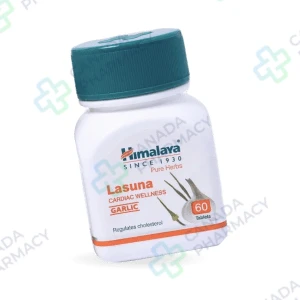
Lasuna
Price range: $ 58,00 through $ 244,00
Active substance: extracts of garlic
More Details
This product has multiple variants. The options may be chosen on the product page
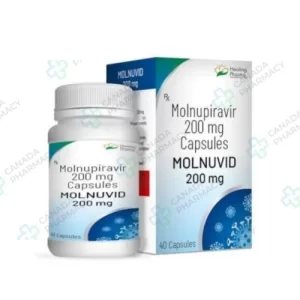
Molnupiravir
Price range: $ 229,00 through $ 706,00
Active substance: Molnupiravir
More Details
This product has multiple variants. The options may be chosen on the product page
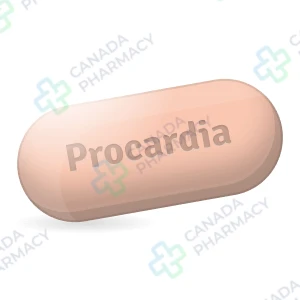
Procardia
Price range: $ 28,00 through $ 269,00
Active substance: Nifedipine
More Details
This product has multiple variants. The options may be chosen on the product page
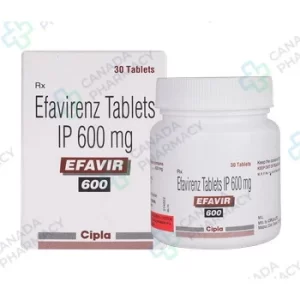
Sustiva
Price range: $ 47,00 through $ 2 412,00
Active substance: Efavirenz
More Details
This product has multiple variants. The options may be chosen on the product page
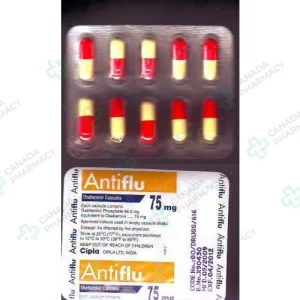
Tamiflu
Price range: $ 66,00 through $ 427,00
Active substance: Oseltamivir
More Details
This product has multiple variants. The options may be chosen on the product page
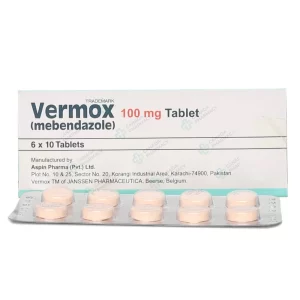
Vermox
Price range: $ 45,00 through $ 136,00
Active substance: Mebendazole
More Details
This product has multiple variants. The options may be chosen on the product page
Zerit
Price range: $ 21,00 through $ 101,00
Active substance: Stavudine
More Details
This product has multiple variants. The options may be chosen on the product page