

-24%
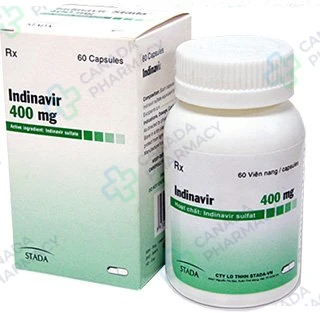
Indinavir
Price range: $ 123,00 through $ 187,00
Indinavir is an effective antiretroviral medication belonging to the class of drugs known as protease inhibitors. It is specifically designed to treat human immunodeficiency virus (HIV-1) infection in both adults and pediatric patients. By blocking the protease enzyme, this medication prevents the virus from replicating and infecting new cells in the body. Regular use helps to significantly decrease the amount of HIV in the bloodstream while supporting an increase in vital CD4 cell counts. Indinavir is typically administered as part of a comprehensive combination therapy to improve immune system function and overall health outcomes.
Active substance: Indinavir Sulphate
Delivery: 5–21 days (depending on the shipping method)
Extra 10% discount with coupon: IT4K6SVM
Each dosage option has its own packaging choices.
Description
Indinavir belongs to a class of antiretroviral medications known as HIV protease inhibitors. In the United States, it is approved by the Food and Drug Administration (FDA) as a prescription-only therapy used in combination with other antiretroviral agents for the treatment of human immunodeficiency virus type 1 (HIV-1) infection.
Because antiretroviral therapy requires strict adherence and ongoing vigilance regarding metabolic safety and drug-drug interactions, indinavir must be taken under the direct supervision of a qualified healthcare provider. Proper administration, routine laboratory monitoring, and consistent fluid intake are essential to reduce treatment-related risks.
Clinical Overview and Safety Guidelines
Main uses
Indinavir is indicated for the treatment of HIV-1 infection in adult patients when combined with other antiretroviral medications. The primary clinical goal of combination antiretroviral therapy is to suppress viral replication, reduce plasma HIV-1 RNA levels, and restore or preserve immune function by supporting CD4 T-cell counts. Indinavir is not a cure for HIV-1 infection or AIDS, and patients taking this medication may still develop opportunistic infections or other complications associated with advanced HIV disease. Furthermore, effective viral suppression through indinavir therapy reduces, but does not entirely eliminate, the risk of transmitting HIV to others through sexual contact or blood exposure; appropriate preventive measures must continue to be observed.
How the drug works
Indinavir functions by targeted inhibition of the HIV-1 protease enzyme. Protease is an essential viral enzyme required during the late stage of the viral replication cycle to cleave viral gag-pol polyprotein precursors into mature, functional proteins. By binding to the active catalytic site of HIV-1 protease, indinavir prevents this proteolytic cleavage. As a consequence, host CD4 cells produce immature, non-infectious viral particles that are incapable of initiating new rounds of infection in susceptible immune cells. Indinavir demonstrates selective affinity for viral protease compared to human aspartyl proteases, minimizing direct cellular interference outside its target viral pathways.
What happens in the body
Following oral administration in a fasted state, indinavir is rapidly absorbed from the gastrointestinal tract, reaching peak plasma concentrations within approximately 0.8 hours. The oral bioavailability of indinavir is significantly reduced when taken with a meal high in calories, fat, and protein, whereas light meals have a minor effect on systemic exposure. Indinavir exhibits a plasma elimination half-life of approximately 1.8 hours. The drug undergoes primary hepatic metabolism via the cytochrome P450 enzyme system, specifically the CYP3A4 isozyme. Elimination occurs through both renal and biliary routes, with unchanged drug and oxidative metabolites excreted in the urine and feces.
Dosing schedule
The standard adult dosage of indinavir is 800 mg administered orally every 8 hours. Strict adherence to this 8-hour dosing interval is vital to maintain adequate therapeutic drug concentrations in the bloodstream and prevent the emergence of drug-resistant viral strains. To optimize absorption, indinavir capsules should be swallowed whole with water 1 hour before or 2 hours after a meal. Alternatively, the dose may be taken with a light, low-fat meal such as dry toast with jelly or skim milk. To reduce the risk of drug crystallization in the kidneys, patients must consume at least 48 fluid ounces (1.5 liters) of water or liquid throughout every 24-hour period.
Critical Warning Signs
Certain adverse reactions linked to indinavir require immediate medical evaluation. Patients and caregivers should remain vigilant for key emergency indicators during treatment.
| Emergency Indicator | Possible Underlying Concern | Recommended Action |
|---|---|---|
| Severe flank pain, back pain, or blood in the urine | Nephrolithiasis / Urolithiasis (Kidney stones) | Contact your healthcare provider immediately; seek urgent care. |
| Yellowing of the skin or eyes (jaundice), dark urine | Hyperbilirubinemia or hepatic dysfunction | Prompt medical evaluation required to evaluate liver function. |
| Severe abdominal pain radiating to the back, with vomiting | Acute pancreatitis | Seek emergency medical attention without delay. |
| Unusual bruising, bleeding, or joint swelling (in hemophiliacs) | Spontaneous bleeding episode | Notify your hematologist or prescribing physician immediately. |
| Severe cutaneous rash with blistering or fever | Severe hypersensitivity / dermatologic reaction | Discontinue use and seek emergency medical assessment. |
What not to combine
Indinavir is both a substrate and a potent inhibitor of the CYP3A4 enzyme metabolic pathway. Co-administration of indinavir with drugs predominantly metabolized by CYP3A4 can lead to dramatically elevated plasma concentrations of those co-administered agents, resulting in severe or life-threatening toxicities. Indinavir is strictly contraindicated with medications such as rifampin, pimozide, oral midazolam, triazolam, ergot derivatives (e.g., dihydroergotamine, ergotamine), St. John’s wort, lovastatin, and simvastatin. Co-administration with other antiretrovirals, phosphodiesterase type 5 (PDE5) inhibitors such as sildenafil, or triazole antifungals requires dosage adjustments and close clinical monitoring.
Adverse reactions
Treatment with indinavir can produce mild to severe adverse effects. The most clinically notable side effect is nephrolithiasis (kidney stones), which presents with severe flank pain, dysuria, and hematuria. Asymptomatic hyperbilirubinemia, characterized primarily by elevated indirect bilirubin, occurs frequently. Common gastrointestinal reactions include nausea, vomiting, diarrhea, abdominal pain, regurgitation, and altered taste perception (dysgeusia). Neurological and general effects include headache, dizziness, fatigue, and insomnia. Dermatologic side effects such as dry skin, pruritus, hyperpigmentation, and paronychia have also been reported. Long-term therapy may contribute to metabolic shifts, including hyperglycemia, onset or exacerbation of diabetes, lipid elevations, and body fat redistribution (lipodystrophy).
Before you take it
Before starting indinavir, inform your doctor of your complete medical history, particularly any history of kidney stones, renal failure, hepatic impairment, diabetes mellitus, or hemophilia types A and B. Patients with mild-to-moderate hepatic insufficiency due to cirrhosis require lower indinavir doses because of reduced drug clearance. In pregnant individuals, indinavir should be used only if the potential therapeutic benefit justifies the risk to the fetus; hyperbilirubinemia at delivery is a specific clinical consideration. Breastfeeding is generally not recommended for individuals living with HIV-1 to avoid transmitting the virus to the infant. Safety and efficacy in pediatric patients under 2 years of age have not been established.
What to avoid while taking it
Patients taking indinavir must avoid consuming high-fat, high-calorie meals within 2 hours of dosing, as fat content substantially impairs drug absorption. Grapefruit juice and grapefruit products should be avoided, as compounds in grapefruit can unpredictable alter CYP3A4 activity and drug exposure. Alcohol intake should be restricted or avoided entirely, as alcohol can exacerbate hepatic stress, contribute to systemic dehydration, and increase the likelihood of renal stone formation.
If you skip a dose
If a dose of indinavir is missed, it should be taken as soon as it is remembered, provided the next scheduled dose is not due shortly. If the missed dose is remembered within 2 hours of the next scheduled time, skip the missed capsule and return to the normal 8-hour dosing schedule. Never double a dose to compensate for a missed one. Consistently missing doses lowers drug plasma levels, which significantly increases the risk of the virus developing irreversible resistance to indinavir and other protease inhibitors.
Practical tips
Establishing a rigid daily timing routine is essential for managing an 8-hour dosing schedule (for example, taking doses at 6:00 AM, 2:00 PM, and 10:00 PM). Carry a refillable water bottle throughout the day to meet the mandatory daily fluid goal of at least 48 fluid ounces (1.5 liters) of water. Keep indinavir capsules in their original glass container, tightly closed with the desiccant canister inside, to protect the medication from environmental moisture, which can degrade the active ingredient.
Frequently Asked Questions
Hydration and Administration
Why is drinking large amounts of water emphasized so strongly while taking indinavir?
Indinavir is excreted by the kidneys and has a propensity to form crystals in the urinary tract when urine concentration is high. Consuming at least 48 fluid ounces (1.5 liters) of water daily ensures adequate urine flow, which prevents drug crystallization and significantly reduces the risk of developing painful kidney stones (nephrolithiasis).
Can indinavir be taken with regular daily meals?
Indinavir requires specific stomach conditions for proper absorption. High-fat or calorie-dense meals prevent the drug from being absorbed efficiently into the bloodstream. It must be taken on an empty stomach with water 1 hour before or 2 hours after meals, or alongside a very light, low-fat snack such as toast with jelly or skim milk.
Interactions and Precautions
Is it safe to take over-the-counter heartburn relief or antacids with indinavir?
Certain antacids and stomach-acid reducers can alter gastric pH or bind to indinavir, decreasing its systemic absorption. You should consult your pharmacist or healthcare provider before combining any over-the-counter antacid, H2-blocker, or proton pump inhibitor with your indinavir dosing schedule.
Adverse Reaction Management
What should I do if I notice my skin or the whites of my eyes turning yellow?
Yellowing of the skin or eyes (jaundice) often indicates hyperbilirubinemia, a common side effect of indinavir resulting from inhibition of the bilirubin-conjugating enzyme. While often benign and reversible, you must contact your doctor promptly so they can evaluate your liver blood tests and confirm that no severe hepatic impairment is present.
In accordance with FDA requirements.
This text is for informational purposes only and does not constitute individual medical advice.
Additional information
| Dosage |
400 mg |
|---|---|
| Package |
30 caps ,60 caps |
| Ενεργός Ουσία |
Related products
Epivir
Price range: $ 71,00 through $ 298,00
Active substance: lamivudine
More Details
This product has multiple variants. The options may be chosen on the product page
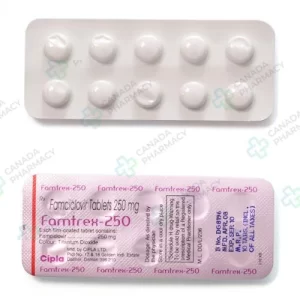
Famvir
Price range: $ 136,00 through $ 285,00
Active substance: Famciclovir
More Details
This product has multiple variants. The options may be chosen on the product page
Kaletra
More Details
This product has multiple variants. The options may be chosen on the product page
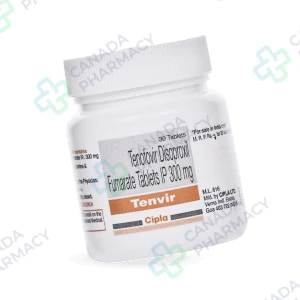
Tenvir
Price range: $ 52,00 through $ 140,00
Active substance: Tenofovir Disoproxil Fumarate
More Details
This product has multiple variants. The options may be chosen on the product page
Tenvir-EM
Price range: $ 82,00 through $ 219,00
Active substance: Emtricitabine, Tenofovir Disoproxil Fumarate
More Details
This product has multiple variants. The options may be chosen on the product page
Viraday
Price range: $ 109,00 through $ 320,00
More Details
This product has multiple variants. The options may be chosen on the product page
Viramune
Price range: $ 50,00 through $ 324,00
Active substance: Nevirapine
More Details
This product has multiple variants. The options may be chosen on the product page
Zerit
Price range: $ 21,00 through $ 101,00
Active substance: Stavudine
More Details
This product has multiple variants. The options may be chosen on the product page