

-2%

Viprogra
Price range: $ 36,00 through $ 120,00
VPXL
Price range: $ 39,00 through $ 98,00
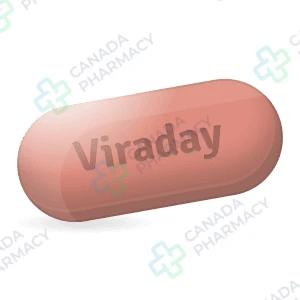
Viraday
Price range: $ 109,00 through $ 320,00
Viraday is a comprehensive fixed-dose combination medication specifically designed for the treatment of HIV-1 infection in adults and eligible pediatric patients. This single-tablet regimen integrates three effective antiretroviral components: efavirenz, emtricitabine, and tenofovir disoproxil fumarate. The medication works by significantly reducing the viral load in the body, which helps to strengthen and protect the immune system. Its streamlined once-daily formulation simplifies complex dosing schedules, making it easier for patients to maintain a consistent treatment routine. By effectively suppressing the virus, Viraday supports long-term health outcomes and helps manage the progression of the condition.
Delivery: 5–21 days (depending on the shipping method)
Extra 10% discount with coupon: IT4K6SVM
Each dosage option has its own packaging choices.
Description
Viraday belongs to a class of antiretroviral medications structured as a fixed-dose combination regimen for human immunodeficiency virus type 1 (HIV-1) infection. It integrates three active pharmaceutical ingredients–efavirenz, emtricitabine, and tenofovir disoproxil fumarate–into a single daily oral tablet to inhibit viral replication.
As a prescription-only therapy regulated by federal health authorities in the United States, this medication is indicated for complete treatment regimens in adult and pediatric patients weighing at least 40 kg. It is dispensed strictly in accordance with prescription guidelines established by licensed healthcare providers.
| Attribute | Specification |
|---|---|
| Active Ingredients (INN) | Efavirenz (600 mg), Emtricitabine (200 mg), Tenofovir disoproxil fumarate (300 mg) |
| Therapeutic Class | Antiretroviral agents (NNRTI and NRTI fixed-dose combination) |
| Dosage Form | Oral tablet |
| Route of Administration | Oral |
| Primary Purpose | Treatment of HIV-1 infection |
| Prescription Status | Prescription only (Rx) |
| Storage Conditions | 20°C to 25°C (68°F to 77°F); excursions permitted to 15°C to 30°C (59°F to 86°F) |
Pharmacological Profile and Clinical Use
Mechanism of action and Indications
How the drug works
Viraday combines three distinct antiviral mechanisms to suppress HIV-1 replication effectively. Efavirenz is a non-nucleoside reverse transcriptase inhibitor (NNRTI) that directly binds to the viral reverse transcriptase enzyme, causing an allosteric disruption of its catalytic site. Emtricitabine is a nucleoside reverse transcriptase inhibitor (NRTI) that undergoes intracellular phosphorylation to emtricitabine 5′-triphosphate, competing with natural substrates to induce DNA chain termination. Tenofovir disoproxil fumarate is an acyclic nucleoside phosphonate diester prodrug that converts to tenofovir diphosphate, similarly inhibiting viral polymerase and blocking DNA strand elongation. Together, these agents reduce plasma viral load and permit CD4+ T-cell count recovery.
Main uses
This fixed-dose combination is indicated as a complete single-tablet regimen for the treatment of HIV-1 infection in adult patients and pediatric patients weighing at least 40 kg. It may be prescribed alone or in specific clinical scenarios alongside other antiretrovirals under expert supervision. It is not approved for the treatment of chronic hepatitis B virus (HBV) infection, although two of its active ingredients possess activity against HBV. Prior to starting therapy, baseline screening for HBV is mandatory due to risks associated with abrupt medication withdrawal in co-infected individuals. Off-label use for pre-exposure prophylaxis (PrEP) is not approved for this specific combination product.
Dosage, Administration, and Pharmacokinetics
Dosing schedule
The standard recommended dosage for eligible adult and pediatric patients weighing at least 40 kg is one tablet taken orally once daily. Administration must take place on an empty stomach, as food–particularly high-fat meals–substantially increases efavirenz absorption, which elevates the frequency and severity of adverse central nervous system reactions. Dosing at bedtime is strongly recommended during the initial weeks of treatment to improve tolerability of neurological effects such as dizziness and vivid dreams. Renal function monitoring is required prior to initiation; because fixed-dose combination tablets cannot be dose-adjusted, patients with a creatinine clearance below 50 mL/min should not utilize this formulation.
What happens in the body
Following oral administration, peak plasma concentrations of efavirenz occur within 3 to 5 hours, with steady-state levels achieved in 6 to 10 days. Efavirenz is highly bound to plasma proteins (greater than 99%) and exhibits a prolonged terminal elimination half-life ranging from 40 to 55 hours after multiple doses. Emtricitabine is rapidly absorbed with peak plasma concentrations occurring between 1 and 2 hours post-dose, displaying an elimination half-life of approximately 10 hours. Tenofovir disoproxil fumarate is rapidly converted to tenofovir, reaching peak concentrations within 1 hour when taken under fasting conditions; tenofovir exhibits a terminal elimination half-life of approximately 17 hours. Clearance pathways differ: efavirenz undergoes hepatic metabolism via CYP3A4 and CYP2B6, whereas emtricitabine and tenofovir are cleared primarily by renal excretion through glomerular filtration and active tubular secretion.
Safety Profile and Patient Considerations
Adverse Reactions and Precautions
Compatibility with other medicines
Co-administration of Viraday with drugs metabolized by CYP3A4 or CYP2B6 enzymes can result in significant pharmacokinetic interactions. Efavirenz induces CYP3A4, which can decrease plasma concentrations of medications such as certain azole antifungals, calcium channel blockers, and oral hormonal contraceptives; secondary non-hormonal barrier contraception is recommended. Concomitant use with midazolam, triazolam, ergot derivatives, or St. John’s wort is contraindicated due to potential for life-threatening events or loss of therapeutic efficacy. Furthermore, drugs that impair renal function or compete for active tubular secretion (such as high-dose nonsteroidal anti-inflammatory drugs, acyclovir, or ganciclovir) may increase serum concentrations of tenofovir and emtricitabine, raising the risk of renal toxicity.
Adverse reactions
The safety profile reflects the combined parameters of its three constituent compounds. Central nervous system symptoms are among the most common side effects associated with efavirenz, including dizziness, insomnia, impaired concentration, somnolence, and abnormal dreams; these typically manifest during the first 1 to 2 weeks of therapy and diminish over time. Rash is another frequent reaction, usually mild-to-moderate and self-limiting. Gastrointestinal disturbances such as nausea, diarrhea, flatulence, and abdominal pain are regularly documented. Long-term metabolic and structural alterations may include hypercholesterolemia, elevated hepatic transaminases, decreases in bone mineral density, and renal toxicity including proximal renal tubulopathy.
Important precautions
Boxed warnings and critical safety precautions include the risk of post-treatment acute exacerbation of hepatitis B in patients co-infected with HIV-1 and HBV who discontinue this therapy; hepatic monitoring must continue for several months post-cessation. Lactic acidosis and severe hepatomegaly with steatosis have been reported with nucleoside analog use. Serious psychiatric adverse reactions, including severe depression, suicidal ideation, and psychosis, have occurred in patients receiving efavirenz. Renal impairment, including acute renal failure and Fanconi syndrome, requires baseline and periodic assessment of estimated creatinine clearance and urine glucose and protein levels. In special populations: safety during pregnancy requires individualized risk assessment; use during breastfeeding is generally not recommended in settings where safe alternative infant feeding options exist to avoid post-natal viral transmission.
Storage, Practical Use, and Common Questions
Food and alcohol interactions
Taking this medication with meals, especially high-fat food, increases peak concentrations of efavirenz by up to 50%, markedly increasing the risk and intensity of central nervous system toxicity. Ingestion must occur on an empty stomach with a glass of water. Alcohol consumption should be strictly minimized or avoided, as alcohol potentiates central nervous system side effects such as sedation, dizziness, and cognitive impairment, while placing additional strain on hepatic metabolic pathways.
If you skip a dose
Maintaining consistent daily dosing is critical to prevent the development of viral resistance and sustain viral suppression. If a missed dose is noticed within 12 hours of the scheduled time, it should be taken immediately on an empty stomach, and the normal dosing schedule resumed. If more than 12 hours have elapsed, the missed dose should be skipped entirely, and the next dose taken at the regularly scheduled time. Patients should never double a dose to compensate for a missed tablet.
Storage and expiration
Store tablets at controlled room temperature between 20°C and 25°C (68°F to 77°F), with temporary excursions permitted between 15°C and 30°C (59°F to 86°F) in accordance with official United States Pharmacopeia standards. Keep the container tightly closed in its original bottle to protect the contents from moisture and environmental degradation. The bottle contains a desiccant canister which must remain inside to preserve stability; do not remove or ingest the desiccant. Keep out of reach of children and do not use past the expiration date printed on the container.
Practical tips
Establishing a consistent bedtime routine helps mitigate transient central nervous system side effects like lightheadedness or unusual dreams, allowing the peak plasma concentration of efavirenz to occur while sleeping. Utilizing pill organizers or digital mobile reminders can promote strict adherence, which is essential for preventing treatment failure. Patients traveling across time zones should plan their dosing schedules in consultation with their healthcare team to maintain an unbroken 24-hour interval between doses.
Common questions
Do central nervous system symptoms like vivid dreams resolve over time?
Central nervous system side effects associated with the efavirenz component–such as vivid dreams, dizziness, and sleep disturbances–frequently peak during the first few days of treatment and gradually diminish over the initial 2 to 4 weeks. Taking the dose at bedtime on an empty stomach significantly helps minimize daytime drowsiness and discomfort.
Why must HIV and Hepatitis B status be checked prior to starting this medication?
This combination contains active ingredients that target both HIV-1 and HBV. Discontinuing the medication in a patient co-infected with HBV can trigger a severe, acute flare-up of hepatitis, potentially leading to hepatic decompensation. Healthcare providers perform baseline testing to establish safe long-term monitoring protocols.
What should be done if a rash develops during the first few weeks of therapy?
Rashes are a known reaction to efavirenz, often appearing within 1 to 2 weeks after starting therapy. Mild to moderate rashes frequently clear without stopping treatment. However, if the rash is severe, accompanied by blistering, fever, facial swelling, or mucous membrane involvement, immediate medical evaluation is required to rule out severe cutaneous adverse reactions.
Does this medication affect bone mineral density over long-term use?
Tenofovir disoproxil fumarate has been associated with modest decreases in bone mineral density in clinical trials, particularly in the hip and spine. Patients with a history of bone fractures or osteoporosis may require baseline bone density monitoring and routine calcium and vitamin D supplementation as advised by their clinician.
Is it safe to take over-the-counter heartburn medications while taking Viraday?
Some heartburn treatments, such as antacids or H2 receptor antagonists, can be taken, but specific interactions exist depending on the exact digestive remedy used. Patients should discuss all non-prescription remedies with a pharmacist or physician before use to prevent altered absorption of active viral agents.
In accordance with US Food and Drug Administration guidelines.
This material is educational. Only a licensed prescriber can determine whether a medication is appropriate for you.
Additional information
| Dosage |
1.1 gm |
|---|---|
| Package |
30 tabs ,60 tabs ,90 tabs |
| Ενεργός Ουσία | , , |
Related products

Famvir
Price range: $ 136,00 through $ 285,00
Active substance: Famciclovir
More Details
This product has multiple variants. The options may be chosen on the product page
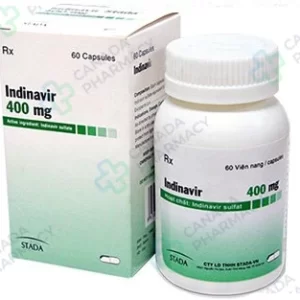
Indinavir
Price range: $ 123,00 through $ 187,00
Active substance: Indinavir Sulphate
More Details
This product has multiple variants. The options may be chosen on the product page
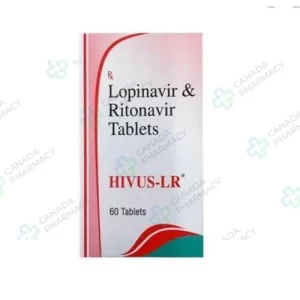
Kaletra
More Details
This product has multiple variants. The options may be chosen on the product page
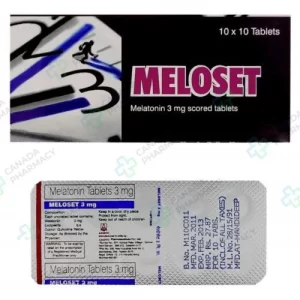
Melatonin
Anti-Inflammatories, AntiConvulsants, AntiParasitics, Cancer, Dementias, HIV, Migraine, Osteoporosis, Respiratory Tract
Price range: $ 46,00 through $ 201,00
Active substance: Melatonin
More Details
This product has multiple variants. The options may be chosen on the product page
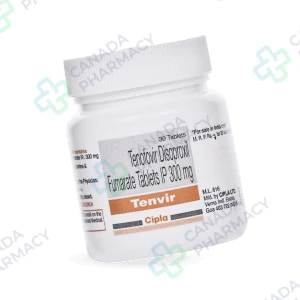
Tenvir
Price range: $ 52,00 through $ 140,00
Active substance: Tenofovir Disoproxil Fumarate
More Details
This product has multiple variants. The options may be chosen on the product page
Tenvir-EM
Price range: $ 82,00 through $ 219,00
Active substance: Emtricitabine, Tenofovir Disoproxil Fumarate
More Details
This product has multiple variants. The options may be chosen on the product page
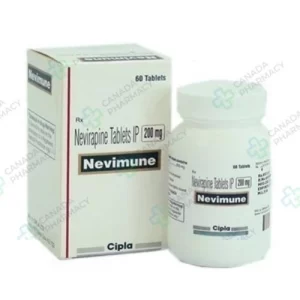
Viramune
Price range: $ 50,00 through $ 324,00
Active substance: Nevirapine
More Details
This product has multiple variants. The options may be chosen on the product page
Zerit
Price range: $ 21,00 through $ 101,00
Active substance: Stavudine
More Details
This product has multiple variants. The options may be chosen on the product page