

-50%
Combivent
Price range: $ 128,00 through $ 384,00
Compazine
Price range: $ 40,00 through $ 118,00
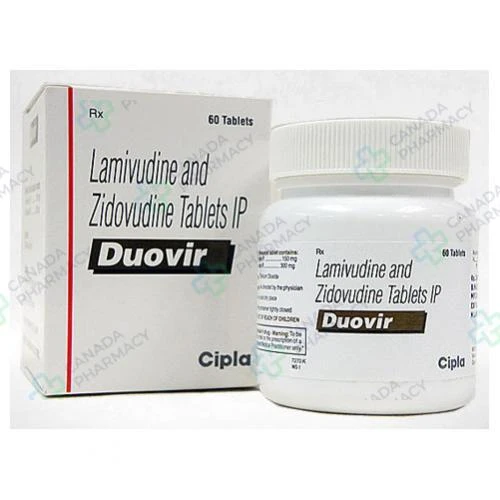
Combivir
Price range: $ 86,00 through $ 513,00
Combivir is a potent combination medication that integrates two antiviral agents, lamivudine and zidovudine, into a single daily treatment. This medication is specifically indicated for the management of HIV-1 infection in both adults and pediatric patients weighing at least 30 kilograms. By inhibiting the reverse transcriptase enzyme, Combivir effectively prevents the virus from replicating and spreading throughout the body. It is designed to be used in conjunction with other antiretroviral drugs to significantly reduce the viral load and strengthen the immune system. Consistent use of this therapy helps maintain long-term health and reduces the risk of complications associated with HIV.
Active substance: lamivudine, Zidovudine
Delivery: 5–21 days (depending on the shipping method)
Extra 10% discount with coupon: IT4K6SVM
Each dosage option has its own packaging choices.
Description
Combivir belongs to a class of antiretroviral medications known as nucleoside reverse transcriptase inhibitors (NRTIs). This combination drug contains lamivudine and zidovudine and is available strictly by prescription for the management of human immunodeficiency virus type 1 (HIV-1) infection.
Treatment with this prescription medication requires close medical oversight due to significant safety precautions and potential drug interactions. Patients must adhere strictly to their prescribed regimen to maintain therapeutic viral suppression and minimize severe risks.
| Property | Details |
|---|---|
| Drug name | Combivir |
| Active ingredients (INN) | Lamivudine (150 mg) and Zidovudine (300 mg) |
| Therapeutic class | Antiretroviral combination (Nucleoside Reverse Transcriptase Inhibitors) |
| Dosage form | Oral tablet |
| Route of administration | Oral |
| Prescription status | Prescription only (Rx) |
| Primary purpose | Treatment of HIV-1 infection in combination with other antiretrovirals |
| Storage | Store between 20°C to 25°C (68°F to 77°F) |
Clinical Overview and Precautions
What it’s used for: Combivir is indicated in combination with other antiretroviral agents for the treatment of HIV-1 infection. It combines two nucleoside analogues, lamivudine (150 mg) and zidovudine (300 mg), into a single fixed-dose combination tablet. It is not intended for use as monotherapy. The combination is prescribed for adults and pediatric patients who weigh at least 30 kg (66 lbs), for whom a dose adjustment is not required. Because it is a fixed-dose tablet, it cannot be used in patients who require dose modifications, such as those with reduced renal function (creatinine clearance less than 50 mL/min).
How the drug works: Combivir contains two distinct synthetic nucleoside analogues: lamivudine and zidovudine. Both components are phosphorylated intracellularly by cellular enzymes into their active 5′-triphosphate metabolites: lamivudine triphosphate and zidovudine triphosphate. These active metabolites inhibit the HIV-1 reverse transcriptase enzyme via DNA chain termination. By incorporating into the viral DNA chain, they prevent the synthesis of viral complementary DNA (cDNA), thereby inhibiting the replication of the retrovirus. The dual action of lamivudine and zidovudine provides synergistic antiviral activity against HIV-1 replication in infected cells.
Dosing schedule: The standard recommended dosage of Combivir for adults and pediatric patients weighing at least 30 kg is one tablet administered orally twice daily. Each tablet contains 150 mg of lamivudine and 300 mg of zidovudine. The tablet may be taken with or without food. Because Combivir is a fixed-dose combination tablet, it must not be prescribed for patients who require dose modifications, such as individuals with renal impairment (creatinine clearance under 50 mL/min) or those experiencing dose-limiting adverse events like severe anemia or neutropenia. In such clinical scenarios, individual single-entity formulations of lamivudine and zidovudine must be utilized instead.
What happens in the body: Following oral administration, both lamivudine and zidovudine are rapidly absorbed from the gastrointestinal tract. Lamivudine exhibits absolute bioavailability of approximately 86%, while zidovudine has an average bioavailability of roughly 60% to 70% due to first-pass hepatic metabolism. Peak plasma concentrations are generally achieved within 0.5 to 2 hours for both components. Zidovudine is primarily metabolized in the liver via glucuronidation to an inactive metabolite and subsequently excreted in the urine. Lamivudine is predominantly cleared unchanged by the kidneys via active tubular secretion. The serum elimination half-life of lamivudine is approximately 5 to 7 hours, whereas zidovudine exhibits a serum half-life of approximately 0.5 to 3 hours.
Compatibility with other medicines: Concomitant administration of Combivir with other drugs requires rigorous medical evaluation due to serious interaction risks. Combining zidovudine with ribavirin or stavudine is not recommended due to antagonistic antiviral effects in laboratory studies. Co-administration with drugs that cause bone marrow suppression–such as ganciclovir, interferon-alpha, amphotericin B, or cytotoxic chemotherapy–significantly increases the risk of severe hematologic toxicity. Probenecid can reduce zidovudine clearance, raising zidovudine plasma levels and increasing toxicity risks. Trimethoprim/sulfamethoxazole increases lamivudine exposure, though dose modification is typically unnecessary if renal function is normal. Always disclose all prescription and over-the-counter medications to your healthcare provider.
Adverse Reactions
Adverse reactions associated with Combivir span mild to severe clinical manifestations. Common side effects reported during clinical trials include headache, nausea, malaise, fatigue, insomnia, dizziness, diarrhea, and nasal signs or symptoms. More serious adverse reactions involve hematologic toxicity, including severe anemia and neutropenia, which frequently necessitate blood transfusion or treatment interruption. Symptomatic myopathy and myositis have also been associated with long-term zidovudine therapy. Hepatic steatosis, elevated liver enzymes, hyperbilirubinemia, and peripheral neuropathy may also occur. Patients experiencing persistent or severe physical discomfort must report these symptoms immediately to their healthcare professional.
Important Precautions
Warning: Combivir carries critical boxed warnings from the FDA regarding severe toxicities. Hematologic toxicity, including neutropenia and severe anemia, occurs primarily in patients with advanced HIV infection. Long-term use of zidovudine is linked to symptomatic myopathy and myositis. Lactic acidosis and severe hepatomegaly with steatosis, including fatal cases, have been reported with nucleoside analogues. Patients co-infected with HIV-1 and Hepatitis B virus (HBV) face acute exacerbations of hepatitis B upon discontinuing lamivudine; hepatic function must be monitored closely in these patients for several months post-discontinuation. Special populations, such as pregnant individuals, require specialized risk evaluation, and breastfeeding is not recommended for HIV-infected mothers to prevent post-natal transmission.
Red Flags
Immediate medical intervention is required if patients observe signs of life-threatening adverse events. Severe shortness of breath, unexplained muscle pain or weakness, rapid breathing, severe stomach pain accompanied by nausea, and jaundice (yellowing of eyes or skin) can indicate lactic acidosis or severe liver injury. Signs of severe infection, such as high fever, chills, or persistent sore throat, may indicate severe neutropenia.
| Emergency Symptom | Potential Underlying Condition |
|---|---|
| Difficulty breathing, rapid respiration, severe stomach pain | Lactic acidosis (Warning: Medical emergency) |
| Severe muscle weakness, muscle tenderness, or fatigue | Symptomatic myopathy / myositis |
| Yellowing of skin or eyes, dark urine, light stools | Severe hepatomegaly with steatosis / liver injury |
| Unusual pale skin, extreme fatigue, dizziness | Severe anemia / bone marrow toxicity |
| High fever, severe chills, recurrent mouth sores | Severe neutropenia / severe immune depression |
Patient Guidance and Common Questions
What to avoid while taking it: Combivir can be taken with or without food, as food does not significantly alter the overall extent of absorption of its active ingredients. However, patients should exercise extreme caution regarding alcohol consumption. Chronic or excessive alcohol use increases the risk of liver toxicity and pancreatic inflammation (pancreatitis). Additionally, alcohol can impair hepatic function, potentially altering the metabolism of zidovudine and increasing systemic adverse effects. Avoid non-prescribed hepatotoxic substances while taking this medication.
If you skip a dose: Adherence to the prescribed regimen is vital to prevent the HIV virus from developing resistance to Combivir. If a dose is missed, take it as soon as it is remembered on the same day. However, if it is almost time for the next scheduled dose, skip the missed dose and resume the normal dosing schedule. Do not double the dose or take extra medicine to compensate for a missed tablet. Frequent missed doses can reduce drug plasma levels below effective therapeutic thresholds, increasing the likelihood of treatment failure and viral resistance.
Storage and expiration: Store Combivir at controlled room temperature between 20°C to 25°C (68°F to 77°F), with excursions permitted between 15°C and 30°C (59°F to 86°F). Keep the bottle tightly closed to protect the medication from moisture and excess light. Do not store tablets in humid environments such as bathrooms. Keep out of reach of children and pets. Properly discard any expired medication or unused tablets in compliance with local prescription drug disposal programs.
Common Questions
Can Combivir be taken during pregnancy to reduce mother-to-child HIV transmission?
Zidovudine, a component of Combivir, has been shown to reduce the rate of maternal-fetal transmission of HIV-1. However, pregnant patients must consult their healthcare provider to evaluate the full benefit-risk profile before starting or continuing treatment. Specialized monitoring for maternal toxicity, including anemia and lactic acidosis, is necessary during pregnancy. Healthcare providers in states like Texas or New York often register pregnant patients in an antiretroviral pregnancy registry to monitor outcomes.
Why is regular blood testing mandatory while taking Combivir?
Regular blood monitoring is essential because zidovudine can cause severe hematologic toxicities, including anemia and neutropenia. Complete blood counts (CBC) and liver function tests are routinely performed before starting therapy and at regular intervals during treatment. Patients with advanced HIV disease or baseline bone marrow depression require more frequent laboratory evaluations to detect toxicities early.
What should patients with Hepatitis B know before starting or stopping Combivir?
Combivir contains lamivudine, which also possesses activity against the Hepatitis B virus (HBV). Discontinuing Combivir in patients co-infected with HIV-1 and HBV can trigger severe, acute exacerbations of hepatitis. Patients must not stop taking Combivir without consulting their prescriber, and hepatic function must be monitored for several months if treatment is discontinued.
How does Combivir interact with myelosuppressive medications?
Co-administration of Combivir with drugs that depress bone marrow function–such as ganciclovir, interferon-alpha, or certain chemotherapy regimens–significantly amplifies the risk of severe neutropenia and anemia. Prescribers must carefully evaluate all concomitant medications and may require enhanced clinical and laboratory surveillance if combination therapy is unavoidable.
In accordance with FDA requirements.
This text is for informational purposes only and does not constitute individual medical advice.
Additional information
| Dosage |
150mg+300mg |
|---|---|
| Package |
30 pills ,60 pills ,90 pills ,120 pills ,180 pills ,270 pills ,360 pills |
| Ενεργός Ουσία | , |
Related products
Epivir
Price range: $ 71,00 through $ 298,00
Active substance: lamivudine
More Details
This product has multiple variants. The options may be chosen on the product page

Famvir
Price range: $ 136,00 through $ 285,00
Active substance: Famciclovir
More Details
This product has multiple variants. The options may be chosen on the product page
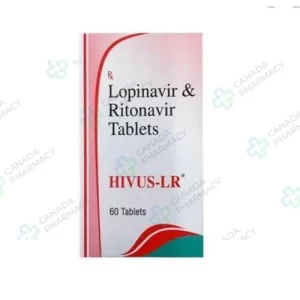
Kaletra
More Details
This product has multiple variants. The options may be chosen on the product page
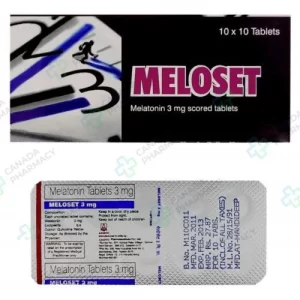
Melatonin
Anti-Inflammatories, AntiConvulsants, AntiParasitics, Cancer, Dementias, HIV, Migraine, Osteoporosis, Respiratory Tract
Price range: $ 46,00 through $ 201,00
Active substance: Melatonin
More Details
This product has multiple variants. The options may be chosen on the product page
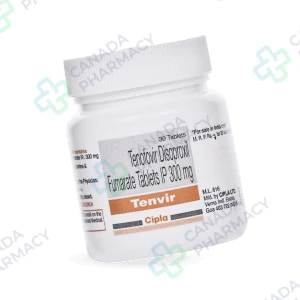
Tenvir
Price range: $ 52,00 through $ 140,00
Active substance: Tenofovir Disoproxil Fumarate
More Details
This product has multiple variants. The options may be chosen on the product page
Viraday
Price range: $ 109,00 through $ 320,00
More Details
This product has multiple variants. The options may be chosen on the product page
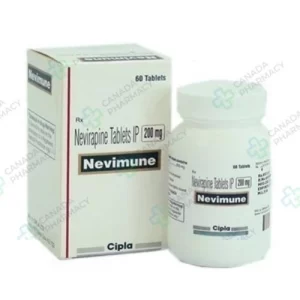
Viramune
Price range: $ 50,00 through $ 324,00
Active substance: Nevirapine
More Details
This product has multiple variants. The options may be chosen on the product page
Zerit
Price range: $ 21,00 through $ 101,00
Active substance: Stavudine
More Details
This product has multiple variants. The options may be chosen on the product page