

-40%
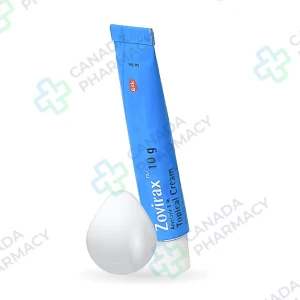
Zovirax
Price range: $ 52,00 through $ 587,00
Zudena
Price range: $ 246,00 through $ 595,00
Zovirax Cream
Price range: $ 46,00 through $ 138,00
Zovirax Cream is a highly effective antiviral treatment specifically formulated to manage and treat outbreaks of cold sores. It contains the active ingredient acyclovir, which works by directly inhibiting the replication of the herpes simplex virus. When applied at the first sign of a tingle or bump, the cream helps prevent the sore from developing into a blister. This targeted topical formula significantly speeds up the natural healing process and reduces the duration of painful symptoms. Regular application provides soothing relief and helps you regain clear skin more quickly during a flare-up.
Active substance: Acyclovir
Delivery: 5–21 days (depending on the shipping method)
Extra 10% discount with coupon: IT4K6SVM
Each dosage option has its own packaging choices.
Description
Zovirax Cream belongs to a group of medicines known as nucleoside analog antivirals. It is formulated specifically for topical application to manage recurrent herpes labialis, commonly referred to as cold sores, in adults and pediatric patients aged 12 years and older. This prescription preparation is designed to act directly at the site of viral replication on the lips and surrounding facial skin.
This product requires a valid prescription from a licensed healthcare provider in the United States. Proper clinical evaluation ensures that the therapeutic approach matches the underlying cutaneous manifestation before initiating application.
| Drug Name | Zovirax Cream |
| Active Ingredient | Acyclovir (5%) |
| Therapeutic Class | Topical Antiviral Agent |
| Dosage Form | Topical Cream |
| Route of Administration | Cutaneous (Topical) |
| Prescription Status | Prescription Only (Rx) |
| Primary Purpose | Management of recurrent herpes labialis |
Prescribing Overview and Therapeutic Profile
Main Uses
Zovirax Cream is indicated for the treatment of recurrent herpes labialis (cold sores) in immunocompetent adults and adolescents who are at least 12 years of age. Clinical utility is centered on decreasing the healing time of lesions and shortening the duration of localized discomfort associated with episodic viral outbreaks. The preparation is specifically intended for cutaneous lesions located on the external lips and face. It is not indicated for genital herpes infections, nor is it formulated for application to mucosal membranes. The use of topical acyclovir for lesions in non-facial locations or in severely immunocompromised individuals is considered outside the scope of the standard topical cream label and requires tailored medical assessment.
How the Drug Works
The mechanism of action of acyclovir relies on selective enzymatic conversion within infected host cells. Acyclovir is a synthetic purine nucleoside analogue possessing inhibitory activity against herpes simplex virus types 1 (HSV-1) and 2 (HSV-2). Upon entry into HSV-infected cells, the viral enzyme thymidine kinase phosphorylates acyclovir into acyclovir monophosphate. Subsequent cellular enzymes convert the monophosphate derivative into acyclovir diphosphate and ultimately into active acyclovir triphosphate. Acyclovir triphosphate competitively inhibits herpes virus DNA polymerase and incorporates into the growing viral DNA chain, resulting in obligate chain termination and suppression of viral replication.
How It’s Absorbed and Eliminated
Pharmacokinetic evaluation demonstrates that systemic absorption of acyclovir following topical administration of Zovirax Cream is minimal. In clinical trials, plasma concentrations of acyclovir were consistently below the limit of quantitation (<0.01 mcg/mL) in the vast majority of subjects following maximal topical application. Consequently, systemic clearance pathways, renal elimination parameters, and plasma elimination half-life values typical of oral or intravenous acyclovir formulations do not significantly apply to localized cutaneous administration under standard dosing conditions. The drug operates predominantly within the local epidermal and dermal tissue layers.
Clinical Usage and Safety Considerations
Dosing Schedule
Application of Zovirax Cream should be initiated at the earliest sign or symptom of a cold sore recurrence, such as tingling, itching, burning, or redness (the prodromal phase), or immediately upon the appearance of a lesion. The recommended regimen consists of applying a quantity of cream sufficient to cover the affected area, including the outer margin of the lesion, 5 times per day for a total duration of 5 days. Therapy should be administered at approximately evenly spaced intervals throughout waking hours. Patients should complete the full 5-day course of therapy as directed by the prescribing clinician, even if lesion resolution appears advanced prior to completion.
Day-to-Day Use
Prior to applying the cream, the affected area should be clean and dry. Patients should wash their hands thoroughly with soap and water before and immediately after applying the preparation to prevent transferring the virus to unaffected areas of the skin or eyes. The cream should be rubbed in gently until it is fully absorbed. To prevent irritation or altered absorption, patients should avoid applying non-prescribed topical cosmetics, lip balms, or sunscreens directly over the treated area concurrently, unless specifically directed by a healthcare professional.
What You May Notice Early On
During the initial days of application, the progression of the cold sore lesion may stabilize. Users often observe a reduction in localized pain, tingling, and itching as viral replication is controlled. It is common to experience a temporary, mild burning or stinging sensation immediately following application. The lesion typically progresses through the vesiculation, crusting, and healing phases more rapidly than an untreated outbreak.
If You Skip a Dose
If a planned application is missed, it should be applied as soon as remembered during waking hours. However, if it is nearly time for the next scheduled application, the missed application should be skipped and the regular schedule resumed. Patients should not apply excessive amounts of cream or double up doses to compensate for a missed application.
Compatibility with Other Medicines
Due to minimal systemic absorption, drug interactions resulting from systemic metabolic inhibition or transport displacement are highly unlikely with Zovirax Cream. However, concurrent use with other topical medications, dermatological preparations, or medicated cosmetics on the exact same site of application has not been fully evaluated and may alter drug absorption or cause localized additive irritation. Simultaneous application of other topical products to the lesion area should be discussed with a prescribing clinician or pharmacist.
Adverse Reactions
Topical application of acyclovir cream is generally well tolerated, with adverse events largely confined to local skin reactions at the application site. The most common adverse reactions reported in clinical trials include dry or cracked lips, desquamation (skin flaking), localized burning, transient stinging, and pruritus (itching). Less frequently, mild erythema or localized skin irritation may occur. Systemic adverse reactions are extremely rare owing to negligible systemic exposure. Hypersensitivity reactions, including contact dermatitis or localized angioedema, occur infrequently but require immediate discontinuation of the medication.
Important Precautions
Zovirax Cream is formulated exclusively for external cutaneous application on the lips and face. It must not be applied to mucous membranes, such as inside the mouth, eye, or intravaginally, as it can cause severe local irritation. Care should be taken to avoid accidental exposure to the eyes; if contact occurs, the eye should be rinsed thoroughly with clean water. This product does not cure underlying latent herpes simplex infection, nor does it prevent subsequent viral outbreaks or eliminate the risk of viral transmission to other individuals. Patients who are pregnant, planning to become pregnant, or breastfeeding should discuss therapy with their healthcare provider, although systemic risk to the fetus or infant is anticipated to be minimal based on low absorption levels.
Storage and Expiration
Zovirax Cream should be stored at controlled room temperature between 20°C and 25°C (68°F to 77°F), with excursions permitted between 15°C and 30°C (59°F to 86°F). Do not freeze. Keep the tube tightly closed when not in use and store out of the reach of children. The product should not be used past the expiration date clearly stamped on the carton and tube crimp.
Common Questions
Can Zovirax Cream be applied inside the nostrils or mouth?
No. Zovirax Cream is indicated strictly for external cutaneous use on the lips and surrounding facial skin. Applying the preparation to internal mucous membranes (such as inside the mouth, nose, or eyes) can cause localized tissue irritation and is explicitly advised against in prescribing guidelines.
Does using Zovirax Cream prevent transmitting the virus to someone else?
No. While the cream inhibits viral replication within the lesion, it does not completely eliminate viral shedding or eradicate the herpes simplex virus. Physical contact with active lesions or prodromal skin should be strictly avoided to reduce the risk of transmission to others.
Is it acceptable to wear makeup over the applied cream?
Cosmetics, lipsticks, and unprescribed dermatological products should generally not be applied directly over Zovirax Cream unless instructed by a healthcare provider. Applying secondary products can interfere with the cream’s physical boundary and absorption characteristics or exacerbate local skin irritation.
What action should be taken if a child accidentally ingests a small amount of cream?
Systemic absorption of topical acyclovir is low, and toxicity from minor oral ingestion is unlikely due to the low concentration of active drug. However, in the event of accidental ingestion, a healthcare provider or a local Poison Control Center should be contacted immediately for guidance tailored to the child’s weight and estimated quantity ingested.
How long after starting application should signs of healing appear?
Clinical trial data demonstrate that reduction in lesion pain and progression toward crusting typically occur within the 5-day treatment window. If the lesion worsens significantly or fails to heal after completing the full 5-day course, clinical re-evaluation by a healthcare professional is warranted.
In accordance with FDA requirements.
This text is for informational purposes only and does not constitute individual medical advice.
Additional information
| Dosage |
5g |
|---|---|
| Package |
2 tubes ,3 tubes ,4 tubes ,5 tubes ,6 tubes ,7 tubes ,8 tubes ,9 tubes ,10 tubes |
| Ενεργός Ουσία |
Related products
Adalat
Price range: $ 41,00 through $ 267,00
Active substance: Nifedipine
More Details
This product has multiple variants. The options may be chosen on the product page
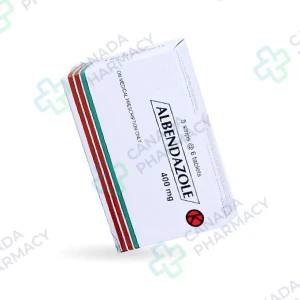
Albendazole
Price range: $ 46,00 through $ 121,00
Active substance: Albendazole
More Details
This product has multiple variants. The options may be chosen on the product page
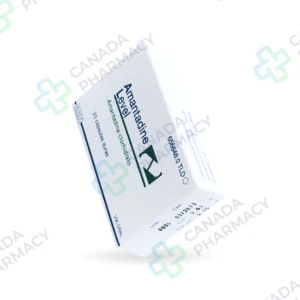
Amantadine
Price range: $ 19,00 through $ 249,00
Active substance: Amantadine
More Details
This product has multiple variants. The options may be chosen on the product page
Ascorbic Acid
Price range: $ 58,00 through $ 69,00
Active substance: Ascorbic Acid
More Details
This product has multiple variants. The options may be chosen on the product page
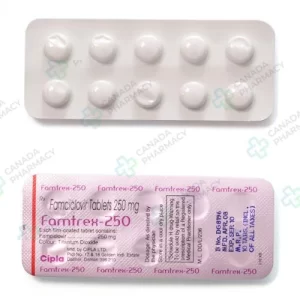
Famvir
Price range: $ 136,00 through $ 285,00
Active substance: Famciclovir
More Details
This product has multiple variants. The options may be chosen on the product page
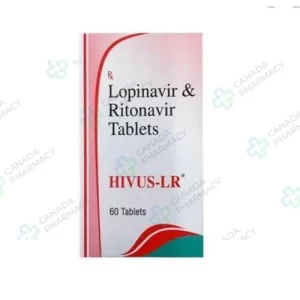
Kaletra
More Details
This product has multiple variants. The options may be chosen on the product page
Procardia
Price range: $ 28,00 through $ 269,00
Active substance: Nifedipine
More Details
This product has multiple variants. The options may be chosen on the product page
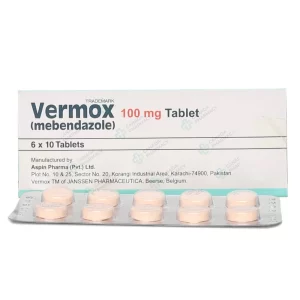
Vermox
Price range: $ 45,00 through $ 136,00
Active substance: Mebendazole
More Details
This product has multiple variants. The options may be chosen on the product page