

-21%
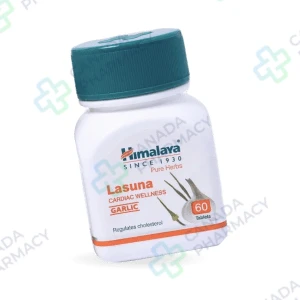
Lasuna
Price range: $ 58,00 through $ 244,00

LDN
Price range: $ 81,00 through $ 266,00
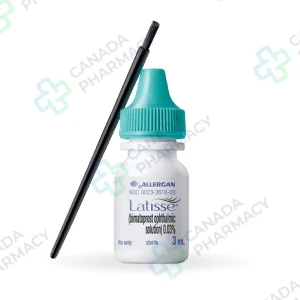
Latisse Ophthalmic Solution
Price range: $ 35,00 through $ 165,00
Latisse Ophthalmic Solution is a clinically proven treatment specifically designed to enhance the natural beauty of your eyelashes. It is primarily used to treat hypotrichosis, a condition where eyelashes are inadequate or not thick enough. By applying the solution daily to the base of the upper lashes, users can achieve significantly longer, thicker, and darker eyelashes. The active ingredient works effectively to extend the growth cycle of each lash, providing visible results over time. This specialized formula offers a reliable way to attain fuller and more defined lashes for a more vibrant appearance.
Active substance: Bimatoprost Ophthalmic Solution
Delivery: 5–21 days (depending on the shipping method)
Extra 10% discount with coupon: IT4K6SVM
Each dosage option has its own packaging choices.
Description
Latisse belongs to a class of medications known as prostaglandin analogs, specifically formulated as a prostamide derivative. It is an FDA-regulated prescription ophthalmic solution indicated for the treatment of eyelash hypotrichosis, serving to increase eyelash length, thickness, and darkness. Because Latisse is a prescription drug, clinical evaluation by a licensed healthcare provider is required prior to initiation to confirm patient suitability and rule out potential ocular contraindications.
The active pharmacological agent in Latisse is bimatoprost, present at a concentration of 0.03% (0.3 mg/mL). Adherence to correct application techniques and daily compliance are required to achieve optimal cosmetic outcomes while minimizing the risk of localized ocular adverse reactions and systemic absorption.
| Parameter | Specification |
|---|---|
| Active ingredient (INN) | Bimatoprost (0.03%) |
| Therapeutic class | Prostaglandin analog / Prostamide |
| Dosage form | Ophthalmic solution (0.3 mg/mL) |
| Route of administration | Topical application to upper eyelid margin |
| Primary purpose | Treatment of eyelash hypotrichosis |
| Prescription status | Prescription (Rx) |
| Storage conditions | Store between 2°C to 25°C (36°F to 77°F) |
Pharmacology and Clinical Guidance
How the drug works
Bimatoprost is a structural analog of prostaglandin F2α that acts on prostamide receptors within the hair follicle microenvironment. Although the exact biological pathway governing eyelash enlargement remains partially under investigation, clinical pharmacological data indicate that bimatoprost lengthens the duration of the anagen (active growth) phase of the eyelash hair cycle. Concurrently, the medication increases the percentage of hair follicles entering the anagen phase at any given time. Furthermore, bimatoprost stimulates melanogenesis within the hair bulb, resulting in increased melanin content in the growing hair shaft and yielding darker eyelashes.
Main uses
Latisse (bimatoprost ophthalmic solution 0.03%) is indicated strictly to treat hypotrichosis of the eyelashes, a state characterized by inadequate or sparse eyelash growth. The primary therapeutic objective is to enhance eyelash prominence, assessed clinically through parameters of length, fullness, and pigmentation. Controlled clinical trials evaluated by the FDA demonstrate measurable changes after 16 weeks of continuous nightly application. Off-label use for eyebrow restoration or hair growth on other body surfaces is not approved by the FDA, as safety and clinical efficacy for non-eyelash dermatological sites have not been established.
Dosing schedule
The standard dosing regimen for adult patients is one drop of Latisse 0.03% applied once daily in the evening. The solution must be applied topically to the skin of the upper eyelid margin at the base of the eyelashes using the single-use sterile applicators provided in the package. Prior to application, the face must be cleansed, makeup removed, and contact lenses removed. One drop of solution is placed onto the applicator, which is then drawn horizontally along the upper eyelid skin junction. The applicator is discarded immediately after single-eye application, and a new sterile applicator is used for the opposite upper eyelid. Latisse must not be applied directly to the lower lid or into the ocular cavity.
What happens in the body
Following topical application to the upper eyelid margin, systemic exposure to bimatoprost is extremely limited. Clinical pharmacokinetic evaluations demonstrate that plasma concentrations of bimatoprost fall below the lower limit of quantitation (0.025 ng/mL) in the majority of healthy subjects receiving daily administration. In cases where systemic uptake occurs, peak plasma concentrations are attained within 10 minutes post-application, followed by rapid elimination. Systemic half-life after intravenous administration is approximately 45 minutes. Bimatoprost is eliminated predominantly via metabolic pathways involving oxidation, N-deethylation, and glucuronidation, with metabolites excreted through renal and biliary routes.
What you may notice early on
During the initial weeks of daily administration, structural changes in eyelash length or density are typically subtle or undetectable. Clinical trial data indicate that initial therapeutic responses generally manifest between 4 and 8 weeks after starting daily treatment, with peak clinical response observed at week 16. Transient ocular hyperthermia, mild hyperemia, or localized itching may occur during the first days of application; however, if these signs persist or escalate, formal re-evaluation by a healthcare provider is warranted.
If you skip a dose
If a nightly application of Latisse is missed, the patient should skip the missed dose entirely and resume treatment the following evening in accordance with the established schedule. Patients should not attempt to apply extra solution or perform multiple daily applications to compensate for omitted doses. Applying Latisse more frequently than once daily does not accelerate eyelash growth and significantly increases the incidence of ocular side effects.
Safety Profile and Frequently Asked Questions
Adverse reactions
The most common adverse reactions reported in controlled clinical studies include conjunctival hyperemia (eye redness) and ocular pruritus (itching), occurring in approximately 3% to 4% of clinical trial participants. Additional observed adverse effects involve hyperpigmentation of the periorbital skin (darkening of eyelid skin), localized eye irritation, symptoms of dry eye syndrome, and punctate keratitis. Increased iris pigmentation–a permanent increase in brown pigment within the iris–has been reported with prostaglandin analogs. Unintended hair growth may also occur on skin areas exposed repeatedly to excess solution outside the upper eyelid margin.
Important precautions
Latisse should be administered with caution in patients with active intraocular inflammation, such as iritis or uveitis, because prostaglandin analogs may exacerbate inflammatory conditions. Caution is also indicated in aphakic patients, pseudophakic patients with a torn posterior lens capsule, or individuals with known risk factors for macular edema. Regarding special populations, animal reproductive studies have shown teratogenic risks at high systemic exposure levels; therefore, Latisse should be prescribed during pregnancy only if potential benefits outweigh potential fetal risks. It is unknown whether bimatoprost is excreted in human breast milk; caution should be exercised when prescribing to nursing mothers. Safety and effectiveness in pediatric patients under 18 years of age have not been established.
Compatibility with other medicines
Although systemic drug interactions are unlikely due to low plasma levels, concurrent use of Latisse with intraocular prostaglandin analogs used for elevated intraocular pressure (such as antiglaucoma eye drops) requires close medical supervision. Concurrent administration of multiple prostaglandin analogs may attenuate the intraocular pressure-lowering effect or cause unexpected changes in intraocular pressure. When using concurrent topical ophthalmic products, each medication should be administered at least 5 to 10 minutes apart to prevent displacement or dilution of active compounds.
Red flags
Patients should discontinue Latisse and seek prompt medical attention if they experience acute ocular pain, sudden alterations in visual acuity, symptoms indicative of intraocular infection (such as purulent discharge or marked eyelid edema), or signs of hypersensitivity, including facial swelling, generalized skin rash, or respiratory distress. The development of sudden, severe eye redness accompanied by photophobia requires immediate diagnostic evaluation by an ophthalmologist.
Storage and expiration
Latisse ophthalmic solution 0.03% should be stored at controlled room temperatures between 2°C and 25°C (36°F to 77°F). The bottle must be kept tightly closed when not in use. Patients should discard the bottle upon reaching the expiration date printed on the package. Sterile applicators must remain within their original packaging until immediate use and must never be reused or shared between eyes.
Common questions
What happens if the solution accidentally gets into the eye?
Latisse is an ophthalmic solution formulated for periocular use; accidental contact with the ocular surface is not harmful because the active ingredient (bimatoprost 0.03%) is identical in concentration to approved ophthalmic drops for glaucoma. Excessive flushing of the eye is generally unnecessary unless persistent discomfort occurs.
Will eyelash growth revert to baseline if treatment is stopped?
Yes. Upon cessation of daily Latisse applications, eyelash appearance is expected to gradually return to its pre-treatment baseline over several weeks to months as natural hair follicle cycling progresses.
Is it acceptable to wear contact lenses during application?
Contact lenses must be removed prior to applying Latisse because the formulation contains benzalkonium chloride, a preservative that can be absorbed by soft contact lenses. Lenses may be reinserted 15 minutes after application.
Can Latisse cause permanent eye color changes?
Increased brown iris pigmentation has been documented with prostaglandin analogs. Changes in iris pigmentation may be permanent, whereas skin hyperpigmentation on the eyelid margin is typically reversible upon treatment discontinuation.
How should application be timed relative to other eye drops?
If concurrent topical ophthalmic drugs are prescribed, separate the administration of Latisse and other eye drops by at least 5 minutes to maintain therapeutic efficacy and avoid flushing out active ingredients.
Information on this page is for reference and does not replace an assessment by a licensed healthcare professional.
In accordance with FDA requirements.
Additional information
| Dosage |
0.03% |
|---|---|
| Package |
1 bottles ,2 bottles ,3 bottles ,4 bottles ,6 bottles |
| Ενεργός Ουσία |
Related products
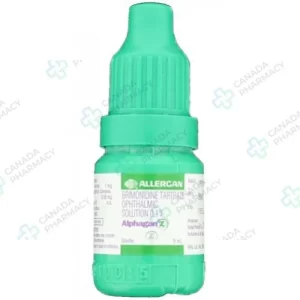
Alphagan
Price range: $ 65,00 through $ 282,00
Active substance: Brimonidine ophthalmic
More Details
This product has multiple variants. The options may be chosen on the product page
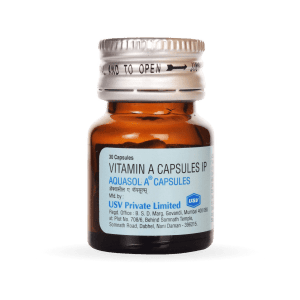
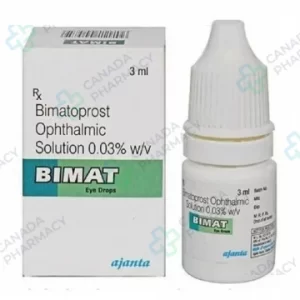
Bimat
Price range: $ 60,00 through $ 330,00
Active substance: Bimatoprost
More Details
This product has multiple variants. The options may be chosen on the product page
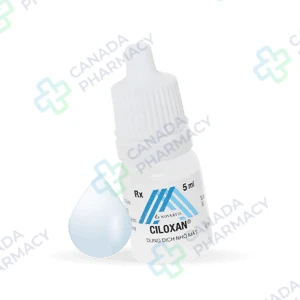
Ciloxan Ophthalmic Solution
Price range: $ 50,00 through $ 63,00
Active substance: Ciprofloxacin hydrochloride
More Details
This product has multiple variants. The options may be chosen on the product page
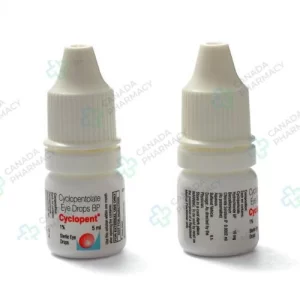
Cyclogyl
$ 32,00
Active substance: Cyclopentolate ophthalmic
More Details
This product has multiple variants. The options may be chosen on the product page
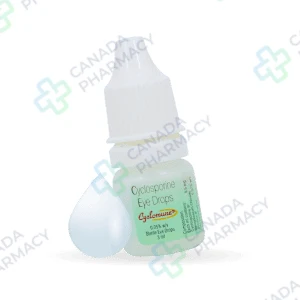
Cyclomune Eye Drops
Price range: $ 13,00 through $ 69,00
Active substance: Cyclosporine
More Details
This product has multiple variants. The options may be chosen on the product page
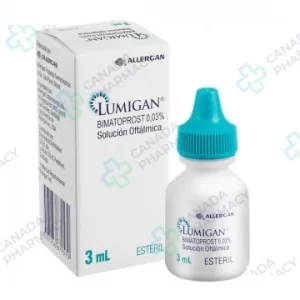
Lumigan
Price range: $ 53,00 through $ 490,00
Active substance: Bimatoprost
More Details
This product has multiple variants. The options may be chosen on the product page
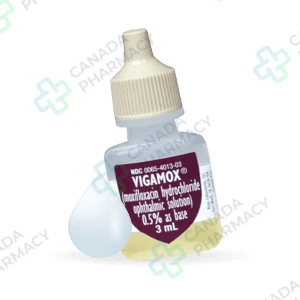
Vigamox Ophthalmic Solution
Price range: $ 24,00 through $ 69,00
Active substance: Moxifloxacin
More Details
This product has multiple variants. The options may be chosen on the product page