

-34%
Digoxin
Price range: $ 48,00 through $ 152,00
Diltiazem
Price range: $ 49,00 through $ 590,00
Dilantin
Price range: $ 43,00 through $ 171,00
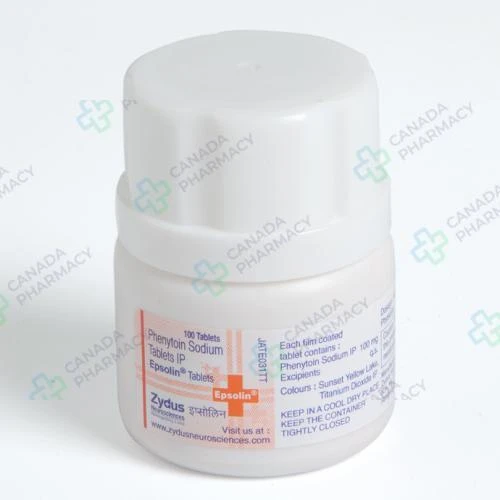
Dilantin is a widely recognized antiepileptic medication used to manage and control various types of seizure disorders. This medication works by stabilizing electrical activity in the brain to prevent the onset of involuntary movements and loss of consciousness. It is highly effective for the long-term treatment of generalized tonic-clonic seizures, commonly known as grand mal seizures. Additionally, Dilantin is utilized to control complex partial seizures, helping patients maintain better neurological stability. The drug also plays a vital role in preventing and treating seizures that may occur during or following neurosurgical procedures.
Active substance: Phenytoin
Delivery: 5–21 days (depending on the shipping method)
Extra 10% discount with coupon: IT4K6SVM
Each dosage option has its own packaging choices.
Description
Dilantin belongs to a class of medications known as hydantoin anticonvulsants, which act on the central nervous system to reduce electrical hyperexcitability. In the United States, it is FDA-approved as a prescription-only drug for controlling specific types of seizure disorders and managing seizure risks associated with neurosurgical procedures. Proper management of this therapy requires precise individualized dosing monitored by a qualified healthcare professional.
As an antiepileptic treatment, Dilantin must be taken strictly in accordance with federal and state regulations. Regular laboratory monitoring of serum drug concentrations is routinely performed to maintain blood levels within the recognized therapeutic range and minimize the risk of adverse clinical outcomes.
| Property | Details |
|---|---|
| Active Ingredient | Phenytoin / Phenytoin sodium |
| Therapeutic Class | Hydantoin Anticonvulsant (AHFS 28:12.12) |
| Dosage Form | Extended-release capsules, oral suspension |
| Route of Administration | Oral |
| Prescription Status | Prescription (Rx) only |
| Primary Purpose | Management of generalized tonic-clonic and complex partial seizures |
Main uses
Dilantin is indicated primarily for the control of generalized tonic-clonic (grand mal) seizures and complex partial (psychomotor or temporal lobe) seizures. It is also approved for the prevention and treatment of seizures occurring during or following neurosurgical operations. The active substance helps stabilize the electrical threshold in brain tissue, preventing the propagation of abnormal seizure discharges across neural networks.
In clinical practice, certain non-FDA-approved indications–referred to as off-label uses–may be considered by specialized physicians. For instance, off-label application of phenytoin has historically included specific cases of neuropathic pain, such as trigeminal neuralgia, when first-line therapies are unsuitable. Any off-label use must be explicitly evaluated and monitored by a licensed prescriber, as standard safety and efficacy parameters are defined primarily for its approved seizure control indications.
How the drug works
The primary mechanism of action involves the selective blockade of voltage-gated sodium channels in neuronal membranes. By binding to these channels in their inactive state, the drug prolongs channel inactivation and limits the high-frequency repetitive firing of action potentials within hyperactive focus points. This membrane-stabilizing effect prevents the spread of excessive electrical activity throughout adjacent cerebral tissue without completely suppressing normal, low-frequency neuronal signals.
Additionally, at higher concentrations, the medication modulates intracellular calcium movement and influences sodium-potassium ATP pumps across cell membranes. These combined cellular actions decrease post-tetanic potentiation at synapses, effectively suppressing seizure propagation while maintaining baseline neural transmission necessary for standard brain function.
Dosing schedule
Dosing of Dilantin is highly individualized because small variations in daily intake can produce significant changes in plasma drug levels. Prescribers initiate treatment at conservative doses and adjust the regimen based on clinical response and serum concentration testing. The target total serum phenytoin concentration generally ranges between 10 and 20 mcg/mL for most adult patients, though individual response varies.
Patients must maintain strict consistency regarding the formulation prescribed. Extended-release capsules contain phenytoin sodium, whereas oral suspensions contain free phenytoin acid. Because these formulations possess different bioavailabilities, switching between oral dosage forms or switching between brand-name and generic products requires serum level monitoring and potential dose recalculation by a healthcare provider. Doses should be taken at the same times each day to maintain steady blood levels.
What happens in the body
Following oral administration, absorption occurs primarily in the small intestine. The rate of absorption varies according to the specific oral dosage form. Phenytoin is extensively bound to plasma proteins, predominantly albumin, with approximately 90% of circulating drug remaining bound. Unbound (free) phenytoin represents the pharmacologically active portion and is subject to alteration in conditions like hypoalbuminemia or renal impairment.
Metabolism takes place in the liver primarily via the cytochrome P450 enzyme system, specifically the CYP2C9 and CYP2C19 isoenzymes. Phenytoin exhibits saturable, non-linear kinetics (Michaelis-Menten kinetics). As therapeutic serum concentrations are approached, the liver’s metabolic capacity becomes saturated. Consequently, small incremental dose increases can lead to disproportionately large increases in blood serum levels and potential toxicity. The elimination half-life ranges from 7 to 42 hours, averaging approximately 22 hours under steady-state conditions.
Compatibility with other medicines
Dilantin is a strong inducer of key hepatic metabolic enzymes, including CYP3A4, CYP2C9, and UDP-glucuronosyltransferases. Co-administration with other drugs can lead to significant pharmacokinetic interactions. For example, it accelerates the clearance of oral contraceptives, systemic corticosteroids, anticoagulants like warfarin, and certain anti-infective agents, reducing their clinical effectiveness.
Conversely, concomitant use of strong CYP2C9 inhibitors–such as fluconazole, amiodarone, or omeprazole–can inhibit phenytoin metabolism, resulting in elevated plasma concentrations and toxic symptoms. Certain anticonvulsants, including valproic acid, can displace phenytoin from plasma protein binding sites while simultaneously inhibiting its metabolism, necessitating precise laboratory testing of both total and free serum levels. Furthermore, enteral tube feeding formulas can decrease oral absorption; administration must be separated by time intervals as recommended by clinical guidelines.
Adverse reactions
Adverse effects associated with Dilantin can be dose-dependent or idiosyncratic. Dose-dependent central nervous system reactions commonly occur as blood levels exceed the therapeutic window. Early signs of mild toxicity include nystagmus (involuntary eye movement), followed by ataxia (loss of coordination), dysarthria (slurred speech), confusion, and marked lethargy at elevated concentrations.
Long-term administration can produce connective tissue and dermatologic changes. Chronic use may cause gingival hyperplasia (overgrowth of gum tissue), requiring meticulous oral hygiene. Other chronic effects include hypertrichosis (excessive hair growth), coarse facial features, and osteomalacia due to altered vitamin D metabolism. Serious, unpredictable adverse reactions include severe cutaneous adverse reactions such as Stevens-Johnson syndrome (SJS) and toxic epidermal necrolysis (TEN), as well as blood dyscrasias and drug-induced liver injury.
Important precautions
Therapy should never be discontinued abruptly due to the heightened risk of precipitating status epilepticus or severe rebound seizures. If discontinuation or substitution is medically necessary, dosage reduction must occur gradually under direct medical supervision. Patients starting antiepileptic therapy should be monitored for changes in mood, worsening depression, or unusual behavioral changes, as AEDs carry a class warning regarding suicidal ideation.
Special consideration is required for specific patient groups:
- Pregnancy: Exposure during pregnancy increases the risk of congenital malformations, known collectively as fetal hydantoin syndrome, as well as bleeding disorders in newborns. Therapy during pregnancy requires careful risk-benefit evaluation, specialized prenatal monitoring, and supplementary vitamin K administration prior to delivery.
- Breastfeeding: Phenytoin passes into human breast milk in low concentrations; nursing infants should be observed for sedation or poor feeding.
- Hepatic or Renal Dysfunction: Patients with impaired liver function or altered plasma protein binding require frequent monitoring of unbound (free) serum concentrations to avoid toxicity.
- Elderly Patients: Age-related changes in clearance and protein binding increase susceptibility to toxic side effects, requiring lower initial doses.
What to avoid while taking it
Alcohol consumption should be carefully regulated. Acute alcohol ingestion can inhibit phenytoin metabolism, leading to increased serum concentrations and heightened sedation. Conversely, chronic daily alcohol use can stimulate metabolic enzymes, lowering serum drug levels and reducing seizure control efficacy.
Patients should also avoid sudden dietary changes or unverified herbal supplements, such as St. John’s wort, which can alter hepatic enzyme activity and disrupt stable blood concentrations. When receiving enteral feedings through a tube, feeding formulas should be paused for a specific timeframe before and after each dose as directed by clinical protocol to ensure predictable systemic absorption.
If you skip a dose
If a prescribed dose is missed, it should be taken as soon as remembered. However, if it is nearly time for the next scheduled dose, the missed dose should be skipped entirely, and the normal dosing schedule resumed. Patients must never double a dose to make up for a missed application, as this can elevate blood levels into the toxic range.
If multiple consecutive doses are missed due to illness, vomiting, or inability to access medication, the patient or caregiver must contact the prescribing healthcare provider promptly to receive instruction on safe re-titration and seizure prevention measures.
Red flags
Certain clinical signs require immediate emergency medical evaluation. Patients and caregivers should seek urgent medical care if any of the following occur:
- Severe, widespread skin rash, blistering, or peeling skin accompanied by fever.
- Swelling of the face, lips, tongue, or throat causing difficulty breathing or swallowing.
- Severe loss of motor coordination, persistent dizziness, extreme confusion, or uncontrollable eye movements.
- Yellowing of the skin or eyes (jaundice), accompanied by dark urine or severe upper abdominal pain.
- Unusual bruising, pinpoint red spots on the skin, pale skin, or unexplained severe sore throat.
Storage and expiration
Dilantin formulations should be stored at controlled room temperature, ideally between 20°C and 25°C (68°F to 77°F), with brief excursions permitted between 15°C and 30°C (59°F to 86°F). Extended-release capsules and oral suspensions must be protected from excess heat, light, and moisture; storage in standard humid bathroom cabinets should be avoided.
Oral suspensions should be kept tightly closed and shaken thoroughly prior to each administration to ensure uniform active ingredient distribution. All formulations must be kept securely out of the reach of children. Expired medications should not be used and must be disposed of in accordance with local pharmaceutical waste disposal guidelines or drug take-back programs.
Common questions
How long does it take for therapeutic levels of Dilantin to stabilize?
Achieving stable therapeutic blood concentrations typically requires several days to over a week of consistent daily administration, depending on the loading dose and initial titration strategy. Because of individual differences in hepatic metabolism, steady-state plasma levels are verified using blood tests taken before the morning dose. Adjustments are made incrementally to ensure safety and therapeutic efficacy.
Why is routine blood testing necessary while taking Dilantin?
Routine laboratory monitoring measures the concentration of the active drug in the bloodstream. Because Dilantin follows non-linear elimination kinetics, small dosage changes can cause non-proportional increases in blood levels, raising the risk of neurological toxicity. Serum level testing ensures that concentrations remain within the therapeutic window (10 to 20 mcg/mL) while helping providers confirm treatment compliance.
Can switching between generic phenytoin and brand Dilantin alter seizure control?
Variations in bioavailability between different manufacturing formulations or between capsules and oral liquids can significantly alter serum drug levels. Switching between brand-name Dilantin and generic equivalents, or changing dosage forms, should only be done under direct medical supervision. Re-checking plasma levels is routinely advised after any formulation change to ensure continued seizure control.
How does Dilantin affect bone health during extended therapy?
Long-term use of hydantoin anticonvulsants can increase the metabolic clearance of vitamin D by inducing hepatic enzymes. Over extended periods, reduced vitamin D levels may lead to decreased calcium absorption, altered bone mineral density, osteomalacia, or an elevated risk of fractures. Healthcare providers frequently monitor bone health parameters and may recommend vitamin D and calcium supplementation.
What should patients know about Dilantin and hormonal contraception?
Dilantin enhances the activity of liver enzymes that metabolize systemic hormones, significantly reducing the effectiveness of oral contraceptive pills, hormonal patches, and sub-dermal implants. Patients relying on hormonal birth control should consult their prescriber to discuss non-hormonal barrier methods or alternative contraceptive strategies to prevent unintended pregnancy during antiepileptic treatment.
In accordance with FDA requirements, prescription medications like Dilantin must be taken under strict supervision by a qualified practitioner.
This text is for informational purposes only and does not constitute individual medical advice.
Additional information
| Dosage |
100mg |
|---|---|
| Package |
60 pills ,90 pills ,120 pills ,180 pills ,270 pills ,360 pills |
| Ενεργός Ουσία |
Related products

Cerecetam
Price range: $ 58,00 through $ 255,00
Active substance: Piracetam
More Details
This product has multiple variants. The options may be chosen on the product page
Depakote
Price range: $ 32,00 through $ 267,00
Active substance: Divalproex
More Details
This product has multiple variants. The options may be chosen on the product page
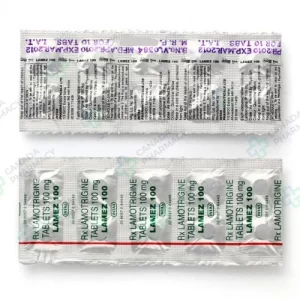
Lamictal
Price range: $ 47,00 through $ 491,00
Active substance: Lamotrigine
More Details
This product has multiple variants. The options may be chosen on the product page
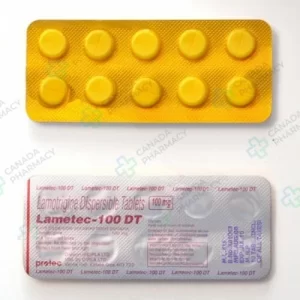
Lamictal Dispersible
Price range: $ 14,00 through $ 61,00
Active substance: Lamotrigine
More Details
This product has multiple variants. The options may be chosen on the product page
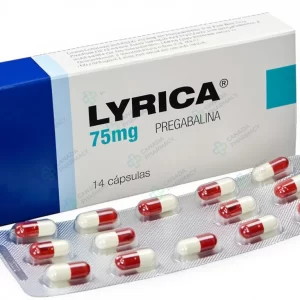
Lyrica
Price range: $ 50,00 through $ 540,00
Active substance: Pregabalin
More Details
This product has multiple variants. The options may be chosen on the product page
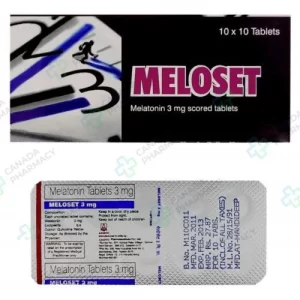
Melatonin
Anti-Inflammatories, AntiConvulsants, AntiParasitics, Cancer, Dementias, HIV, Migraine, Osteoporosis, Respiratory Tract
Price range: $ 46,00 through $ 201,00
Active substance: Melatonin
More Details
This product has multiple variants. The options may be chosen on the product page
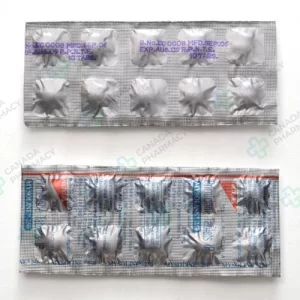
Mysoline
Price range: $ 41,00 through $ 275,00
Active substance: Primidone
More Details
This product has multiple variants. The options may be chosen on the product page
Valparin
Price range: $ 100,00 through $ 273,00
Active substance: Valproic Acid
More Details
This product has multiple variants. The options may be chosen on the product page