

-46%
Deltasone
Price range: $ 47,00 through $ 296,00
Desyrel
Price range: $ 41,00 through $ 206,00
Depakote
Price range: $ 32,00 through $ 267,00
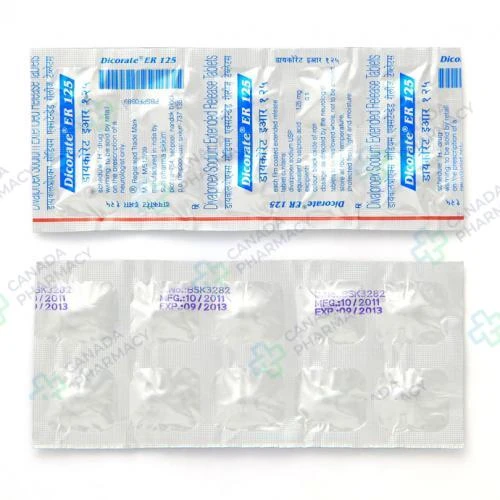
Depakote is a trusted medication containing divalproex sodium, primarily utilized to manage specific neurological and psychiatric conditions. It is highly effective in controlling complex partial seizures and absence seizures in individuals living with epilepsy. The medication is also indicated for the treatment of acute manic or mixed episodes associated with bipolar disorder to help stabilize mood. Furthermore, Depakote is frequently used as a preventive measure to reduce the frequency of migraine headaches. By regulating neurotransmitter activity in the brain, this treatment supports long-term symptom management and improved daily functioning.
Active substance: Divalproex
Delivery: 5–21 days (depending on the shipping method)
Extra 10% discount with coupon: IT4K6SVM
Each dosage option has its own packaging choices.
Description
Depakote – Information for Patients and Caregivers
Depakote belongs to a class of medications known as anticonvulsants and mood stabilizers. It works by altering levels of specific neurotransmitters in the brain, which helps stabilize electrical activity and mood regulation. In the United States, Depakote is a prescription medication available under FDA oversight for treating seizure disorders, acute manic episodes associated with bipolar disorder, and migraine headache prophylaxis.
Because Depakote requires clinical management and therapeutic monitoring, treatment must be initiated and supervised by a qualified healthcare professional. Dosing schedules and formulation choices are tailored to individual clinical requirements and diagnostic indications.
Basic Information
| Property | Details |
|---|---|
| Active ingredient (INN) | Divalproex sodium |
| Therapeutic class | Anticonvulsant / Mood stabilizer |
| Dosage form | Delayed-release tablet, extended-release tablet, sprinkle capsule |
| Route of administration | Oral |
| Primary purpose | Epilepsy management, bipolar mania treatment, migraine prevention |
| Prescription status | Prescription only (Rx) |
Main uses
Depakote (divalproex sodium) is approved by the FDA for several distinct clinical indications. It is indicated as monotherapy or adjunctive therapy in the treatment of complex partial seizures and simple or complex absence seizures in adult and pediatric patients. It is also used adjunctively in patients with multiple seizure types that include absence seizures.
In psychiatric medicine, Depakote is approved for the treatment of acute manic or mixed episodes associated with bipolar disorder, helping to decrease the frequency and intensity of manic symptoms. Additionally, the medication is approved for the prophylaxis of migraine headaches in adults. It is important to note that Depakote has not been shown to be effective for the acute treatment of an ongoing migraine attack.
Prescribers may occasionally select divalproex sodium for off-label clinical uses, such as behavioral agitation in dementia or refractory neuropathic pain conditions. Any off-label administration requires a careful risk-benefit evaluation by the treating clinician, as safety and efficacy for non-approved indications have not been formally established by regulatory bodies.
How the drug works
reached through its conversion to valproate ion within the gastrointestinal tract. The exact biochemical mechanisms of valproate are multifaceted. The primary pharmacodynamic action involves increasing brain concentrations of gamma-aminobutyric acid (GABA), an inhibitory neurotransmitter. Valproate enhances GABA synthesis and inhibits its metabolism and reuptake, thereby raising inhibitory tone in the central nervous system.
In addition to enhancing GABAergic transmission, valproate exhibits direct membrane-stabilizing properties. It inhibits voltage-gated sodium channels and T-type calcium channels in cortical neurons. By restricting high-frequency repetitive neuronal firing, the medication prevents the initiation and spread of abnormal electrical discharges responsible for epileptic seizures and central hyperexcitability involved in migraine pathophysiology.
How it’s absorbed and eliminated
Divalproex sodium is a compound composed of sodium valproate and valproic acid in a 1:1 molar ratio. Following oral administration, the delayed-release enteric coating prevents dissolution in the stomach. The compound dissociates into valproate ions upon entering the basic environment of the small intestine. Peak plasma concentrations are typically reached within 3 to 8 hours following administration of delayed-release tablets, whereas extended-release formulations exhibit smoother concentration-time profiles with delayed peak times.
Valproate is extensively bound to plasma proteins, predominantly serum albumin. Protein binding is concentration-dependent and decreases at higher plasma levels. The drug undergoes extensive hepatic metabolism, primarily through glucuronide conjugation and mitochondrial beta-oxidation; less than 3% of the dose is excreted unchanged in urine. The elimination half-life of valproate in healthy adults generally ranges from 9 to 16 hours. Clearance may be shortened in patients receiving concurrent hepatic enzyme-inducing agents.
Dosing schedule
Dosing of Depakote must be individualized based on patient age, body weight, renal and hepatic function, clinical indication, and target serum drug concentrations. For complex partial seizures, initial dosing generally starts at 10 to 15 mg/kg daily, increased at weekly intervals by 5 to 10 mg/kg daily until optimal clinical response or plasma levels are achieved. The maximum recommended daily dose is 60 mg/kg.
For acute manic episodes in bipolar disorder, dosing typically begins at 750 mg daily in divided doses, titrated rapidly to achieve a therapeutic serum valproate trough concentration, generally between 50 and 125 mcg/mL. For migraine prophylaxis, the standard starting dose of delayed-release tablets is 250 mg twice daily, adjusted based on clinical response. Extended-release tablets (Depakote ER) are administered once daily. Delayed-release tablets must be swallowed whole to preserve enteric protection and should not be crushed or chewed.
What to avoid while taking it
Depakote delayed-release tablets may be taken with or without food. Taking the medication alongside meals can minimize gastrointestinal irritation, such as mild nausea or stomach discomfort. However, patients must avoid alcohol during treatment. Concomitant alcohol consumption can potentiate central nervous system depression, leading to heightened drowsiness, impaired motor coordination, and potential hepatic strain.
Patients should also exercise caution when taking concurrent over-the-counter medications, nutritional supplements, or herbal products without discussing them with a physician or pharmacist, as secondary metabolic interactions may alter valproate plasma concentration or worsen side effects.
Compatibility with other medicines
Depakote participates in several clinically significant drug interactions due to its metabolic pathway and protein-binding characteristics. Co-administration of valproate with lamotrigine leads to a significant decrease in lamotrigine clearance, increasing its half-life and elevating the risk of severe, life-threatening cutaneous reactions such as Stevens-Johnson syndrome. When combining these agents, substantial reductions in lamotrigine dosage are required.
Enzyme-inducing drugs, such as carbamazepine, phenytoin, and phenobarbital, increase the clearance of valproate, potentially lowering serum concentrations below therapeutic levels. Conversely, carbapenem antibiotics (e.g., meropenem, ertapenem) can rapidly and dramatically decrease valproate plasma levels, leading to loss of seizure control; this combination should generally be avoided. Co-administration with topiramate has been associated with hyperammonemia with or without encephalopathy. Monitoring plasma concentrations of concurrent anticonvulsants is recommended.
Adverse reactions
Adverse reactions associated with Depakote vary in severity and frequency. Common mild to moderate side effects affecting the gastrointestinal system include nausea, vomiting, indigestion, abdominal cramps, and diarrhea. Central nervous system adverse effects include somnolence, dizziness, tremor, asthenia, and ataxia.
Metabolic and dermatologic effects may occur during chronic therapy. Weight gain is frequently observed and may require dietary management. Transient hair loss (alopecia) can occur but is often reversible upon dosage reduction or treatment continuation. Laboratory monitoring frequently reveals minor, asymptomatic elevations in serum transaminases. Thrombocytopenia (low platelet count) is dose-dependent and occurs more commonly at total valproate concentrations exceeding 110 mcg/mL in females or 135 mcg/mL in males.
Practical tips
Consistent administration is critical to achieving stable therapeutic serum levels. Depakote should be taken at regularly scheduled times each day. For individuals who have difficulty swallowing tablets, sprinkle formulations may be prescribed; these capsules can be opened and sprinkled onto a small amount of soft food (such as applesauce) immediately prior to ingestion without chewing the granules.
Routine therapeutic drug monitoring (TDM), complete blood counts, and liver function panels are routinely performed during ongoing care. Patients in states like Texas or Pennsylvania operating motor vehicles or heavy machinery must confirm how Depakote affects their alertness before driving, as drowsiness and impaired reflexes may occur early in therapy.
If you skip a dose
If a dose of Depakote is missed, it should be taken as soon as remembered, provided the next scheduled dose is not imminent. If it is almost time for the next scheduled dose, the patient should skip the missed dose and resume the standard dosing schedule. Patients should never double a dose or take additional tablets to compensate for a missed dose, as this elevates the risk of acute drug toxicity.
Red flags
Certain clinical signs indicate serious or potentially life-threatening adverse reactions that require immediate emergency evaluation. Caregivers and patients must recognize symptoms of acute liver injury, severe pancreatic inflammation, hyperammonemia, or serious dermatologic reactions.
Emergency Warning Signs
| Symptom Category | Red Flag Manifestations |
|---|---|
| Hepatic Toxicity | Jaundice (yellowing of skin/eyes), dark urine, facial swelling, severe right upper quadrant pain, persistent anorexia. |
| Pancreatitis | Severe upper abdominal pain radiating to the back, intractable nausea, severe vomiting. |
| Hyperammonemia | Unexplained lethargy, acute confusion, hypothermia, marked changes in mental status. |
| Hematologic / Cutaneous | Unusual bruising or bleeding, severe skin rash, mucosal blistering, high fever without clear infection. |
Important precautions
Depakote carries serious warnings regarding hepatotoxicity, teratogenicity, and pancreatitis. Hepatic failure resulting in fatalities has occurred in patients receiving valproate, with the highest risk in children under two years of age receiving multiple anticonvulsants. Liver function tests must be performed prior to initiating therapy and at frequent intervals thereafter, especially during the first six months.
Valproate can cause major congenital malformations, including neural tube defects (such as spina bifida), cardiovascular malformations, and decreased IQ scores in children exposed in utero. It is contraindicated in pregnant women for the prevention of migraine headaches. For women of childbearing potential, Depakote should only be considered for epilepsy or bipolar disorder if alternative therapies are ineffective or unacceptable, and effective contraception must be utilized. Depakote is also contraindicated in patients with known hepatic disease, severe hepatic dysfunction, or mitochondrial disorders caused by mutations in the nuclear gene for mitochondrial DNA polymerase gamma (POLG).
Common questions
Why is blood testing regularly needed while taking Depakote?
Blood tests are necessary to measure serum valproate trough concentrations and assess liver enzyme levels, complete blood counts, and coagulation parameters. Because valproate clearance varies widely among individuals, therapeutic drug monitoring helps clinicians maintain serum drug levels within an effective and safe range while screening early for potential asymptomatic liver or bone marrow toxicity.
Is weight gain a common side effect, and can it be managed?
Weight gain is a recognized adverse effect associated with long-term valproate therapy. It is related to altered metabolic rate and increased appetite. Management strategies include nutritional counseling, routine physical activity, and monitoring for metabolic shifts. Patients should discuss significant weight changes with their physician rather than altering their medication dosage independently.
Is hair loss from Depakote permanent?
Hair thinning or temporary hair loss (alopecia) can occur in patients taking valproate, typically within the first few months of treatment. In most cases, this side effect is temporary and reversible. Hair growth generally resumes after a period of stabilization, upon dosage reduction, or following discontinuation of the drug under medical supervision.
What are the risks if Depakote is taken during pregnancy?
Exposure to Depakote during pregnancy carries a significant risk of severe birth defects, including neural tube defects, craniofacial abnormalities, and limb malformations, as well as neurodevelopmental deficits and lower cognitive test scores in offspring. Women planning to become pregnant or who discover they are pregnant must contact their prescriber immediately to re-evaluate therapy options.
Why should Depakote not be stopped suddenly?
Abruptly discontinuing Depakote in patients treated for epilepsy can trigger withdrawal seizures or status epilepticus, a life-threatening medical emergency. In patients treated for bipolar disorder, sudden cessation increases the risk of rapid symptom relapse or acute manic rebound. Any reduction in dose or discontinuation must be executed gradually under direct clinical oversight.
In accordance with FDA requirements.
This text is for informational purposes only and does not constitute individual medical advice.
Additional information
| Dosage |
125 mg ,250mg ,500mg ,750 mg |
|---|---|
| Package |
30 pills ,60 pills ,90 pills ,120 pills ,180 pills ,270 pills ,300 pills ,360 pills |
| Ενεργός Ουσία |
Related products

Cerecetam
Price range: $ 58,00 through $ 255,00
Active substance: Piracetam
More Details
This product has multiple variants. The options may be chosen on the product page
Dilantin
Price range: $ 43,00 through $ 171,00
Active substance: Phenytoin
More Details
This product has multiple variants. The options may be chosen on the product page
Imitrex
Price range: $ 147,00 through $ 617,00
Active substance: Sumatriptan
More Details
This product has multiple variants. The options may be chosen on the product page
Inderal LA
$ 42,00
Active substance: Propranolol
More Details
This product has multiple variants. The options may be chosen on the product page
Lamictal Dispersible
Price range: $ 14,00 through $ 61,00
Active substance: Lamotrigine
More Details
This product has multiple variants. The options may be chosen on the product page
Lyrica
Price range: $ 50,00 through $ 540,00
Active substance: Pregabalin
More Details
This product has multiple variants. The options may be chosen on the product page
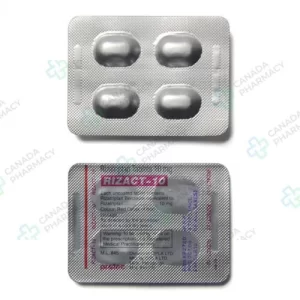
Maxalt
Price range: $ 46,00 through $ 335,00
Active substance: Rizatriptan
More Details
This product has multiple variants. The options may be chosen on the product page
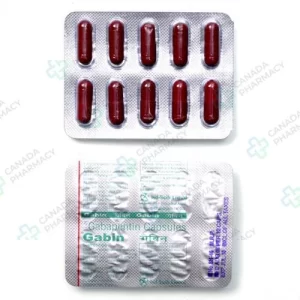
Neurontin
Price range: $ 40,00 through $ 650,00
Active substance: gabapentin
More Details
This product has multiple variants. The options may be chosen on the product page